ISO 13482: First system-level safety standard for personal care robots. Requires no thermal runaway under any use; must have flame‑retardant separators and protective casings.
IEC 60601: General safety standard for medical electrical equipment. Applies to battery‑powered medical care robots. Core for electrical, mechanical, and environmental safety.
IEC 62133: Universal safety test standard for rechargeable Li‑ion batteries. Applicable to medical, service, and consumer robots for battery safety validation.
UN 38.3: Core standard for lithium battery transport safety. Mandatory for all medical care robot batteries before shipment.
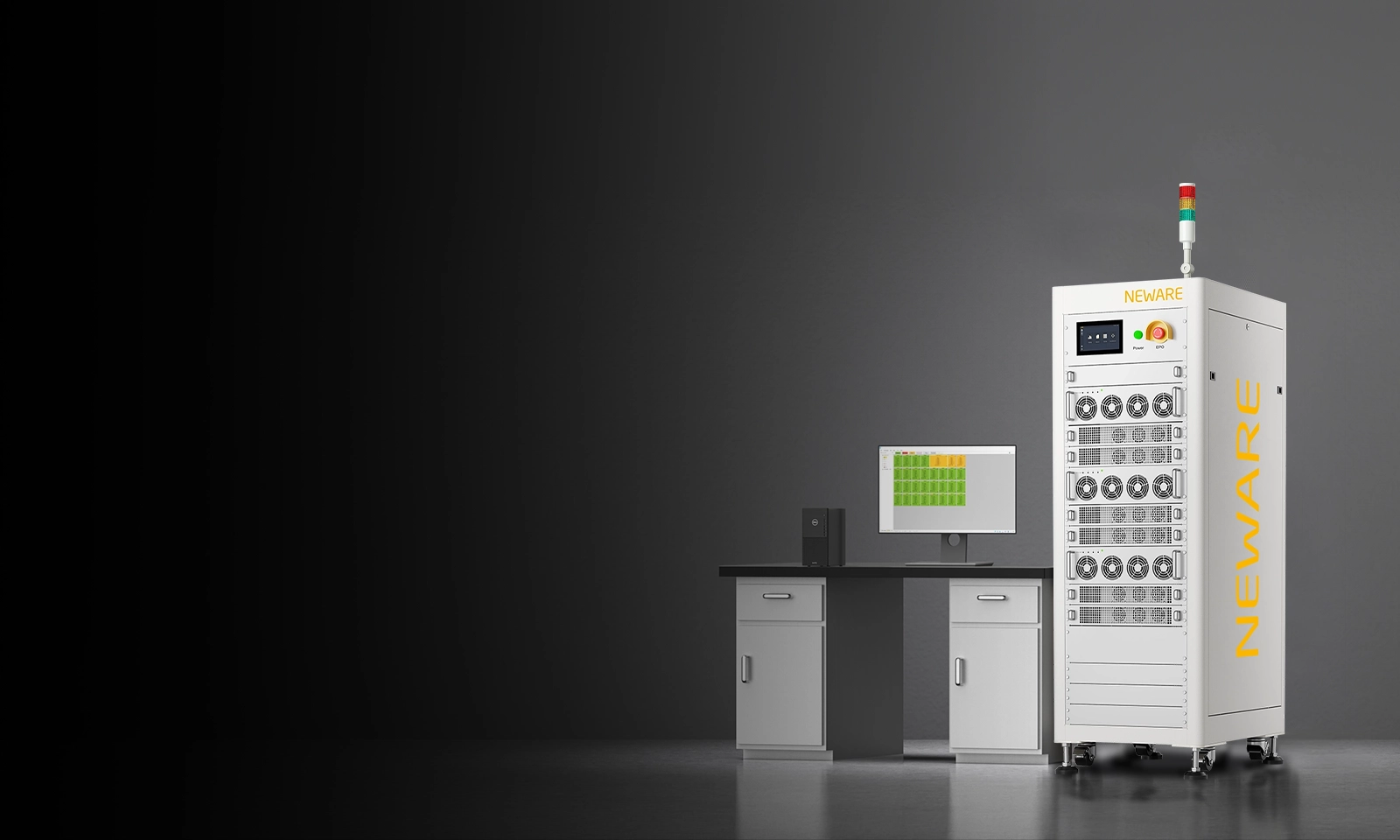
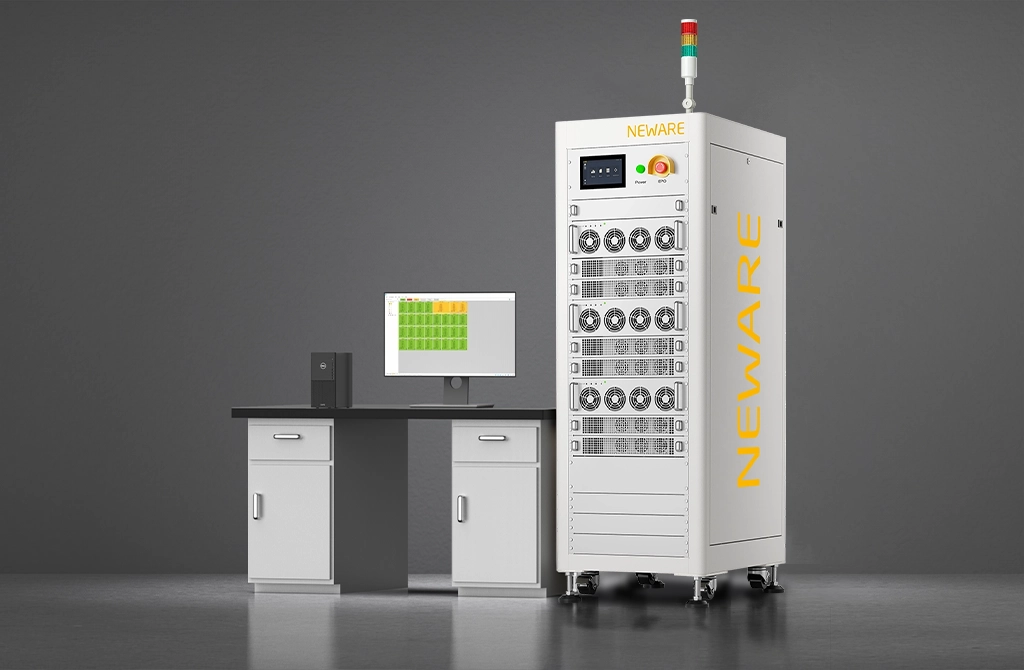
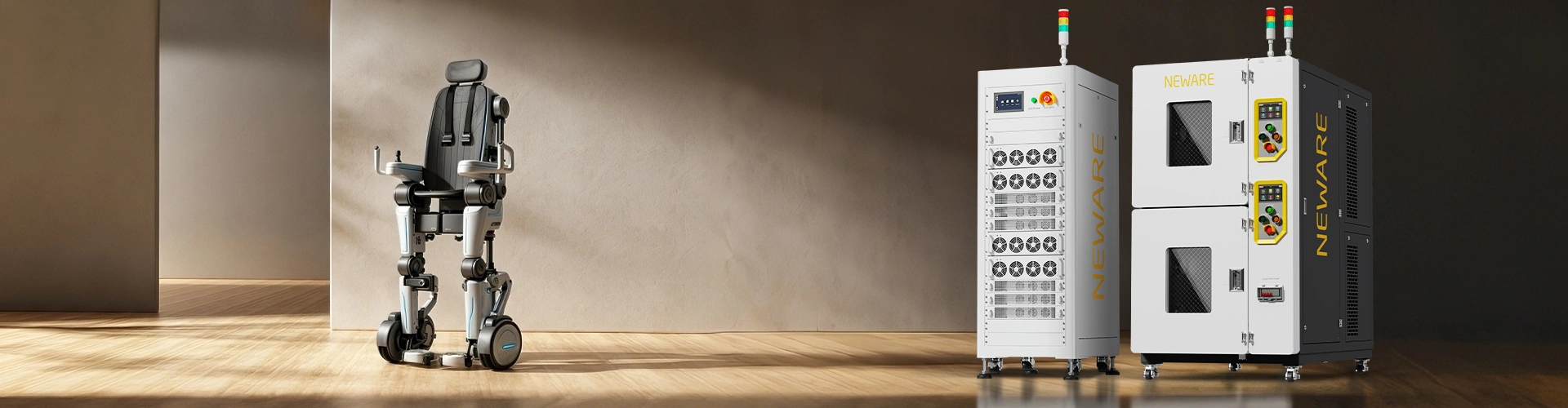
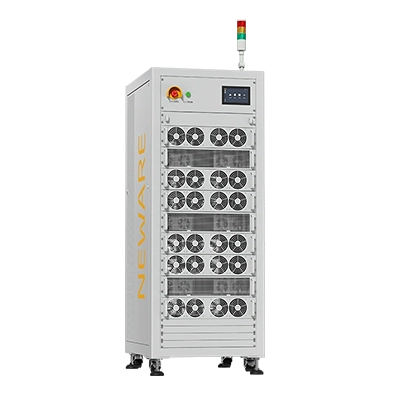
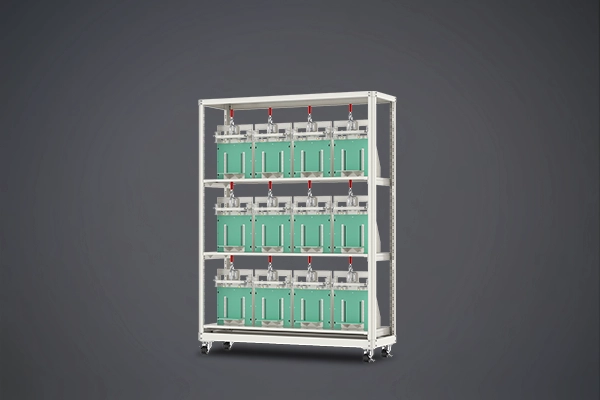
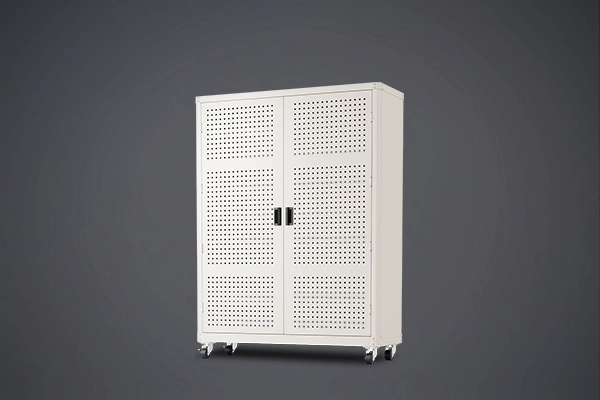
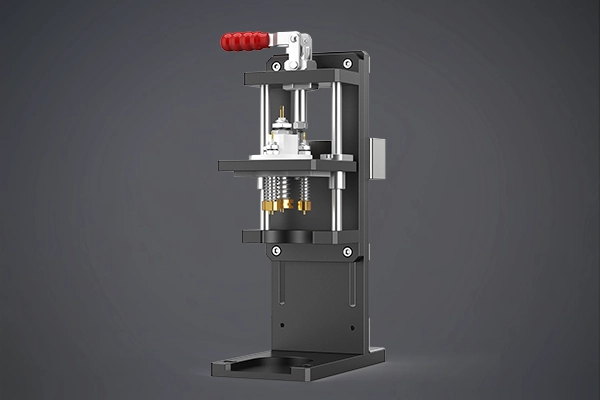
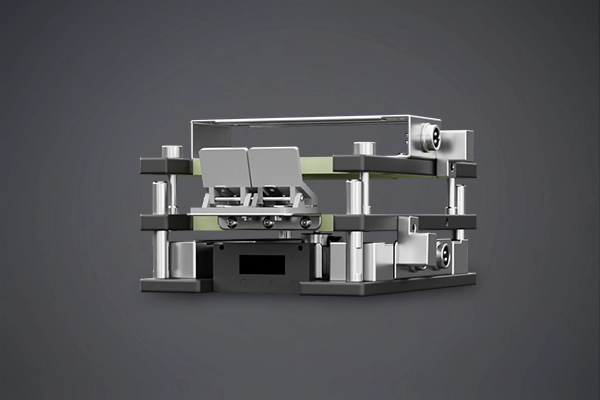
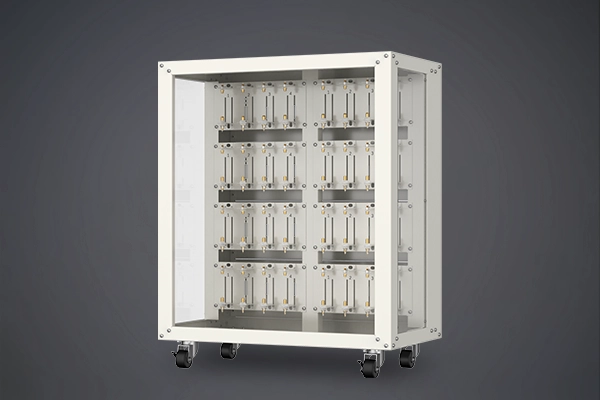
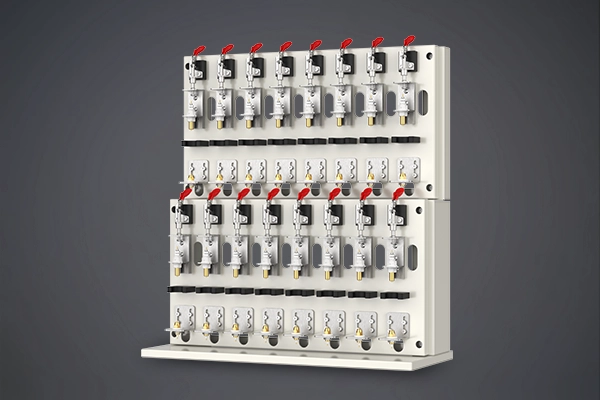
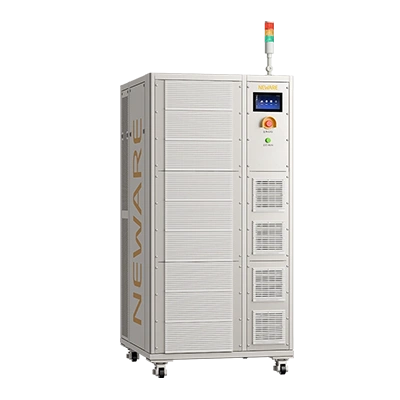
The CE-6000 series offers performance testing and safety validation for medical care robot batteries, with simulation for precise verification and intelligent data analysis under high medical safety standards.
1. Multi‑range design supports full‑scenario testing from standby to high‑power discharge for accurate performance and endurance evaluation. With ±0.02%/±0.05% F.S. voltage/current accuracy and 24‑bit resolution, it reliably measures capacity and runtime, eliminating false specs.
2. Simulates real‑world C‑rate and cycle life tests (up to 65,535 cycles).Customizable sequences simulate shallow/deep cycles to accurately evaluate capacity fade and long‑term reliability.
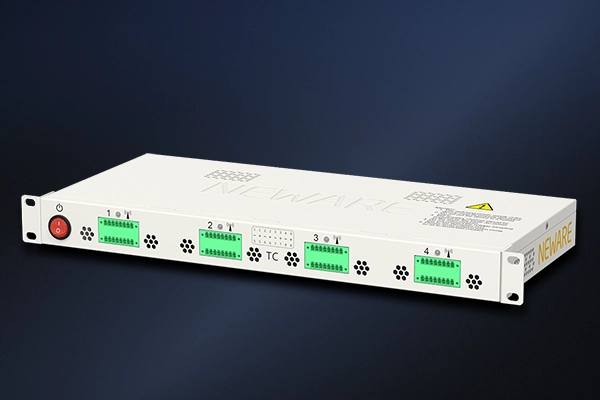
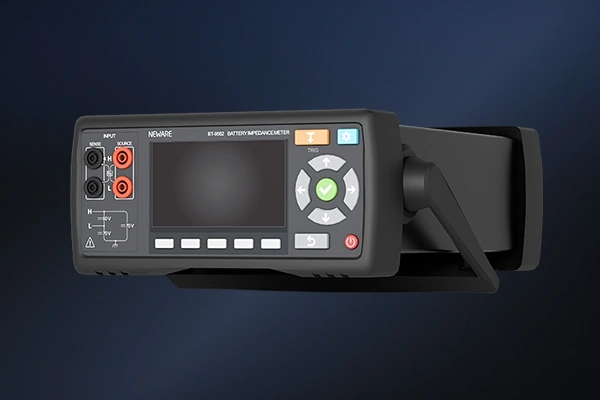
3. Integrates with AUX channels to monitor surface temperature and internal resistance. Syncs thermal and electrical data to evaluate battery health and safety.
Voltage & Current Accuracy: ±0.02% F.S.
High-Frequency Sampling: 200Hz
Current Conversion Time: ≤2ms
Current Response Time: ≤1ms
Minimum Pulse Width: 10ms
Feedback Efficiency (Max): 75%
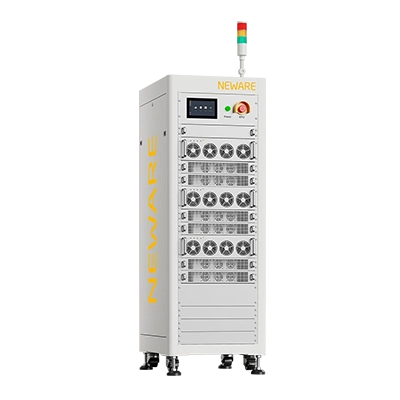
Current Accuracy: ±0.05% F.S.
Voltage Accuracy: ±0.02% F.S.
Recording Frequency: 100Hz
Current Conversion Time: ≤6ms
Current Response Time: ≤3ms
Minimum Pulse Width: 100ms
Feedback Efficiency (Max): 90%
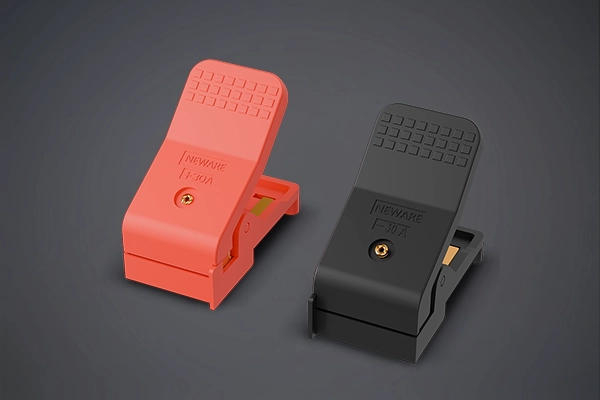

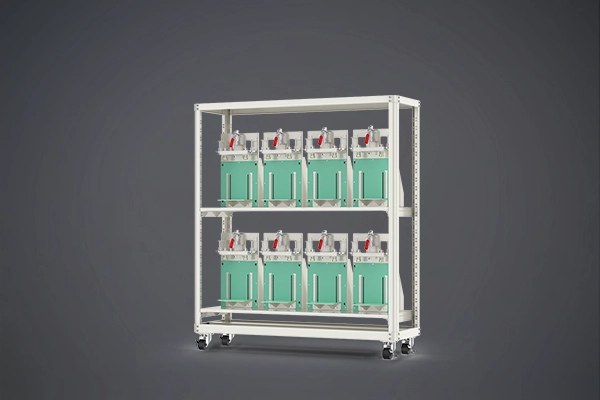
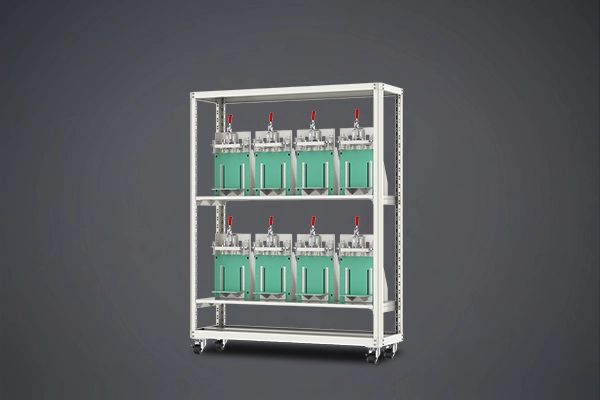
Voltage & Current Accuracy: ±0.02% F.S.
Recording Frequency: 100Hz
Current Conversion Time: ≤20ms
Current Response Time: ≤10ms
Minimum Pulse Width: 100ms
Feedback Efficiency (Max): 96%

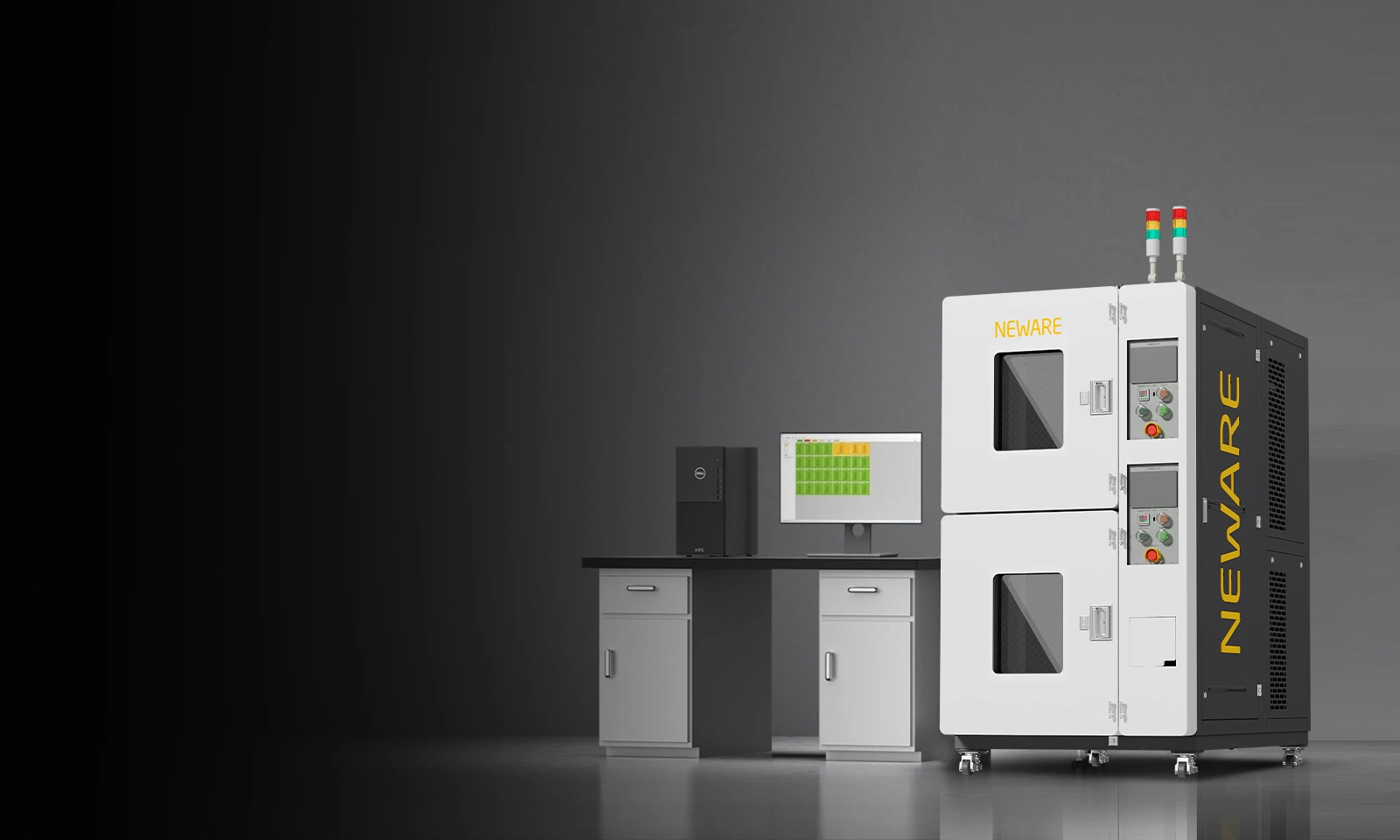
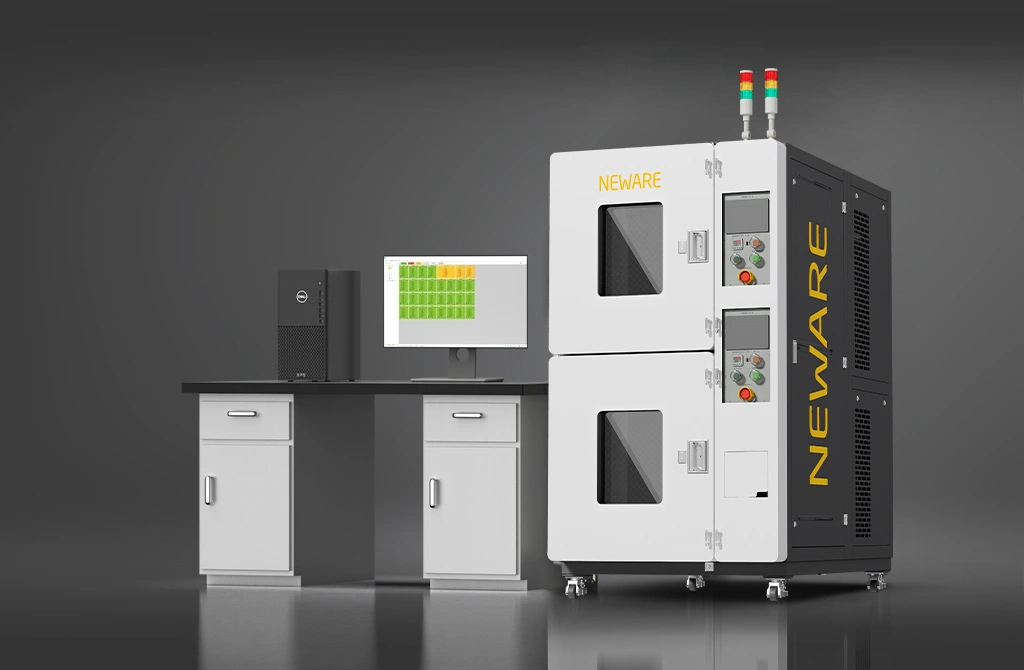
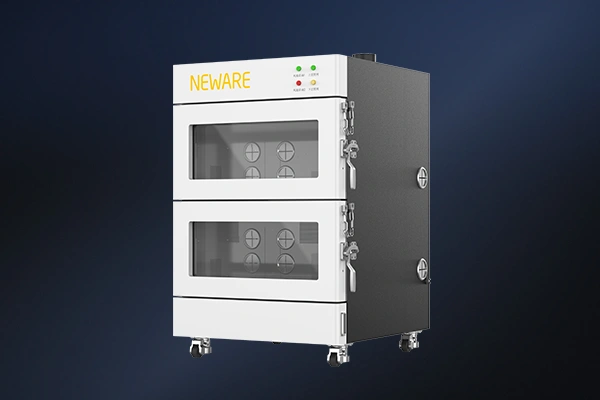
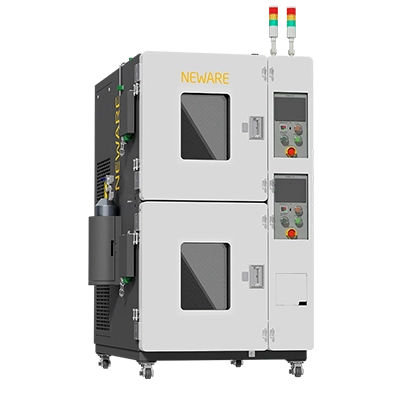
The all-in-one series tests medical robot battery safety and endurance across temperatures, simulating real conditions. It simplifies setup, saves space, and improves coordination.
1. Wide temperature range: Covers -70℃ to +150℃, verifying the product's discharge performance and charging capability under normal medical environments and extreme emergency medical conditions.
2. Precise data synchronization: BTS software automatically synchronizes charge/discharge data with temperature data in real-time, ensuring accurate analysis and consistent assessment of temperature's impact on battery performance.
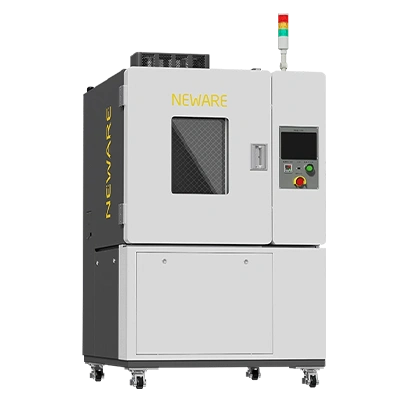
Volume: 200L
Space for Test System: 6U
Temperature Fluctuation: ≤0.9℉ (0.5℃)
Temperature Deviation: ±3.6℉ (±2℃)
Heating Time: 68°F ~ 302°F≤60min
(20℃ ~ 150℃≤60min)
Cooling Time: 68°F ~ -40°F≤60min
(20℃ ~ -40℃≤60min)
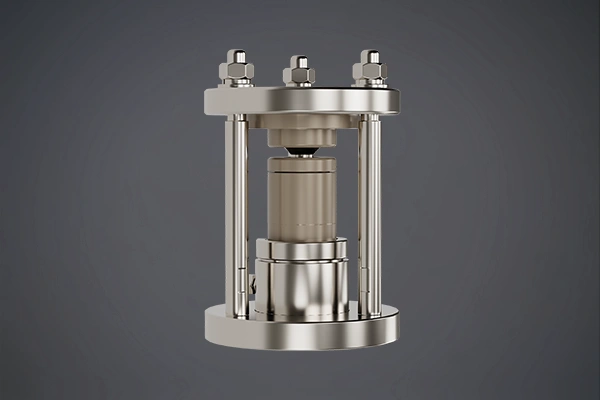
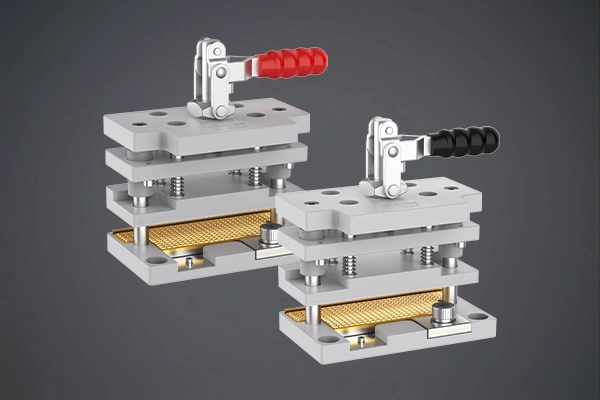
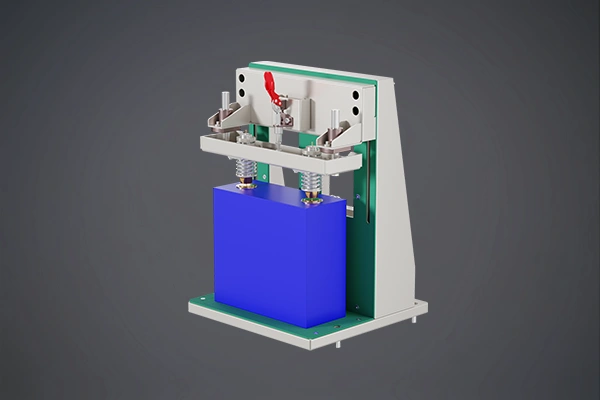
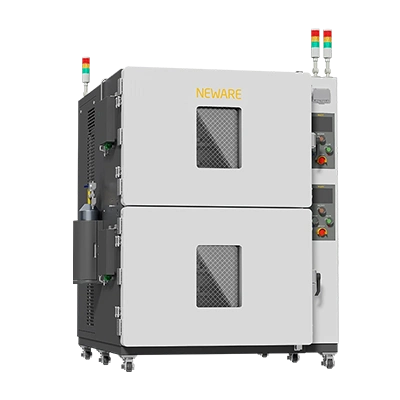
Volume: 200L*2
Space for Test System: 12U
Temperature Fluctuation: ≤0.9℉ (0.5℃)
Temperature Deviation: ±3.6℉ (±2℃)
Heating Time: 68°F ~ 302°F≤60min
(20℃ ~ 150℃≤60min)
Cooling Time: 68°F ~ -40°F≤60min
(20℃ ~ -40℃≤60min)
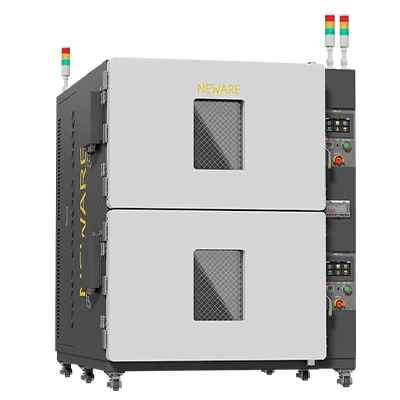
Volume: 400L*2
Space for Test System: 32U
Temperature Fluctuation: ≤0.9℉ (0.5℃)
Temperature Deviation: ±3.6℉ (±2℃)
Heating Time: 68°F ~ 302°F≤60min
(20℃ ~ 150℃≤60min)
Cooling Time: 68°F ~ -40°F≤60min
(20℃ ~ -40℃≤60min)
Volume: 400L*2
Space for Test System: 32U
Temperature Fluctuation: ≤0.9℉ (0.5℃)
Temperature Deviation: ±3.6℉ (±2℃)
Heating Time: 68°F ~ 302°F≤60min
(20℃ ~ 150℃≤60min)
Cooling Time: 68°F ~ -40°F≤60min
(20℃ ~ -40℃≤60min)
* This product model has been updated.

February 05, 2026

March 12, 2026

February 26, 2026
March 13, 2026