Comprehensive battery verification solutions for smart home devices — ensuring low power consumption, extended standby life, and uncompromising safety across all connected ecosystems.
Supporting NCM, LFP, and LCO chemistries in compact cylindrical, pouch, coin, and small prismatic formats — with precision testing for capacity, cycling, self-discharge, and thermal performance.
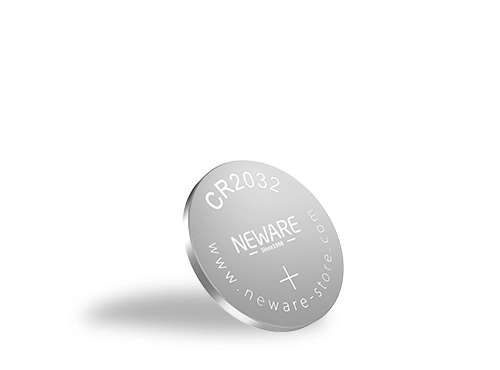
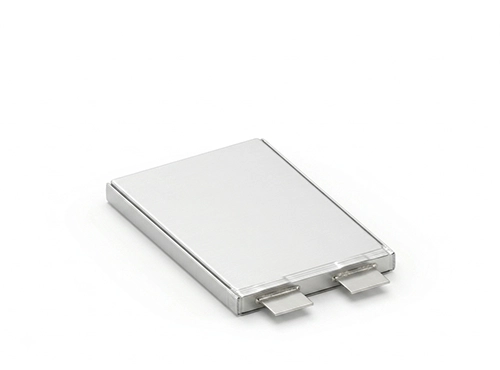
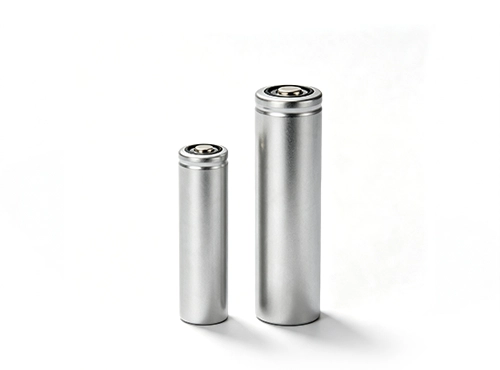
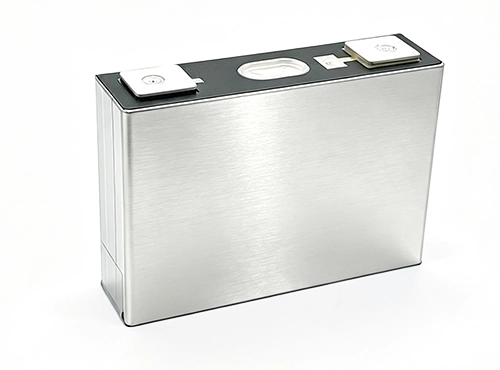
Purpose-built for smart home battery validation — from incoming quality control to final certification testing.
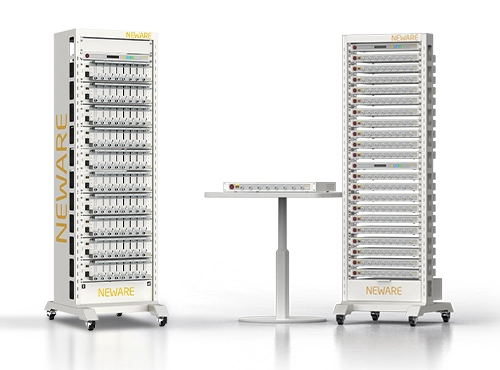
8–72 channels running in parallel enable rapid screening of production batches with ±0.01% F.S. accuracy across all ranges.
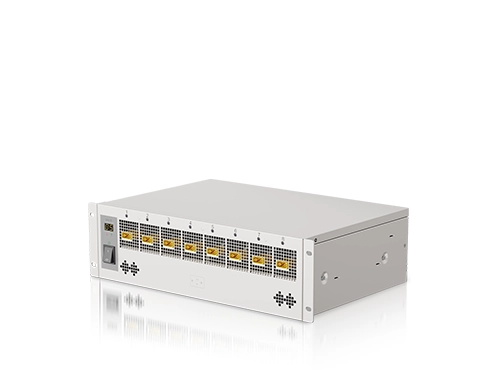
Industry-leading current resolution for accurate standby power characterization and micro-current profiling of smart home devices.
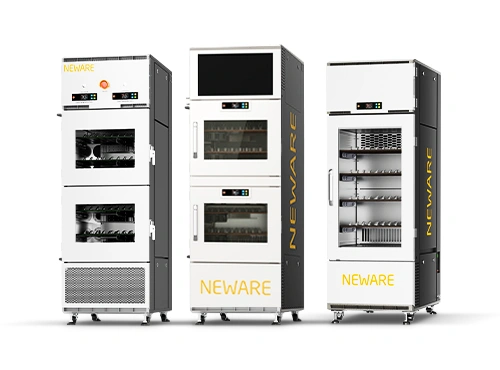
Combined charge-discharge and temperature control in a single system — no separate environmental chamber needed.







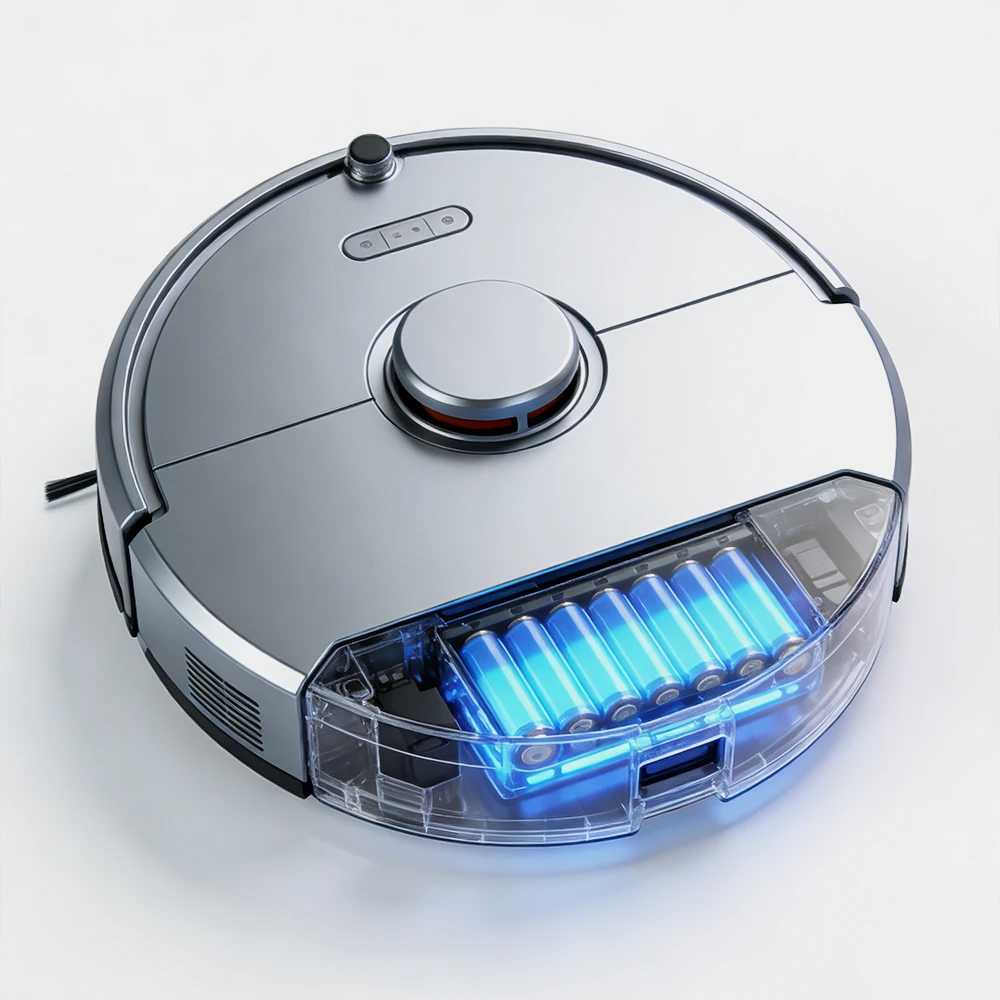
As robot vacuums become more integrated into daily family life, they offer convenience but also present certain challenges. Battery life and safety are key concerns in current usage and research. To enhance user experience, researchers are developing battery technologies that offer higher energy density, improved thermal stability, and extended service life.
Battery types: Lithium iron phosphate (LFP), Ternary lithium battery (NCM)
Battery shapes: 18650/21700 cylindrical cells, prismatic cells, integrated battery pack
Voltage: Single cell 3.2V/3.7V, System 14.4V ~ 14.8V, 18V ~ 21.6V, 22.2V
Current: Working 1A ~ 5A, charging 0.5A ~ 2A, low-power long-duration discharge
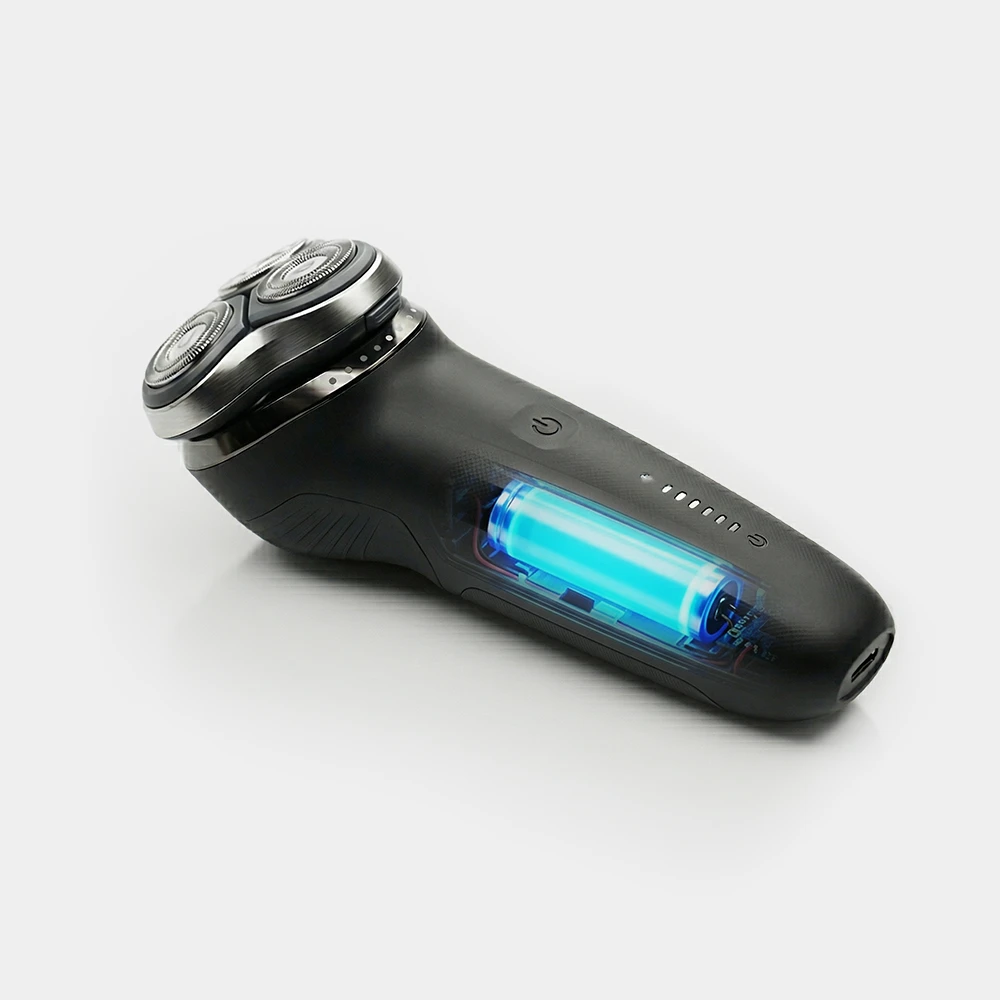
Electric toothbrushes and electric shavers typically use lithium batteries or nickel-metal hydride (NiMH) batteries as their power sources. These batteries must have high energy density, long battery life, and good safety performance. Battery life directly affects the user experience, while charging speed and safety are the focus of consumer attention.
Battery types: Lithium-ion (Li-ion), Lithium Polymer (Li-Po)
Battery shapes: Ultra-small pouch cells, cylindrical 10440/14500 cells
Voltage: Rated 3.7V, operating 3.0V ~ 4.2V
Current: Working mA ~ 1A level, ultra-low power, small current
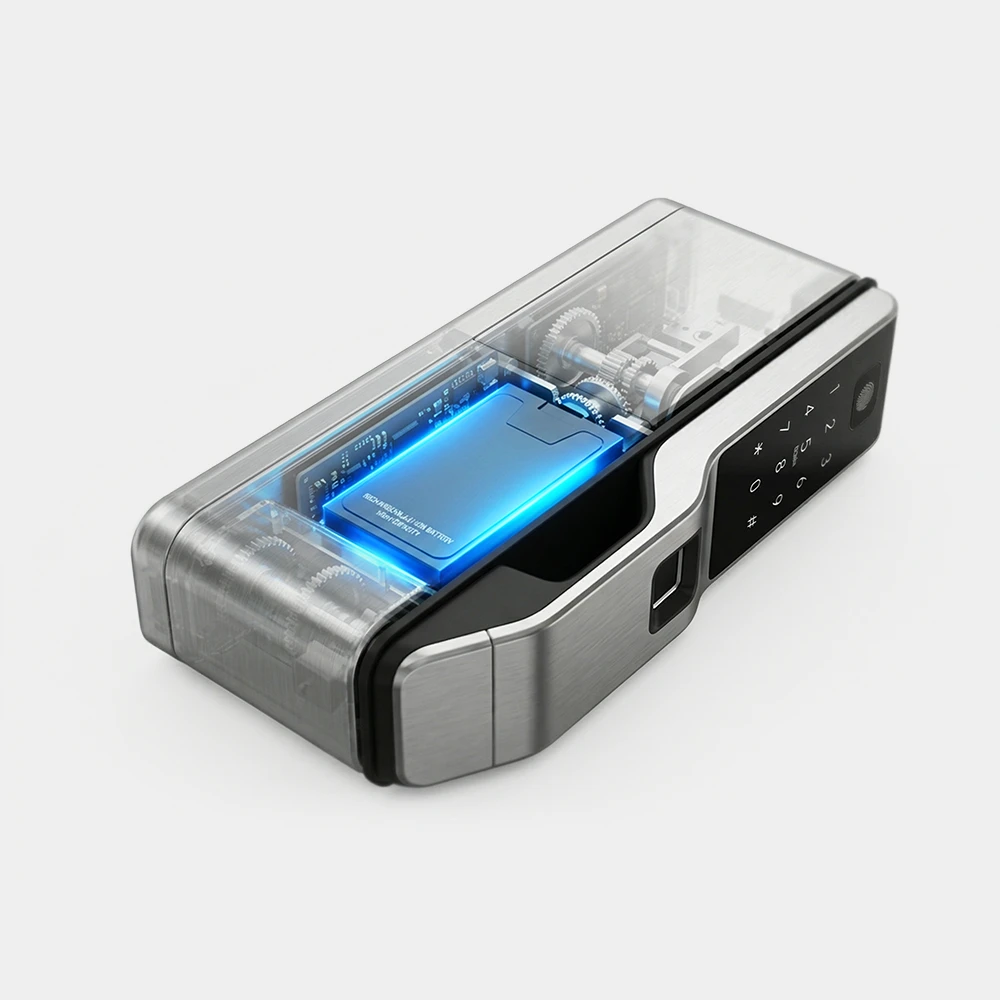
The increasing popularity of smart door locks enhances security and convenience in daily life, while simultaneously demanding improved energy density, endurance capabilities, and safety performance in batteries. By employing precise battery testing technologies and innovative energy integration solutions, we can prolong the lifespan of smart door locks and ensure compliance with energy storage system safety standards.
Battery types: Lithium-ion (Li-ion), Lithium Polymer (Li-Po)
Battery shapes: Small pouch cells, small cylindrical cells
Voltage: Single cell 3.2V, working 2.5V ~ 3.65V, system 3.7V/7.4V/11.1V
Current: Ultra-low standby μA-level, working mA ~ 1A level