Embodied ai definition: from digital brain to physical entity
Embodied AI represents the cutting edge of artificial intelligence—AI systems with physical bodies that can perceive, interact with, and take actions in the real world.
Unlike traditional AI limited to data processing, Embodied AI creates a complete "perception-decision-action"closed loop. If large language models like ChatGPT "think" in the digital world, Embodied AI gives AI a "body" to truly enter the physical world.
Core Characteristics of Embodied AI:
Physical Entity: Exists as robots, autonomous vehicles, etc.
Environmental Perception: Real-time sensing of surroundings through sensors
Autonomous Decision-Making: Intelligent judgments based on perceptual data
Physical Interaction: Executes actions and influences the physical environment
Embodied ai applications: already transforming multiple industries
Embodied AI technology has been widely deployed across various sectors. Here are the most representative applications:
Home service robots
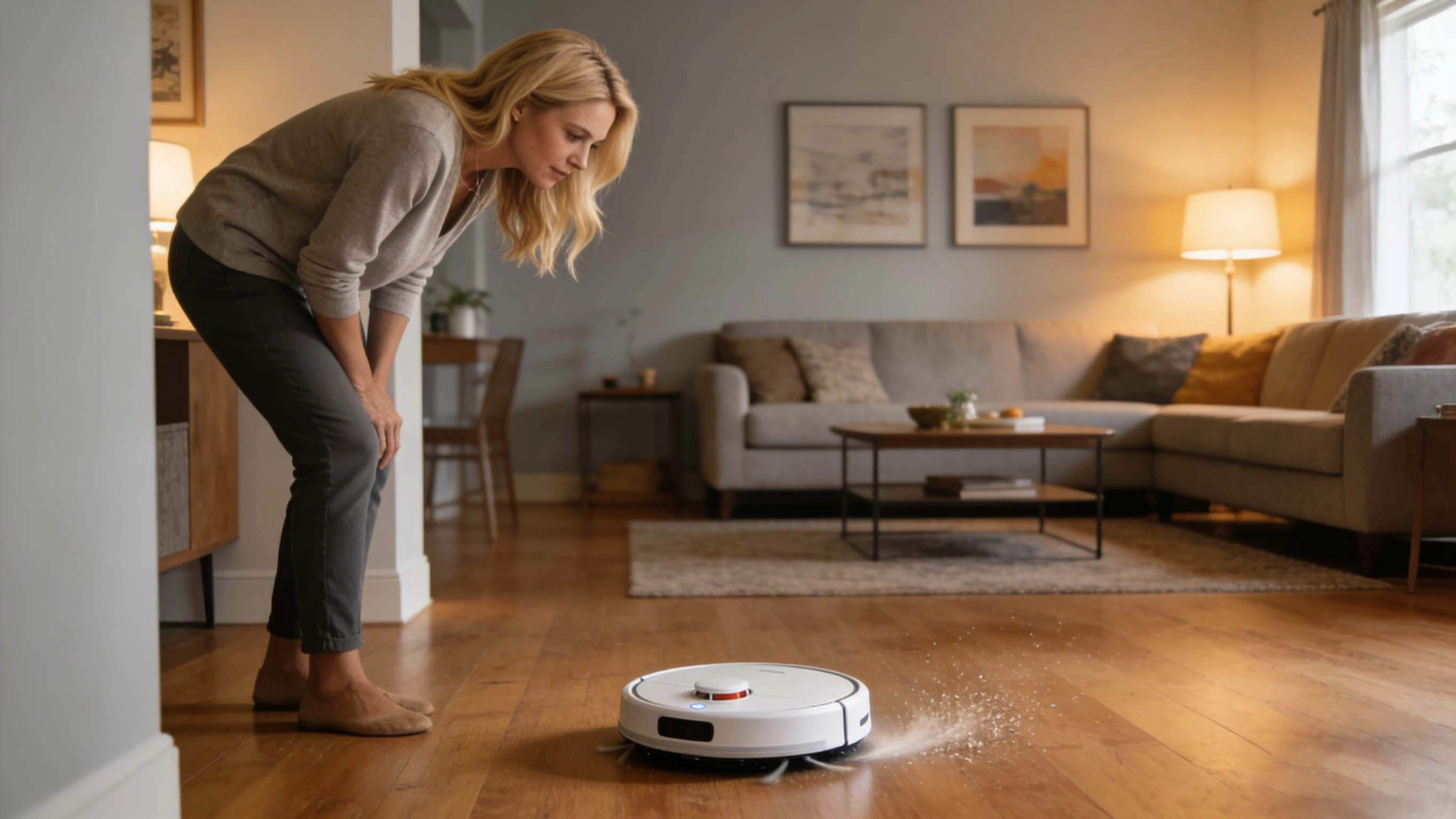
Robot vacuums are the most widespread embodied AI product. Using LiDAR and visual sensors, they map homes, plan cleaning paths autonomously, and intelligently avoid obstacles.
Autonomous vehicles
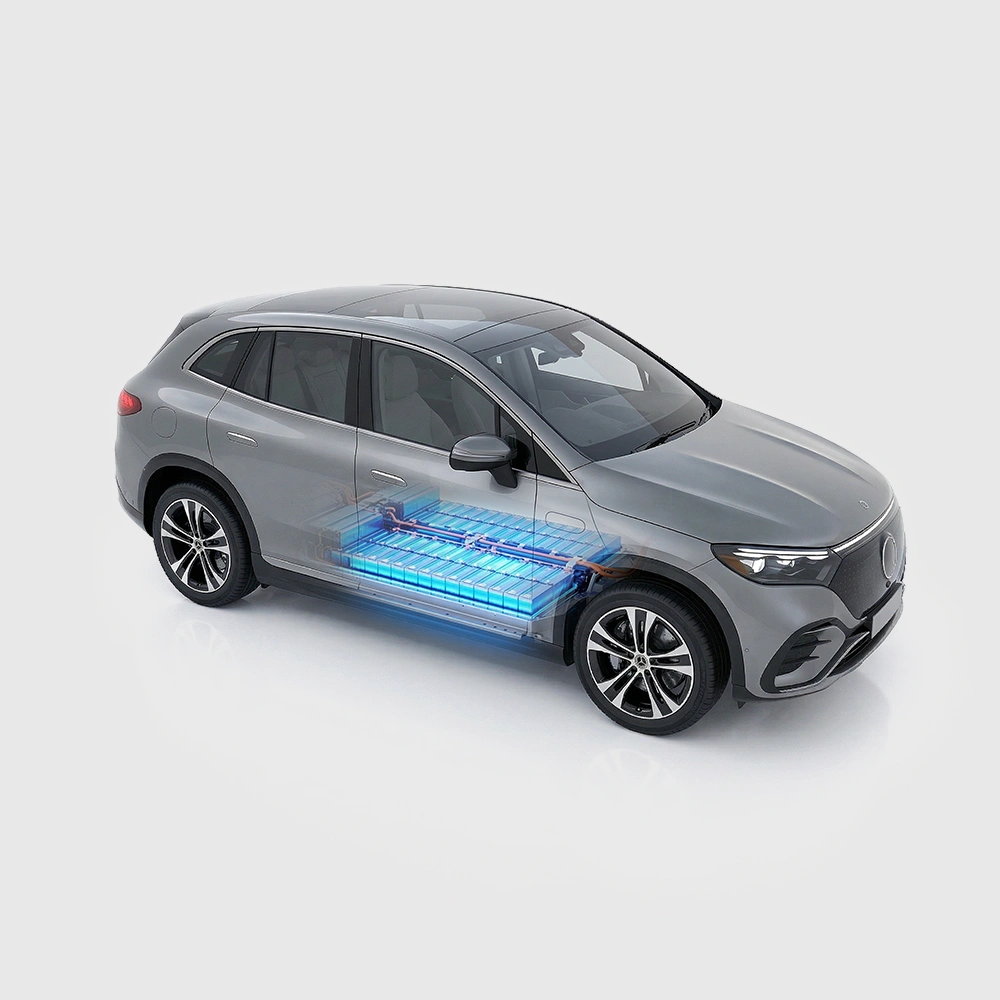
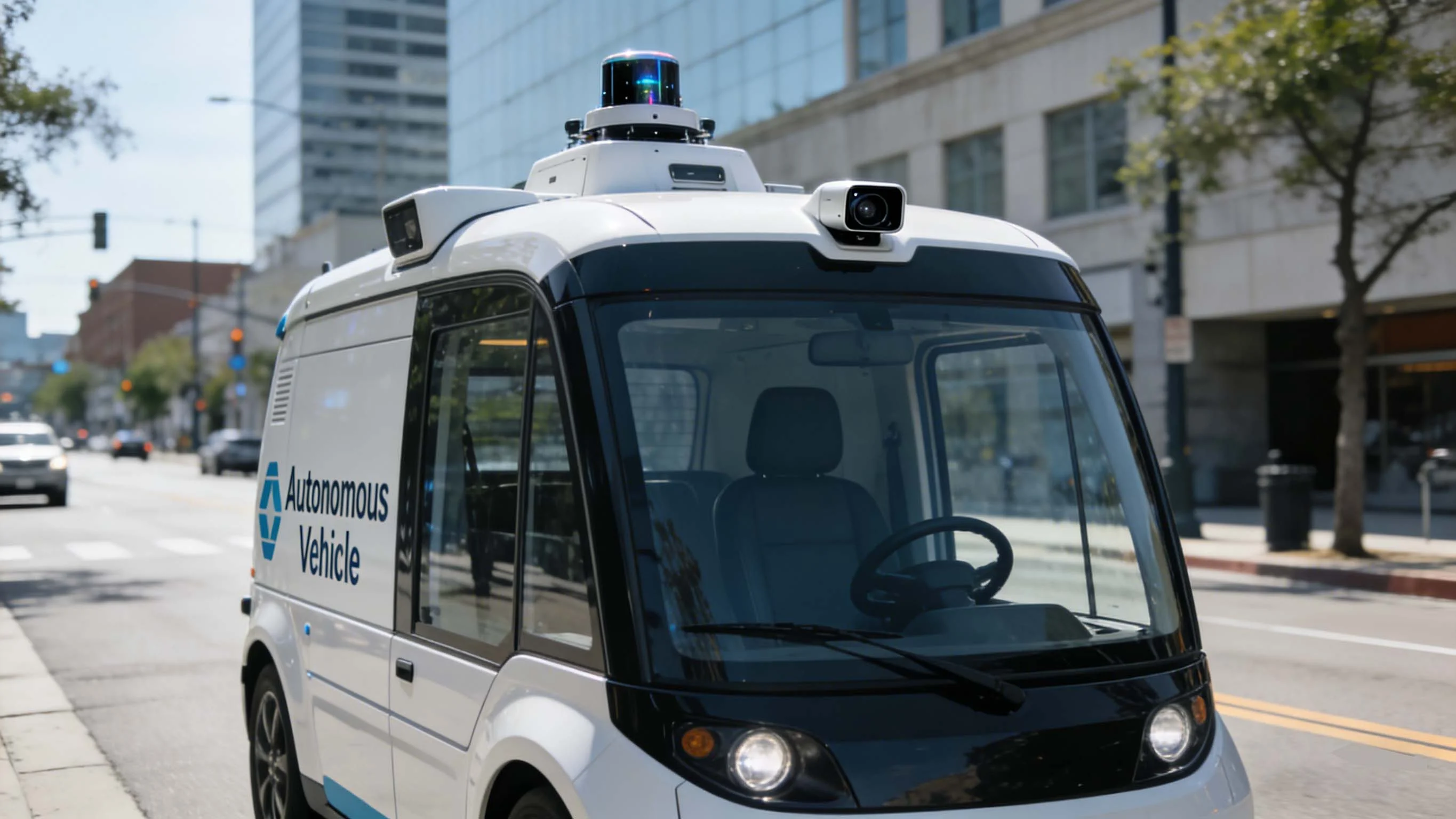
Self-driving cars are a typical application of embodied AI in transportation. Vehicles perceive road environments through multi-sensor fusion and make real-time decisions on steering, acceleration, and braking.
Commercial service robots
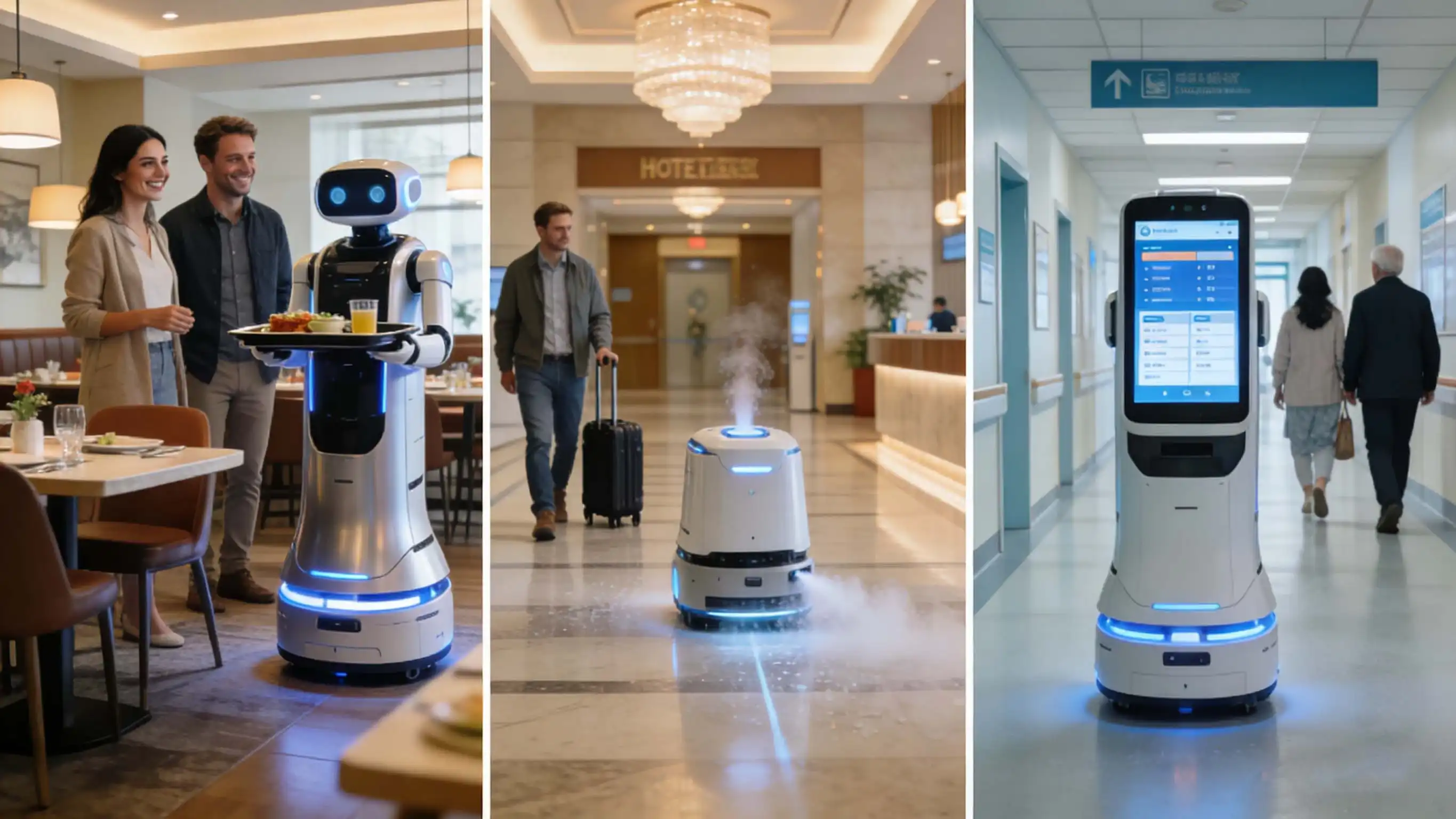
Restaurants, hotels, and hospitals increasingly use delivery robots, disinfection robots, and guidance robots that navigate dynamic environments and complete tasks autonomously.
Industrial and specialized robots
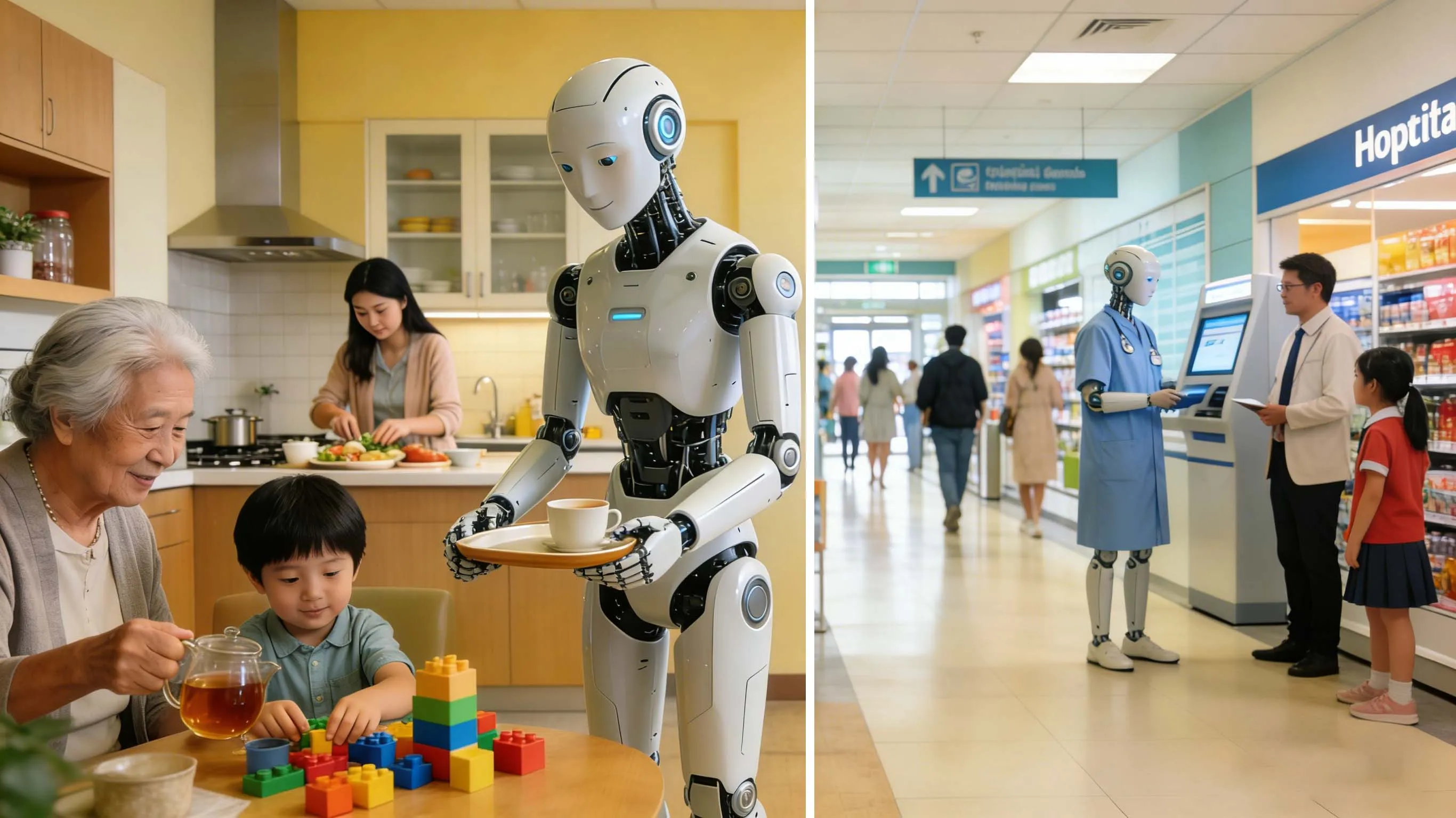
This category includes robotic arms, quadruped robots (such as robotic dogs), and humanoid robots applied in intelligent manufacturing, logistics, and emergency rescue scenarios.
The three core pillars of embodied ai: perception, brain, and action
Achieving true embodied intelligence requires seamless collaboration across three fundamental layers:
| Architecture Layer | Core Function | Key Technologies | Representative Products |
| Perception Layer | Environmental data acquisition and understanding | Computer Vision LiDAR Multi-modal Sensors | Depth Cameras IMU (Inertial Measurement Units) |
| Brain Layer | Data processing and decision planning | Large Language Models (LLM) Reinforcement Learning Deep Learning | AI Chips Edge Computing Units |
| Action Layer | Physical motion execution | High-precision Servo Motors Reducers Power Battery Systems | Joint Modules Battery PACKs |
The Interrelationship: The perception layer collects data, the brain layer processes decisions, and the action layer executes movements—a weakness in any single layer compromises overall performance.
Power batteries: the critical bottleneck for embodied ai commercialization
Among the three core pillars of Embodied AI, the power battery in the action layer often determines whether a product can successfully reach the market.
Why sre batteries so critical?
No matter how advanced the AI algorithm, if a robot can only operate for 2 hours, it cannot complete any meaningful real-world tasks. Embodied AI imposes more demanding requirements on power batteries than consumer electronics:
High power density
Robots need to instantaneously deliver high current for actions like jumping, accelerating, or carrying loads. Ordinary batteries cannot meet these pulse discharge demands.
Ultimate safety
Embodied AI products will enter homes, hospitals, and other human-intensive environments. Batteries must eliminate thermal runaway risks and ensure absolute safety.
Long cycle life
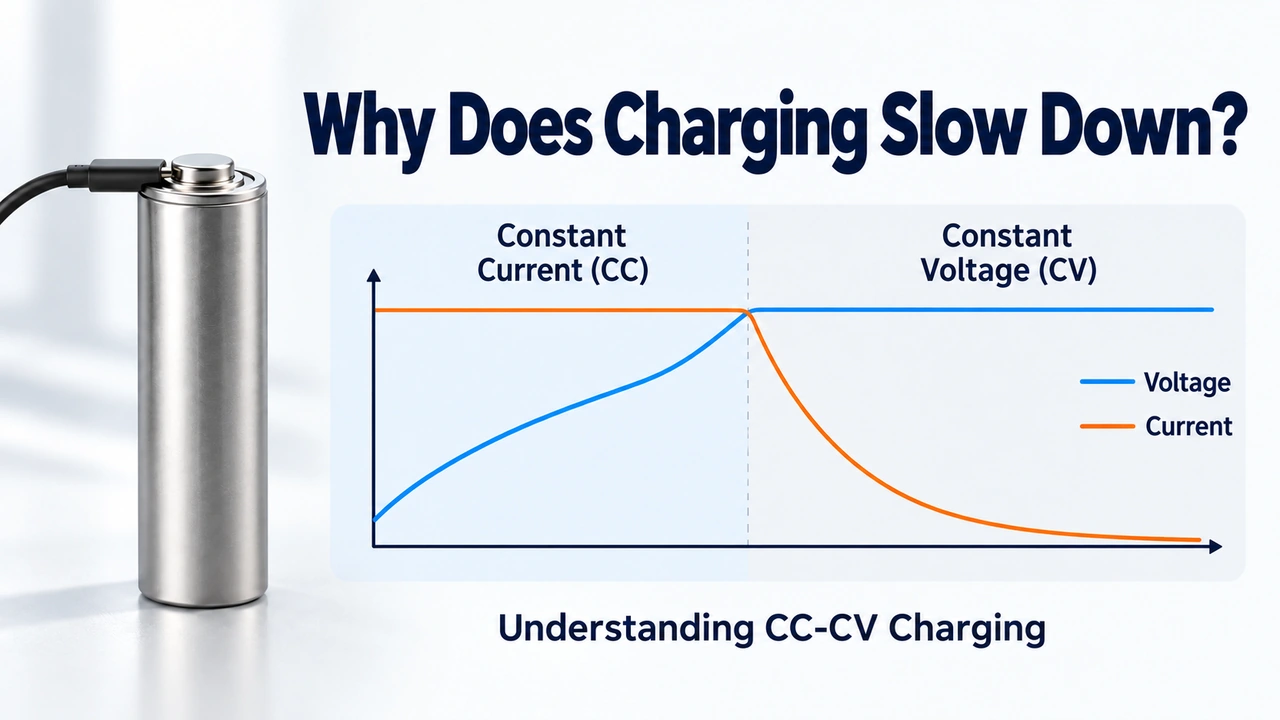
High-performance robots represent significant investments. Users expect 3-5 years of service life, requiring batteries to withstand over 2,000 deep charge-discharge cycles.
Wide temperature adaptability
Robots operate in diverse environments; batteries must maintain stable output from -20°C to 60°C.
Battery testing technology: ensuring embodied ai reliability
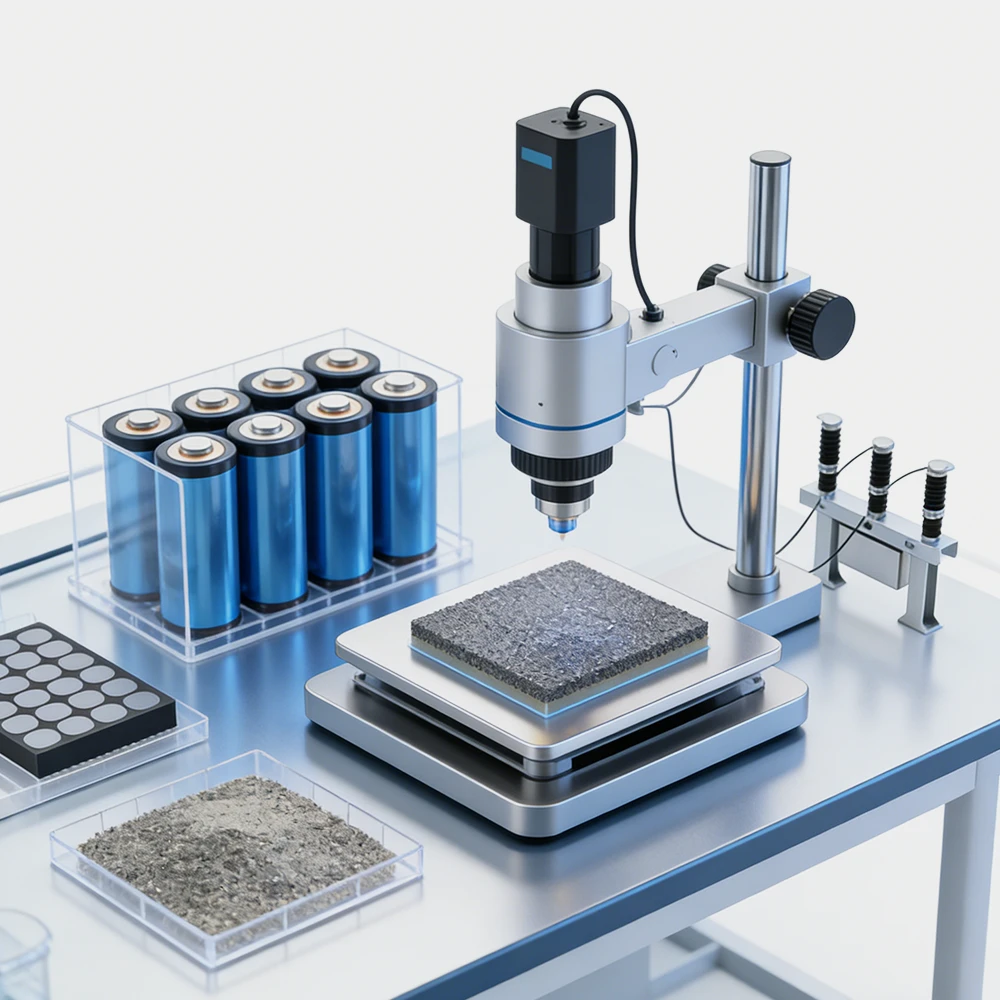
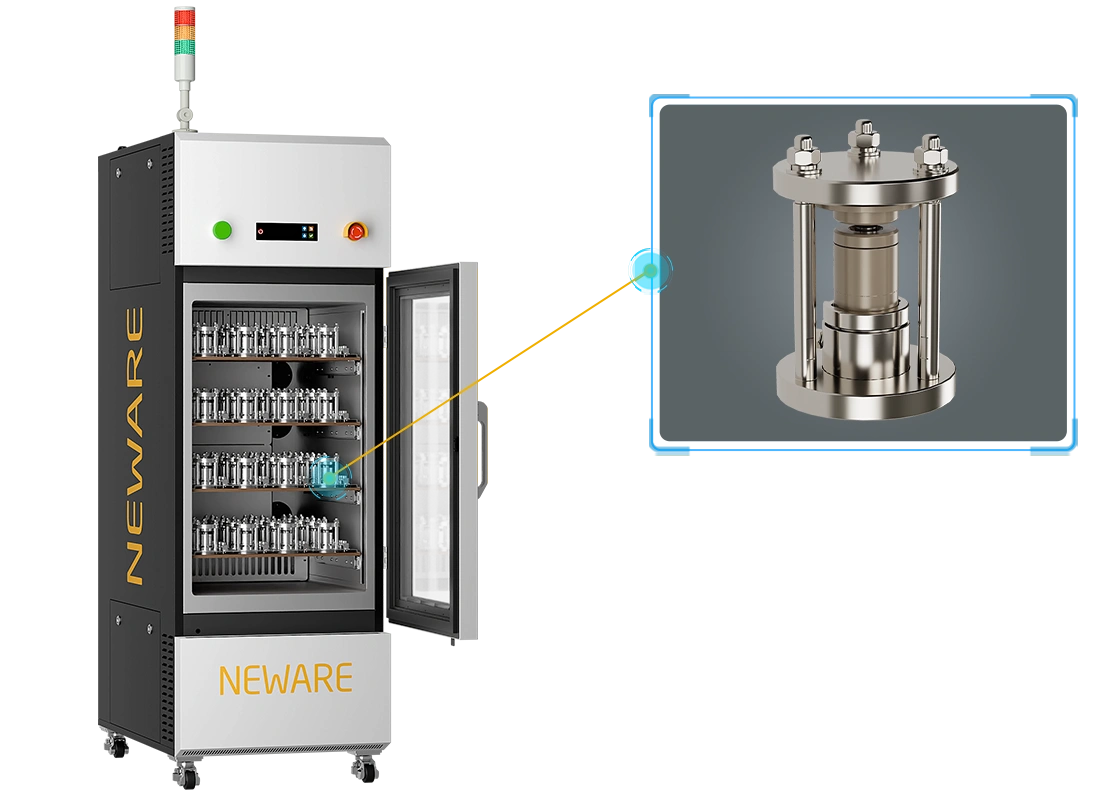
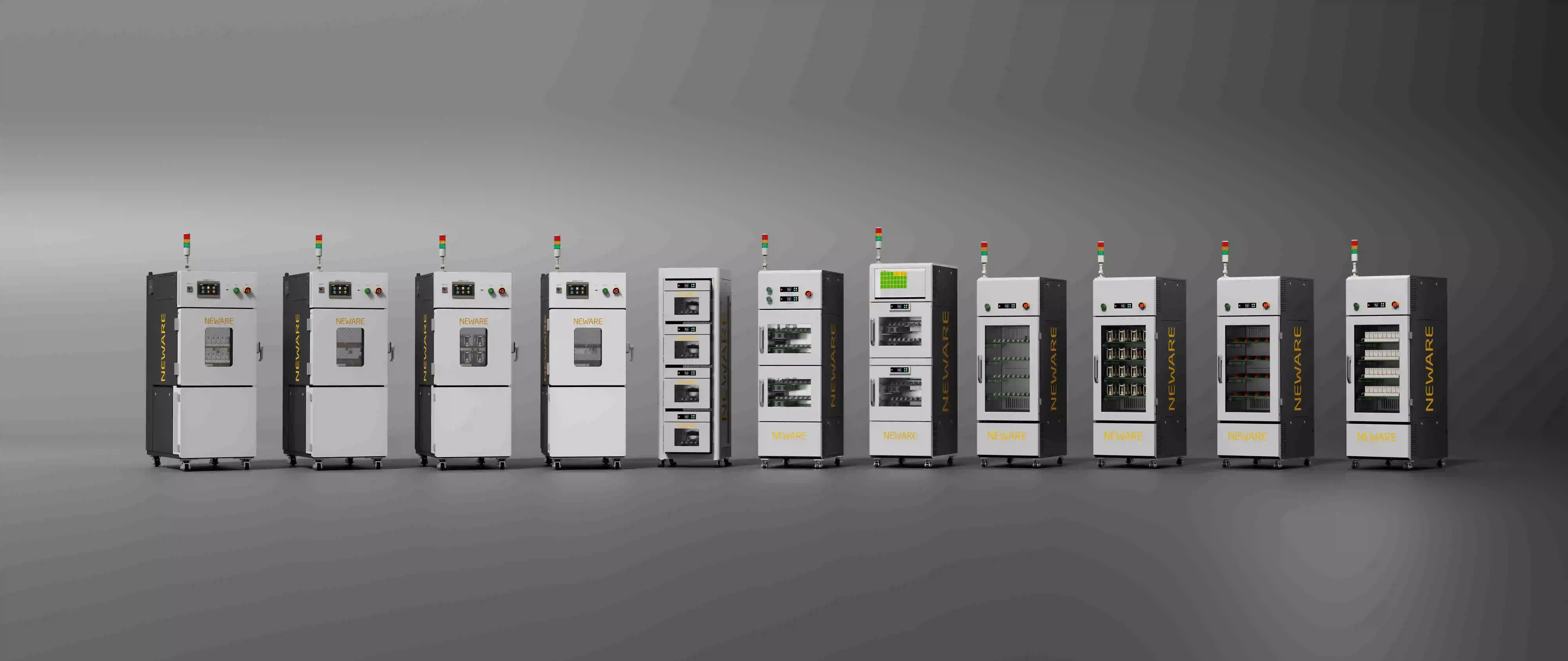
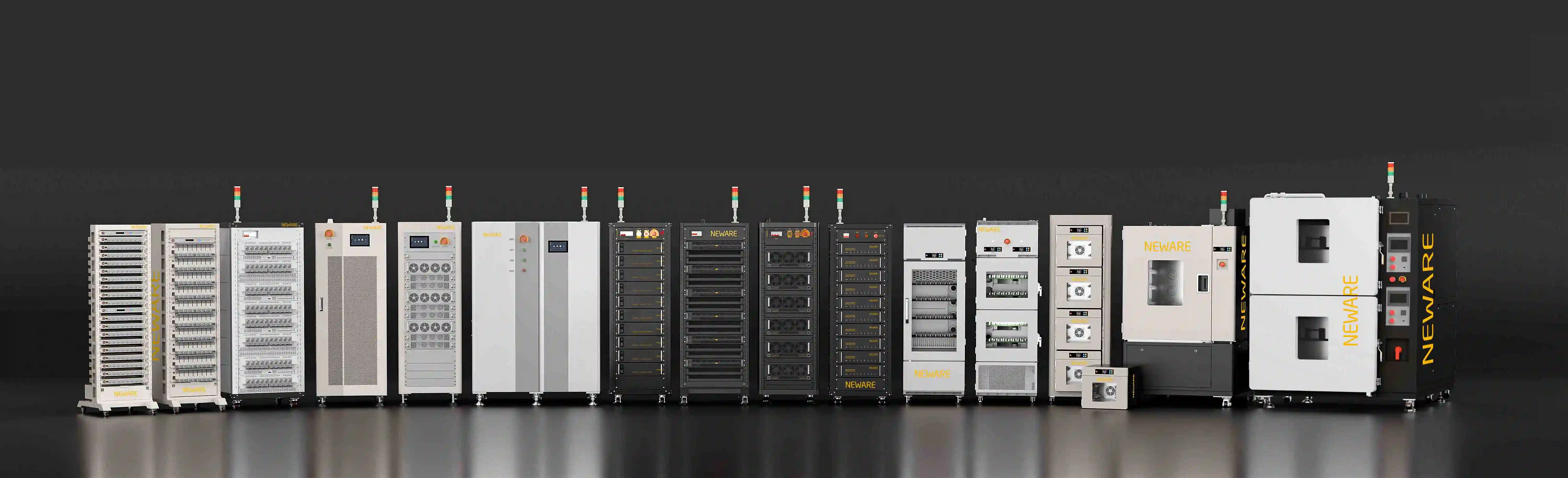
To ensure power batteries meet the stringent requirements of embodied AI, professional battery testing systems are indispensable.
NEWARE's professional testing solutions for embodied ai:
Dynamic condition simulation testing
Accurately replicates current fluctuations in various robot scenarios
Simulates start-up, acceleration, climbing, braking, and other operating conditions
Validates battery stability under pulse discharge conditions
High-precision data acquisition
Millisecond-level sampling captures instantaneous current variations
Precisely measures key parameters including voltage, current, and temperature
Provides data support for BMS (Battery Management System) optimization
Full environmental adaptability testing
Temperature chambers simulate extreme operating conditions
Validates battery performance from -40°C to +100°C
Ensures reliable robot operation across global climate zones
Cycle life assessment
Accelerated life testing predicts battery service life
Analyzes degradation mechanisms to optimize battery design
Reduces customer maintenance costs over the product lifecycle
Future development trends in embodied ai
With continuous breakthroughs in AI algorithms and hardware technology, embodied AI is experiencing rapid development:
Large model empowerment
Large Language Models (LLM) are enhancing robot understanding and decision-making capabilities, enabling more natural and intelligent human-robot interaction.
Accelerated humanoid robot deployment
Products like Tesla Optimus and Figure 01 aredriving humanoid robots from laboratories toward commercial applications.
Localization of core components
The localization rate of servo motors, reducers, batteries, and other key components is increasing, continuously reducing costs.
Gradual standardization
Dedicated testing standards and specifications for embodied AI are being established, laying the foundation for industrialization.
Conclusion: embodied ai commercialization depends on reliable power systems
Embodied AI represents the inevitable trend of artificial intelligence evolving from the "digital world" to the "physical world." From smart vacuum cleaners to humanoid robots, these systems are transforming how we live and work.
However, even the most intelligent algorithms require a reliable "body" for execution, and the core of that body is the power battery. Only through rigorous, professional battery testing can we ensure every robot movement is precise, stable, and safe.
As a leading global brand in battery testing equipment, NEWARE is committed to providing high-precision, high-reliability battery testing solutions for the embodied AI industry, helping customers accelerate their product commercialization journey.
Learn More:
[Robot Battery Testing Case Studies]