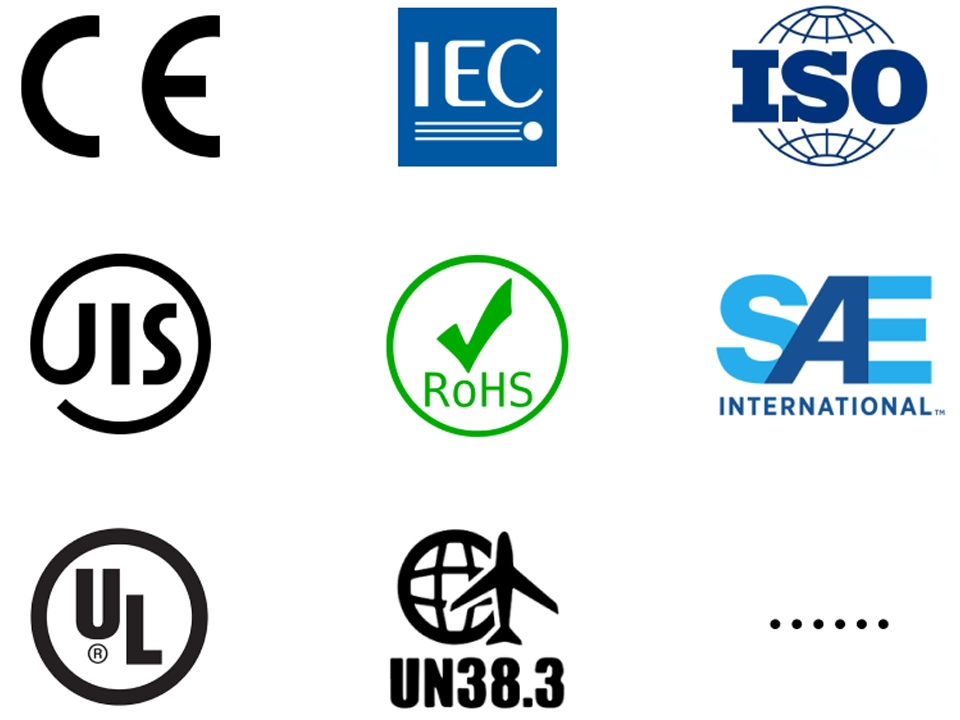
UL 1973: Safety standard for batteries used in light electric rail and stationary energy storage systems.
IEC 62619: Safety requirements for secondary lithium cells and batteries for industrial applications.
NFPA 855: Standard for the installation of stationary energy storage systems, covering safety spacing, fire protection, and electrical safety.
IEC 62485-3: Safety requirements and test methods for batteries used in energy storage systems.
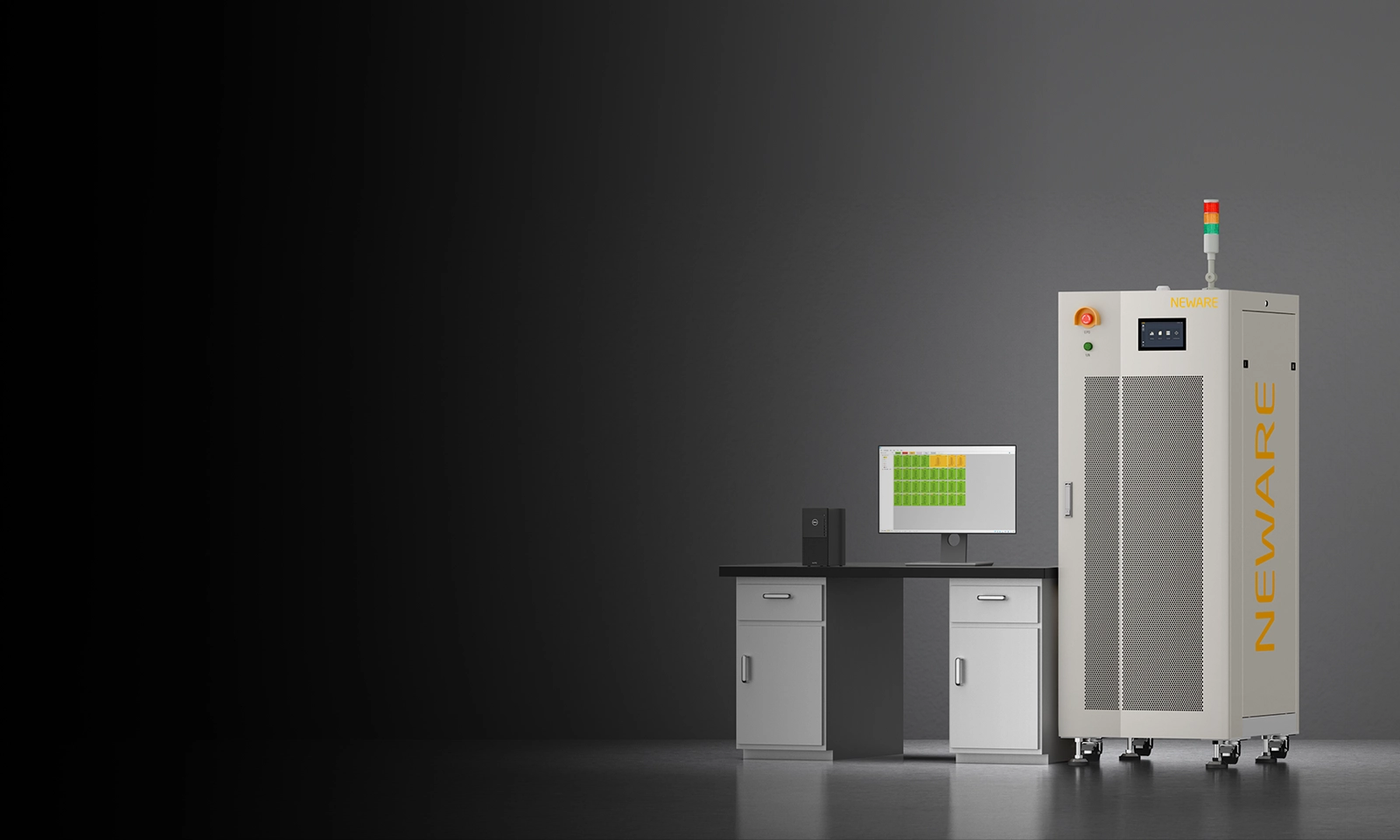
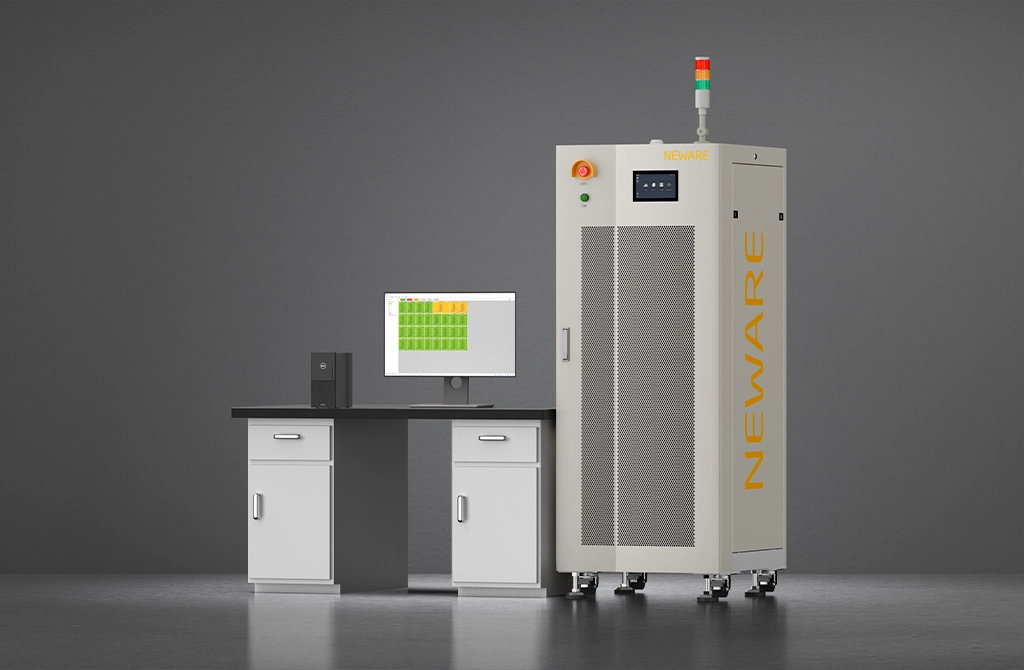
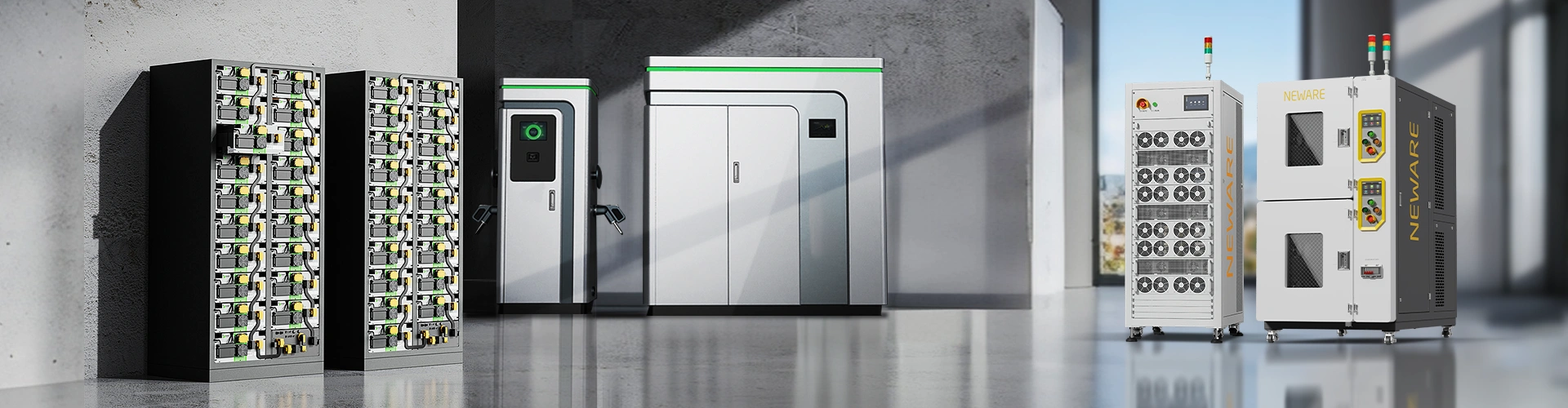
The CE-6000 Series delivers a complete testing solution for C&I ESS batteries, providing precise validation and smart data analysis from cell to system level.
1. Energy-saving regeneration: Its high-efficiency feedback module recovers and returns up to 75% of discharge energy to the grid, cutting operation costs.
2. Seamless BMS integration: Supports Ethernet, CAN, and RS485 communications. Direct BMS interaction via DBC files enables easy integration into complex systems.
3. Flexible scenario simulation: Custom charge/discharge and simulation programs replicate real-world conditions for R&D, debugging, and diverse operational needs.
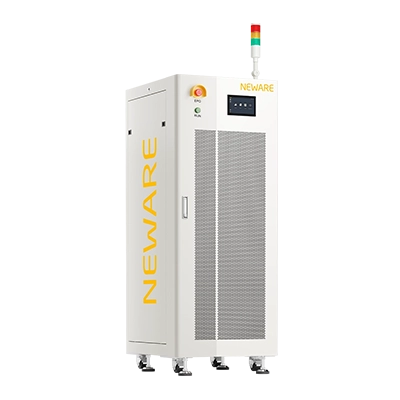
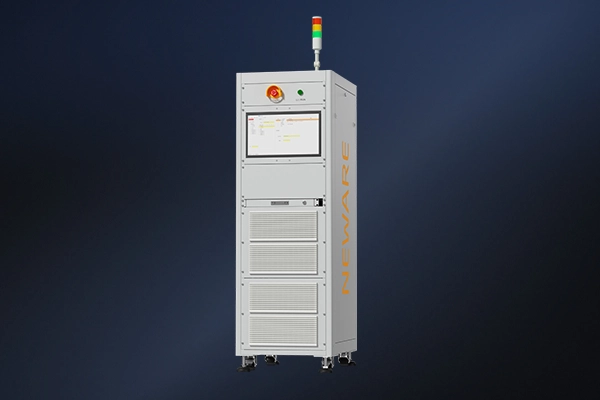
Voltage & Current Accuracy: ±0.05% F.S.
Recording Frequency: 100Hz
Current Conversion Time: ≤6ms
Current Response Time: ≤3ms
Minimum Pulse Width: 100ms
Feedback Efficiency (Max): 75%
* This product model has been updated.
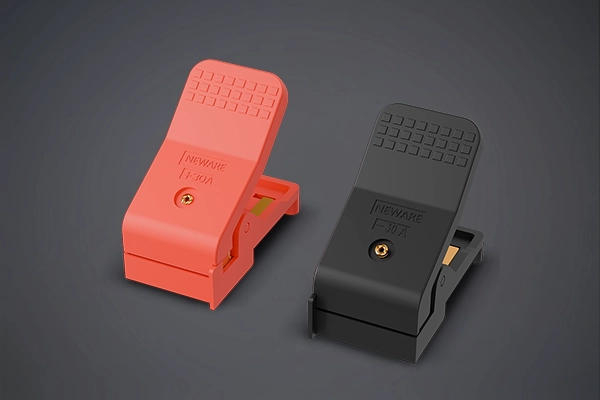

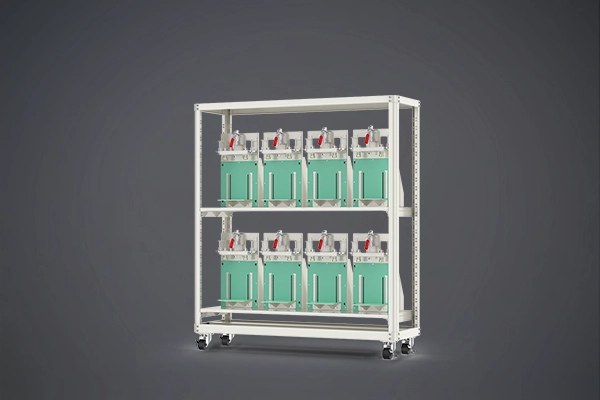
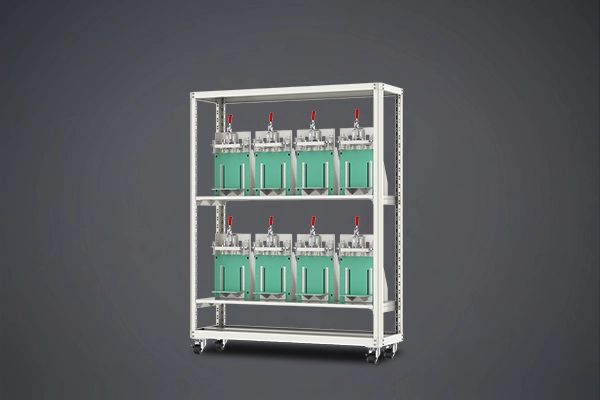
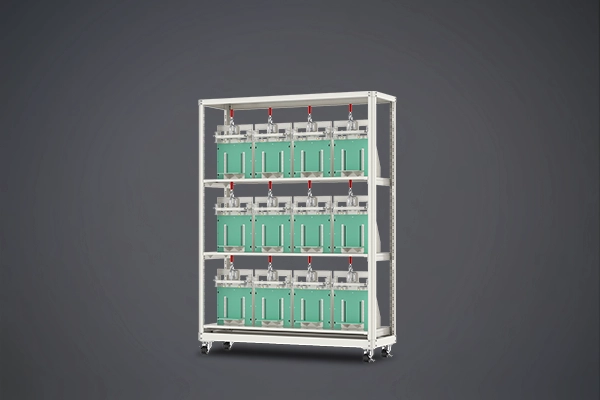
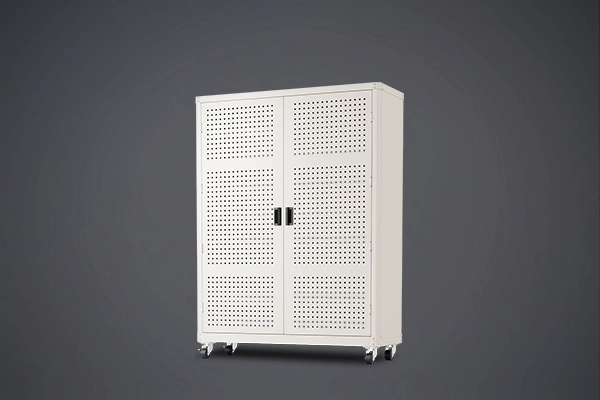
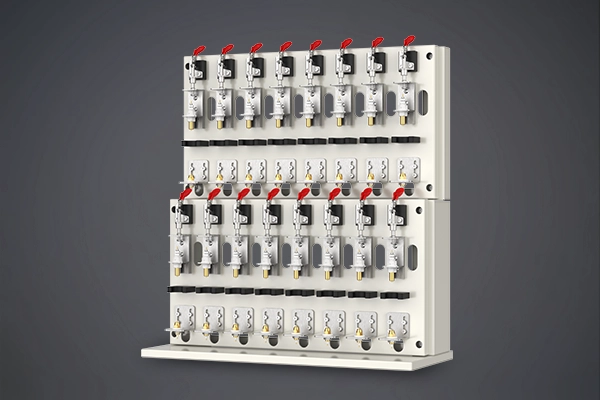
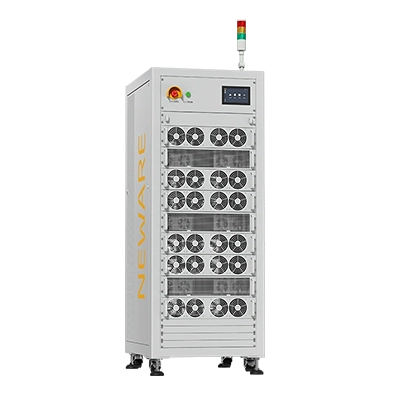
Voltage & Current Accuracy: ±0.02% F.S.
High-Frequency Sampling: 200Hz
Current Conversion Time: ≤2ms
Current Response Time: ≤1ms
Minimum Pulse Width: 10ms
Feedback Efficiency (Max): 75%
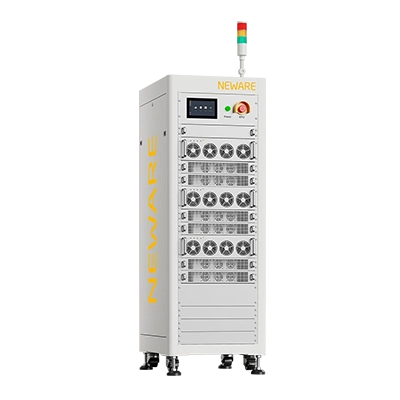
Current Accuracy: ±0.05% F.S.
Voltage Accuracy: ±0.02% F.S.
Recording Frequency: 100Hz
Current Conversion Time: ≤6ms
Current Response Time: ≤3ms
Minimum Pulse Width: 100ms
Feedback Efficiency (Max): 90%
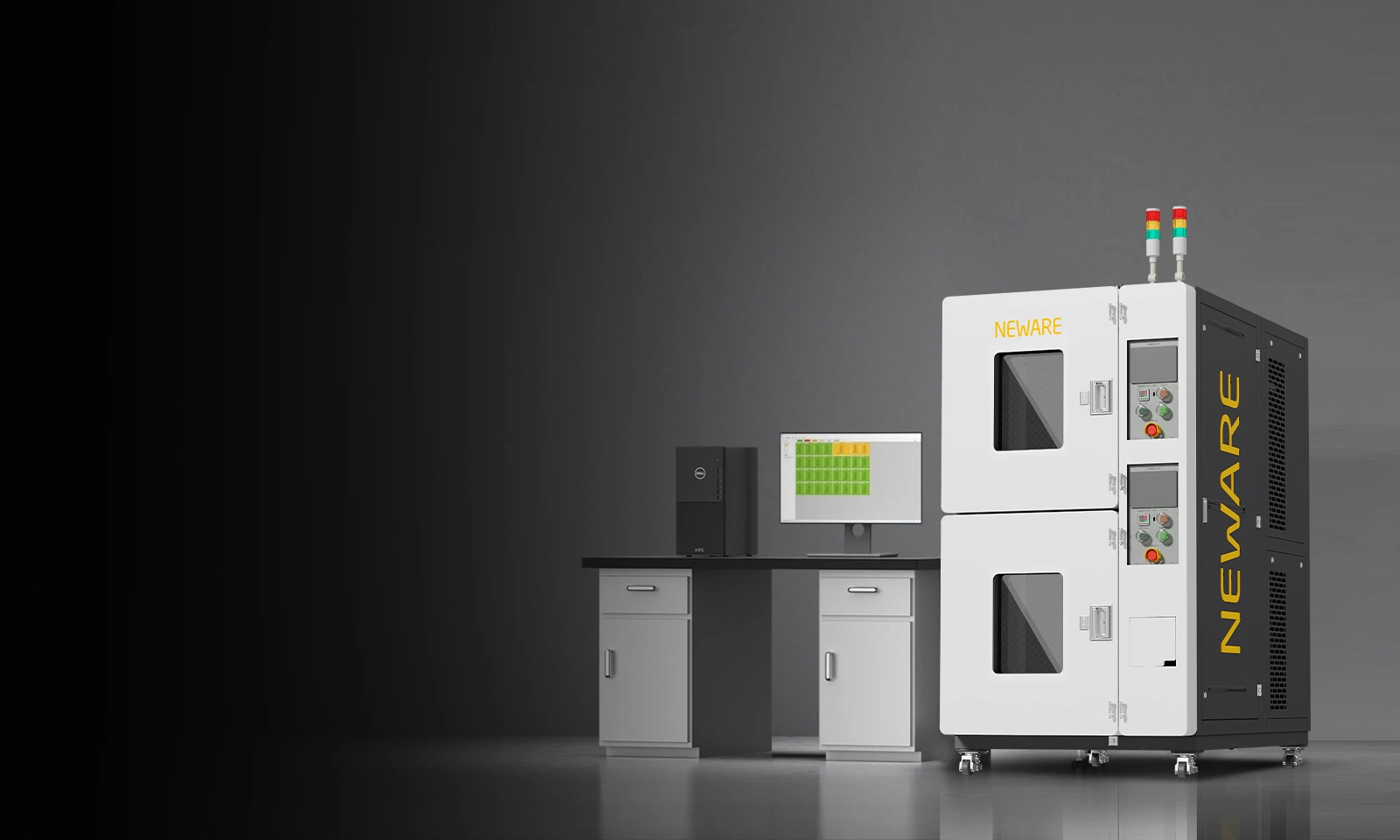
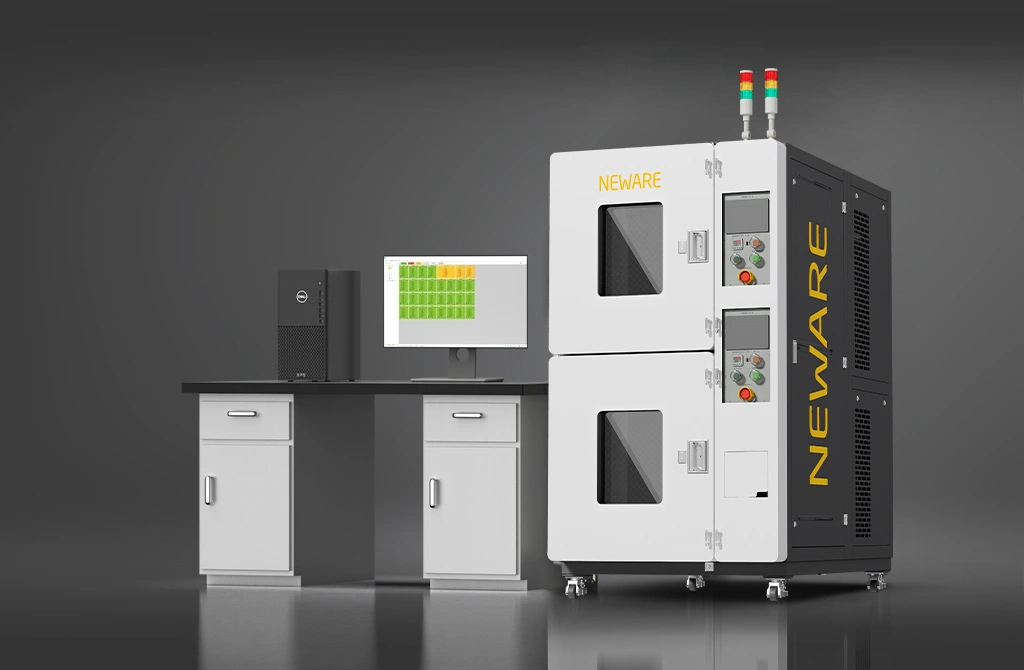
The All-in-One Series integrates charge/discharge control with high/low-temperature environmental simulation in a single device. This greatly simplifies test setup, saves lab space, and reduces the operational complexity of managing multiple devices.
1. The all-in-one system covers a wide temperature range from -70℃ to +150℃, enabling comprehensive validation of C&I ESS battery performance and reliability under extreme environmental conditions.
2. Precise data synchronization: BTS software automatically synchronizes charge/discharge data with temperature data in real-time, ensuring accurate analysis and consistent assessment of temperature's impact on battery performance.
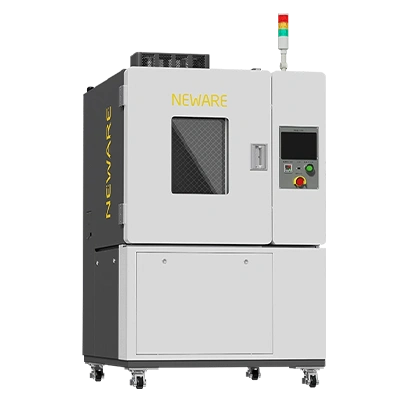
Volume: 200L
Space for Test System: 6U
Temperature Fluctuation: ≤0.9℉ (0.5℃)
Temperature Deviation: ±3.6℉ (±2℃)
Heating Time: 68°F ~ 302°F≤60min
(20℃ ~ 150℃≤60min)
Cooling Time: 68°F ~ -40°F≤60min
(20℃ ~ -40℃≤60min)
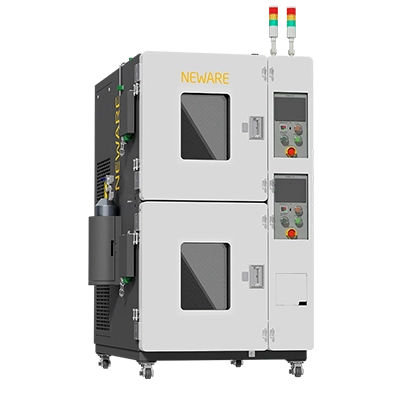
Volume: 200L*2
Space for Test System: 12U
Temperature Fluctuation: ≤0.9℉ (0.5℃)
Temperature Deviation: ±3.6℉ (±2℃)
Heating Time: 68°F ~ 302°F≤60min
(20℃ ~ 150℃≤60min)
Cooling Time: 68°F ~ -40°F≤60min
(20℃ ~ -40℃≤60min)
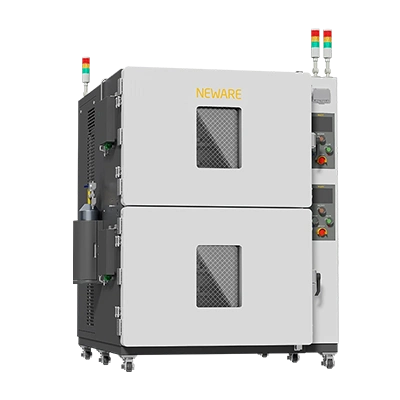
Volume: 400L*2
Space for Test System: 32U
Temperature Fluctuation: ≤0.9℉ (0.5℃)
Temperature Deviation: ±3.6℉ (±2℃)
Heating Time: 68°F ~ 302°F≤60min
(20℃ ~ 150℃≤60min)
Cooling Time: 68°F ~ -40°F≤60min
(20℃ ~ -40℃≤60min)

Volume: 400L*2
Space for Test System: 32U
Temperature Fluctuation: ≤0.9℉ (0.5℃)
Temperature Deviation: ±3.6℉ (±2℃)
Heating Time: 68°F ~ 302°F≤60min
(20℃ ~ 150℃≤60min)
Cooling Time: 68°F ~ -40°F≤60min
(20℃ ~ -40℃≤60min)
* This product model has been updated.
August 09, 2024
September 09, 2024
September 12, 2025
June 26, 2024