With the development of Internet of Things (IoT) technology, educational consumer electronics are increasingly integrating intelligent sensors and wireless communication modules. These modules typically require low-power design, and small-current testing technology can be used to verify the power consumption performance of these devices. It not only helps improve product performance and safety but also provides technical support for teaching experiments, research and development optimization, and functional assessment.

Find your tester by applications

Education Battery Verification Platform

From electrochemical principles to hands-on experimentation — a complete teaching platform for universities, vocational schools, and research laboratories.

Validation Stage

Experimental Design & Safety Review. Students define experiment objectives, select test methods (CC-CV, rate capability, cycle life, CV, EIS, GITT), and establish acceptance criteria. A mandatory safety review covers lithium battery handling risks, electrolyte hazards, required PPE (gloves, goggles, lab coat), and emergency procedures including fire extinguisher locations and spill kits.

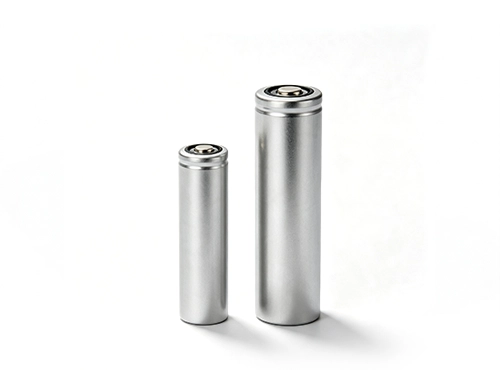
Cell Preparation / Selection. Depending on the experiment, students either assemble coin cells (CR2032) in a glove box following standardized procedures (electrode punching, separator cutting, electrolyte dispensing, crimping), inspect pre-assembled pouch cells for physical defects, or select commercial cylindrical cells and record their initial OCV and dimensions. Each cell is labeled with a unique ID for traceability.

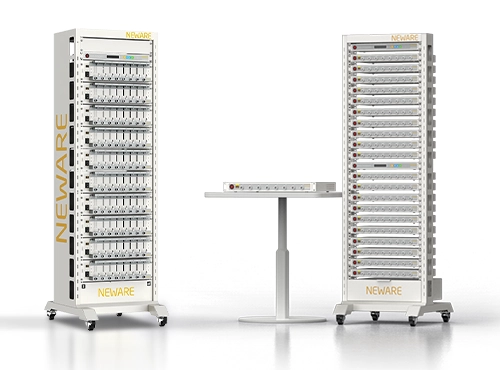
Instrument Setup & Calibration. Students connect the cell to the testing system (4-wire sensing for accurate measurement), configure test parameters (voltage limits, current values, cut-off conditions, recording frequency), and verify the setup with a dry run. Calibration checks include verifying voltage accuracy with a reference source and confirming current output with a known load. The instructor verifies all settings before proceeding.

Charge-Discharge / Electrochemical Testing. Execute the planned experiments under instructor supervision. Basic charge-discharge tests (CC-CV cycling, capacity measurement) build foundational understanding. Advanced experiments include CV scans to identify redox peaks, EIS to measure impedance components, and GITT to calculate diffusion coefficients. Real-time data visualization helps students connect theory with observed behavior.

Data Analysis. Students export raw data (voltage, current, time, temperature, impedance spectra) and perform analysis: plot charge-discharge curves, calculate coulombic efficiency, extract rate capability trends, fit EIS Nyquist plots to equivalent circuits, and compute diffusion coefficients from GITT data. Comparison with literature values and theoretical predictions develops critical thinking skills.

Results Review & Reporting. Students compile findings into a structured lab report: introduction (background & objectives), experimental methods (cell specs, equipment, test parameters), results (plots, tables, statistical analysis), discussion (comparison with theory, error analysis, improvement suggestions), and conclusions. Group presentations and peer review sessions develop scientific communication skills.

Cell Format

Supporting coin cells, experimental pouch cells, small cylindrical cells, and teaching-custom cells — with integrated CV/EIS/GITT capabilities, standardized protocols, and multi-level safety protection.
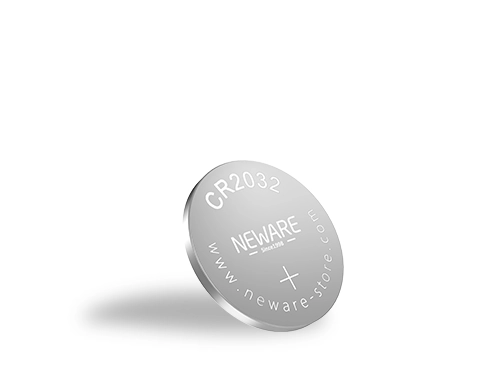
Coin cell

Coin cell

Cylindrical cell

Cylindrical cell

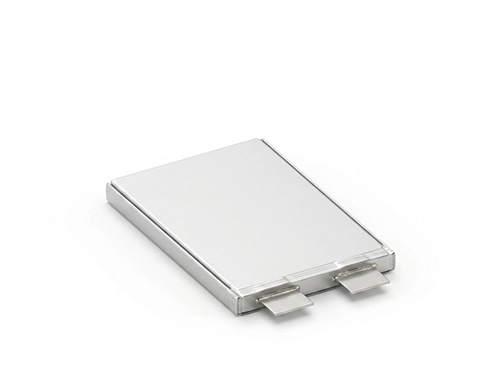
Pouch cell

Pouch cell

Complete Solution

Purpose-built for university laboratories and vocational training programs — from introductory experiments to advanced research projects.
Experimental Design & Safety Review
Test Protocol Formulation, Risk Assessment, PPE Requirements
Cell Preparation / Selection
Coin Cell Assembly, Pouch Cell Inspection, or Commercial Cell Selection
Instrument Setup & Calibration
Equipment Connection, Parameter Configuration, System Verification
Charge-Discharge / Electrochemical Testing
CC-CV Cycling, Rate Testing, CV Scans, EIS Spectra, GITT Pulses
Data Analysis
Curve Fitting, Statistical Analysis, Comparison with Theoretical Models
Results Review & Reporting
Lab Report Writing, Group Presentation, Peer Review

Applications

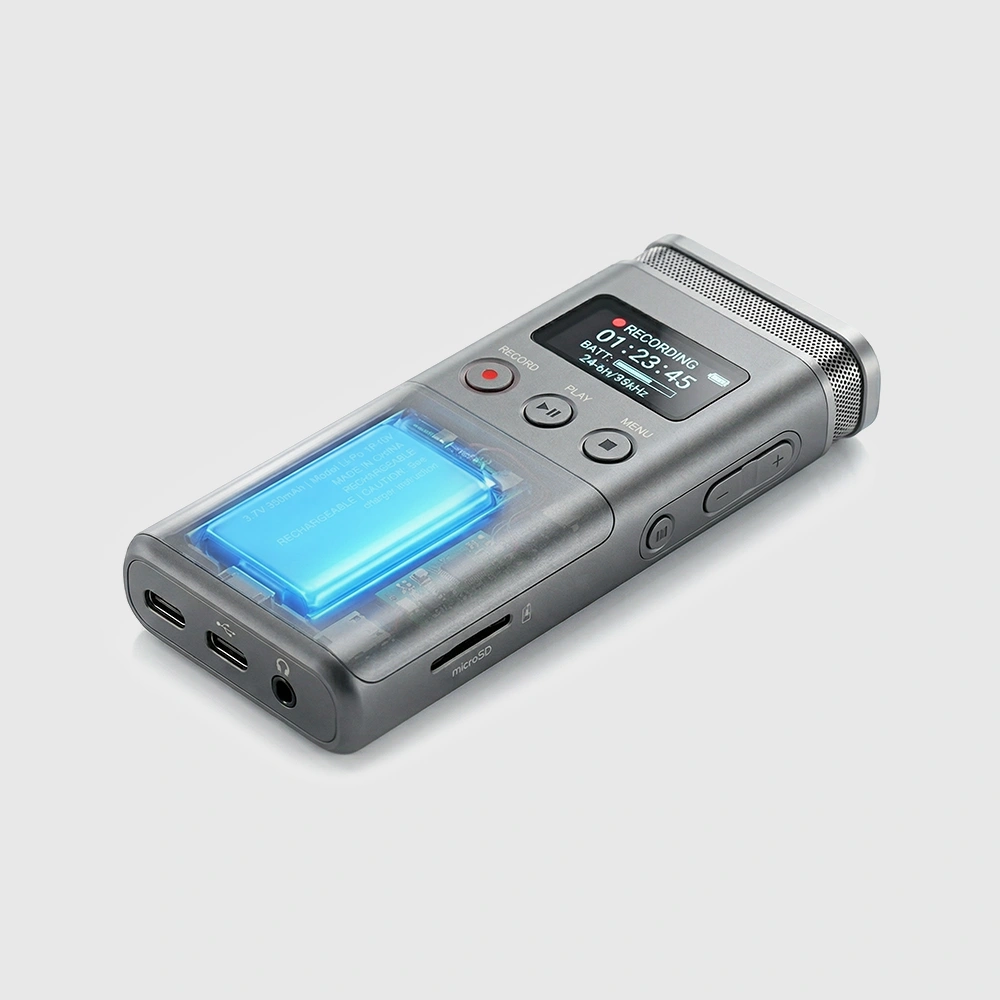
Voice Recorder Battery Testing Solution

Voice Recorder Battery Testing Solutions

The voice recorder industry is progressing towards longer endurance, lighter weight, and enhanced intelligence. Next-gen voice recorders will incorporate high-energy-density batteries, smart BMS integration, and novel energy solutions like solid-state batteries, enabling fast charging and ultra-long recording endurance.

  • Battery types: Lithium-ion (Li-ion), Lithium Polymer (Li-Po)

  • Battery shapes: Small pouch cells, small cylindrical cells

  • Voltage: Rated 3.7V, operating 3.0V - 4.2V

  • Current: Ultra-low power consumption, working mA-level, small current
Learn more
Desk Lamp Battery Testing list

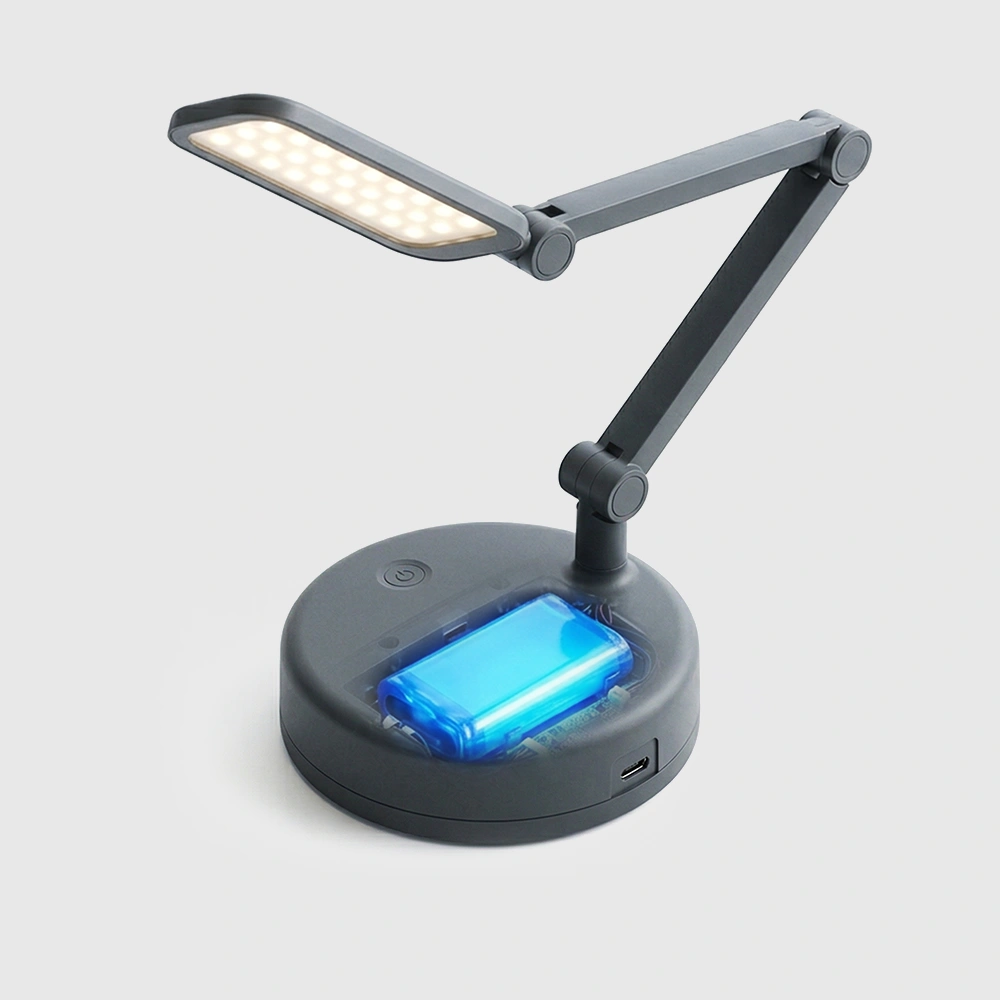
Desk Lamp and Smart Lighting Battery Test Solutions

The desk lamp industry is accelerating towards intelligentization and low-power consumption, with battery technology becoming a critical innovation driver. High energy density and long-cycle-life battery technologies provide enduring power support for smart lamps while promoting wireless and portable design advancements.

  • Battery types: Lithium-ion (Li-ion), Lithium Polymer (Li-Po)

  • Battery shapes: Small pouch cells, small cylindrical cells

  • Voltage: Single cell 3.2V/3.7V, system 3.7V/7.4V/11.1V

  • Current: Low-power constant current discharge, mA - 1A level
Learn more
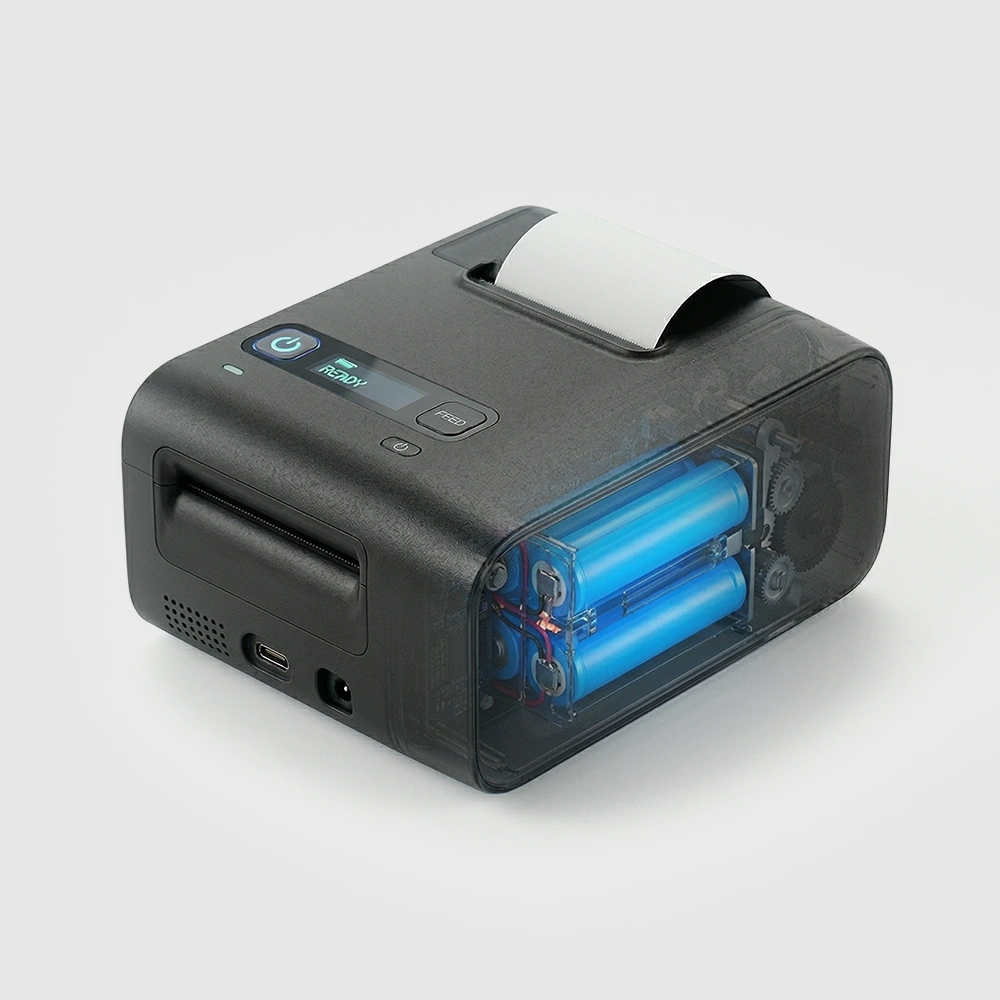
Portable Printer Battery Testing Solution LIST

Portable Printer Battery Test Solutions

With the development of technology, portable printing devices such as POS printers, pocket printers, and Polaroids have entered our lives, bringing convenience. Their portability is not only reflected in their compact size and easy carrying, but the advancement of battery technology has also improved their battery life. As a core component, the battery directly affects the mobility and practicality of the devices, so scientific and comprehensive testing of the battery is particularly important.

  • Battery types: Lithium-ion (Li-ion), Lithium Polymer (Li-Po)

  • Battery shapes: Small pouch cells, small cylindrical cells, integrated battery pack

  • Voltage: Rated 3.7V, working 3.0V - 4.2V, system 3.7V/7.4V/11.1V

  • Current: Intermittent high-current pulse discharge, mA - 2A level

Learn more

Accessory Equipment

Contact Us

For more product details, please contact the sales specialist on the right or provide your contact information in the form below. You can also to contact your local distributor for more information.
Name
Country
City Name
Company Name
Phone Number
Email Address *
Products
Model
Detailed Request
NEWARE and Cookies
We use cookies to personalize and improve your experience with our website. By continuing to browse the site you are agreeing to our use of cookies.