A complete verification workflow — from incoming cell screening to final product qualification — engineered for robot-specific performance and safety requirements.
Supporting cylindrical cells (18650/21700), pouch cells, small prismatic cells, and battery packs — with high-rate pulse discharge, dynamic load simulation, and BMS validation capabilities.
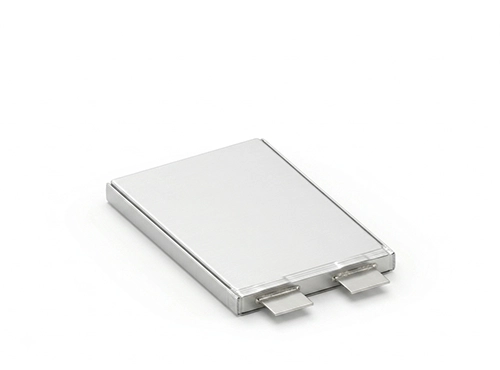
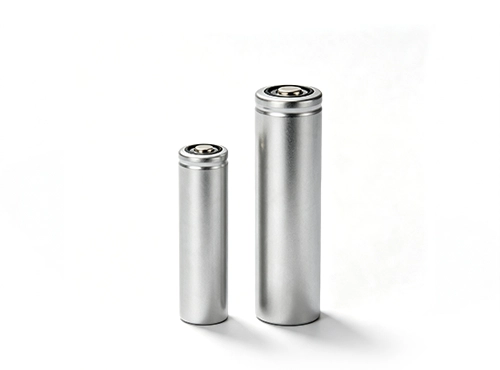
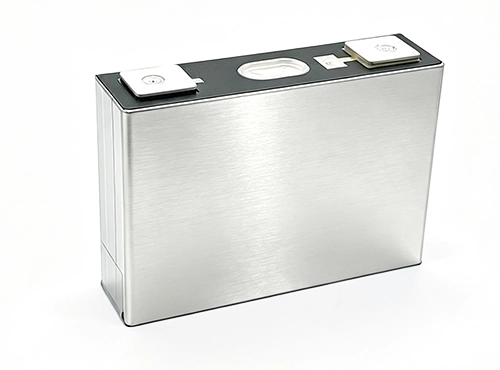
From cell-level research to pack-level qualification — NEWARE offers a scalable testing platform covering every stage of robot battery development.
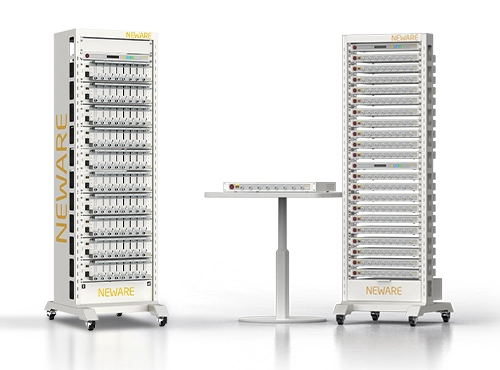
Covers cylindrical cells (18650/21700) and small prismatic cells with ±0.01% F.S. accuracy. 6-range auto-switching captures both micro-current self-discharge and high-current capacity tests.
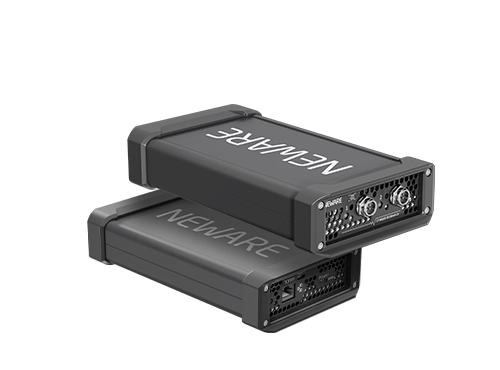
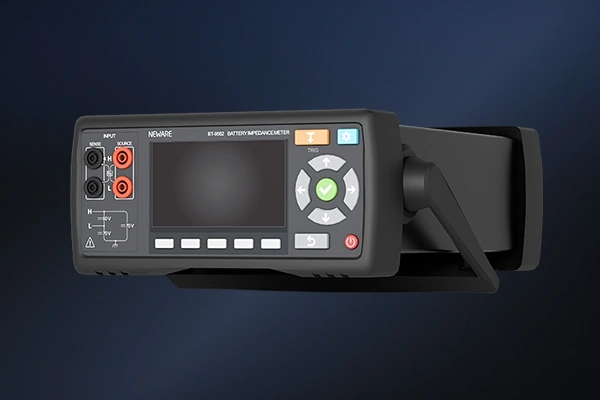
Combines charge-discharge with CV and pulse testing in one instrument. ≤20 μs current response and 1000 Hz sampling for precise initial impedance and rate capability assessment.
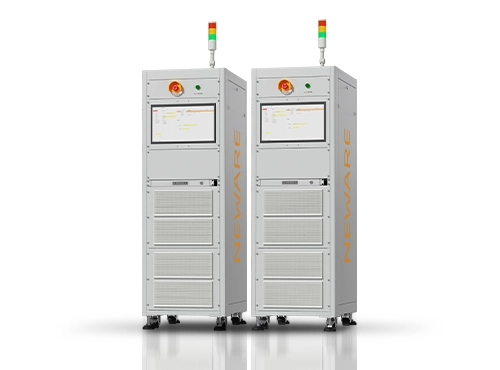
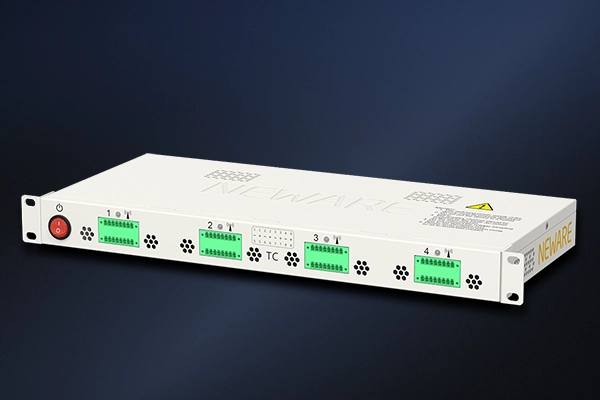
Replaces real battery packs with 24-channel cell simulation (0–6V/±0.5mV). Covers 17+ test scenarios including balancing, SOC algorithms, and multi-protocol communication (CAN, RS485, IIC, SMBus). Week-long tests completed in 5 minutes.
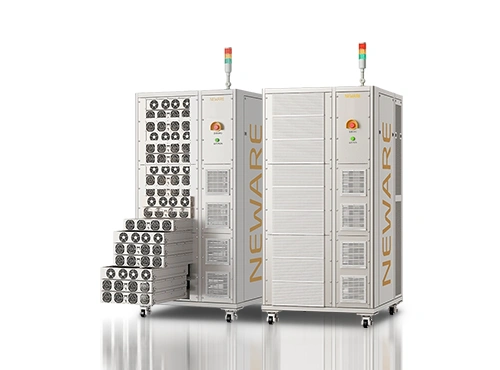
Supports up to 3000V for large robot battery packs. Built-in DBC converter for multi-standard BMS interfaces. Controls environmental chambers for combined temperature + electrical testing during qualification.
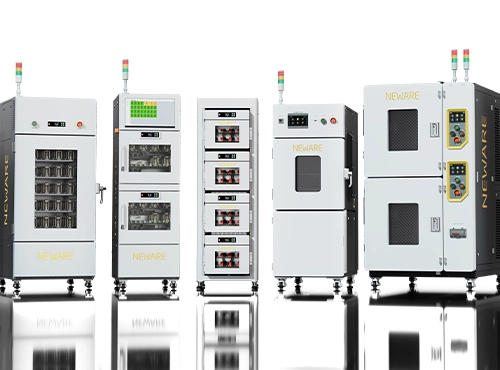
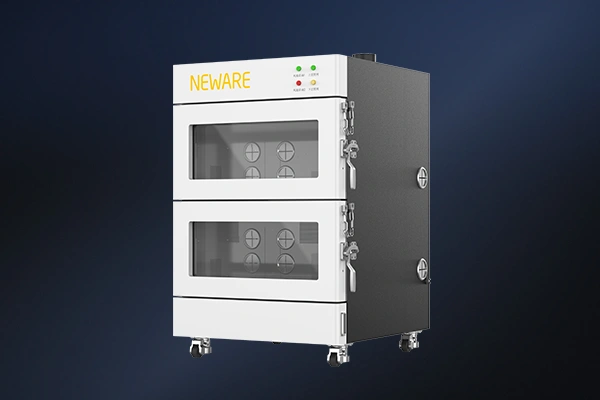
All-in-one system combining battery cycler with high/low temperature chamber (–40°C to +100°C). Up to 160 channels for high-throughput cycle-life testing. Explosion-proof design with automatic safety shutdown for unattended long-duration testing.







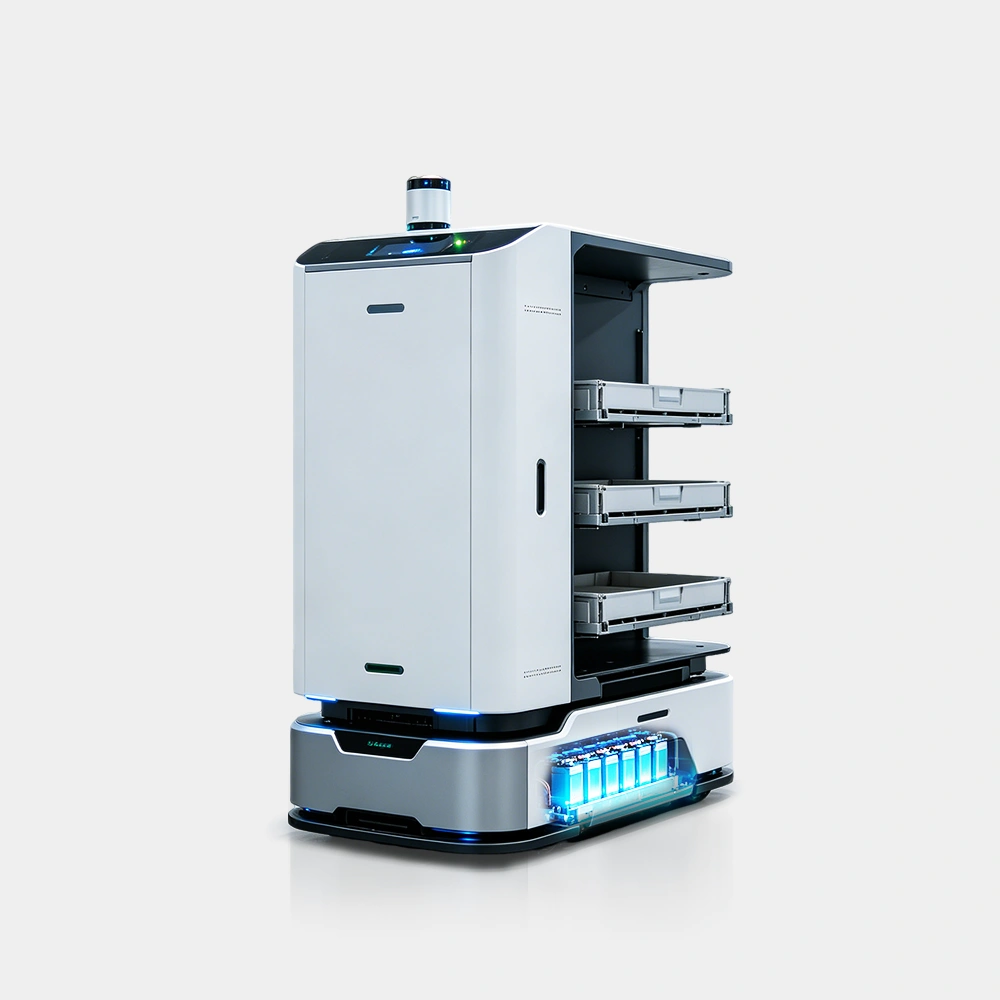
As manufacturing undergoes intelligent transformation, traditional single-function industrial robots face challenges, and the industry must address low-price competition and reliability tests. In the future, they will accelerate development toward multi-functionality, high precision, high load capacity, flexibility, and collaboration.
Battery types: Lithium iron phosphate (LFP), Ternary lithium battery (NCM / NCA)
Battery shapes: 18650/21700 cylindrical cells, prismatic cells, pouch cells, integrated battery packs
Voltage: System 24V/36V/48V/60V/72V/200V/800V, single cell 3.2V/3.7V
Current: Discharge 10A ~ 450A, high-rate discharge, frequent start-stop
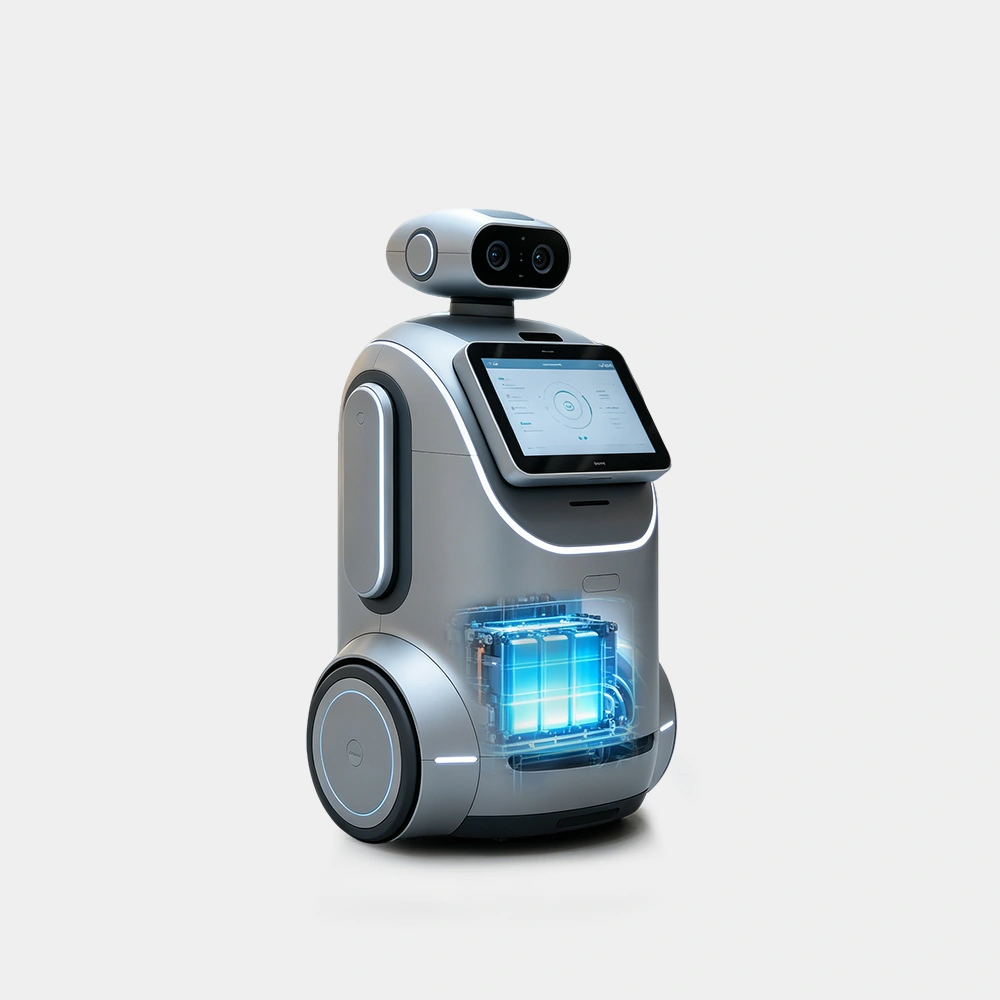
The civilian service robot industry is shifting from "parameter competition" to "scenario penetration." In the future, it will evolve toward modular universal chassis, AI-driven proactive services, and multi-scenario adaptability, transforming civilian robots from tools into family members.
Battery types: Lithium iron phosphate (LFP), Ternary lithium battery (NCM / NCA)
Battery shapes: 18650/21700 cylindrical cells, prismatic cells, pouch cells, integrated battery packs
Voltage: System 24V/36V/48V/60V/72V/100V, single cell 3.2V/3.7V
Current: Discharge 2A ~ 60A, alternating high-power and low-power discharge with frequent start-stop cycles
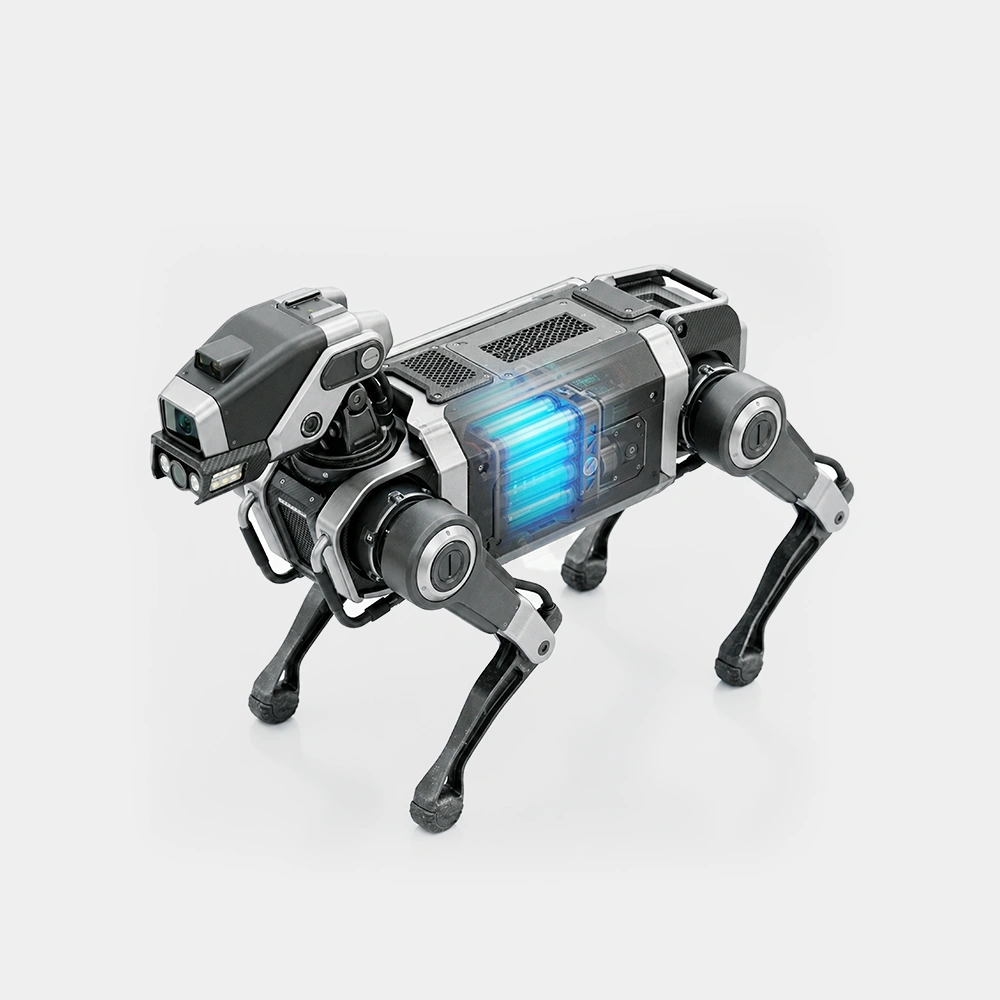
With the advancement of technology, special robots(eg: quadruped robot, inspection robot, fire-fighting robot and etc.) have been able to replace humans in most extreme working environments, ensuring human safety. However, due to the extremely harsh conditions they are exposed to, there are very high requirements for their stability, safety and reliability under high loads.
Battery types: Lithium iron phosphate (LFP), ternary lithium (NCM/NCA), lithium titanate (LTO)
Battery shapes: Cylindrical cells (e.g., 32700/32135), prismatic aluminum‑case cells (e.g., LF105/LF90), integrated battery packs
Voltage: 24V / 36V / 48V / 60V / 72V / 80V / 96V and above
Current: Continuous discharge 20–200A, peak 60–1000A, pulse discharge 1000–3000A
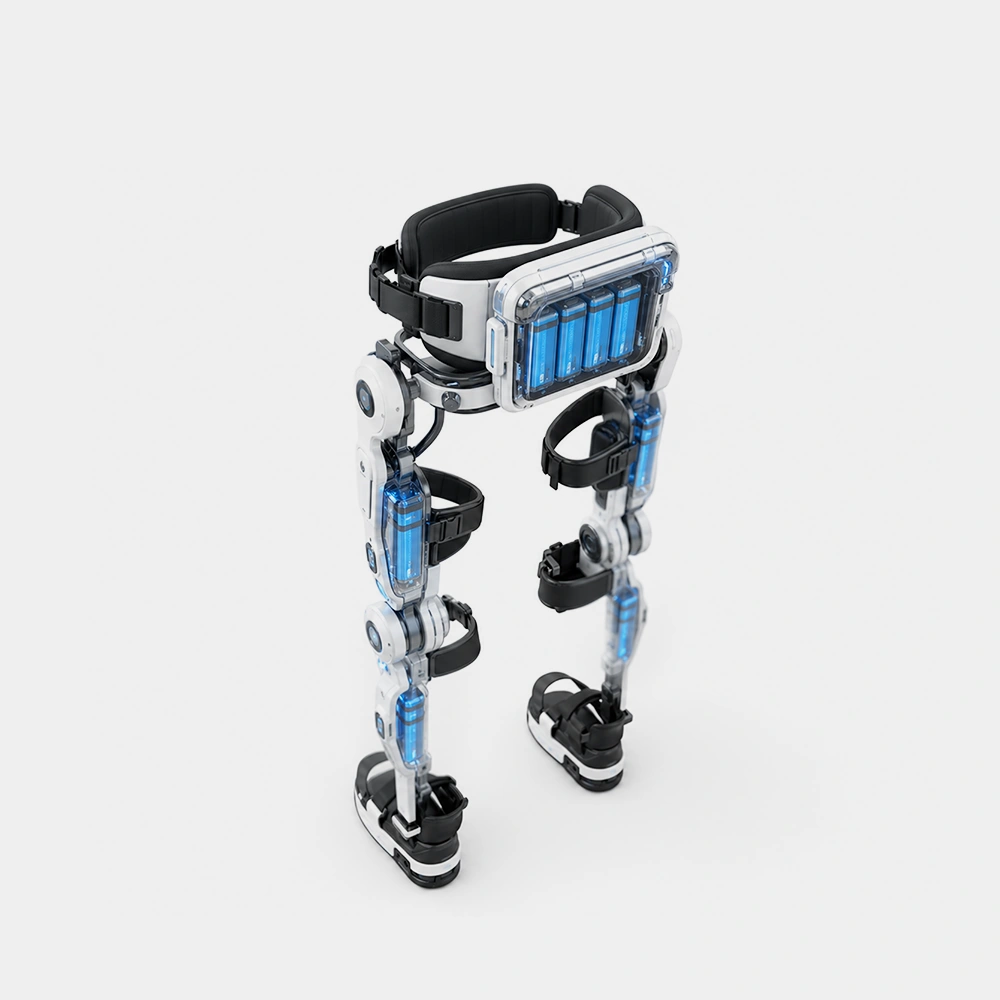
Medical care robots(e.g., rehabilitation & exoskeleton robots, daily living assistance robots, disinfection robots, guidance & companionship robots), driven by technological advances, are now capable of assisting humans in some special medical and nursing environments. However, because the scenarios they face are closely related to human safety, extremely high demands are placed on their stability, safety, and reliability under various operating conditions.
Battery types: Lithium iron phosphate (LFP), high-energy density ternary lithium (NCM), lithium titanate (LTO)
Battery shapes: 18650/21700 cylindrical cells, prismatic aluminum-case cells (LF105), pouch cells, integrated battery packs
Voltage: 3.2V (LFP) / 3.7V (NCM) / 12V / 24V / 36V / 48V / 60V / 72V / 96V / 152V
Current: Continuous discharge 20A~60A, peak 60A~150A, instantaneous current can exceed 160A