From material characterization to prototype validation — a unified electrochemical platform for solid-state, lithium-metal, sodium-ion, and emerging battery chemistries.
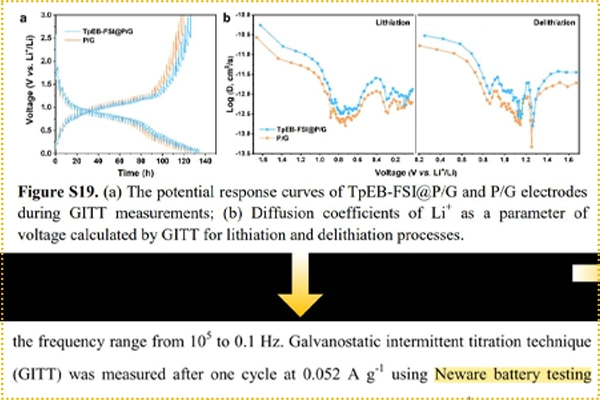
Supporting coin cells, experimental pouch cells, and custom-format prototype cells — with ultra-high precision (±0.01% F.S.), 1000 Hz sampling, and integrated CV/EIS/GITT capabilities.
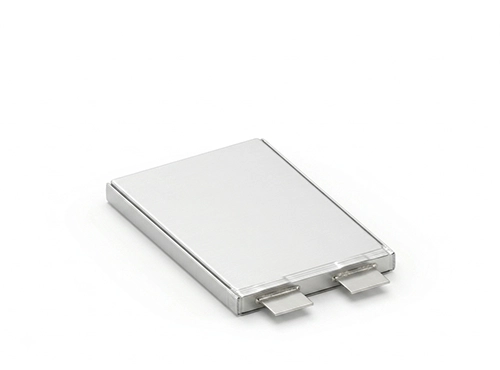
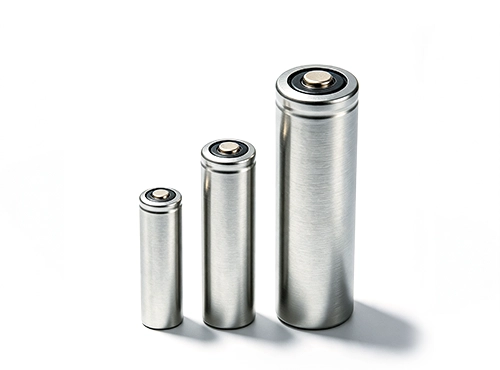
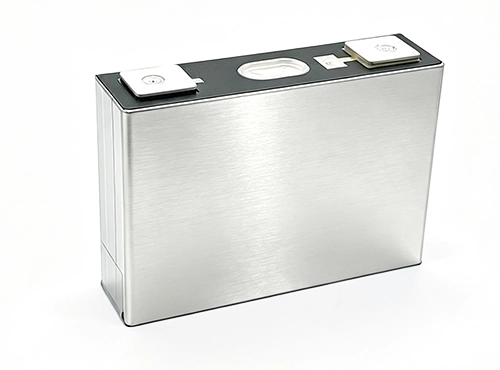
Purpose-built testing systems for every stage of battery research — from material screening to prototype validation.
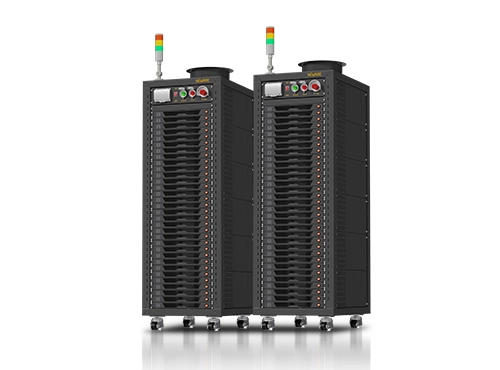
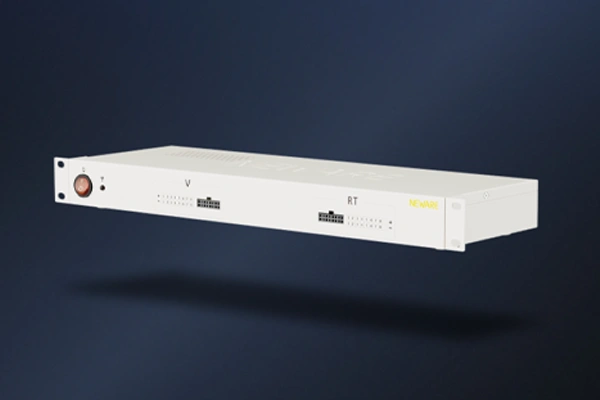
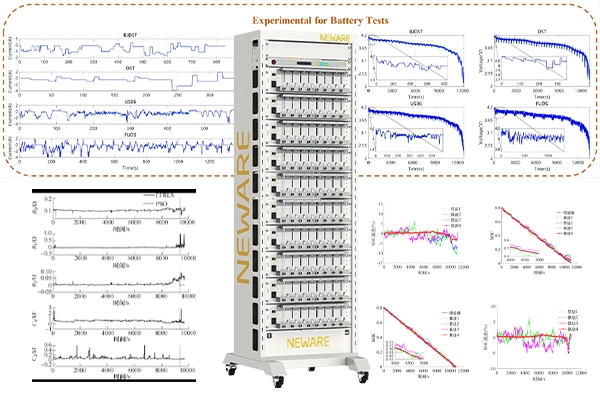
Multi-channel parallel testing ensures statistical significance for prototype validation with consistent accuracy across all cells.
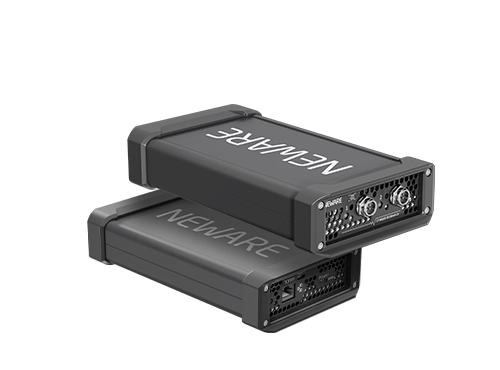
Post-cycling EIS sweep captures the complete impedance fingerprint. CV re-scan confirms redox peak shifts and new phase formation.
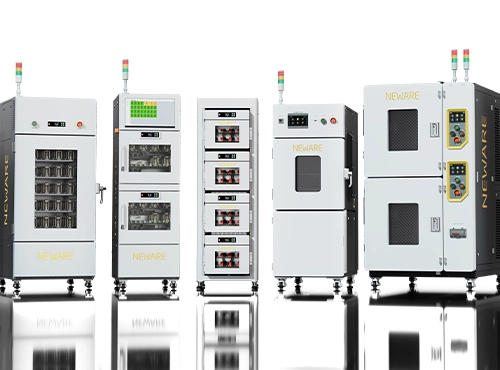
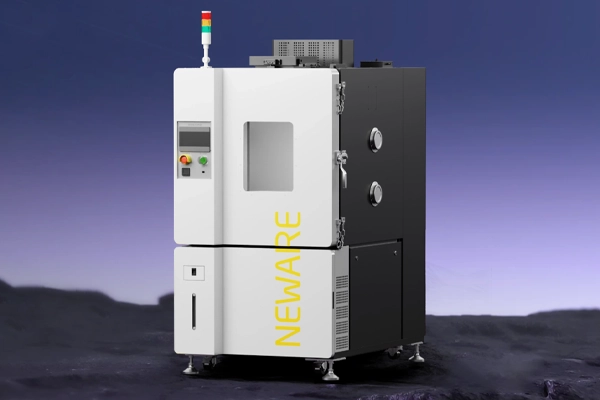
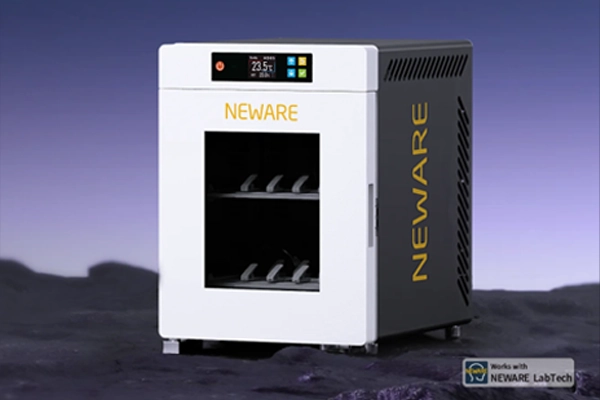
Precision temperature control + charge/discharge testing, for laboratory battery materials research.
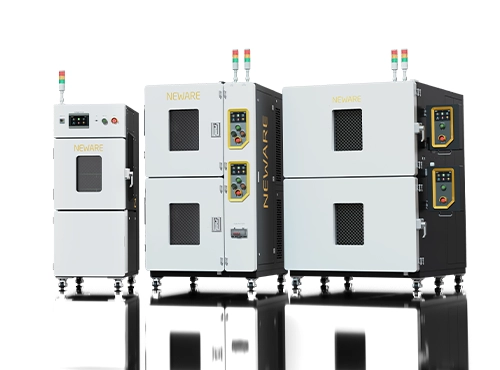
Integrated constant/high-low temperature chamber (-40°C to +100°C) with charge-discharge. Eliminates wiring complexity for thermal-aging experiments.









The lab focuses on solid-state battery research to overcome traditional lithium batteries' safety and energy density issues, supporting environmental sustainability. It develops innovative solid-state electrolytes, refines electrode materials, and investigates ion transfer and interface stability to revolutionize battery technology.
Battery types: Sulfide, Oxide, Polymer, Halide solid-state batteries
Electrode Materials:
Cathode: High-nickel NCM, Lithium-rich manganese, High-voltage oxide
Anode: Graphite, Silicon-carbon, Lithium metal anode
Voltage: Single cell 3.2V ~ 3.7V, system 300V ~ 1000V
Energy density: 400 ~ 500+ Wh/kg, high-safety & long-cycle
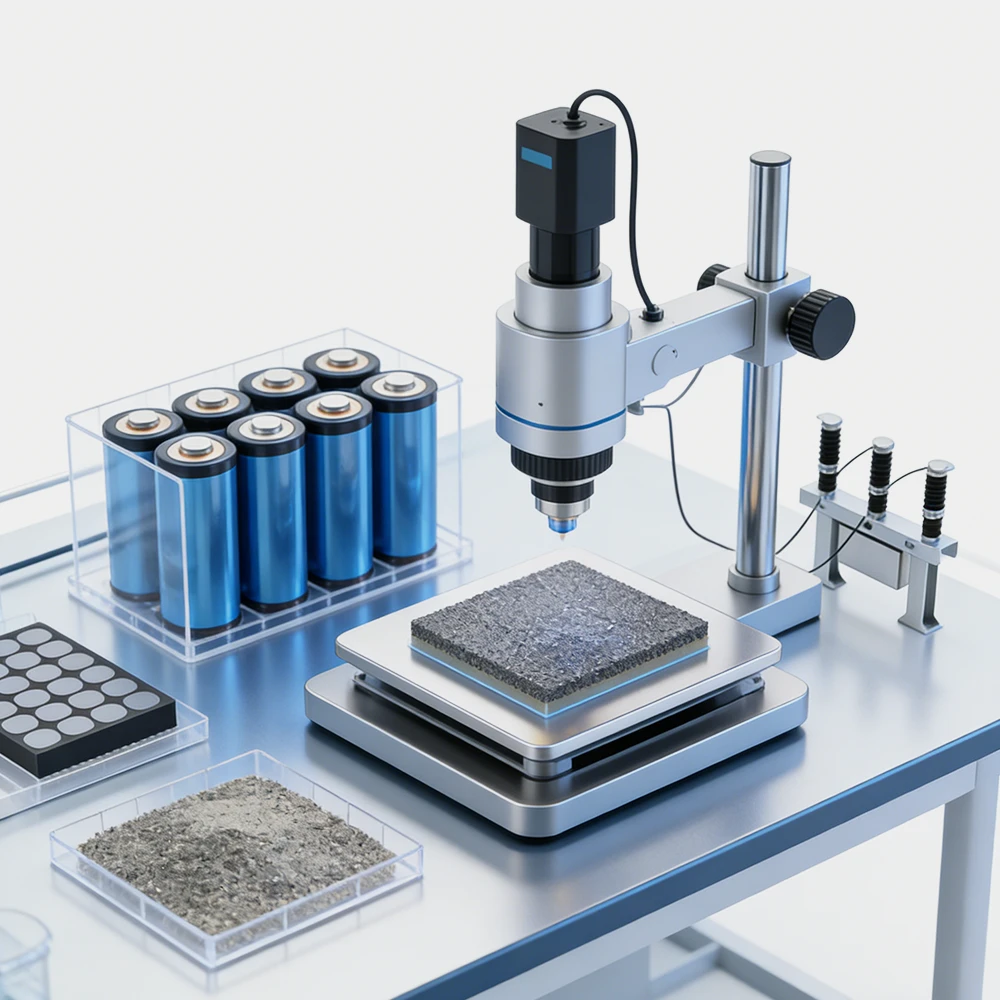
We specialize in battery preparation technology research, focusing on overcoming existing energy storage challenges by innovating in electrode materials, battery chemistry, and manufacturing processes to improve performance, enhance safety, and reduce costs. Sustainability and recycling technologies for batteries are also emphasized to mitigate environmental impacts and foster the growth of green energy.
Cathode Materials: LFP (LiFePO₄), NCM/NCA, High-Nickel NCM, Lithium-Rich Manganese (LRM)
Anode Materials: Graphite (Artificial/Natural), Silicon-Based (Si/C, SiOₓ), Hard Carbon, Lithium Metal
High-precision materials & cell test systems enable in-depth characterization of electrochemical performance, structural evolution, and interface stability, accelerating the R&D of next-gen lithium battery materials.
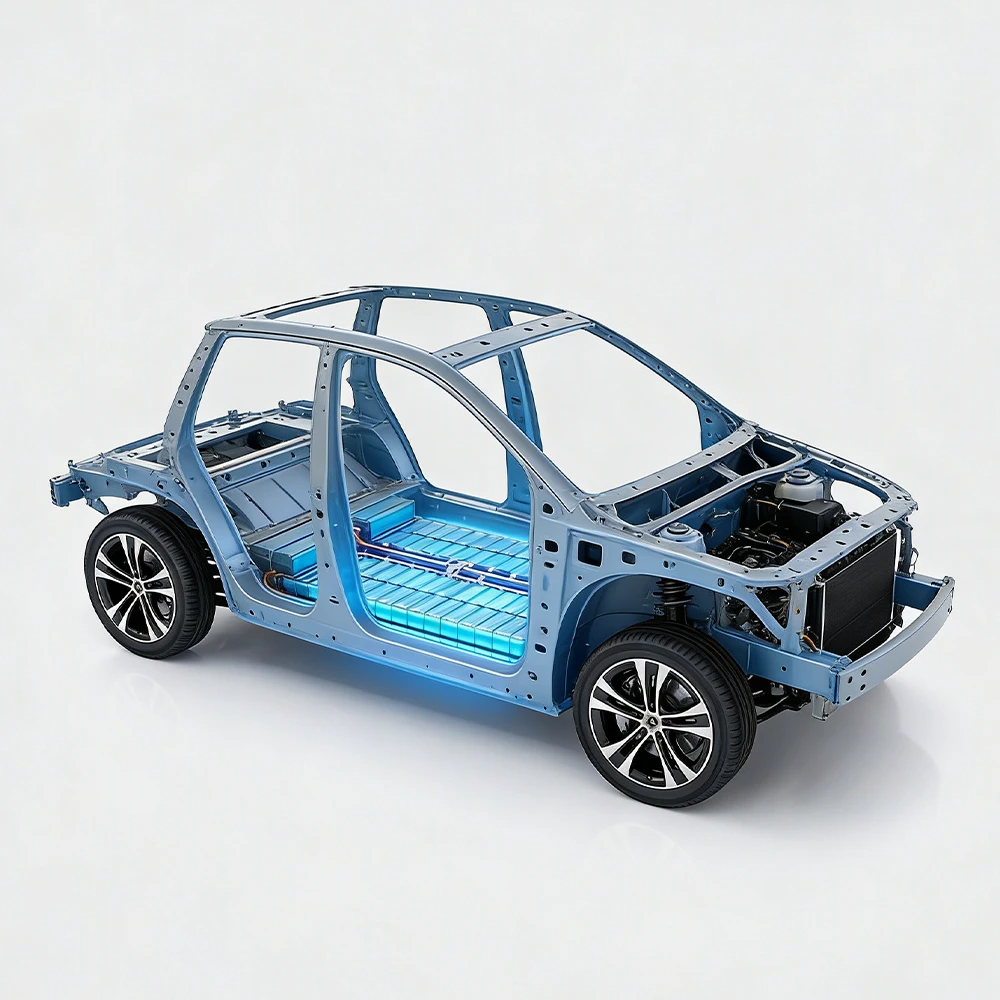
Power battery technology faces multiple challenges, including enhancing energy density, enabling fast charging, ensuring safety, and improving cost-effectiveness. Laboratory research focuses on addressing these issues in EV power batteries. Researchers explore advanced materials, intelligent management, and green recycling technologies to improve battery performance and ensure safety. These efforts promote environmental sustainability and aid the global energy transition.
Battery types: Lithium iron phosphate (LFP), Ternary lithium battery (NCM/NCA)
Battery shapes: Prismatic cells, pouch cells, cylindrical cells, modules & packs
Voltage: Single cell 3.2V/3.7V, pack voltage 300V ~ 1000V
Current: Charge/discharge 50A ~ 1000A+, high-rate & high-power discharge