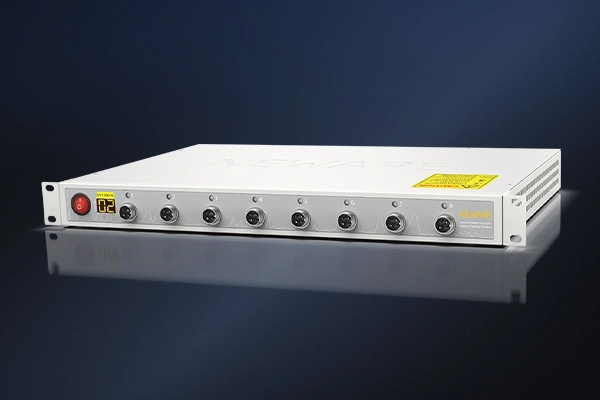
Medical devices require ultra-low self-discharge, long - life batteries with strict safety certification. Precise battery testing ensures critical devices like patient monitors and portable ultrasounds run safely and reliably.

Find your tester by applications

Medical Battery Verification Platform

From implantable pacemakers to portable diagnostic instruments — every medical battery demands uncompromising accuracy, traceable data, and validated safety across its entire service life.

Validation Stage

Incoming Inspection & Traceability. Each incoming battery lot is verified against supplier certificates of analysis (CoA). Open-circuit voltage, internal resistance (ACIR/DCIR), and physical dimensions are measured and recorded. Every sample receives a unique ID for full lifecycle traceability — from incoming inspection through final qualification.

Initial Capacity / Runtime Characterization. Establish baseline performance data: discharge capacity at rated current (25°C, standard conditions), energy delivery, and initial runtime estimation. For primary cells, this is a single-point measurement; for rechargeable Li-ion, includes initial formation cycles. Data establishes acceptance criteria for subsequent testing phases.

Application Load-Profile Testing. Program realistic load profiles matching the target medical device: standby μA currents, pulsed mA loads (e.g., motor activation in surgical tools, display bursts in monitors), and peak demand bursts. For hearing aids, simulate the specific Zn-air activation and speech-processing load pattern. Validation confirms voltage stability under dynamic conditions.

Storage / Self-Discharge or Cycle-Life. For primary cells (Li-MnO₂, Zn-air): multi-temperature storage testing (25°C/37°C/45°C) with periodic OCV monitoring to quantify self-discharge rate — critical for 10+ year implant battery life predictions. For rechargeable Li-ion: cycle-life testing with application-relevant DOD profiles, tracking capacity fade and impedance growth over hundreds of cycles.

Environmental & Reliability Testing. Medical batteries must perform across body temperature (37°C), room storage (25°C), and transport conditions (-20°C to +60°C). Temperature cycling tests (-40°C to +85°C per IEC 60068), humidity aging (85% RH), vibration simulation, and mechanical shock testing — all with simultaneous electrochemical monitoring to detect degradation in real time.

Safety / Compliance Verification. Comprehensive safety testing per IEC 62133 (portable lithium cells), IEC 60601-1 (medical electrical equipment), UL 2054 (household/commercial batteries), and FDA 510(k) documentation requirements. Tests include overcharge protection, external short-circuit, crush impact, thermal shock, forced discharge, and insulation resistance measurement.

Product Qualification. Compile comprehensive test reports with full statistical analysis: capacity distributions, cycle-life Weibull plots, self-discharge Arrhenius modeling, safety test pass/fail records, and environmental stress screening summaries. All data stored in LIMS with audit trail for regulatory traceability. Final qualification sign-off — the battery is approved for production use in the target medical device or submitted for regulatory clearance (FDA 510(k), CE Mark).

Cell Format

Supporting Li-ion, Li-MnO₂ primary cells, and Zn-air batteries — with μA-level precision, IEC/UL/FDA compliance workflows, and full LIMS data traceability.
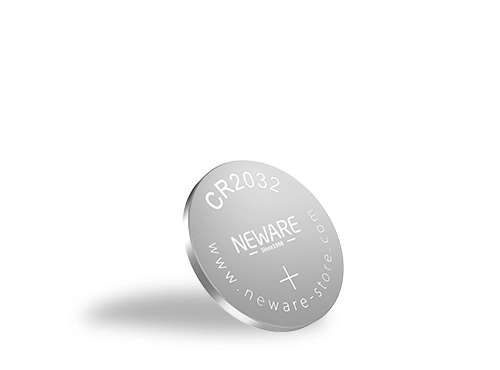
Coin cell

Coin cell

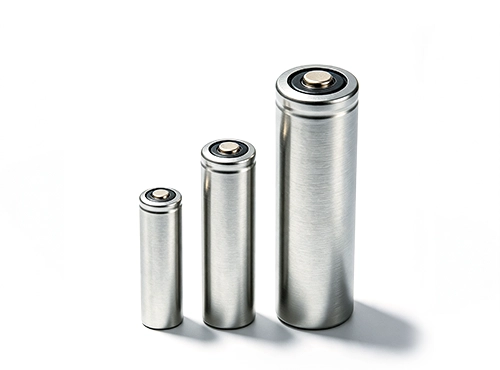
Cylindrical cell

Cylindrical cell

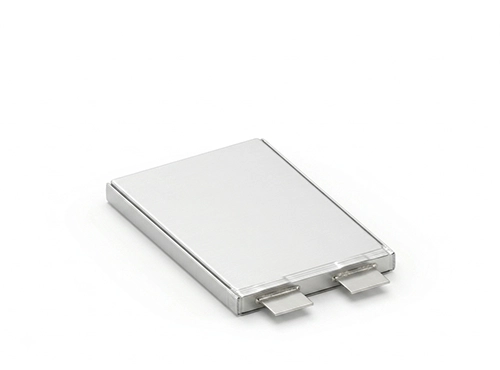
Pouch cell

Pouch cell

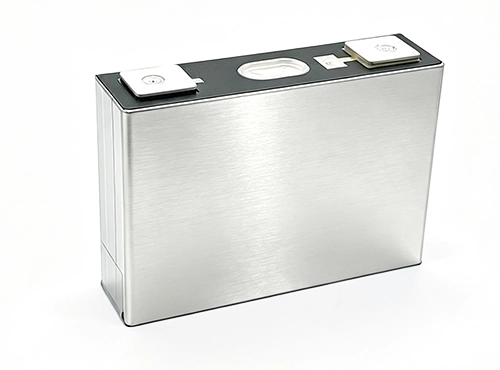
Prismatic cell

Prismatic cell

Complete Solution

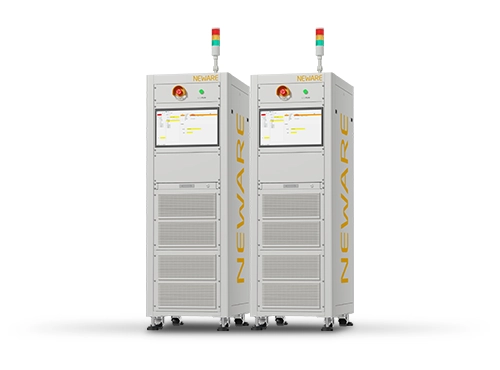
Purpose-built for the demanding requirements of medical battery validation — from microamp characterization to environmental stress screening.
Incoming Inspection & Traceability
Verify Batch Certificates, OCV, IR, and Dimensions
Initial Capacity / Runtime Characterization
Precise Capacity Measurement at Rated and Varied Loads
Application Load-Profile Testing
Simulate Real Device Usage Patterns
Storage / Self-Discharge or Cycle-Life
Long-Term Stability or Rechargeable Cycle Validation
Environmental & Reliability Testing
Temperature Cycling, Humidity, Vibration, Thermal Shock
Safety / Compliance Verification
Overcharge, Short-Circuit, Crush, Thermal Abuse
Product Qualification
Compile Reports, Statistical Analysis, Regulatory Documentation

Applications

Continuous Glucose Monitoring System-list-2

CGM Long Life Battery Solution

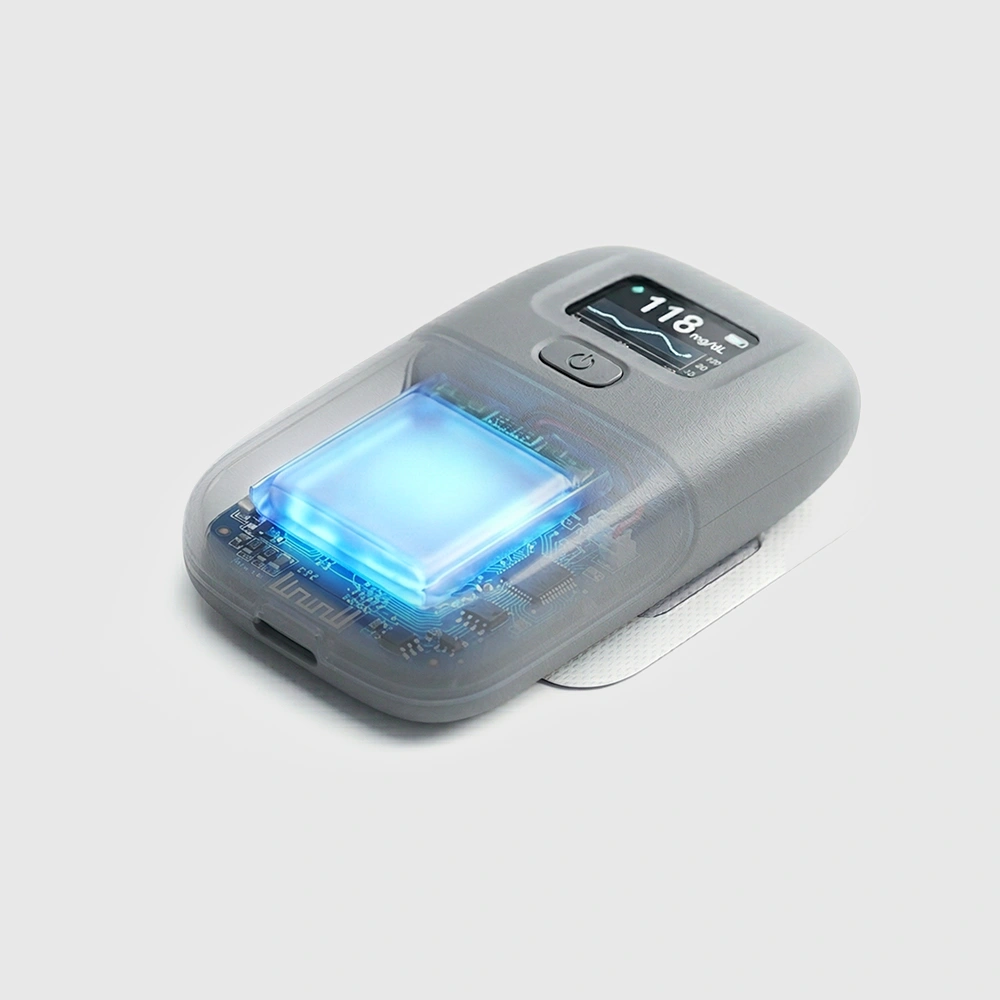
Continuous Glucose Monitoring(CGM) devices are evolving towards miniaturization, longer battery life, and higher accuracy. As the core power component, battery safety, stability, and lifespan are critical to patient health and user experience.

  • Battery types: Lithium Polymer (Li-Po), thin-film lithium battery, button battery

  • Battery shapes: Ultra-thin micro cells, flexible micro pouch cells

  • Voltage: Rated 3.7V, operating 3.0V ~ 4.2V

  • Current: Ultra-low micro-current, μA–mA level, long-term continuous operation
Learn more
Rechargeable Hearing Aids banner list-20251022

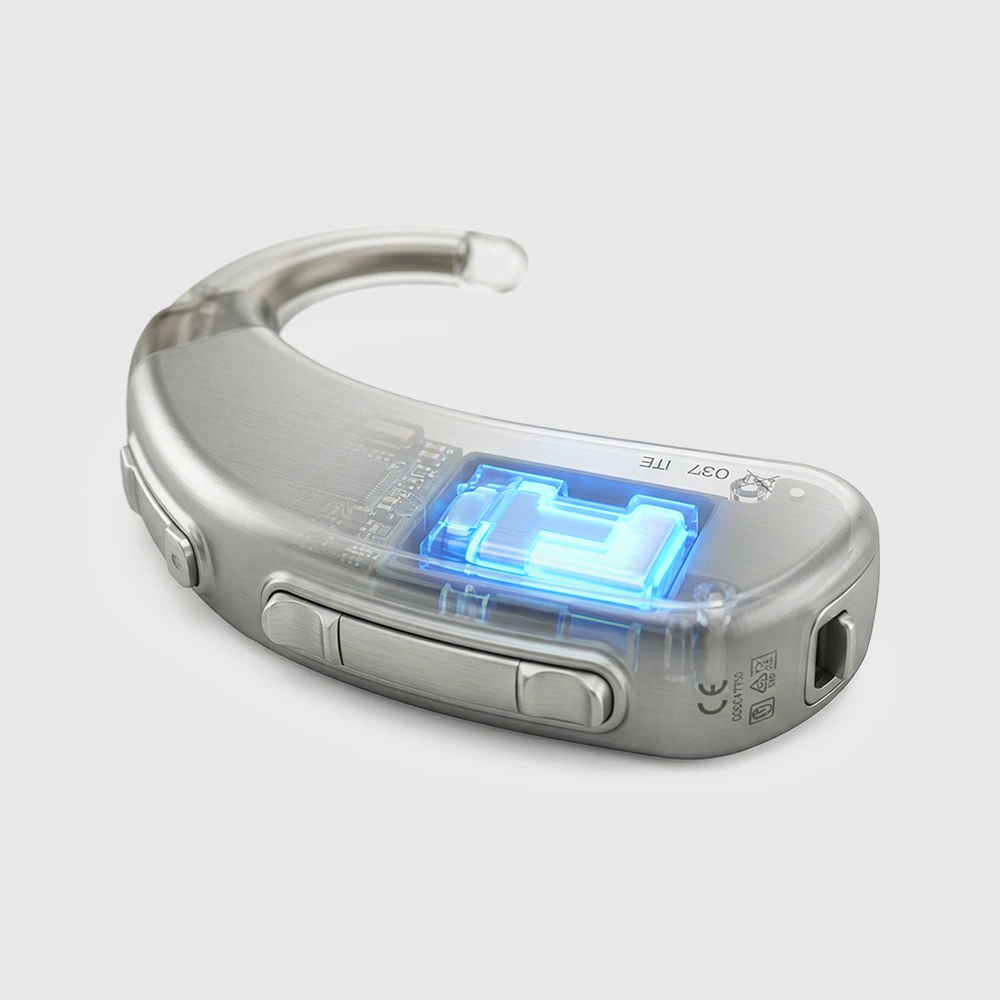
Rechargeable Hearing Aid Battery Testing Solution

Hearing aids are rapidly transitioning from zinc-air batteries to rechargeable lithium batteries, pursuing smaller size, longer life, and faster charging. Future trends include fast-charge Li-Po batteries, intelligent charge/discharge management, and high-safety designs compliant with medical regulations.

  • Battery types: Lithium Polymer (Li-Po), zinc-air rechargeable

  • Battery shapes: Micro button cells, ultra-small pouch cells

  • Voltage: Rated 3.7V, operating 3.0V ~ 4.2V

  • Current: Ultra-low micro-current, μA–mA level, extremely low power

Learn more

Accessory Equipment

Contact Us

For more product details, please contact the sales specialist on the right or provide your contact information in the form below. You can also to contact your local distributor for more information.
Name
Country
City Name
Company Name
Phone Number
Email Address *
Products
Model
Detailed Request
NEWARE and Cookies
We use cookies to personalize and improve your experience with our website. By continuing to browse the site you are agreeing to our use of cookies.