From incoming cell screening to final product qualification — a structured, stage-gated workflow aligned with automotive and mobility industry standards.
Supporting NCM/NCA, LFP, and LMO chemistries across cylindrical, prismatic, and pouch formats — with high-power testing up to 3000V.
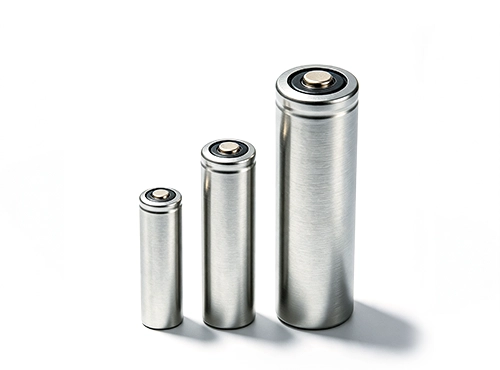
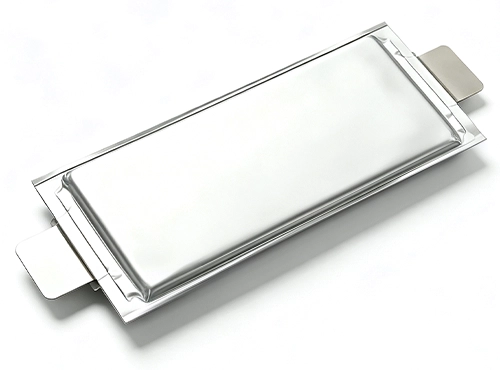
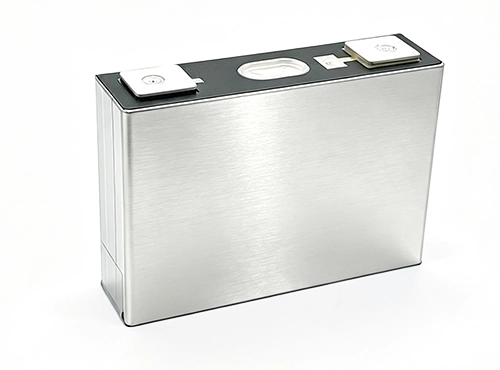
Purpose-built testing systems for every stage of transportation battery development — from cell R&D to production-line EOL.
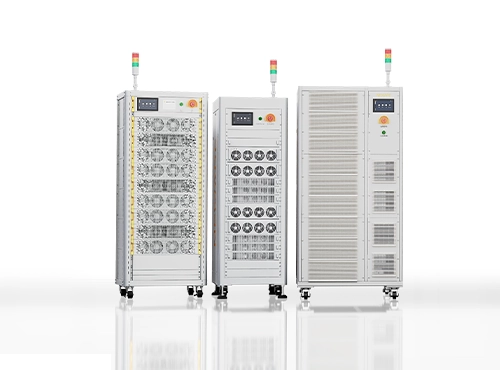
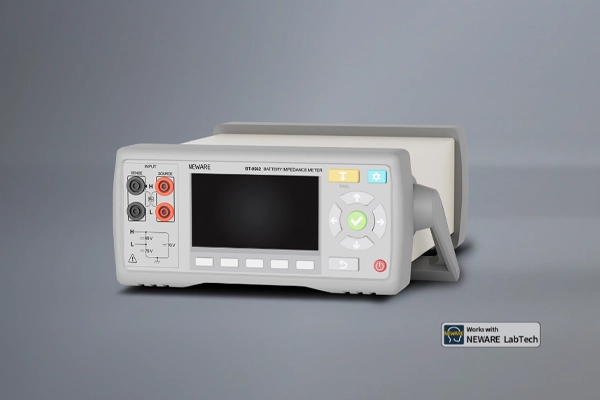
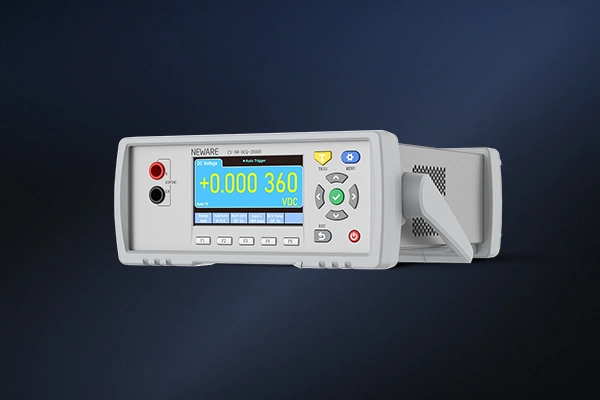
Up to 3000V/1200A for complete pack testing. Module-level deep characterization with individual cell voltage monitoring (0~6V, ±0.5mV). 8CH NTC temperature simulation.
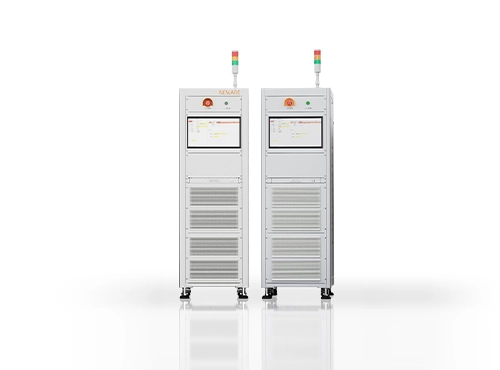
24-channel battery simulator with 300A current source. One-stop safety + performance EOL platform with barcode traceability, automated pass/fail judgment.
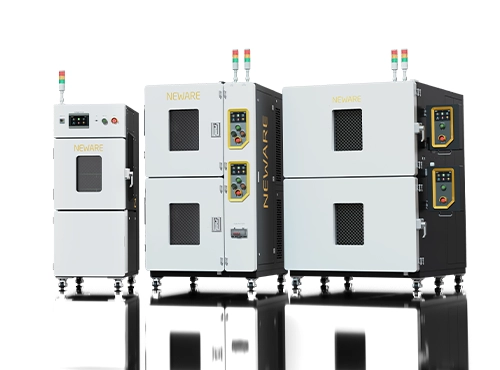
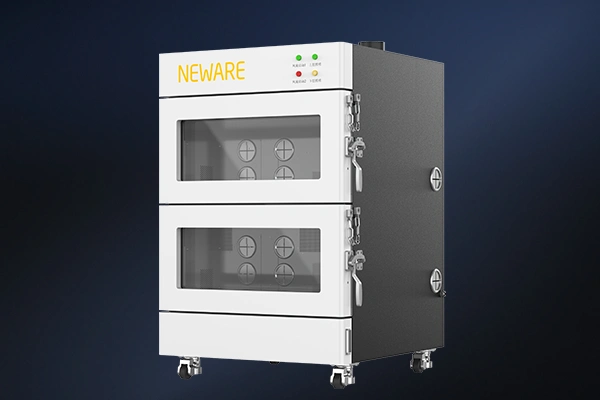
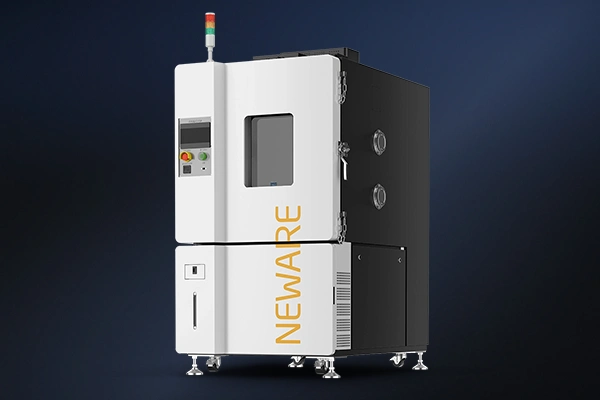
Integrated charge/discharge with temperature control in a single unit. Explosion-proof design with automated safety shutdown protocols.








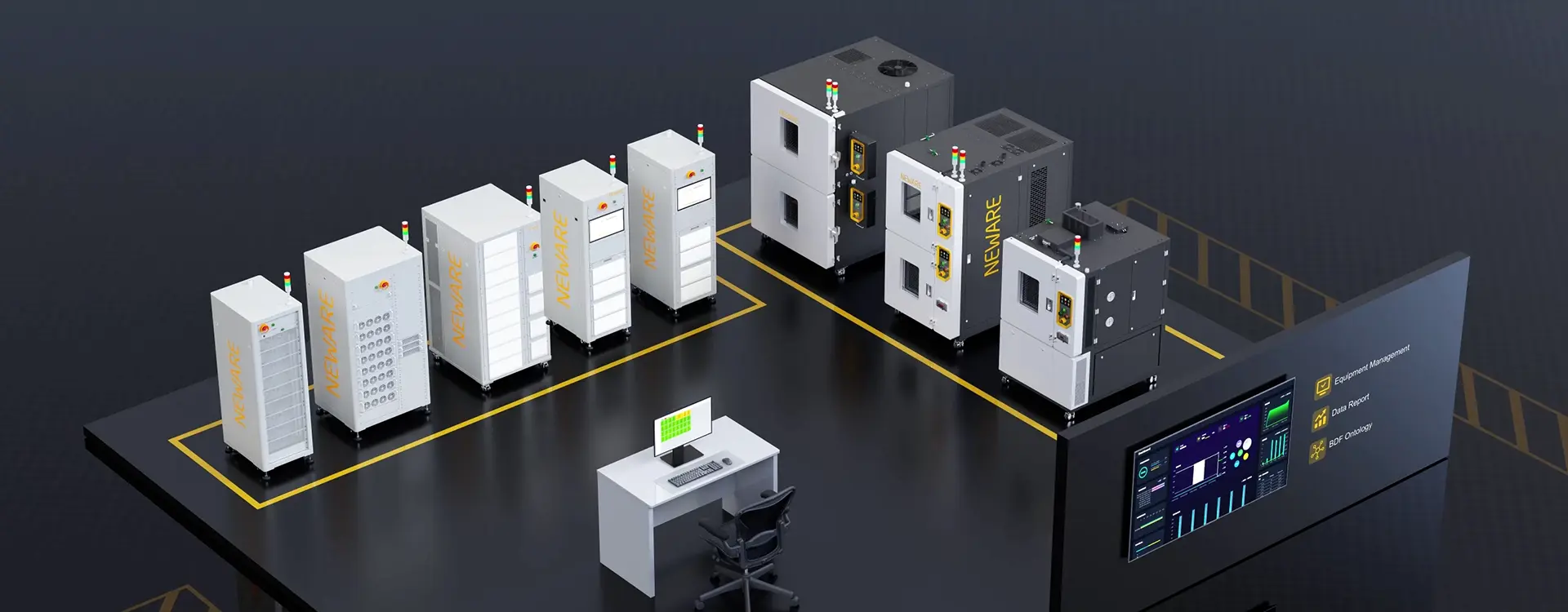
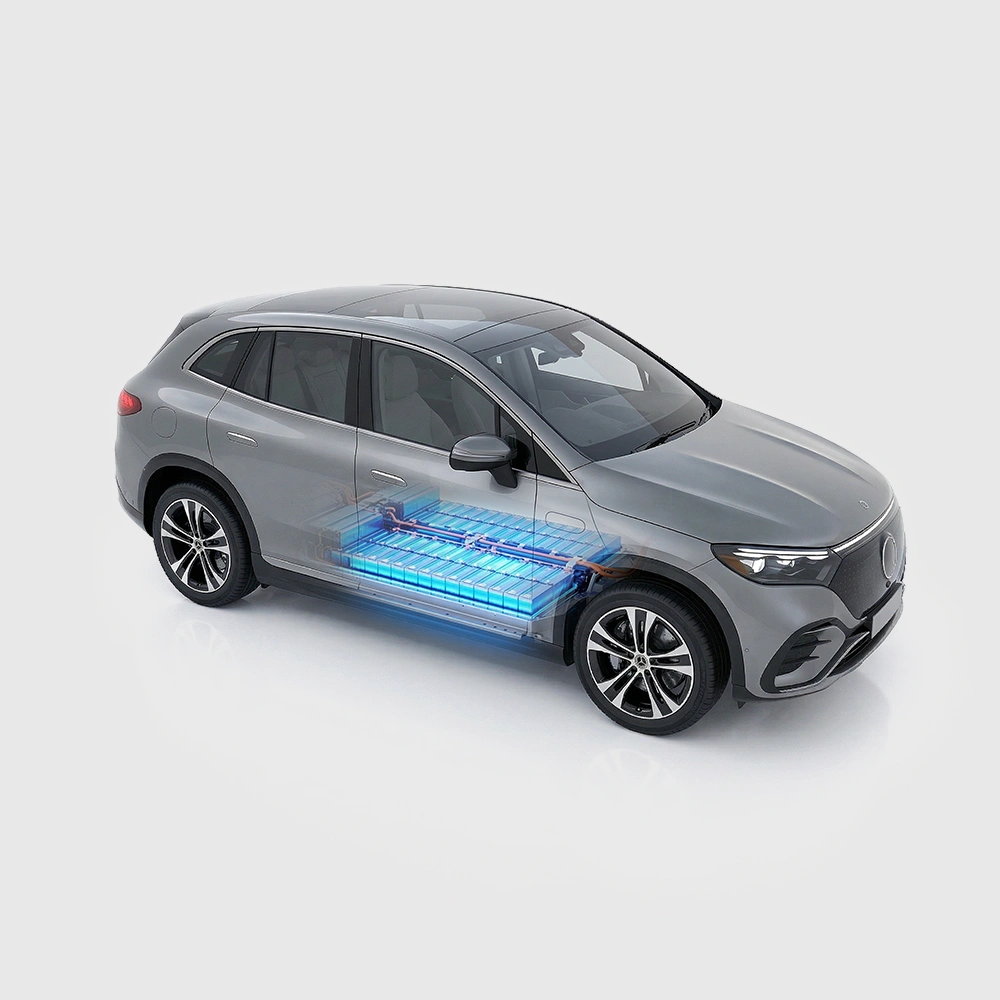
The electric vehicle battery industry is rapidly developing, focusing on technological innovation, market competition, and sustainability. Research hotspots include solid-state batteries, new types of electrolytes, BMS optimization, and recycling technologies. The environmental adaptability, safety, and economic viability of batteries are key research areas, and the industry is expected to undergo more innovation and transformation.
Battery types: Lithium iron phosphate (LFP), Ternary lithium battery (NCM/NCA)
Battery shapes: Prismatic cells, pouch cells, cylindrical cells, modules & packs
Voltage: Single cell 3.2V/3.7V, pack voltage 300V ~ 800V
Current: Charge/discharge 50A ~ 500A+, high-power discharge
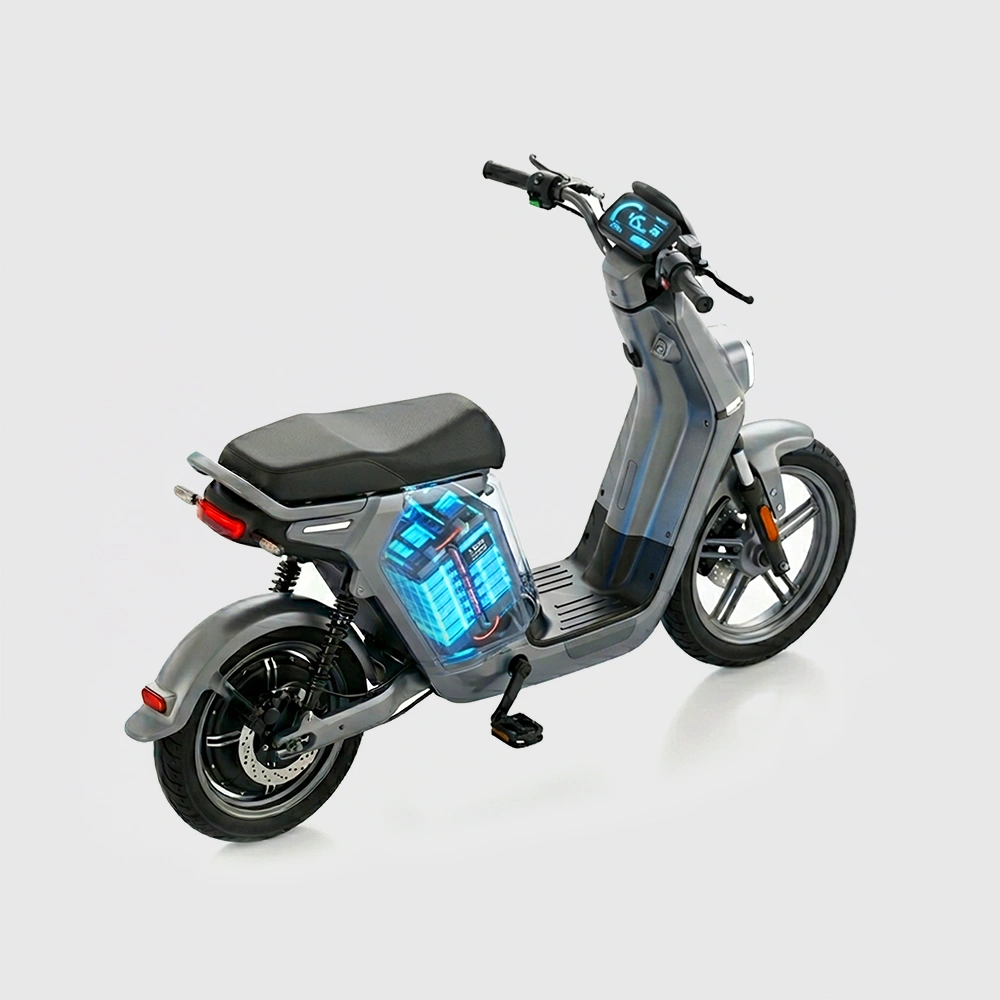
Electric Hoverboard, electric scooters, e bikes, and electric motorcycles are changing the way people travel, with the development of battery technology being at the core of this transformation. The main issues faced by electric bicycle batteries include battery cost, range, the popularity of charging infrastructure, thermal management of batteries, and safety. As battery technology continues to advance, it provides more reliable power support for these intelligent devices.
Battery types: Lithium iron phosphate (LFP), Ternary lithium battery (NCM)
Battery shapes: 18650/21700 cylindrical cells, prismatic cells, pouch cells, integrated battery packs
Voltage: Single cell 3.2V/3.7V, system 24V/36V/48V/60V/72V
Current: Discharge 10A ~ 100A, high-rate discharge, frequent start-stop
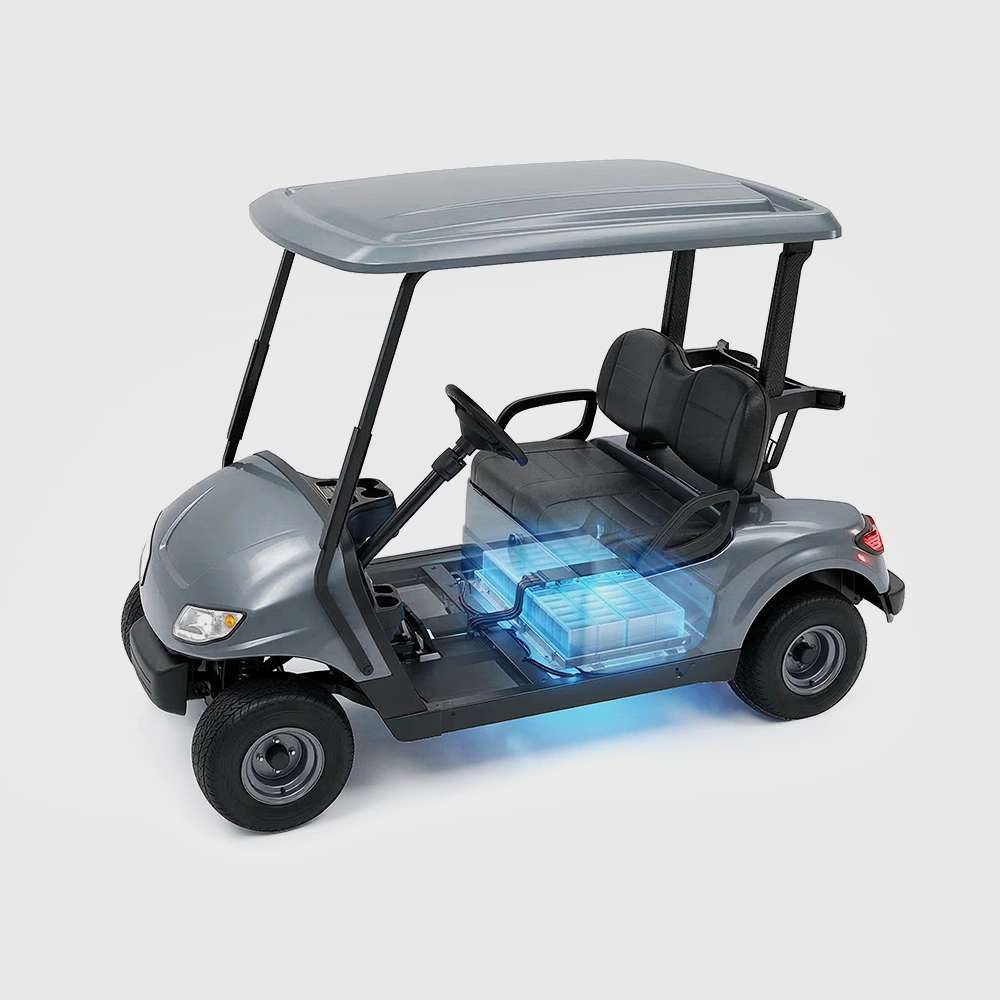
Lithium batteries are increasingly being used in RVs and electric golf carts, gradually replacing lead-acid batteries due to their high cost-effectiveness, long cycle life, and good safety. As technology continues to evolve, the energy density of the batteries keeps increasing, the weight is reduced, and safety has been significantly improved, providing a more reliable power supply for RVs.
Battery types: Lithium iron phosphate (LFP), Lead-acid battery
Battery shapes: Prismatic cells, battery modules, integrated battery packs
Voltage: System 24V/36V/48V/72V, single cell 3.2V
Current: Discharge 20A ~ 80A, regular cyclic working mode