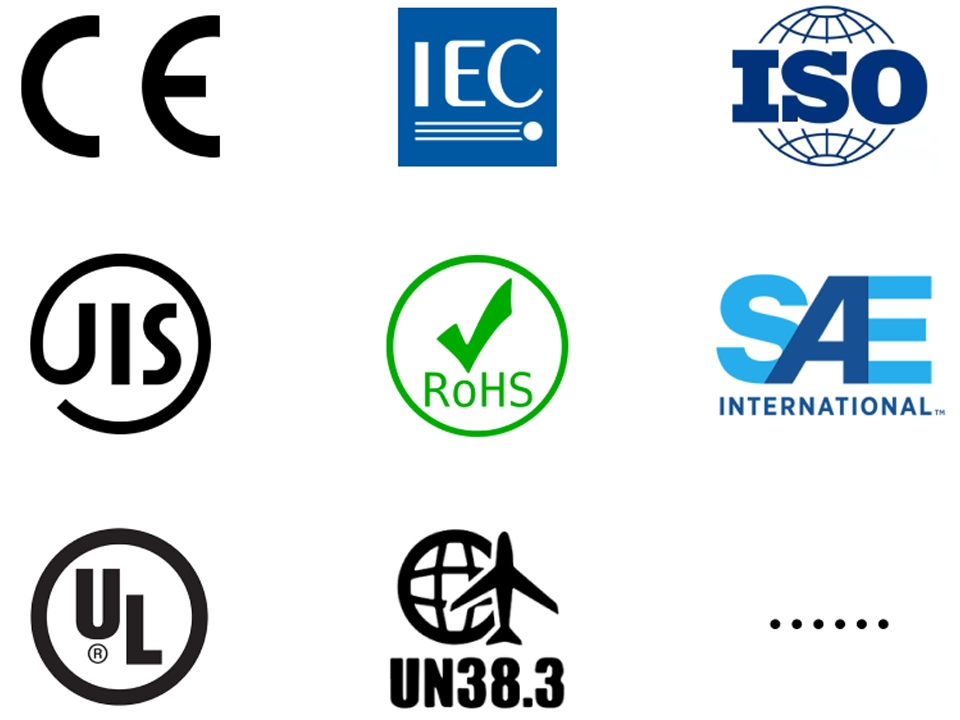
IEC 62133-2: International safety standard for rechargeable Li-ion batteries, applicable to service and consumer robots, covering multiple core test items.
ISO 13482: World's first system safety standard specifically for service robots (personal care, mobile, physical assistance robots, etc.).
UN 38.3: Core standard for lithium battery transport safety; mandatory for all service robot batteries before shipment.
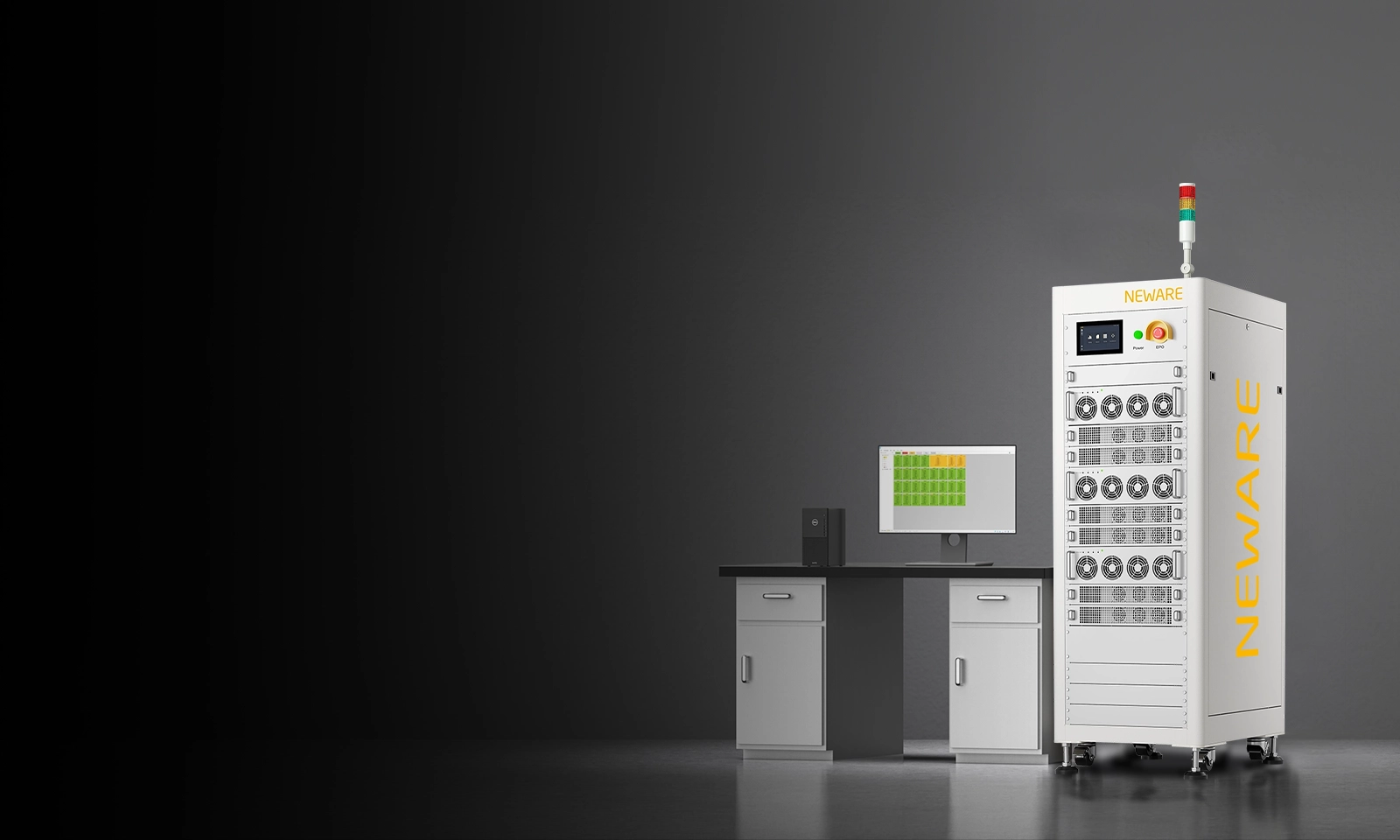
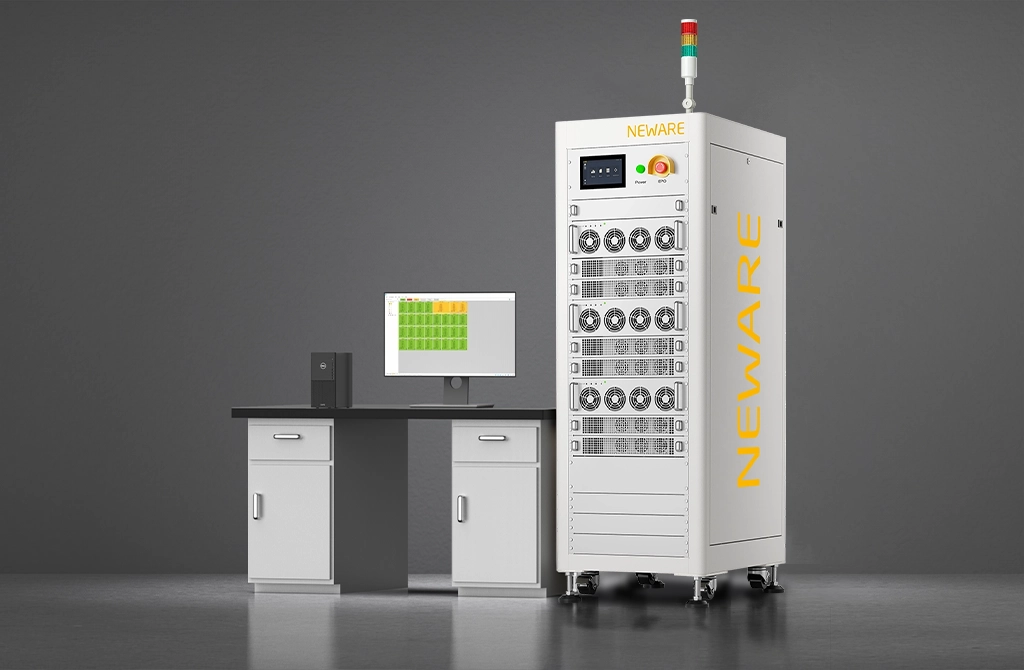
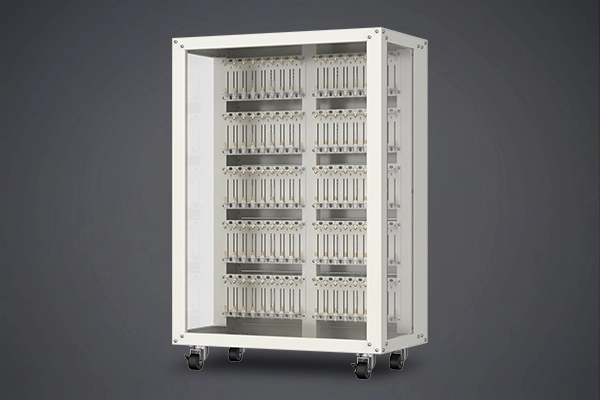
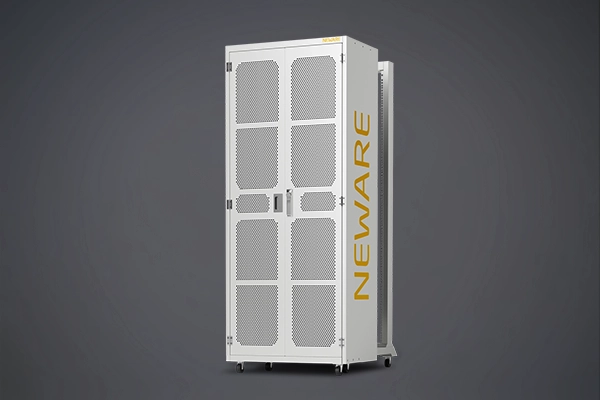
The CE-4000/5000/6000 series provide performance testing, safety validation, scenario simulation, and intelligent data analysis for civilian service robot batteries.
1. Multi‑range design covers standby to high‑power discharge. ±0.02% / ±0.05% of F.S. voltage/current accuracy & 24‑bit resolution ensure precise capacity/range measurement, preventing false specifications.
2. Real‑world simulation supports charge/discharge and long‑term cycle testing (up to 65,535 cycles). Customizable steps & nested cycles enable various scenario simulations (e.g., pulse tests) to evaluate long‑term reliability.
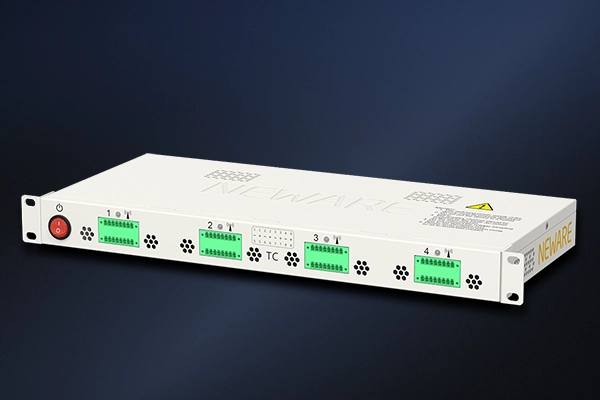
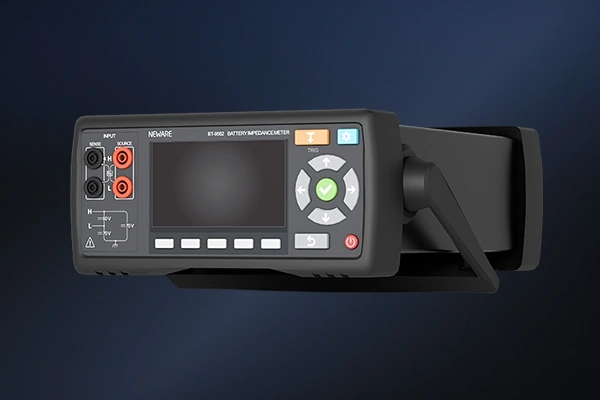
3. AUX auxiliary channels synchronously monitor surface temperature and internal resistance. Temperature data is linked with charge/discharge data to assess health status and thermal runaway risk, ensuring safety.
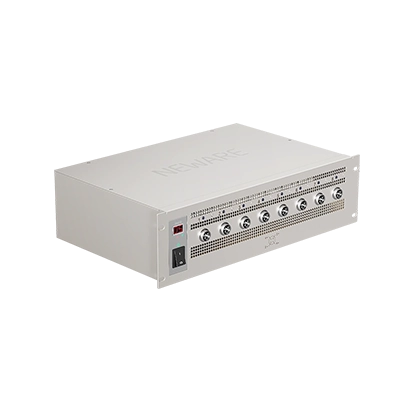
Voltage & Current Accuracy: ±0.02% F.S.
Recording Frequency: 10Hz
Current conversion time: ≤10ms
Current Response Time: ≤1ms
Minimum Pulse Width: 100ms
DCIR: Supported
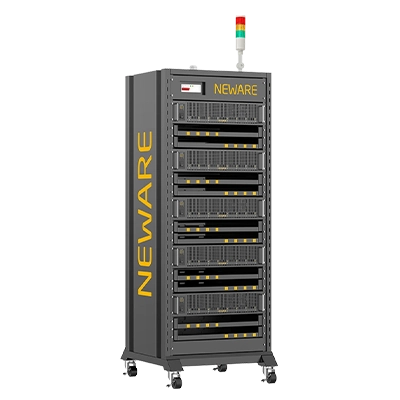
Voltage & Current Accuracy: ±0.02% F.S.
Recording Frequency: 100Hz
Resolution Ratio AD/DA: 16bit
Current Response Time: ≤20ms
Single-Cycle Operation Count: 255 cycles
Off-Line Test: 1GB/CH
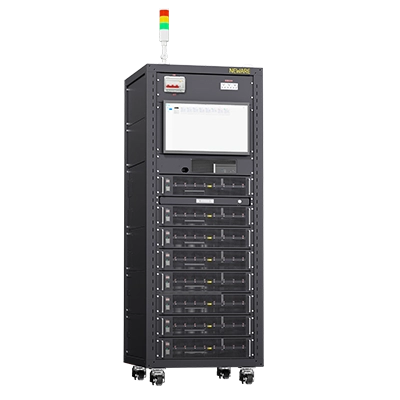
Voltage & Current Accuracy: ±0.02% F.S.
Recording Frequency: 100Hz
Resolution Ratio AD/DA: 16bit
Current Response Time: ≤30ms
Single-Cycle Operation Count: 255 cycles
Channel: 8
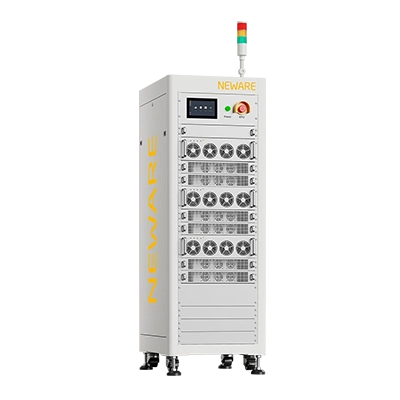
Current Accuracy: ±0.05% F.S.
Voltage Accuracy: ±0.02% F.S.
Recording Frequency: 100Hz
Current Conversion Time: ≤6ms
Current Response Time: ≤3ms
Minimum Pulse Width: 100ms
Feedback Efficiency (Max): 90%
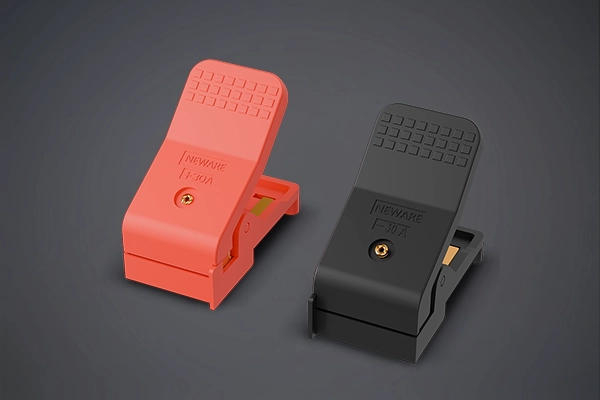

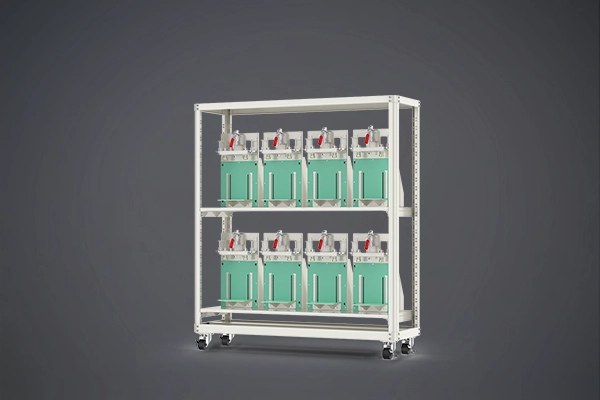
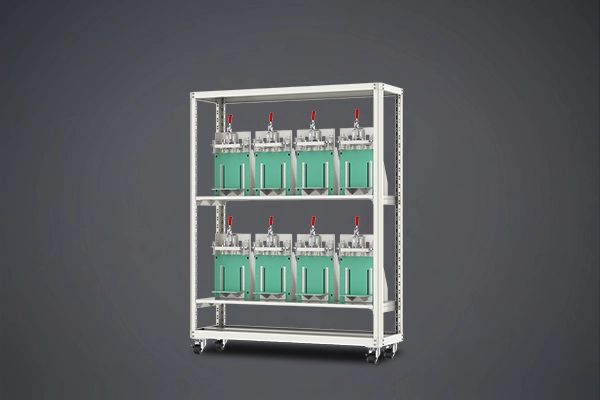
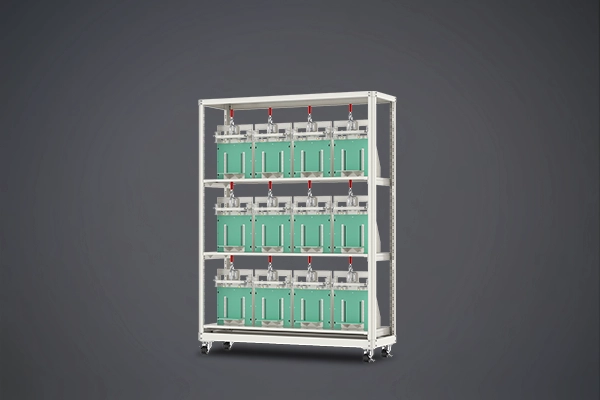
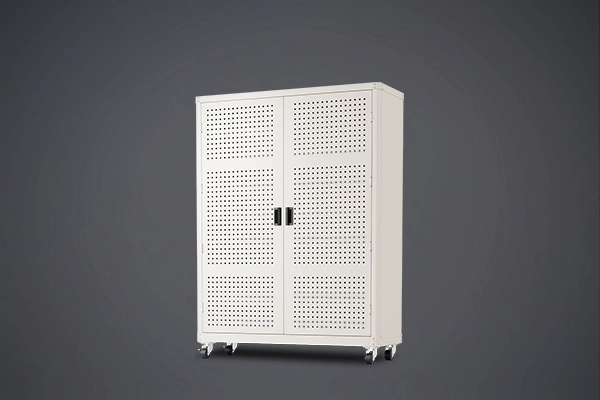
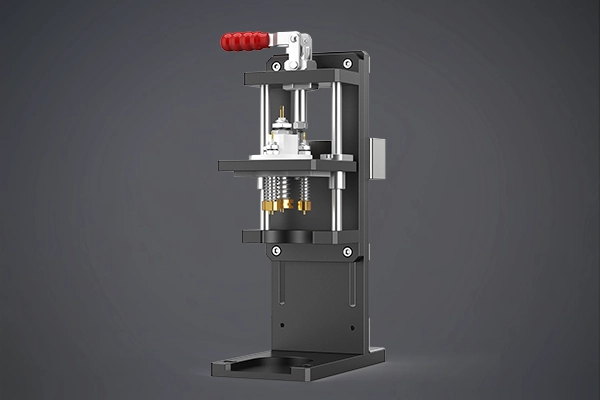
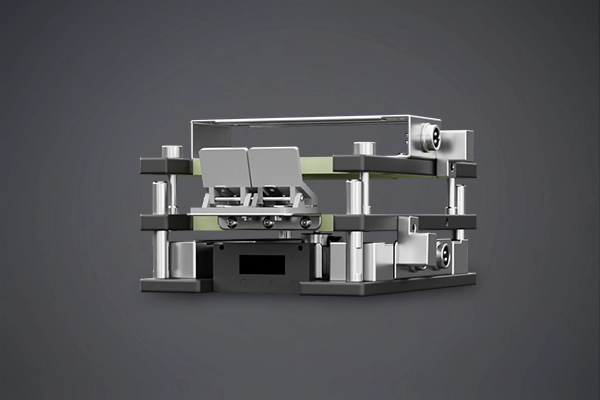
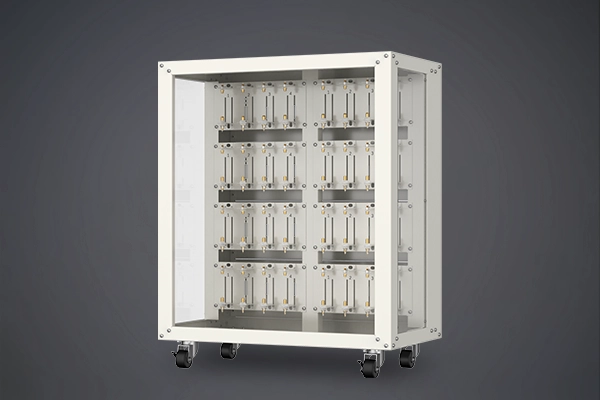
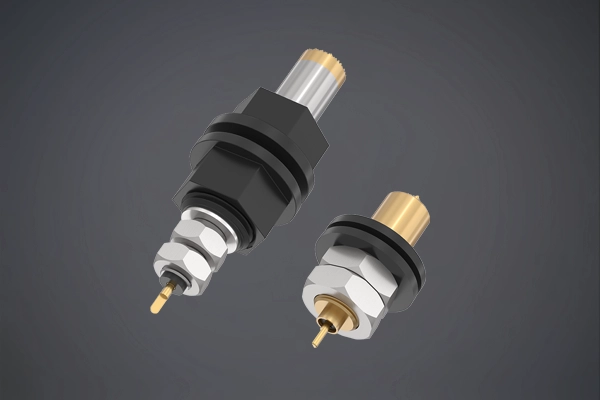
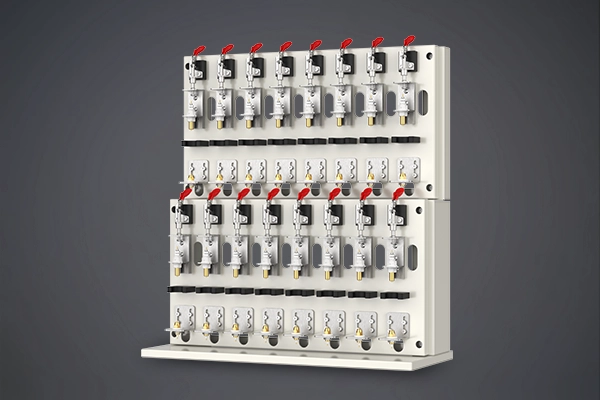
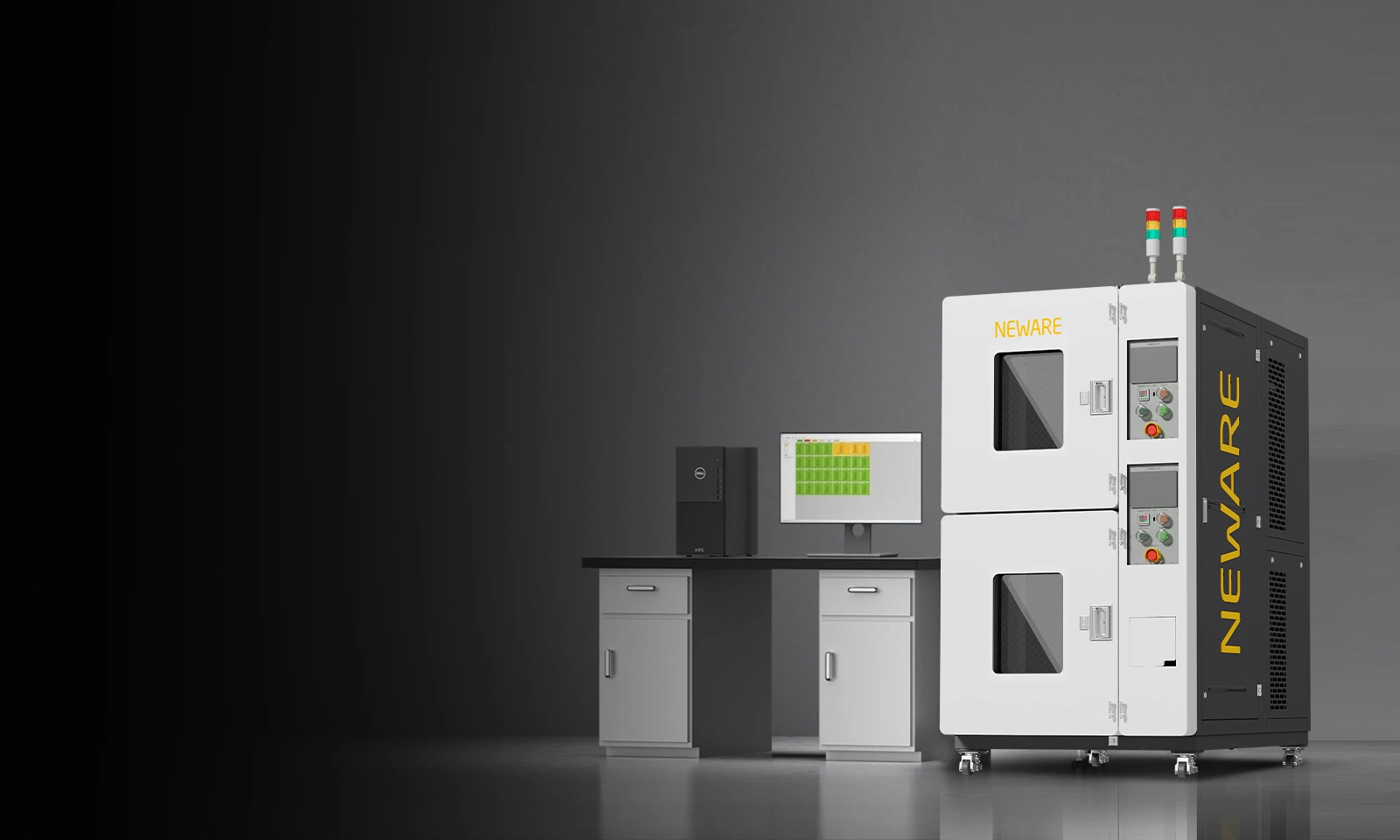
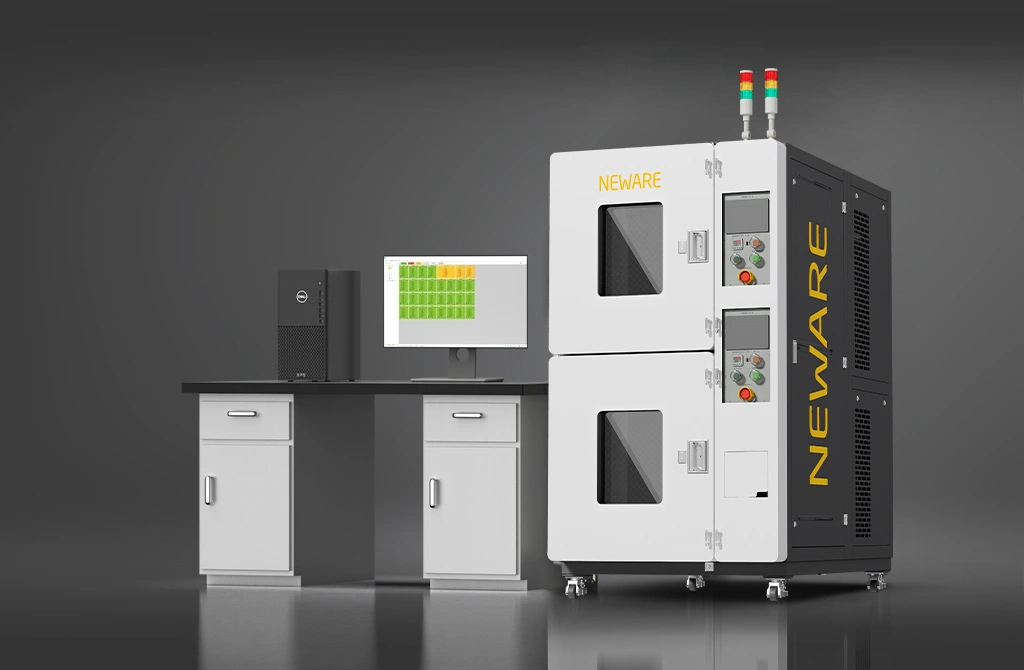
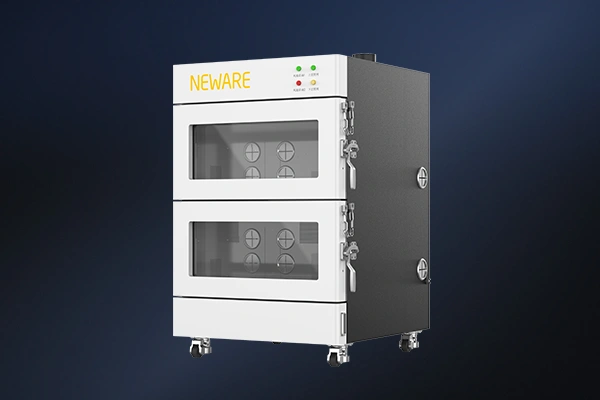
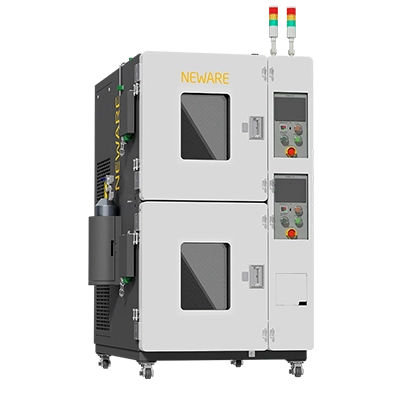
All-in-One Series features controllable temperature to simulate the heat‑rise environment during long‑term operation; large chamber supports high‑volume testing, maximizing space utilization.
1. Large chamber capacity – up to 800L interior volume, allowing batch validation of discharge performance and charge acceptance under diverse environmental conditions.
2. Precise data synchronization: BTS software automatically synchronizes charge/discharge data with temperature data in real-time, ensuring accurate analysis and consistent assessment of temperature's impact on battery performance.
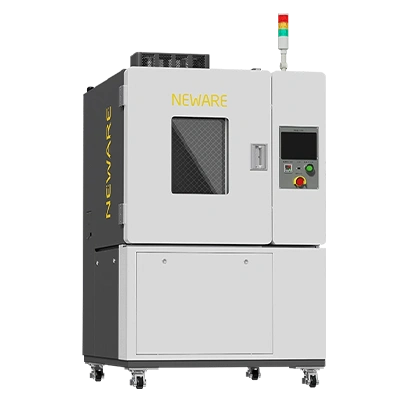
Volume: 200L
Space for Test System: 6U
Temperature Fluctuation: ≤0.9℉ (0.5℃)
Temperature Deviation: ±3.6℉ (±2℃)
Heating Time: 68°F ~ 302°F≤60min
(20℃ ~ 150℃≤60min)
Cooling Time: 68°F ~ -40°F≤60min
(20℃ ~ -40℃≤60min)
Volume: 200L*2
Space for Test System: 12U
Temperature Fluctuation: ≤0.9℉ (0.5℃)
Temperature Deviation: ±3.6℉ (±2℃)
Heating Time: 68°F ~ 302°F≤60min
(20℃ ~ 150℃≤60min)
Cooling Time: 68°F ~ -40°F≤60min
(20℃ ~ -40℃≤60min)
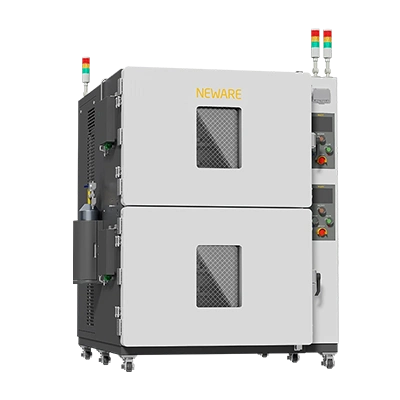
Volume: 400L*2
Space for Test System: 32U
Temperature Fluctuation: ≤0.9℉ (0.5℃)
Temperature Deviation: ±3.6℉ (±2℃)
Heating Time: 68°F ~ 302°F≤60min
(20℃ ~ 150℃≤60min)
Cooling Time: 68°F ~ -40°F≤60min
(20℃ ~ -40℃≤60min)
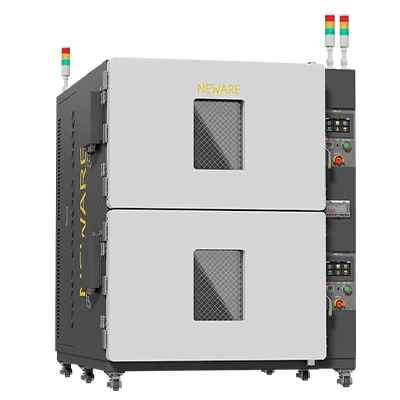
Volume: 400L*2
Space for Test System: 32U
Temperature Fluctuation: ≤0.9℉ (0.5℃)
Temperature Deviation: ±3.6℉ (±2℃)
Heating Time: 68°F ~ 302°F≤60min
(20℃ ~ 150℃≤60min)
Cooling Time: 68°F ~ -40°F≤60min
(20℃ ~ -40℃≤60min)
* This product model has been updated.
February 05, 2026
March 13, 2026
February 26, 2026
March 12, 2026