The dawn and hidden challenges of solid-state batteries
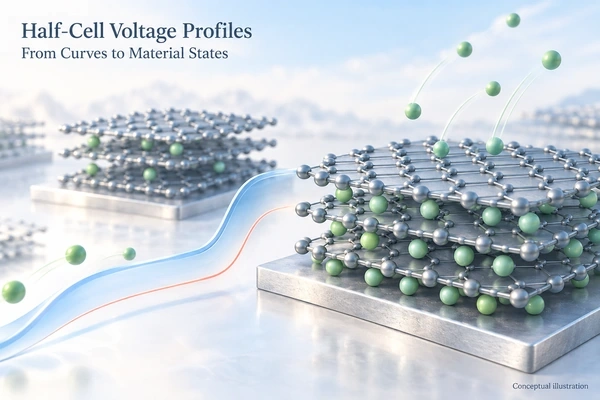
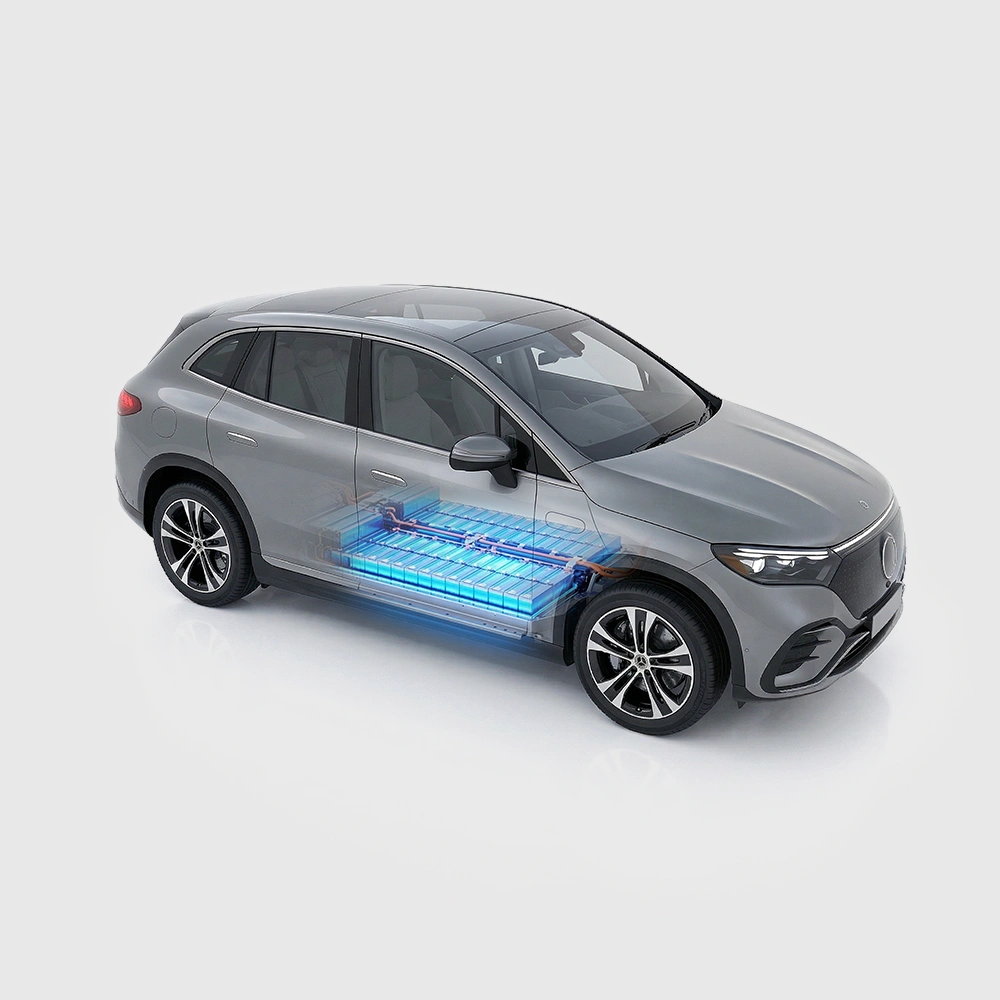
In the 2025 new energy landscape, solid-state batteries are undoubtedly the most spotlighted technology star. They are highly anticipated, promising energy densities more than double those of current liquid lithium-ion batteries, while fundamentally eliminating thermal runaway risk through their solid electrolyte. This positions them as the ideal solution to address the "dual anxieties" of electric vehicle range and safety. Enthusiasm from the global industry and capital markets has been ignited. From China to Europe, the US, Japan, and South Korea, almost all mainstream automakers and battery giants have entered the arena, competing across major technological pathways such as sulfide, oxide, and polymer electrolytes.
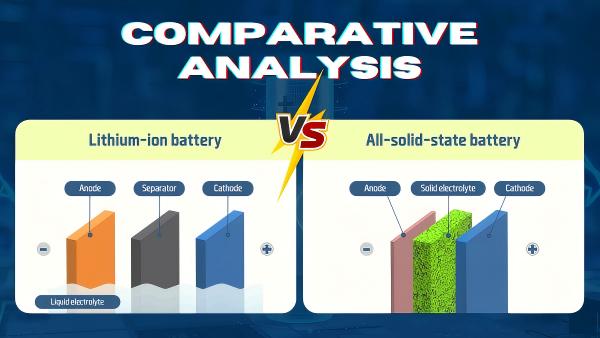
Figure 1 comparison between solid-state batteries and lithium-ion batteries. Solid-state batteries use a solid electrolyte to replace the liquid electrolyte, fundamentally eliminating the risk of thermal runaway
However, the path from laboratory samples to consumer products is far more rugged than imagined. Even though leading companies such as QuantumScape, Chery, and Gotion High-tech have introduced samples with energy densities as high as 400-600 Wh/kg or have entered the pilot-scale stage (Figure 2), no company globally has yet seen its all-solid-state batteries advance into the true commercial validation phase. Authoritative market research firm TrendForce predicts that large-scale application in the automotive sector may not commence until around 2027, while widespread commercialization is generally not expected to happen before 2030.
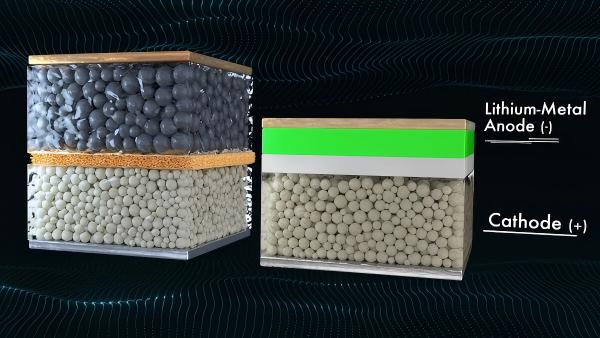
Figure 2 quantumScape solid-state battery technology demonstration, showing a significant increase in the volumetric energy density of the sample
The core of the problem hindering the mass production of solid-state batteries lies in the dual challenges of materials and processes. The solid-solid interface issue is the foremost technical hurdle. In liquid batteries, the electrolyte can freely wet every pore of the electrode material, forming a perfect ion conduction channel. However, in all-solid-state batteries, both the solid electrolyte and the electrode active materials are rigid solids, making it difficult to form a tight, durable, and low-impedance physical contact between them. Minute voids, cracks, or poor contact can cause a sharp increase in interfacial resistance, severely affecting the battery's charge-discharge performance and power characteristics. Therefore, achieving the ultimate densification and perfect fusion of the electrode-electrolyte interface during the manufacturing process becomes the key to unlocking the performance of solid-state batteries.
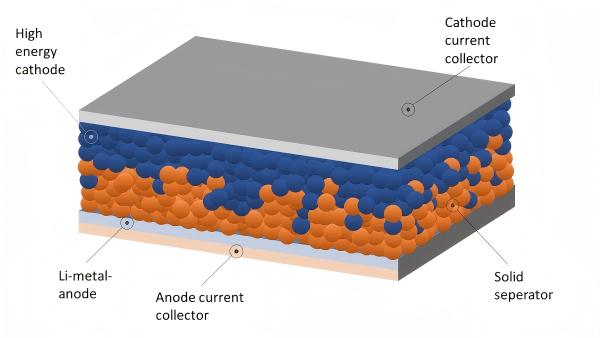
Figure 3 layered structure diagram of a solid-state battery, illustrating the three-dimensional architecture comprising the cathode current collector, high-energy cathode, solid-state separator, lithium metal anode, and anode current collector
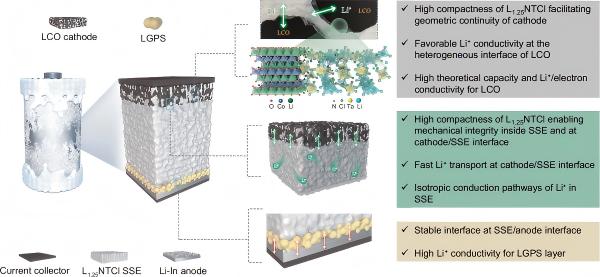
Figure 4 scientific research image of the solid-solid interface issue, illustrating the microscopic defects caused by poor interfacial contact in solid-state batteries
Against this backdrop, isostatic pressing technology, as a key physical processing technique, has transitioned from traditional fields like powder metallurgy and ceramics into the manufacturing processes for solid-state batteries. It is regarded as an indispensable key to solving the solid-solid interface problem and realizing the mass production of high-performance solid-state batteries.
Isostatic pressing technology—principles, types, and core value
The principle of isostatic pressing technology is not inherently complex, yet it encompasses various types in its processes to address different application scenarios.
Technical principle and function: Omnidirectional uniform pressurization based on Pascal's Law
The physical foundation of isostatic pressing technology is Pascal's Law. Its core equipment is a high-pressure vessel. During operation, a liquid or gas medium (such as oil or argon gas) is pumped in, creating a uniform and extremely high static pressure within the sealed chamber. This pressure acts evenly on all surfaces of the workpiece immersed in the medium, regardless of how complex its shape may be.
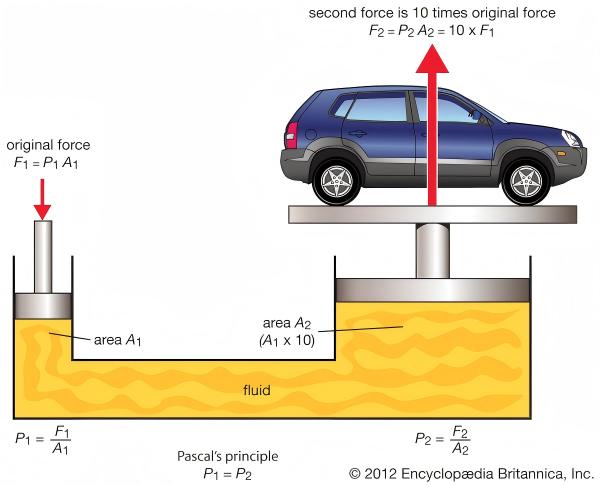
Figure 5 schematic diagram illustrating the principle of Pascal's Law, showing how fluid pressure is transmitted uniformly from all directions
For the manufacturing of solid-state batteries, the role of isostatic pressing technology is revolutionary:
It achieves three-dimensional uniform densification: Traditional roller pressing or uniaxial hot pressing applies force from only one or two directions, which can easily lead to uneven internal stress within the material, resulting in edge effects and interlayer slippage. In contrast, isostatic pressing applies uniform pressure from all sides, effectively eliminating microscopic pores and voids within the electrode or electrolyte layers, thereby significantly enhancing the material's volumetric density and homogeneity.
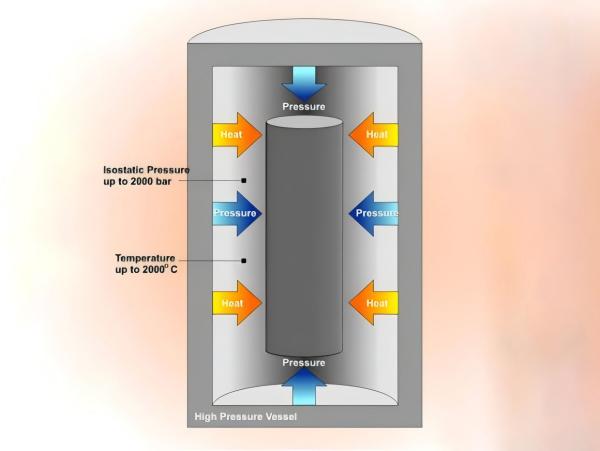
Figure 6 schematic diagram of hot isostatic pressing (HIP) process, illustrating the uniform isostatic pressure (up to 2000 bar) applied from all directions within the high-pressure vessel and the high-temperature environment (up to 2000℃)
Optimizing solid-solid interface contact: By applying ultra-high pressure (typically exceeding 300 MPa) under mildly heated conditions (Warm Isostatic Pressing, WIP), isostatic pressing technology can force plastic deformation and tight interlocking between solid electrolyte particles and electrode active material particles. This significantly increases the effective area for ion conduction contact and reduces interfacial impedance.
Reducing defects and enhancing consistency: Uniform pressure helps minimize microcracks and defects generated during the material forming process, which is crucial for ensuring performance consistency in mass production of batteries.
Analysis of technical types: The trade-offs among cold, warm, and hot
Based on the different processing temperatures, isostatic pressing technology is primarily categorized into three types, each with its own advantages and disadvantages in the exploration of solid-state battery manufacturing processes.
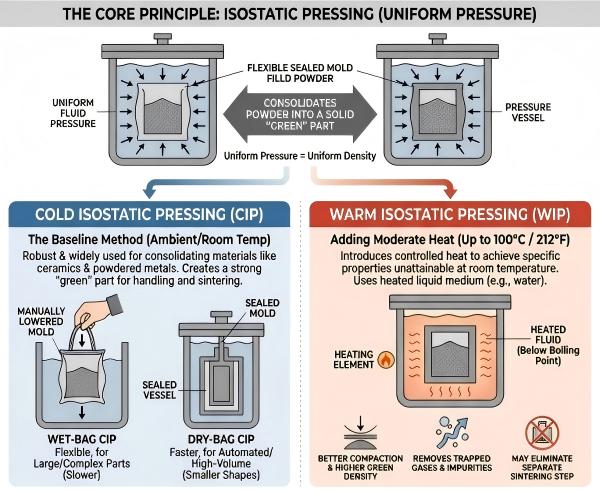
Figure 7 comparison between warm isostatic pressing (WIP) and cold isostatic pressing (CIP)
CIP (cold isostatic pressing)
Cold isostatic pressing (CIP), which typically operates at room temperature. Its main advantages are lower cost, relatively simpler equipment, and the complete avoidance of potential material side reactions caused by high temperatures due to the absence of a thermal process. However, its limitations are also evident: the degree of densification achievable through pressure alone is limited, making it difficult to induce sufficient plastic bonding and interfacial fusion between solid electrolyte and electrode active material particles. Therefore, in solid-state battery manufacturing, CIP is more suitable for preliminary forming processes where the requirement for ultimate density is not exceptionally high.
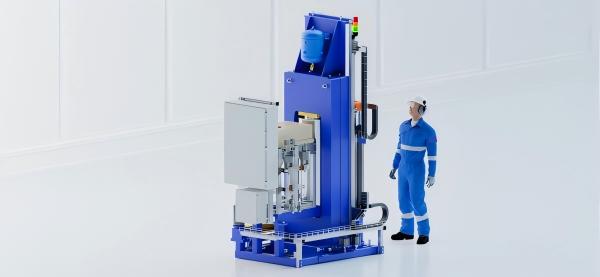
Figure 8 cold isostatic pressing (CIP) equipment, used for the preliminary forming of battery materials at room temperature
WIP (warm isostatic pressing)
Warm isostatic pressing (WIP), currently the most prominent and mainstream technological pathway for addressing interfacial issues in solid-state batteries. Its operating temperature is typically controlled between 80℃ and 200℃. This moderate temperature range represents an exquisite balance point: the temperature is sufficient to soften certain solid electrolyte materials, significantly promoting particle plastic flow under high pressure and enabling tight interfacial bonding, while remaining well below the critical threshold that would trigger severe interfacial side reactions. WIP can achieve excellent densification and interface optimization while maintaining relatively high production efficiency and controllable costs. It is widely regarded by the industry as one of the key processes for advancing solid-state batteries from the laboratory to mass production.
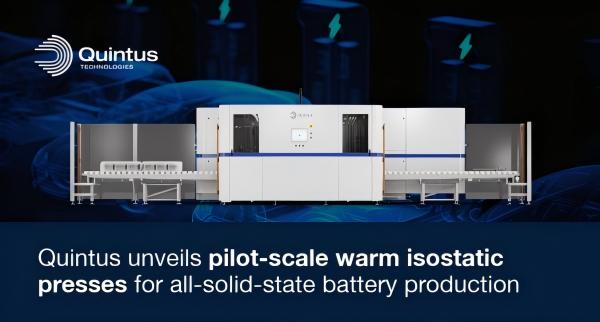
Figure 9 warm isostatic pressing (WIP) equipment, used to optimize the interfacial contact in solid-state batteries under conditions of 80-200℃
HIP (hot isostatic pressing)
Hot isostatic pressing (HIP), which involves processing temperatures that can reach up to several thousand degrees Celsius. It is capable of achieving a nearly fully dense material structure and can even integrate the forming and sintering processes. However, its disadvantages are equally prominent: extremely expensive equipment, high energy consumption, low production efficiency, and the most significant risk—the extremely high temperature readily triggers harmful interfacial chemical reactions between the solid electrolyte and electrode materials, forming a high-impedance layer that can instead degrade battery performance. Therefore, unless a new material system capable of maintaining interfacial stability under extreme high temperatures is developed, the application prospects for HIP in the large-scale production of solid-state batteries remain relatively limited.
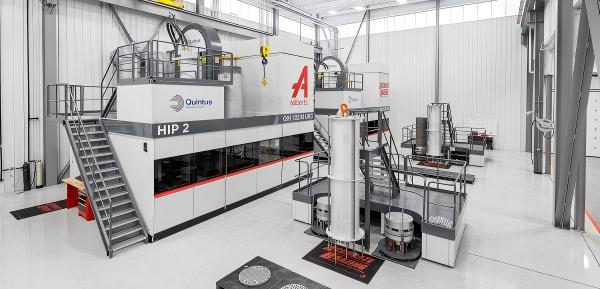
Figure 10 hot isostatic pressing (HIP) equipment, model QIH 122 M URC
Decisive impact on materials and performance
Isostatic pressing, particularly warm isostatic pressing (WIP), has a direct quantitative relationship with the performance enhancement of solid-state batteries. Research by a Japanese scientific team provides clear evidence for this. They treated a sulfide-based composite cathode using WIP (600 MPa, 150℃) and systematically investigated the impact of the duration of pressure application.
The study found that as the processing time increased from 1 second to over 60 seconds, the battery's reversible specific capacity rose from approximately 80 mAh/g to a stable level above 125 mAh/g. Analysis via synchrotron radiation X-ray CT scans made the reason clear: brief pressure application for 1 second was insufficient to eliminate the numerous microscopic voids within the solid electrolyte network. In contrast, adequate pressure holding time (e.g., 60 seconds) effectively removed these voids, establishing a continuous and dense ion transport pathway. This directly confirms that the isostatic pressing process optimizes the microstructure, reduces charge transport resistance, and thereby enhances the overall electrochemical performance of the battery.
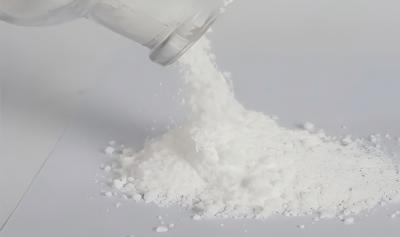
Figure 11 sulfide solid electrolyte powder
Strategic competition on the industrial front
On the path to industrialization, a strategic competition over process routes is unfolding around isostatic pressing technology. South Korean companies, such as Samsung SDI and LG Energy Solution, along with numerous international teams, were once active advocates and practitioners of WIP. However, isostatic pressing technology, particularly batch-processing equipment, faces inherent bottlenecks like long production cycles and challenges in seamless integration into continuous production lines. This conflicts with the extreme efficiency demands of mass manufacturing.
Consequently, a trend toward exploring continuous roll pressing technology has emerged within the industry. Honda explicitly selected roll pressing technology for its announced pilot line, deeming it more suitable for continuous production. Samsung SDI has also been reported to be experimenting with a shift from isostatic pressing to roll pressing. Nonetheless, for roll pressing to supplant isostatic pressing, it must solve the problem of materials becoming prone to unevenness or even fracturing under ultra-high pressure (>300 MPa).
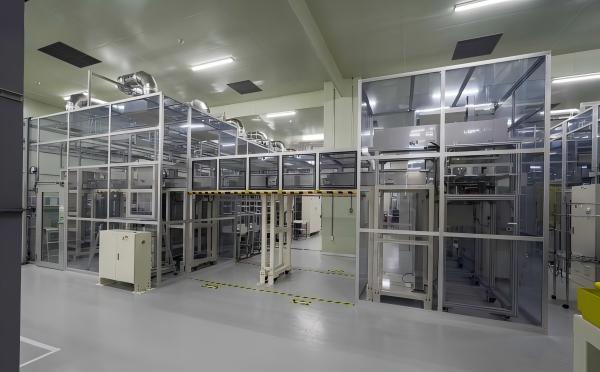
Figure 12 Honda's solid-state battery production line
This wavering in technological pathways precisely reveals the current "state of flux" in solid-state battery industrialization: the material systems are not yet finalized, and consequently, the processes and equipment must also be explored and innovated. Chinese equipment manufacturers, such as Lead Intelligent and Lyric, are leveraging their deep experience in lithium-ion battery production lines. They are collaborating with downstream battery cell producers to collaboratively define and develop isostatic pressing or novel pressing equipment suitable for solid-state batteries, driving the industrialization forward.
Future co-evolution
The future of solid-state batteries extends far beyond a single breakthrough in isostatic pressing technology. It represents a comprehensive co-evolution encompassing materials, equipment, cells, and systems.
Firstly, within battery manufacturing itself, the dry electrode process is regarded as another key innovation highly complementary to isostatic pressing technology. It eliminates the need for solvents by directly mixing active materials, conductive agents, and solid electrolyte powders before pressing them into electrodes. This not only simplifies the process and reduces costs but, more importantly, avoids solvent damage to sensitive solid electrolytes, especially sulfides. Isostatic pressing technology serves as the ideal subsequent process to achieve ultimate densification for dry electrodes.
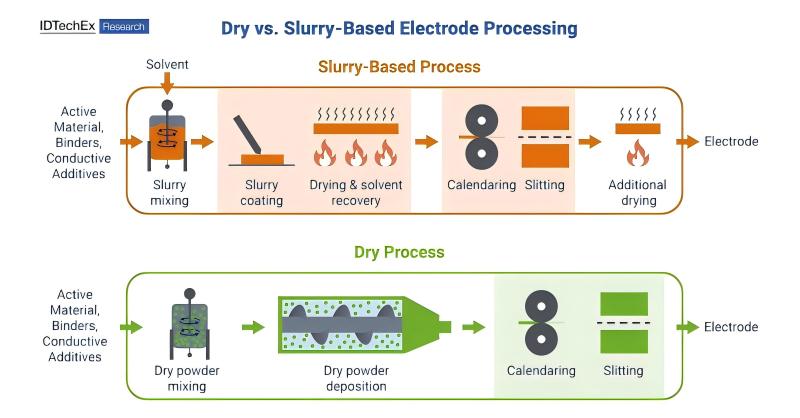
Figure 13 comparison of dry electrode and wet electrode processes
Secondly, the research, development, and testing of solid-state batteries have spurred an urgent demand for a new generation of high-end testing equipment. Future testing equipment will evolve towards two core directions:
In-situ, multi-dimensional, and operating-condition simulation testing: For instance, systems like Zeiss's InCycle Pro in-situ FIB (Focused Ion Beam) system are capable of applying controllable pressure (up to 125 MPa), regulating temperature (from -100℃ to 100℃), while simultaneously subjecting a battery to charge/discharge cycles and observing real-time changes in its microstructure (such as interfacial cracks and element migration). This capability for multi-physics field coupling—integrating "pressure-temperature-electrochemistry-microstructure"—is crucial for understanding the effects of isostatic pressing processes and for optimizing their parameters.
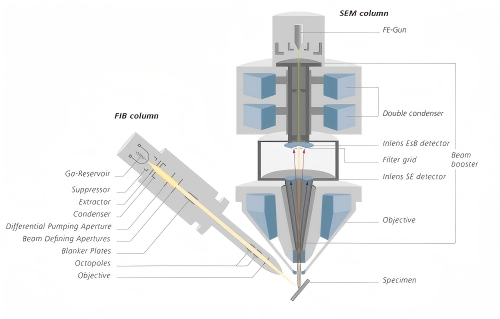
Figure 14 ZEISS FIB-SEM
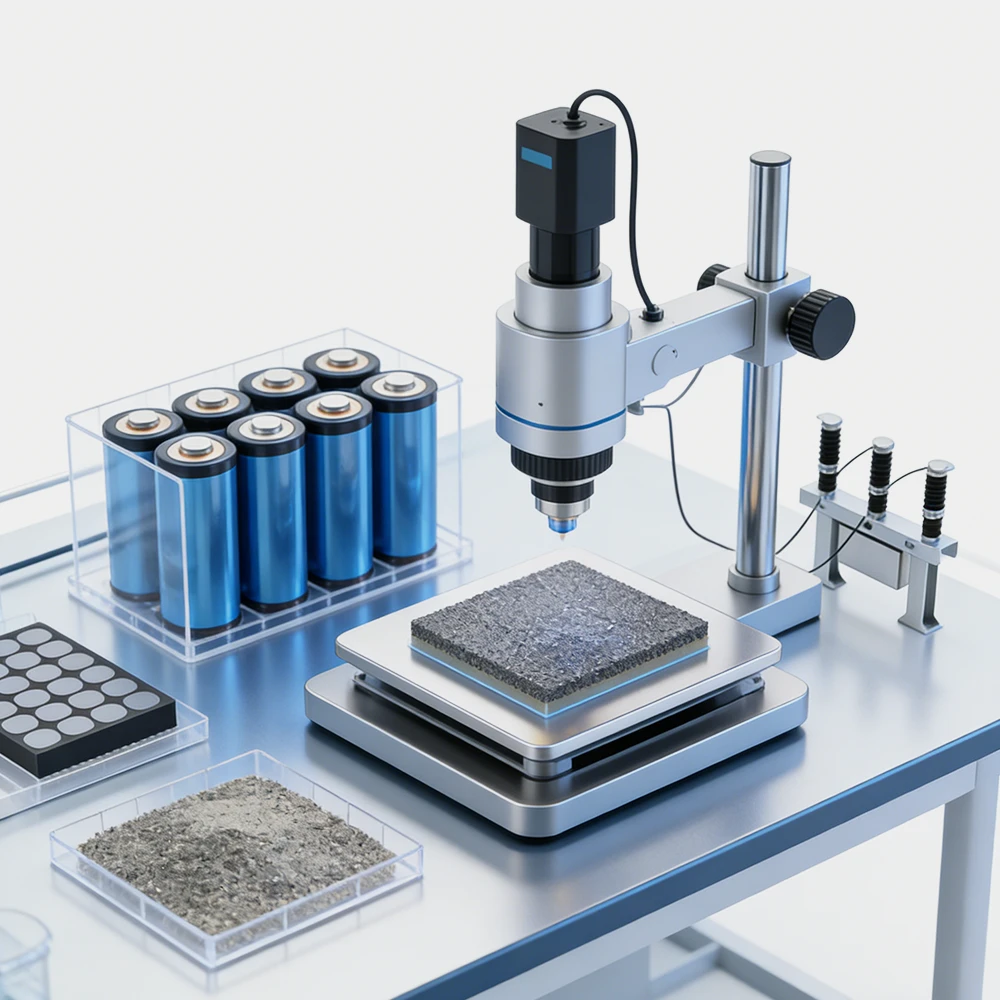
Integrated, high-throughput material evaluation systems: For materials like sulfides that must be handled inside inert atmosphere gloveboxes, the powder impedance testing system launched by HIOKI can be integrated within the glovebox. It simultaneously performs powder pressing, thickness measurement, and impedance spectroscopy analysis, significantly enhancing the efficiency and safety of material research, development, and process screening. NEWARE's portable in-situ CV tester can be easily placed inside a glovebox for conducting battery CV tests.
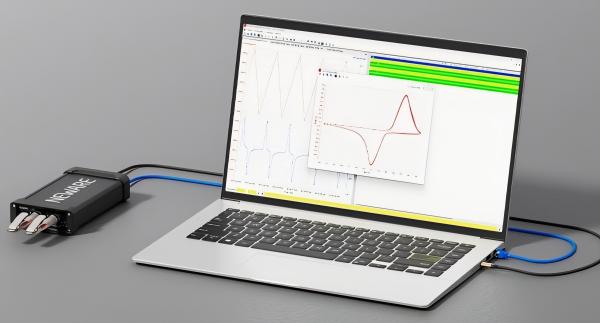
Figure 15 NEWARE In-situ CV tester
Isostatic pressing technology, as the current core process for addressing the solid-solid interface challenges in solid-state batteries, is at a critical stage of cross-industry integration from traditional applications into battery manufacturing. Its development and optimization will be closely linked to the maturation of new material systems, breakthroughs in novel processes such as dry electrode methods, and the enabling power of advanced in-situ testing equipment. Only when this series of technologies converge to form a synergistic force, collectively overcoming the hurdles of cost, manufacturability, and reliability, can solid-state batteries truly evolve from laboratory prototypes into the electric vehicles found in millions of households. According to TrendForce projections, global demand for solid-state batteries is expected to exceed 740 GWh by 2035. To realize this potential, equipment and supporting technologies must continuously undergo iterative advancements to reach even higher levels of sophistication.
Supplement: Some of the information presented above was obtained from the Internet. We are very sorry if there is any infringement! You can contact us for deletion!