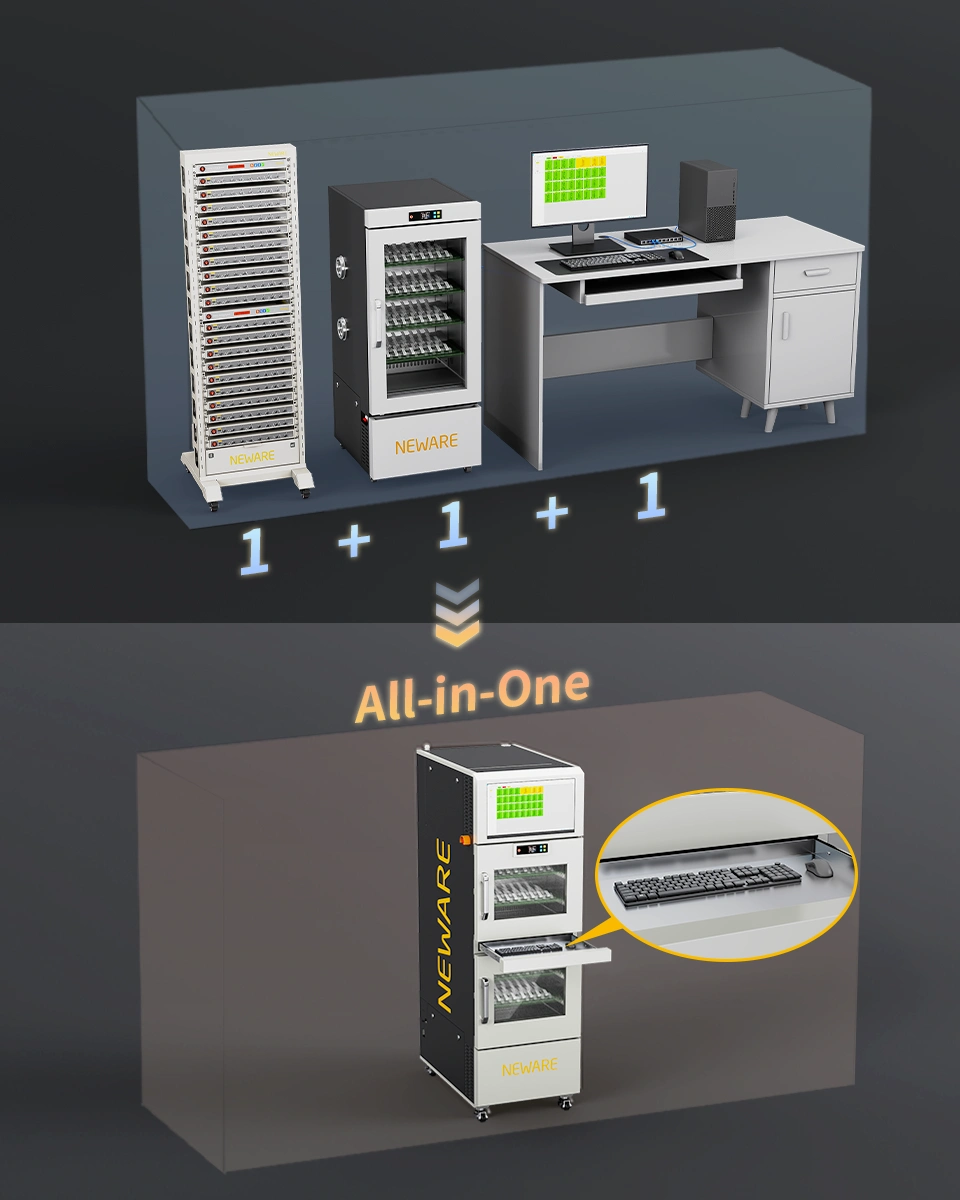
*WHW/WGDW: Constant Temperature Chamber/High-Low Temperature Chamber
*All-in-One Testing System can be customized according to voltage and current requirements.
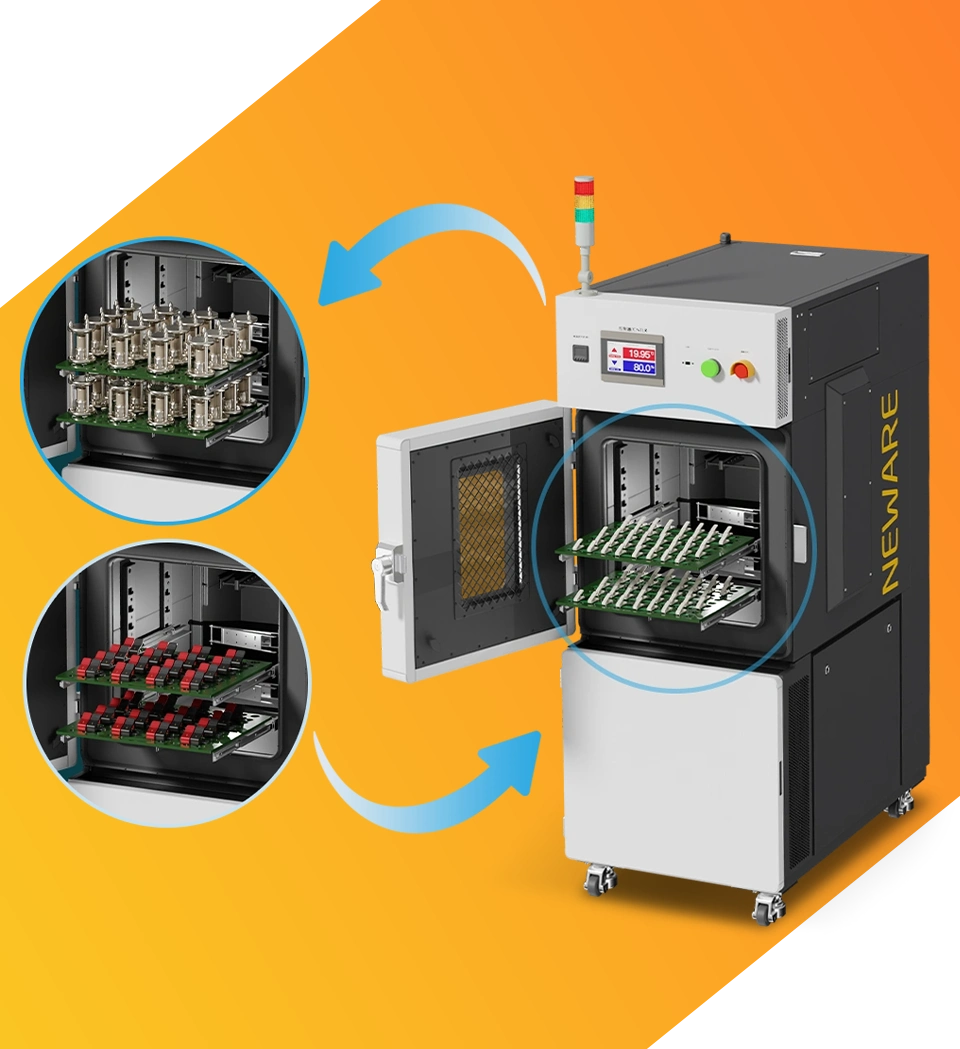
Integrating charge-discharge and temperature testing into one.
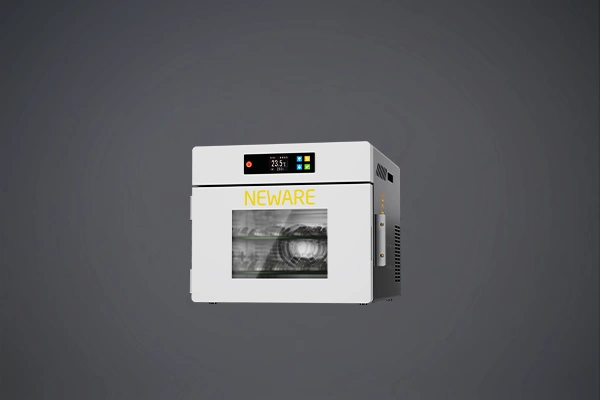
Volume: 25L
Number of Channels: 32CH
Temperature Fluctuation: ≤1.8℉ (1℃)
Temperature Deviation: ±3.6℉ (±2℃)
Heating Time: 77°F ~ 140°F≤50min
(25℃ ~ 60℃≤50min)
Cooling Time: 77°F ~ 59°F≤60min
(25℃ ~ 15℃≤60min)
59°F ~ 140°F (15℃ ~ 60℃)
WHW-25L+15C-32CH
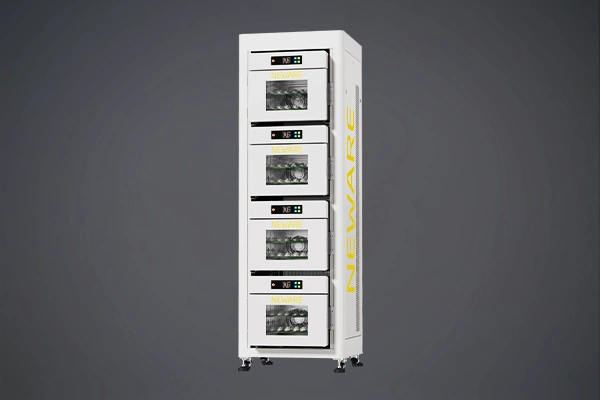
Volume: 25L*4
Number of Channels: 32CH*4
Temperature Fluctuation: ≤1.8℉ (1℃)
Temperature Deviation: ±3.6℉ (±2℃)
Heating Time: 77°F ~ 140°F≤50min
(25℃ ~ 60℃≤50min)
Cooling Time: 77°F ~ 59°F≤60min
(25℃ ~ 15℃≤60min)
59°F ~ 140°F (15℃ ~ 60℃)
WHW-25L+15C-32CH*4
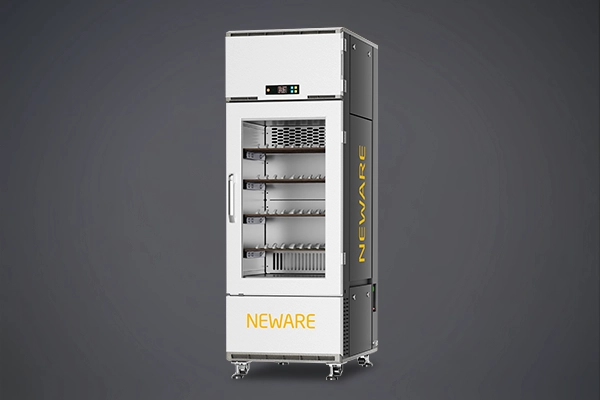
Volume: 200L
Number of Channels: 160CH
Temperature Fluctuation: ≤1.8℉ (1℃)
Temperature Deviation: ±3.6℉ (±2℃)
Heating Efficiency: 77℉ ~ 140℉≤30min
(25℃ ~ 60℃≤30min)
Cooling Efficiency: 77℉ ~ 32℉≤50min
(25℃ ~ 0 ℃≤50min)
32°F ~ 140°F (0℃ ~ 60℃)
WHW-200L-0C-160CH
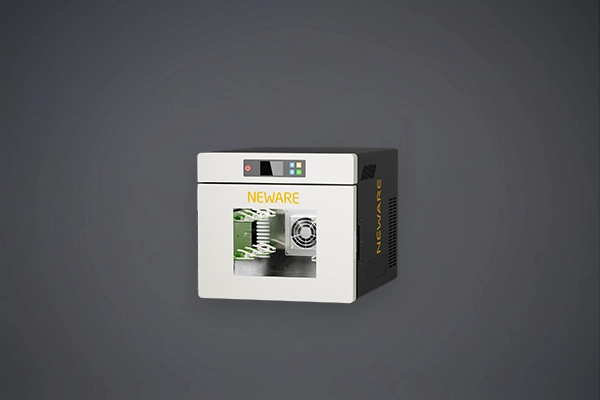
Volume: 25L
Number of Channels: 16CH
Temperature Fluctuation: ≤1.8℉ (1℃)
Temperature Deviation: ±3.6℉ (±2℃)
Heating Efficiency: 77℉ ~ 140℉≤50min
(25℃ ~ 60℃≤50min)
Cooling Efficiency: 77℉ ~ 59℉≤60min
(25℃ ~ 15℃≤60min)
59°F ~ 140°F (15℃ ~ 60℃)
WHW-25L+15C-16CH
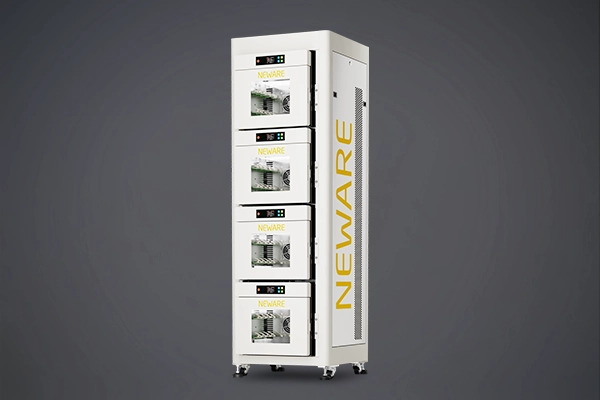
Volume: 25L*4
Number of Channels: 16CH*4
Temperature Fluctuation: ≤1.8℉ (1℃)
Temperature Deviation: ±3.6℉ (±2℃)
Heating Time: 77°F ~ 140°F≤50min
(25℃ ~ 60℃≤50min)
Cooling Time: 77°F ~ 59°F≤60min
(25℃ ~ 15℃≤60min)
59°F ~ 140°F (15℃ ~ 60℃)
WHW-25L+15C-16CH*4
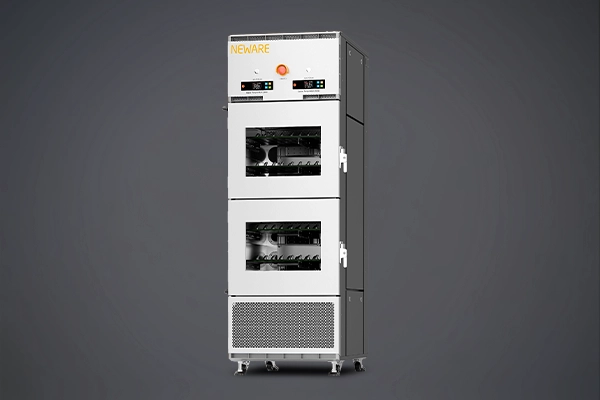
Volume: 100L*2
Number of Channels: 160CH
Temperature Fluctuation: ≤1.8℉ (1℃)
Temperature Deviation: ±3.6℉ (±2℃)
Heating Efficiency: 77℉ ~ 140℉≤30min
(25℃ ~ 60℃≤30min)
Cooling Efficiency: 77℉ ~ 32℉≤50min
(25℃ ~ 0℃≤50min)
32°F ~ 140°F (0℃ ~ 60℃)
WHW-200L2-0C-160CH
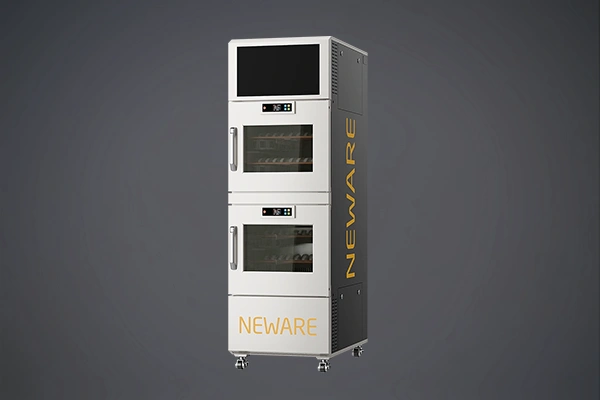
Volume: 100L*2
Number of Channels: 160CH
Temperature Fluctuation: ≤1.8℉ (1℃)
Temperature Deviation: ±3.6℉ (±2℃)
Heating Time: 77°F ~ 140°F≤30min
(25℃ ~ 60℃≤30min)
Cooling Time: 77°F ~ 32°F≤50min
(25℃ ~ 0℃≤50min)
32°F ~ 140°F (0℃ ~ 60℃)
WHW-200L2-0C-9U-PC
Simulates extreme temperature variations to test battery performance and endurance under different conditions.
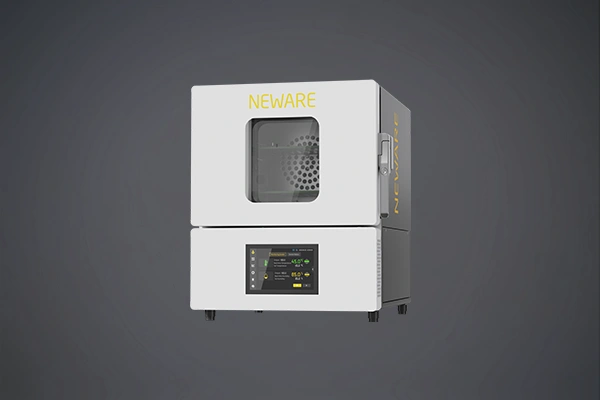
Volume: 20L
Number of Channels: 16CH
Temperature Fluctuation: ≤±0.9℉ (0.5℃)
Temperature Deviation: ±3.6℉ (±2℃)
Heating Time: 68°F ~ 185°F ≤30 min
(20℃ ~ 85℃≤30min)
Cooling Time: 68°F ~ -4°F≤45min
(20℃ ~ -20℃≤45min)
-4°F ~ 185°F (-20℃~85℃)
WGDW-20L-20C-220V-2U
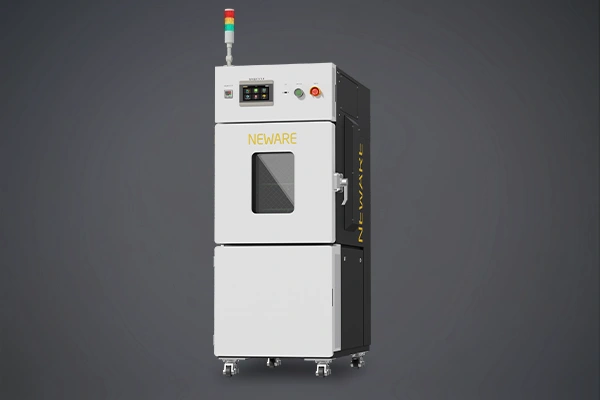
Volume: 100L
Space for Test System: 5U
Temperature Fluctuation: ≤0.9℉ (0.5℃)
Temperature Deviation: ±3.6℉ (±2℃)
Heating Time: 68°F ~ 302°F≤60min
(20℃ ~ 150℃≤60min)
Cooling Time: 68°F ~ -94°F≤75min
(20℃ ~ -70℃≤75min)
-4 ~ 302°F (-20 ~ 150°C)
WGDW-100L-20C-380V-5U
-40 ~ 302°F (-40 ~ 150°C)
WGDW-100L-40C-380V-5U
-94 ~ 302°F (-70 ~ 150°C)
WGDW-100L-70C-380V-5U
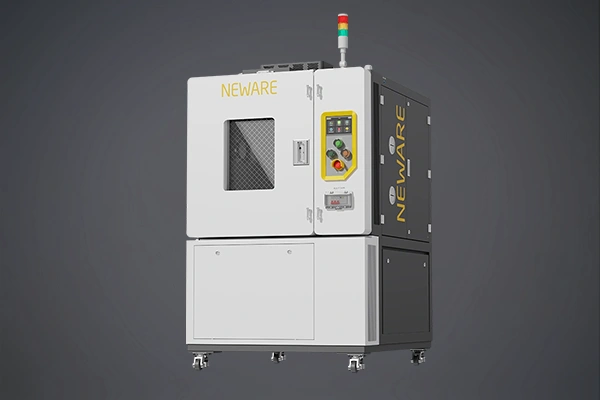
Volume: 200L
Space for Test System: 6U
Temperature Fluctuation: ≤0.9℉ (0.5℃)
Temperature Deviation: ±3.6℉ (±2℃)
Heating Time: 68°F ~ 302°F≤60min
(20℃ ~ 150℃≤60min)
Cooling Time: 68°F ~ -40°F≤60min
(20℃ ~ -40℃≤60min)
-4 ~ 302°F (-20 ~ 150°C)
WGDW-200L-20C-380V-6U
-40 ~ 302°F (-40 ~ 150°C)
WGDW-200L-40C-380V-6U
-94 ~ 302°F (-70 ~ 150°C)
WGDW-200L-70C-380V-6U
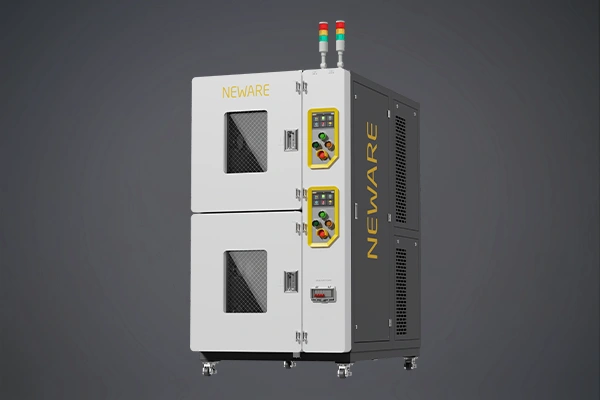
Volume: 200L*2
Space for Test System: 12U
Temperature Fluctuation: ≤0.9℉ (0.5℃)
Temperature Deviation: ±3.6℉ (±2℃)
Heating Time: 68°F ~ 302°F≤60min
(20℃ ~ 150℃≤60min)
Cooling Time: 68°F ~ -40°F≤60min
(20℃ ~ -40℃≤60min)
-4 ~ 302°F (-20 ~ 150°C)
WGDW-400L2-20C-380V-12U
-40 ~ 302°F (-40 ~ 150°C)
WGDW-400L2-40C-380V-12U
-94 ~ 302°F (-70 ~ 150°C)
WGDW-400L2-70C-380V-12U
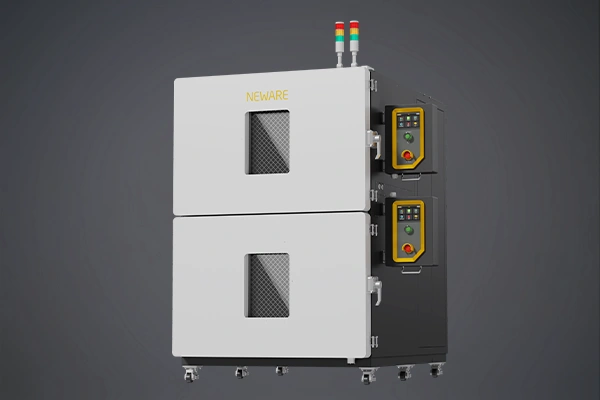
Volume: 400L*2
Space for Test System: 32U
Temperature Fluctuation: ≤0.9℉ (0.5℃)
Temperature Deviation: ±3.6℉ (±2℃)
Heating Time: 68°F ~ 302°F≤60min
(20℃ ~ 150℃≤60min)
Cooling Time: 68°F ~ -40°F≤60min
(20℃ ~ -40℃≤60min)
-4 ~ 302°F (-20 ~ 150°C)
WGDW-800L2-20C-380V-32U
-40 ~ 302°F (-40 ~ 150°C)
WGDW-800L2-40C-380V-32U
-94 ~ 302°F (-70 ~ 150°C)
WGDW-800L2-70C-380V-32U
- Power supply customization: Default 3-phase 380 VAC, optional 208 VAC for North American markets.
- Channel configuration flexibility: Adjustable channel density & current range based on specific testing requirements.
- Software integration: Compatible with LIMS systems for seamless data traceability.
- Capacity specification: 1 U = 1.75 IN = 4.445 cm
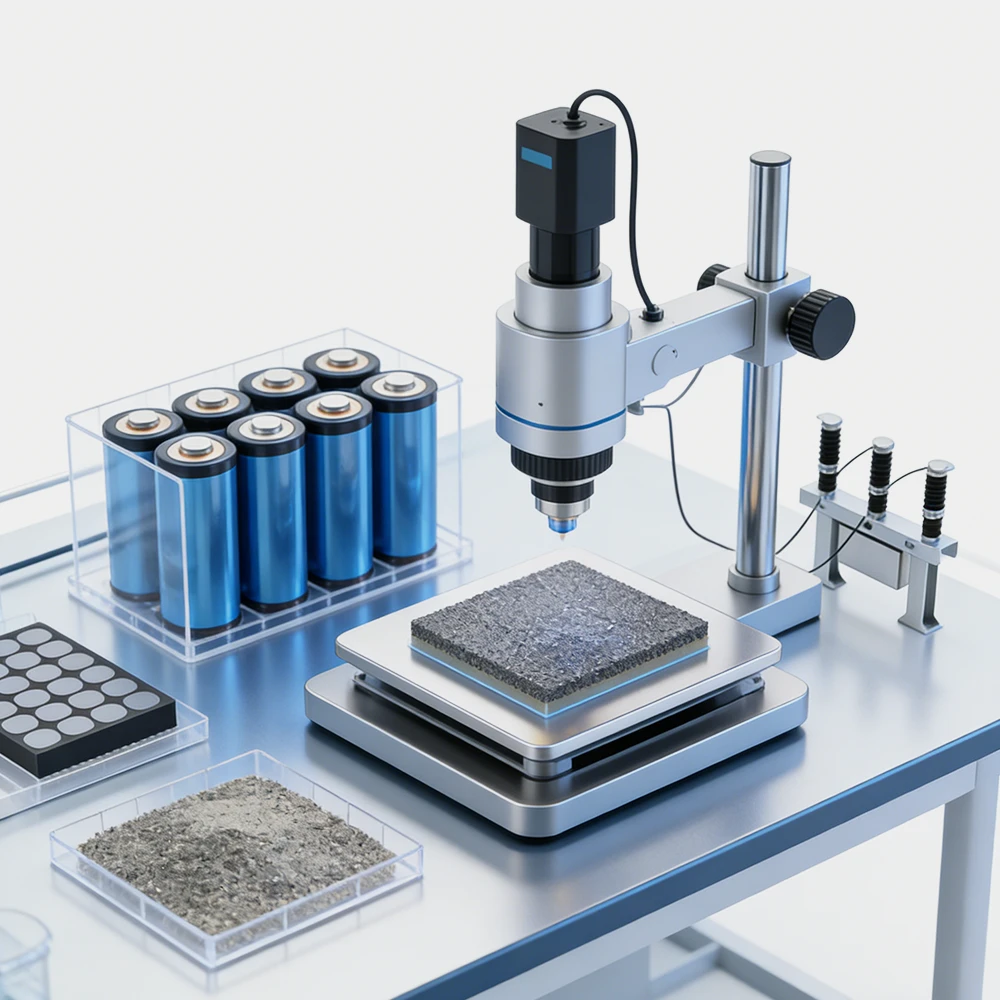
We specialize in battery preparation technology research, focusing on overcoming existing energy storage challenges by innovating in electrode materials, battery chemistry, and manufacturing processes to improve performance, enhance safety, and reduce costs. Sustainability and recycling technologies for batteries are also emphasized to mitigate environmental impacts and foster the growth of green energy.

The lab focuses on solid-state battery research to overcome traditional lithium batteries' safety and energy density issues, supporting environmental sustainability. It develops innovative solid-state electrolytes, refines electrode materials, and investigates ion transfer and interface stability to revolutionize battery technology.
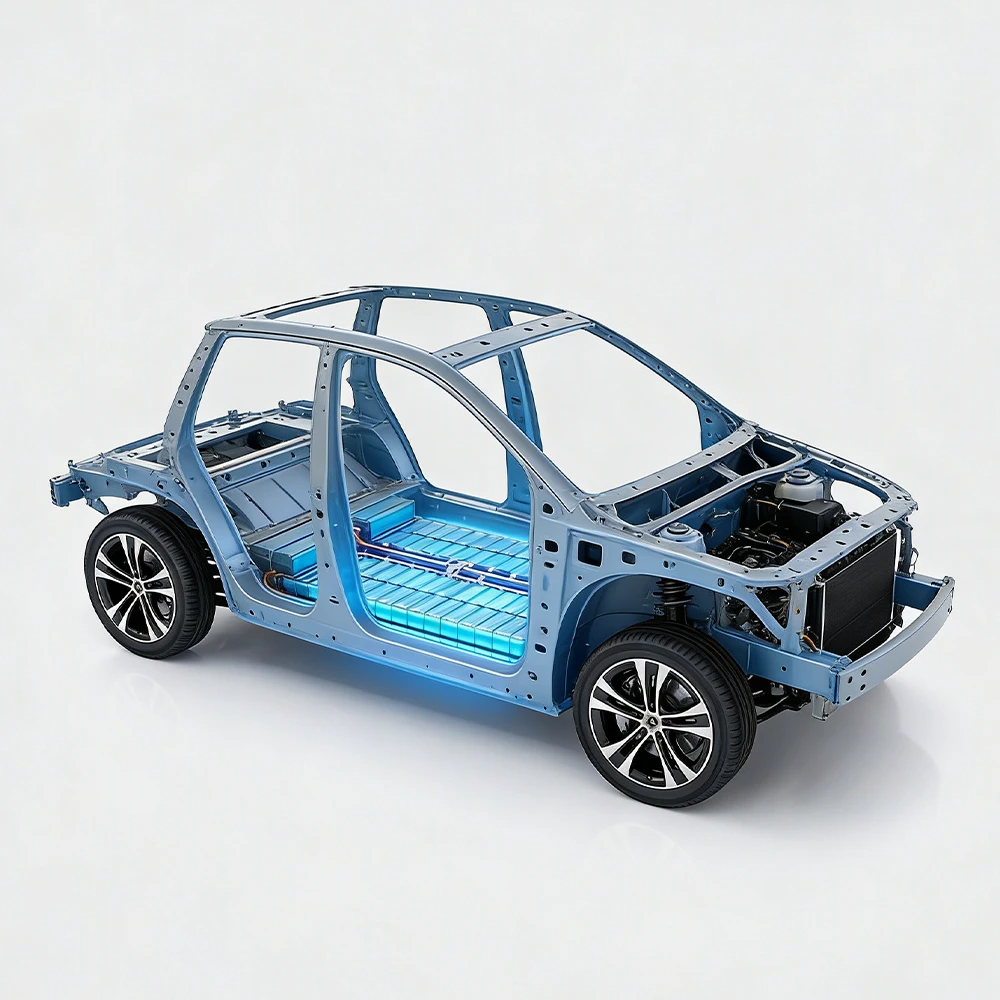
Power battery technology faces multiple challenges, including enhancing energy density, enabling fast charging, ensuring safety, and improving cost-effectiveness. Laboratory research focuses on addressing these issues in EV power batteries. Researchers explore advanced materials, intelligent management, and green recycling technologies to improve battery performance and ensure safety. These efforts promote environmental sustainability and aid the global energy transition.
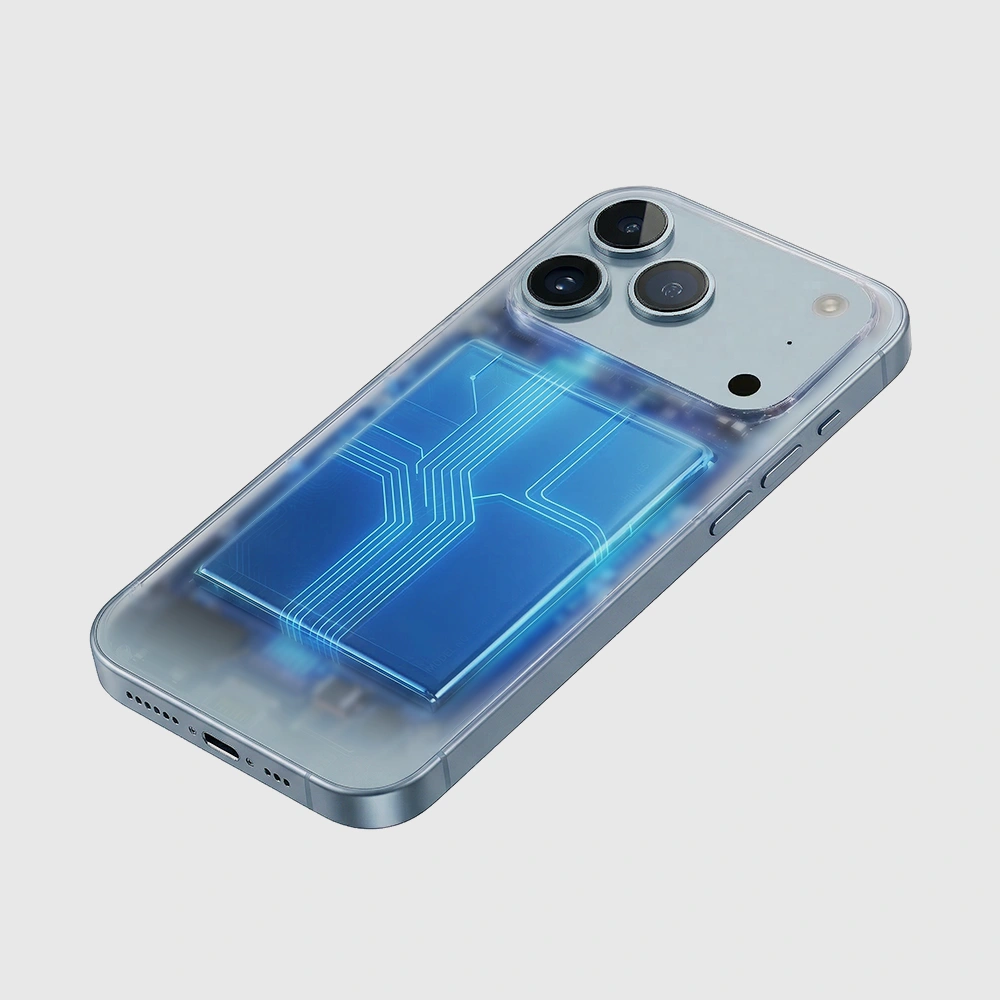
With the widespread use and increased frequency of cell phones, the endurance, safety, and lifespan of mobile phone batteries have become a focus of concern for both users and manufacturers. Cell phone batteries primarily use lithium-ion battery technology, but there are issues and challenges that drive the need for charge and discharge equipment to test cell phone batteries.
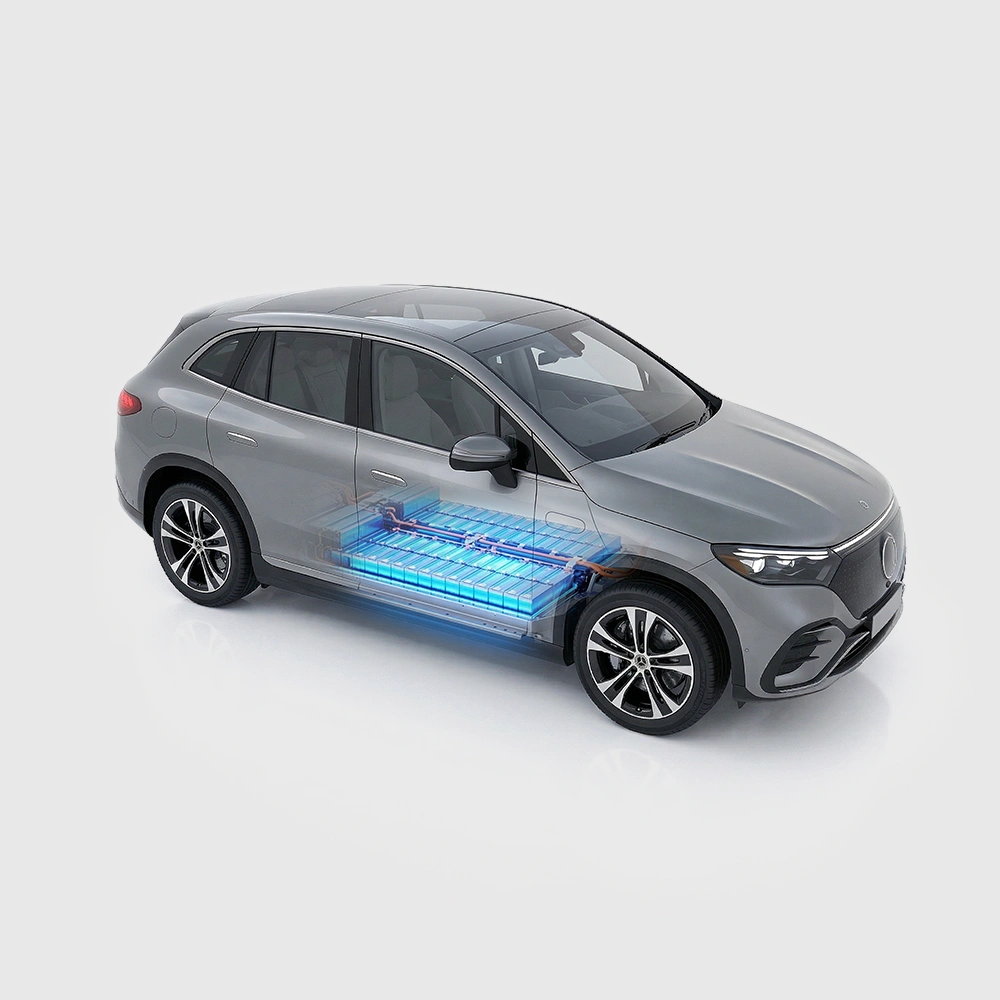
The electric vehicle battery industry is rapidly developing, focusing on technological innovation, market competition, and sustainability. Research hotspots include solid-state batteries, new types of electrolytes, BMS optimization, and recycling technologies. The environmental adaptability, safety, and economic viability of batteries are key research areas, and the industry is expected to undergo more innovation and transformation.
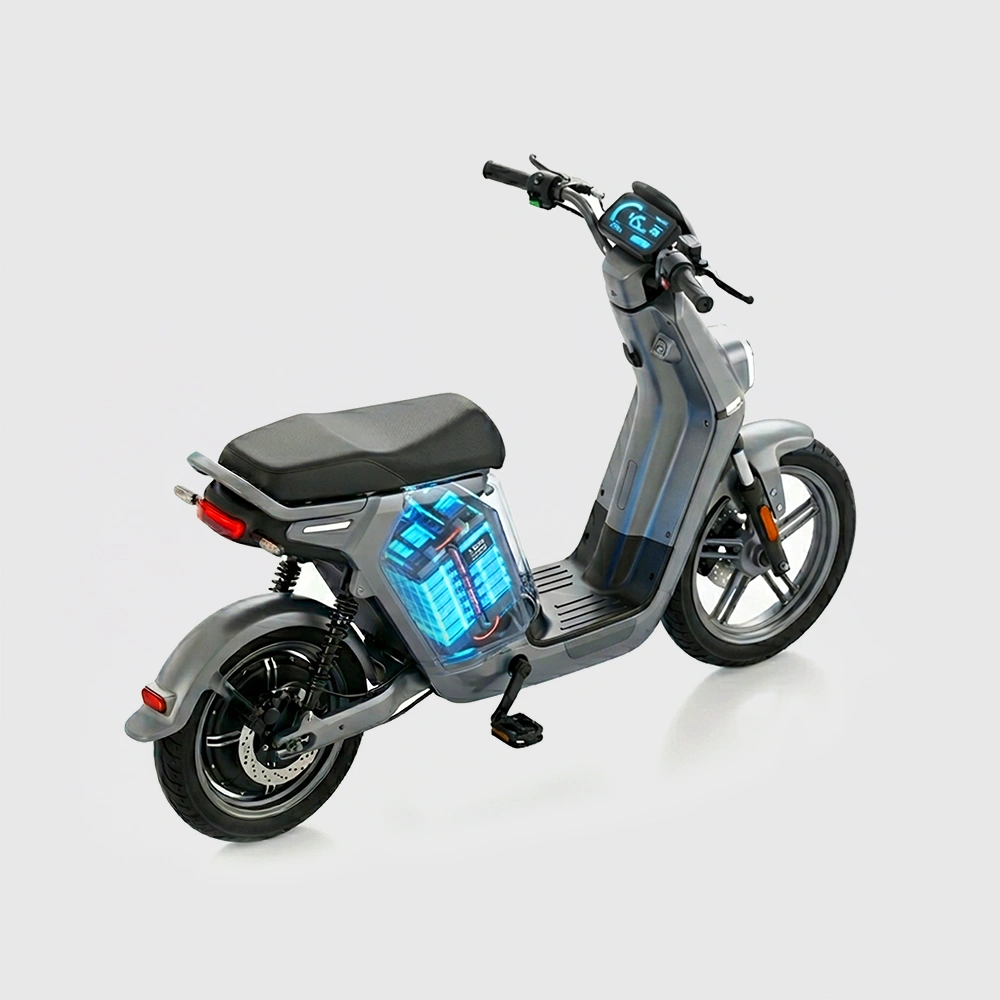
Electric Hoverboard, electric scooters, e bikes, and electric motorcycles are changing the way people travel, with the development of battery technology being at the core of this transformation. The main issues faced by electric bicycle batteries include battery cost, range, the popularity of charging infrastructure, thermal management of batteries, and safety. As battery technology continues to advance, it provides more reliable power support for these intelligent devices.