Humanoid robot battery requirements: the power behind embodied ai
One year ago, robots at the Spring Festival Gala were merely "big toys" performing Yangko dances or spinning handkerchiefs. However, on the 2026 stage, robots from companies such as Unitree Robotics, Noetix Robotics, and Galbot delivered stunning performances—wielding sticks, brandishing swords, and even executing high-difficulty "Drunken Boxing" routines.
This leap from simple movements to "martial arts mastery" signifies that robots have completed a qualitative transformation from script-driven routines to high-performance dynamic control.
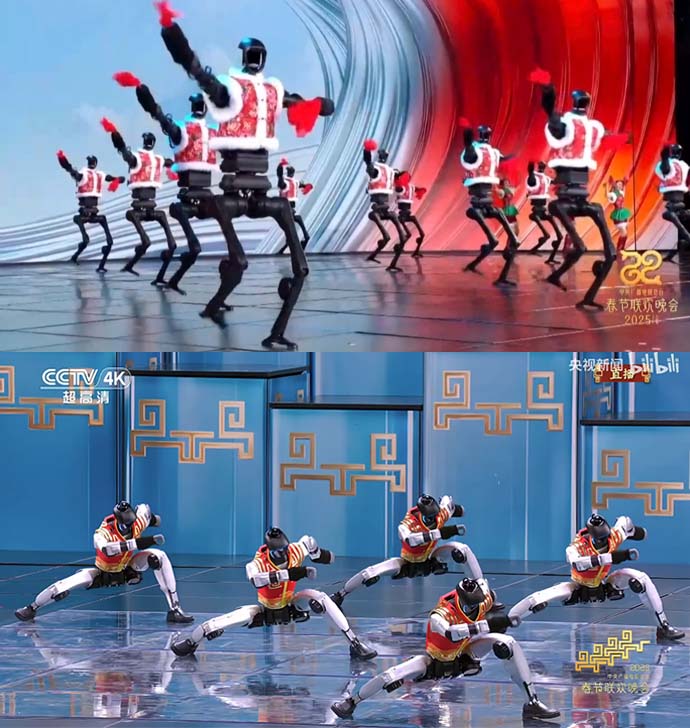
Audiences marveled at their flexibility, but from the perspective of robot dynamics, these complex movements place extreme demands on instantaneous power output and high-rate discharge. Without a robust energy system as the underlying support, even the smartest "brain" cannot command a heavy mechanical torso to complete explosive actions. It is this thirst for ultimate power that has shifted the industry's focus to the robot's hidden "heart": high-rate power batteries.
The 2026 energy bottleneck: why standard ev batteries fail humanoids
However, explosive power on stage is only one side of the coin. When robots attempt to leave the studio and truly enter factories or homes, they face a dual energy challenge: they must be both "explosive" and "durable." The reality is that traditional liquid lithium batteries face bottlenecks on both fronts.
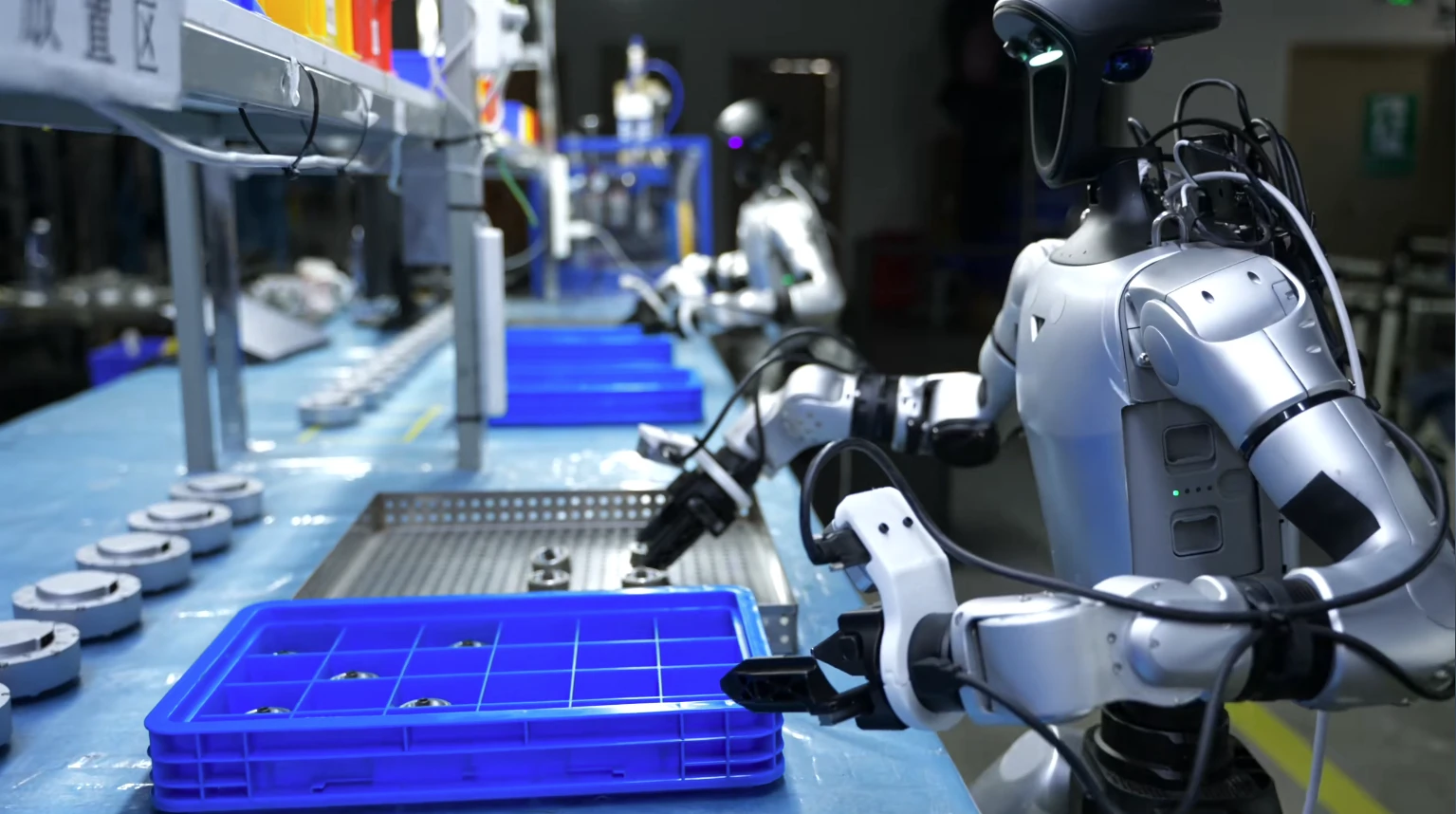
Compared to electric vehicles, the power challenges for humanoid robots are even more demanding:
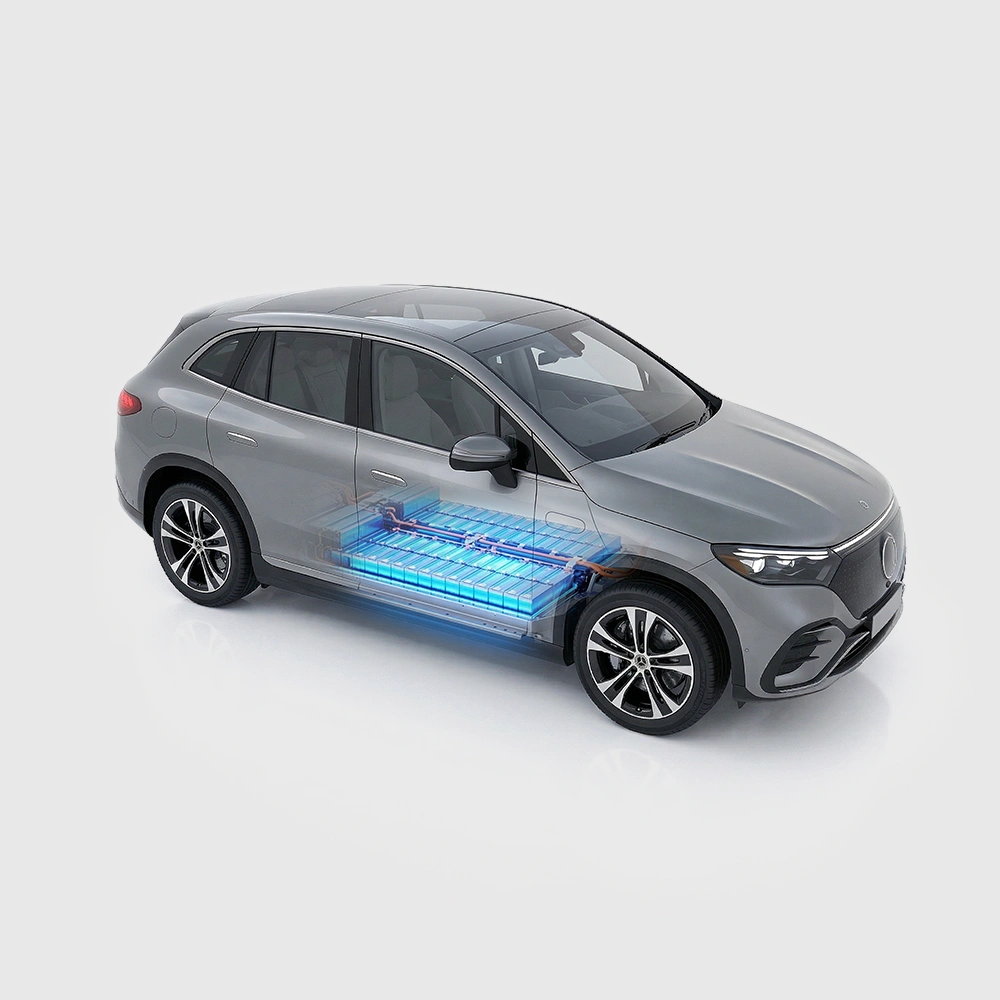
Extreme space constraints: The abdominal and leg spaces of robots are narrow, making it impossible to lay out giant battery packs like EVs; improvements in energy density can only rely on breakthroughs in cell chemistry.
Difficulty in balancing high burst and high energy density: Traditional liquid lithium batteries require a painful trade-off between high-rate discharge and long range during design, often failing to achieve both.
Operational duration bottleneck: Currently, the continuous operation of mainstream robots is only 2–4 hours, far from meeting the 24/7 uninterrupted demand of the industrial sector.
Safety redline: Robots entering homes must never catch fire, yet the risk of thermal runaway in liquid electrolytes always exists.
These pain points are driving the industry to accelerate the search for next-generation battery technology. And solid-state batteries happen to stand at the forefront of this energy revolution.
Solid-state batteries performance:unlocking 10C+ discharge for robotic joints
With their three major characteristics—high energy density, high-rate discharge performance, and intrinsic safety—solid-state batteries precisely address all the aforementioned pain points. They are no longer just a "spare tire" for the automotive industry but have found their most urgent application scenario in humanoid robots.
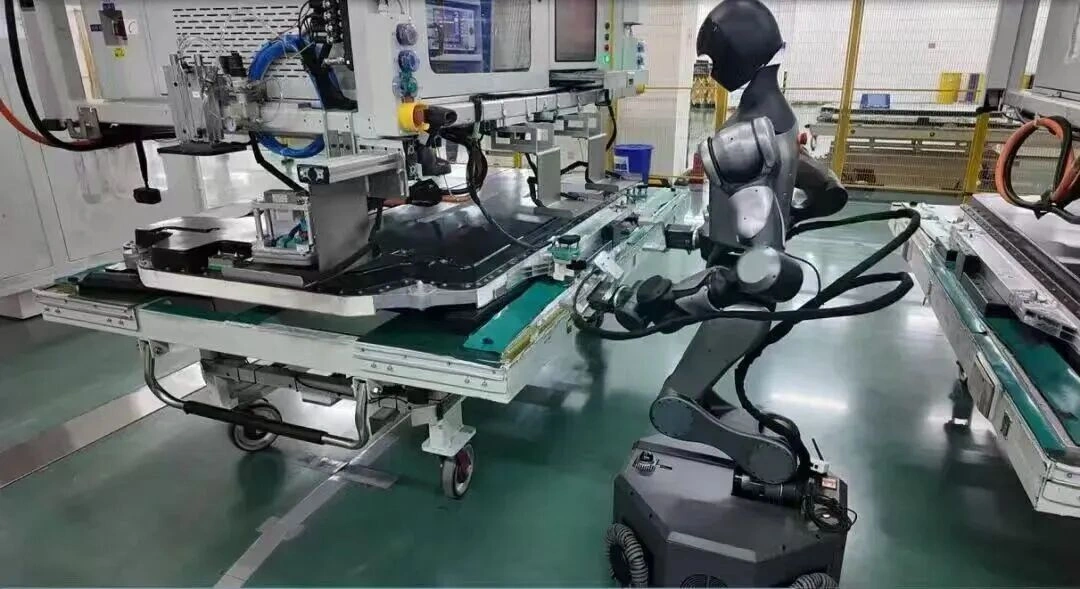
In 2026, battery giants such as CATL and EVE Energy have begun leveraging their expertise in the new energy vehicle sector to execute a "dimension reduction strike" on the robot track:
CATL: Beyond battery supply, CATL has invested in humanoid robotics company Galbot while deploying humanoid robots on its own PACK lines—creating a closed loop where robots help build robot batteries.
EVE energy: Its G26P power cell supports 9-minute ultra-fast charging—a critical feature for commercial robots that require frequent power top-ups to maintain continuous operation.
Reliance energy: With its 21700-6.0Ah tabless large cylindrical cell, Reliance Energy has achieved energy density exceeding 300Wh/kg, freeing robots from the limitation of short runtime.
Farasis Energy: The company has completed sampling of sulfide all-solid-state batteries for a leading humanoid robot client and continues to coordinate with several other top humanoid robot companies on solid-state battery needs, with projects progressing smoothly.
Why are humanoid robots the best proving ground for solid-state batteries?
A profound industry insight: solid-state batteries do not have to struggle solely in the automotive track. In the auto industry, progress is slow due to high costs and mass-production difficulties. However, the robotics field demonstrates stronger inclusivity and adaptability, primarily reflected in the following points:
High premium capability: High-end robot customers are less sensitive to battery prices, enabling them to cover the early R&D costs of solid-state batteries.
Ultimate safety: For robots entering homes, fire safety is a rigid demand, and the high safety of solid-state batteries is essential.
Redefining standards: Robot batteries do not need to follow standardized automotive modules; they can be custom-packaged for irregular spaces.

Conclusion: from the stage to daily life, only 'one heart' away
The 200+ robots at the 2026 Spring Festival Gala completed a stunning "muscle show" under the spotlight. But the true test has just begun—when they leave the studio and enter living rooms, factories, and hospitals to become participants in daily life rather than performers, can the "heart" hidden in their chest withstand the test of time?
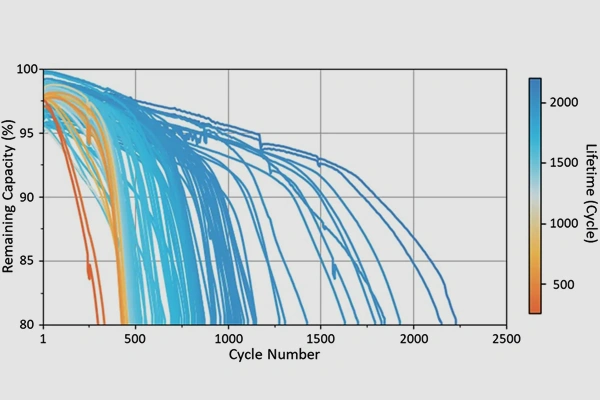
Is the high-rate discharge consistently stable? Can it start normally on a winter night at -10°C? Will it feel "powerless" after 2,000 charge-discharge cycles? The answers to these questions are not on the Spring Festival Gala stage, but in sets of precise test data.
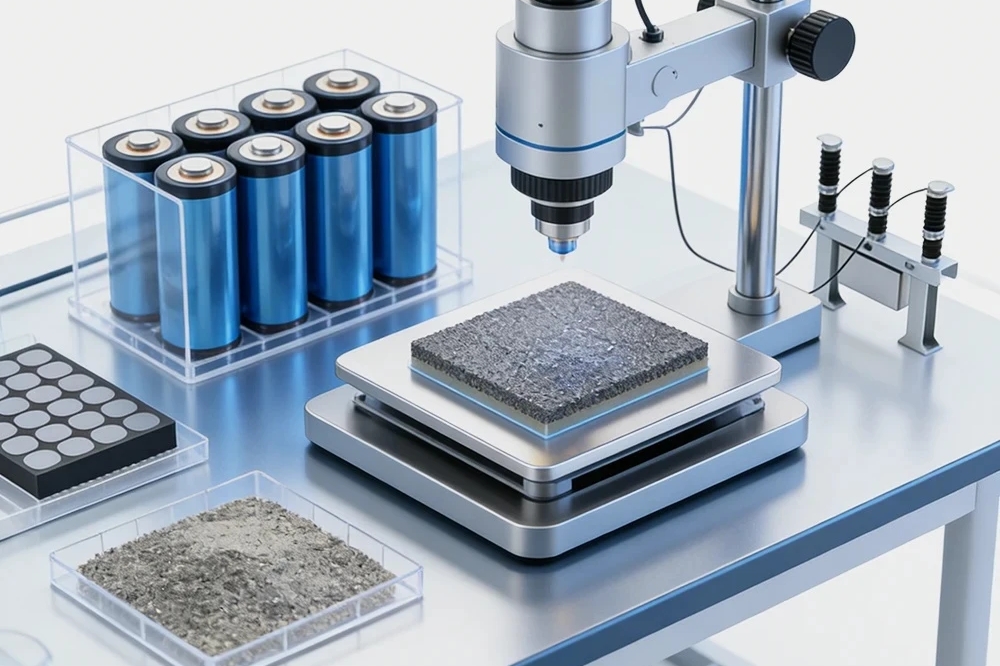
This is exactly the field where NEWARE has been deeply involved for over twenty years. As an expert in battery testing, NEWARE "takes the pulse" of every power core about to be installed in a robot: high-precision charge-discharge test systems record every energy flow; environmental test chambers ranging from -70°C to 150°C (-94°F to 302°F) simulate extreme scenarios from bitter cold to scorching heat; and the integrated solution combining test channels, solid-state fixtures, and temperature chambers developed specifically for solid-state batteries provides key data support for the reliability of next-generation batteries.
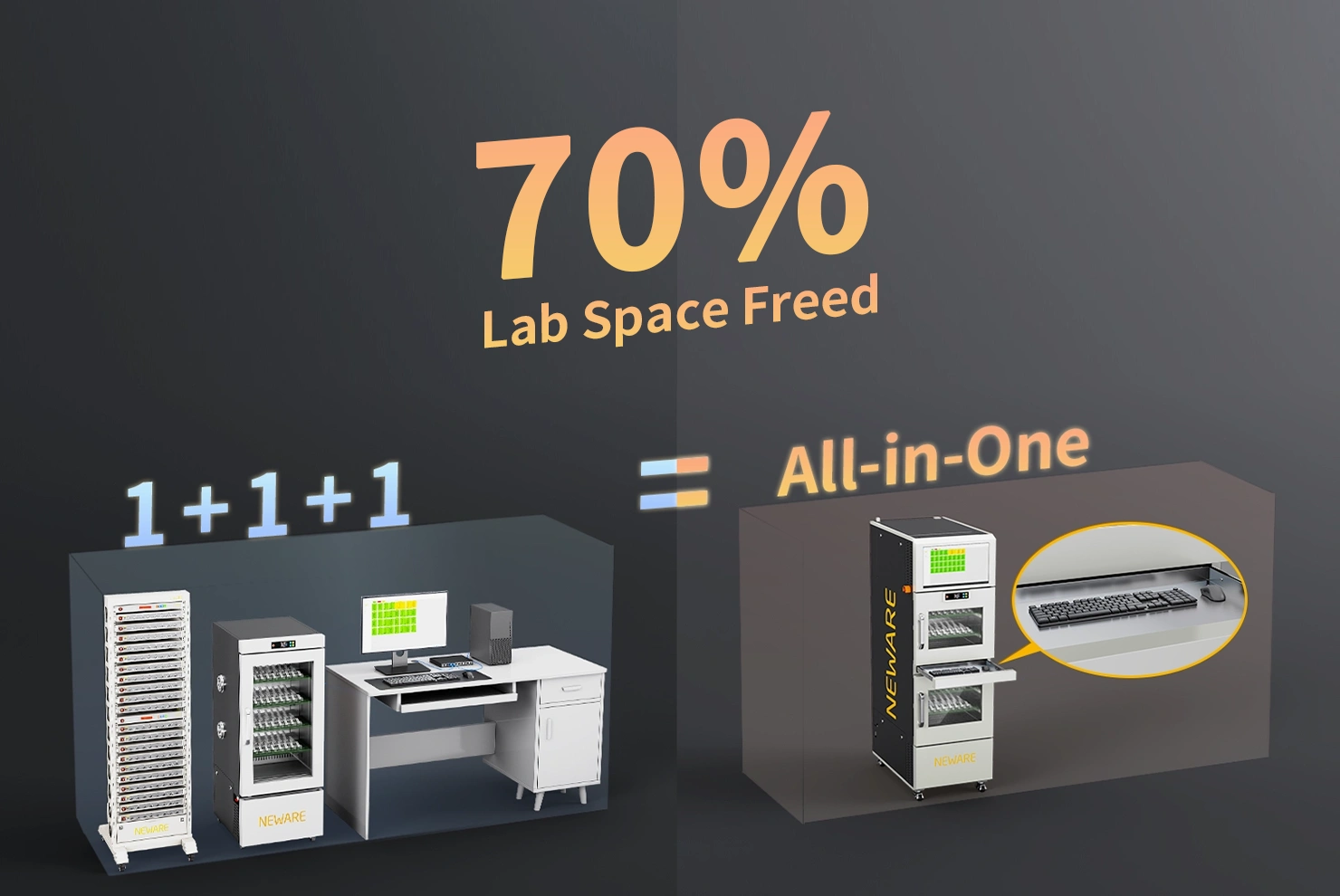
From handkerchief spinning to drunken boxing, we have witnessed the evolution of the robot's "heart"; and from the test bench to the field of daily life, NEWARE is using technology and craftsmanship to write the most reliable footnote for this evolution. After all, a robot that can appear on the Spring Festival Gala is amazing, but a robot that can enter millions of homes is truly what people look forward to.