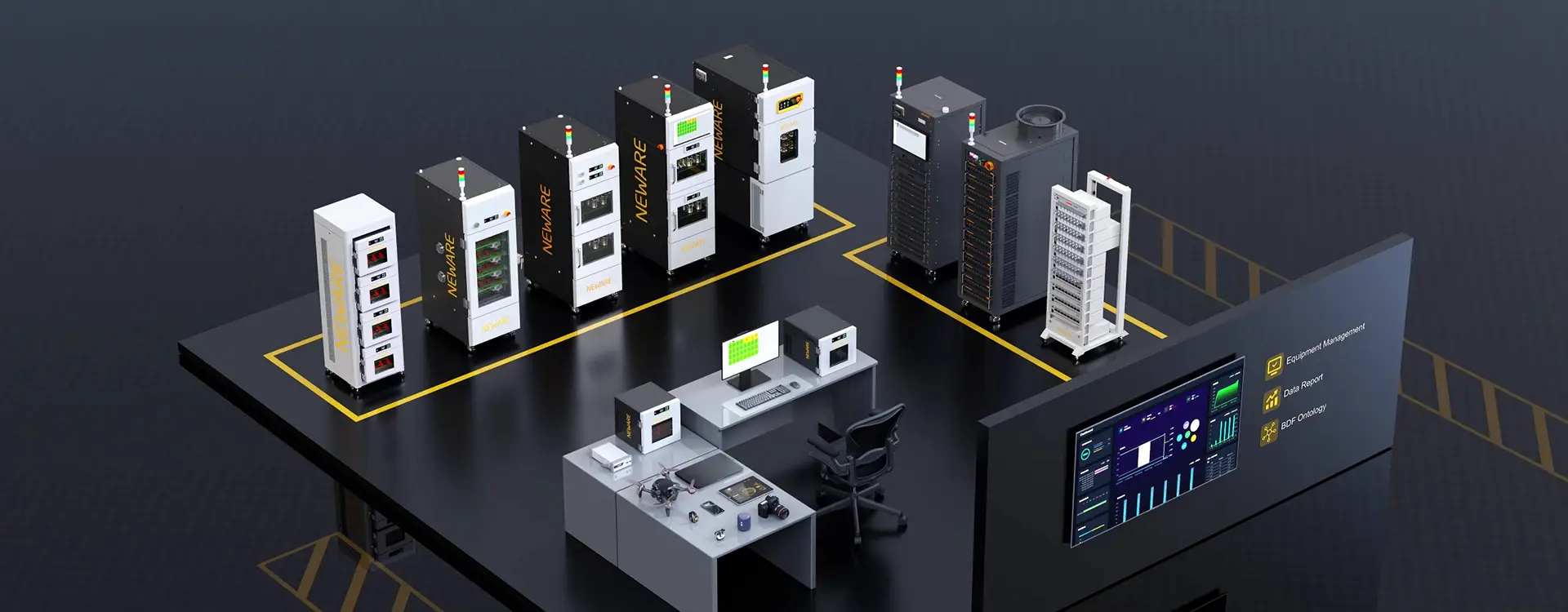
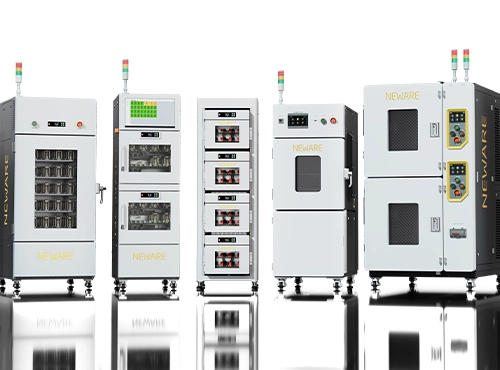
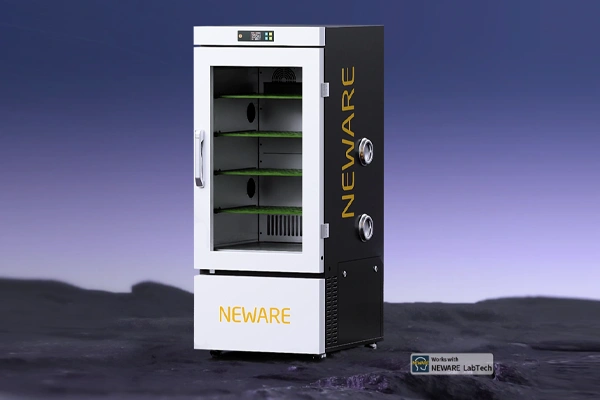
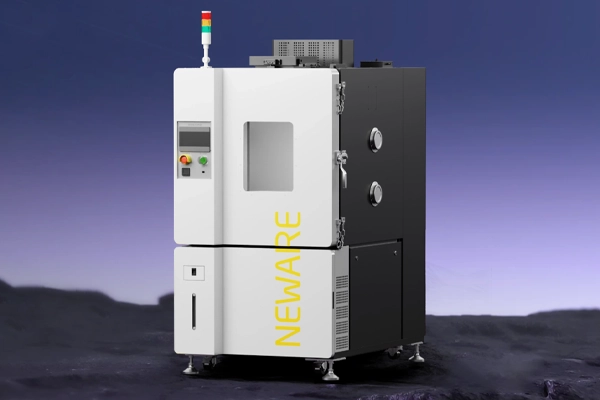
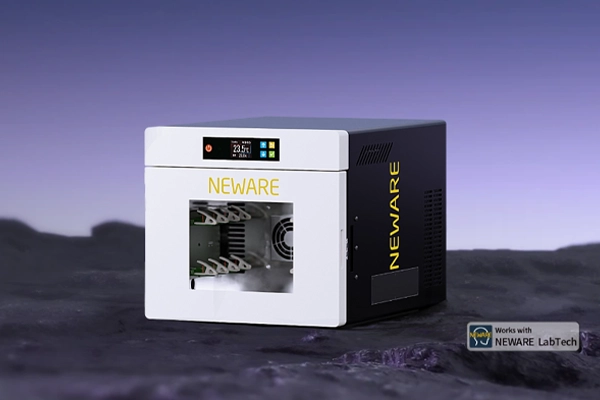
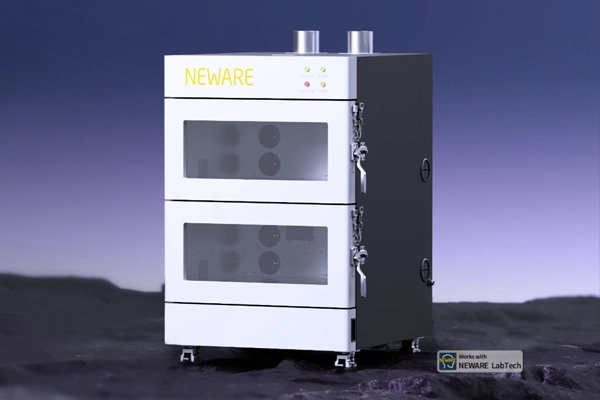
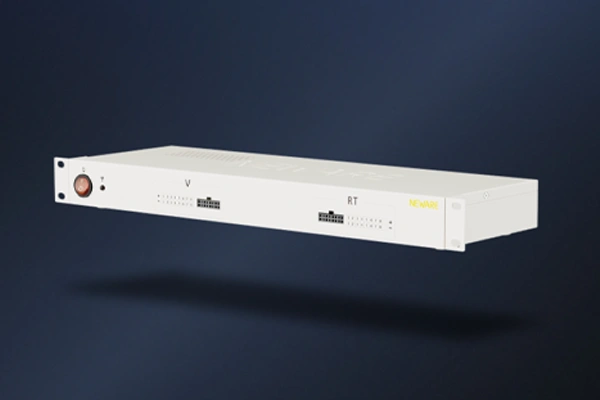
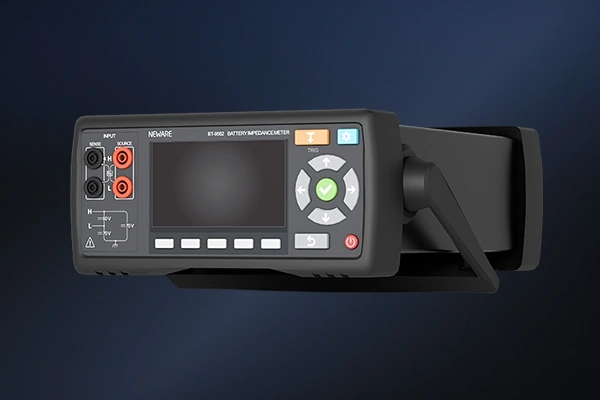
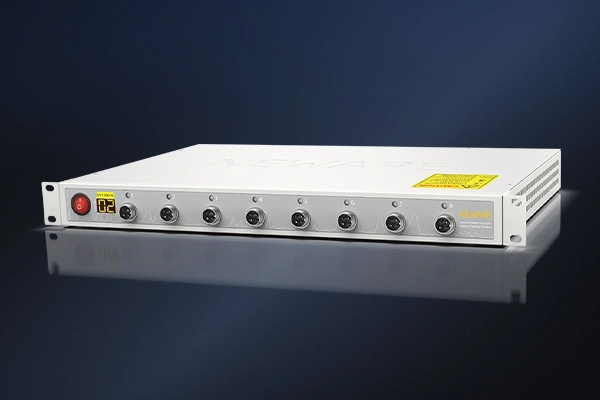
Electronic product batteries are evolving towards higher energy density, faster charging speeds, and longer cycle life. NEWARE battery testing system helps battery manufacturers understand key parameters such as charging efficiency, discharge characteristics, capacity, internal resistance, and cycle life, providing a scientific basis for further battery improvements.

Find your tester by applications

Cell Definition to Product Qualification

A systematic 7-stage verification workflow covering the full development lifecycle. Click each phase to explore detailed steps.

Validation Stage

Cell/Pack Definition. Define target capacity, voltage window, form factor (coin/pouch/cylindrical), rate requirements, and application-specific constraints. Document all electrical and mechanical specifications before testing begins.

Incoming Screening. Incoming material inspection: electrode coating uniformity, electrolyte composition verification, separator thickness checks. XRD/SEM/BET characterization for material consistency. Establish baseline OCV and impedance for lot traceability.

Initial Performance Testing. Formation cycling with controlled current/voltage protocols to establish stable SEI layer. First-cycle Coulombic efficiency (FCE) measurement. Capacity stabilization over initial cycles to confirm cell health before extended testing.

Fast-Charge, Rate & Cycle Evaluation. Multi-rate discharge testing (0.1C–5C), fast-charge protocol evaluation, and long-term cycle life testing. DCIR tracking at intervals to monitor internal resistance evolution. dQ/dV analysis for degradation mechanism identification.

Temperature & Safety Validation. High/low temperature performance characterization (-20°C to 60°C), thermal stability assessment, and safety testing per IEC 62133 and UN 38.3 — overcharge, short circuit, crush, and thermal abuse tests.

Consistency Analysis. Batch-to-batch consistency analysis using statistical process control (Cpk, σ). Outlier detection, distribution analysis, and comparison against specification limits. Identify systematic variation sources.

Product Qualification. Comprehensive data review, compliance report compilation per IEC 62660, IEC 62133, and UN 38.3. Final qualification for volume production or commercial release with full traceability documentation.

Cell Format

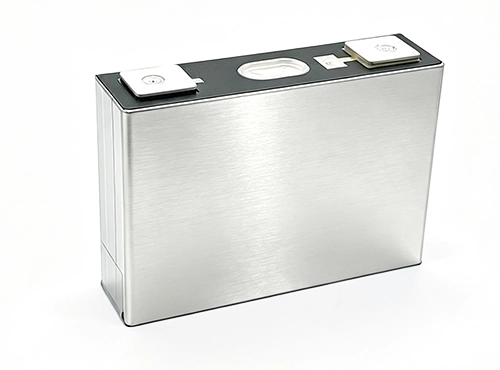
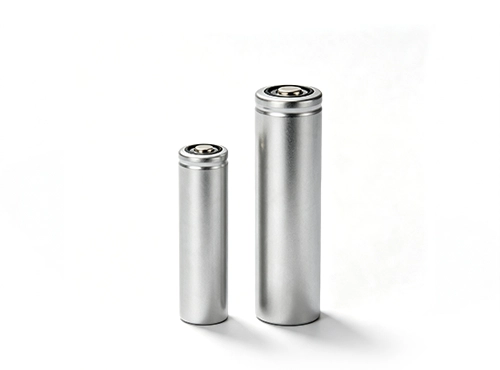
Supporting pouch cell, small-format cylindrical cells (18650/21700), small-format prismatic cells with precision testing from μA to A, integrated temperature control, and compliance-ready data output.
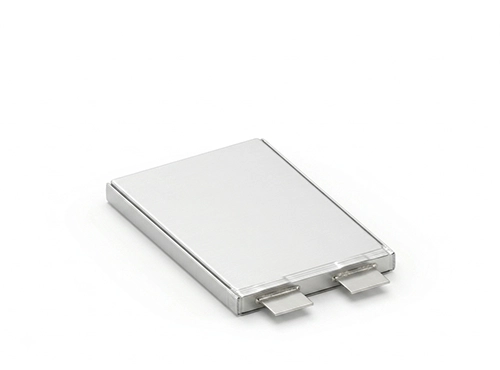
Pouch cell

Pouch cell

Cylindrical cell

Cylindrical cell

Prismatic cell

Prismatic cell

Complete Solution

From material screening to commercial-form validation — a unified testing platform covering every stage of 3C battery cell development.


Cell/Pack Definition
Specification & Application Requirements
Incoming Screening
Material Characterization & Quality Verification
Initial Performance Testing
MFormation, SEI Stabilization & First-Cycle Efficiency
Fast-Charge, Rate & Cycle Evaluation
Performance & Durability Testing
Temperature & Safety Validation
Environmental & Abuse Testing
Consistency Analysis
Statistical Process Control
Product Qualification
Compliance Report & Release Sign-off
NEWARE 3C battery test all cycle

Temperature Test

Charge-Discharge Test

CV/EIS Test

NEWARE-cell phone battery-battery test-Lithium battery-pouch cell-Li-ion battery-Lithium Polymer Battery-thumb-20250726

Cell Phone Battery Test Solutions

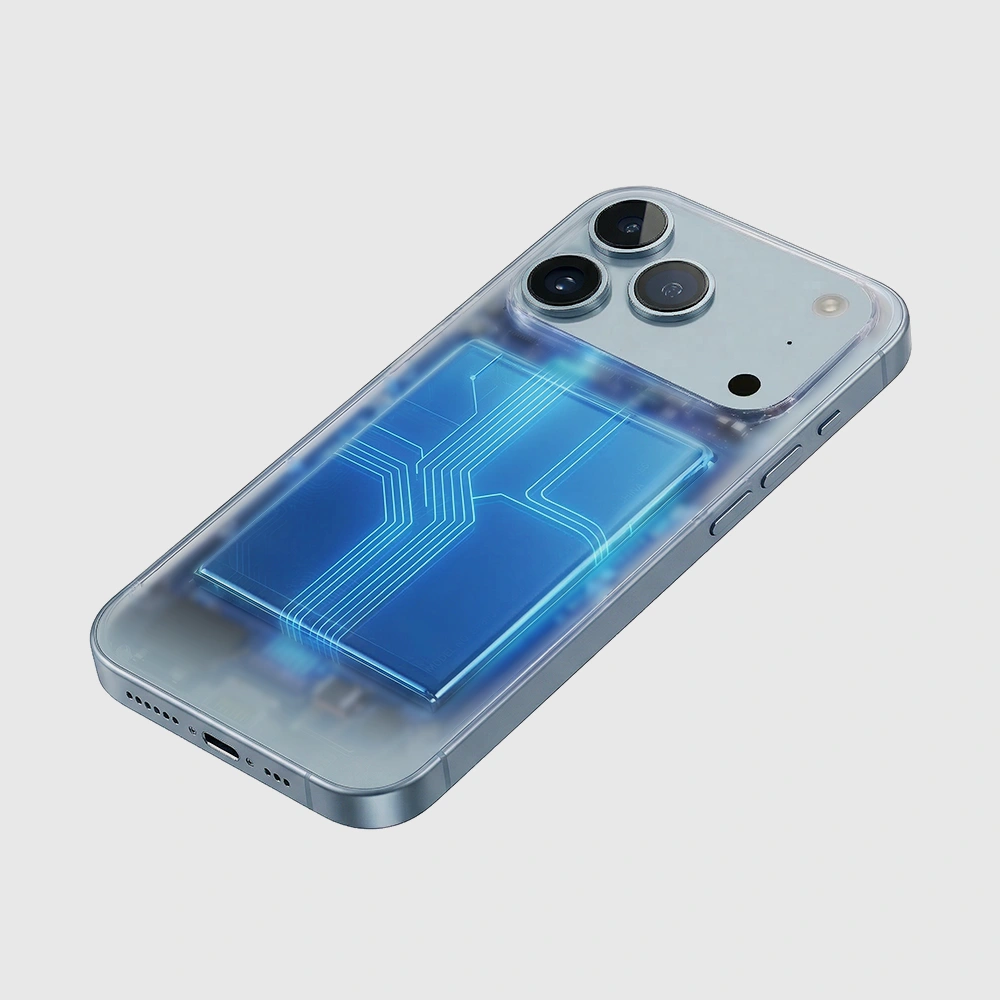
With the widespread use and increased frequency of cell phones, the endurance, safety, and lifespan of mobile phone batteries have become a focus of concern for both users and manufacturers. Cell phone batteries primarily use lithium-ion battery technology, but there are issues and challenges that drive the need for charge and discharge equipment to test cell phone batteries.

  • Battery types: Lithium-ion (Li-ion), Lithium-polymer (Li-po)

  • Battery shapes: Pouch cell, prismatic cell

  • Voltage: Typical rated voltage 3.7V ~ 3.85V, operating voltage range 3.0V ~ 4.45V 

  • Current: Operating & charging current range from mA-level to A-level

Learn more
Laptop and Tablet Battery Test Solutions

Laptop and Tablet Battery Test Solutions

Current battery technology for laptops and tablets is moving towards higher energy density and fast charging, while focusing on improving battery safety and cycle life. Future trends point to the use of new materials such as solid-state electrolytes and the integration of smarter battery management systems to achieve longer life and better environmental resilience.

  • Battery types: Lithium-ion (Li-ion), Lithium Polymer (Li-Po)

  • Battery shapes: Cylindrical 18650, pouch cell, prismatic cell

  • Voltage: Rated 3.7V/cell, pack 10.8V ~ 14.8V, operating 3.0V ~ 4.45V/cell

  • Current: Operating 5A ~ 20A, charging 3A ~ 6A, peak up to 30A+
Learn more
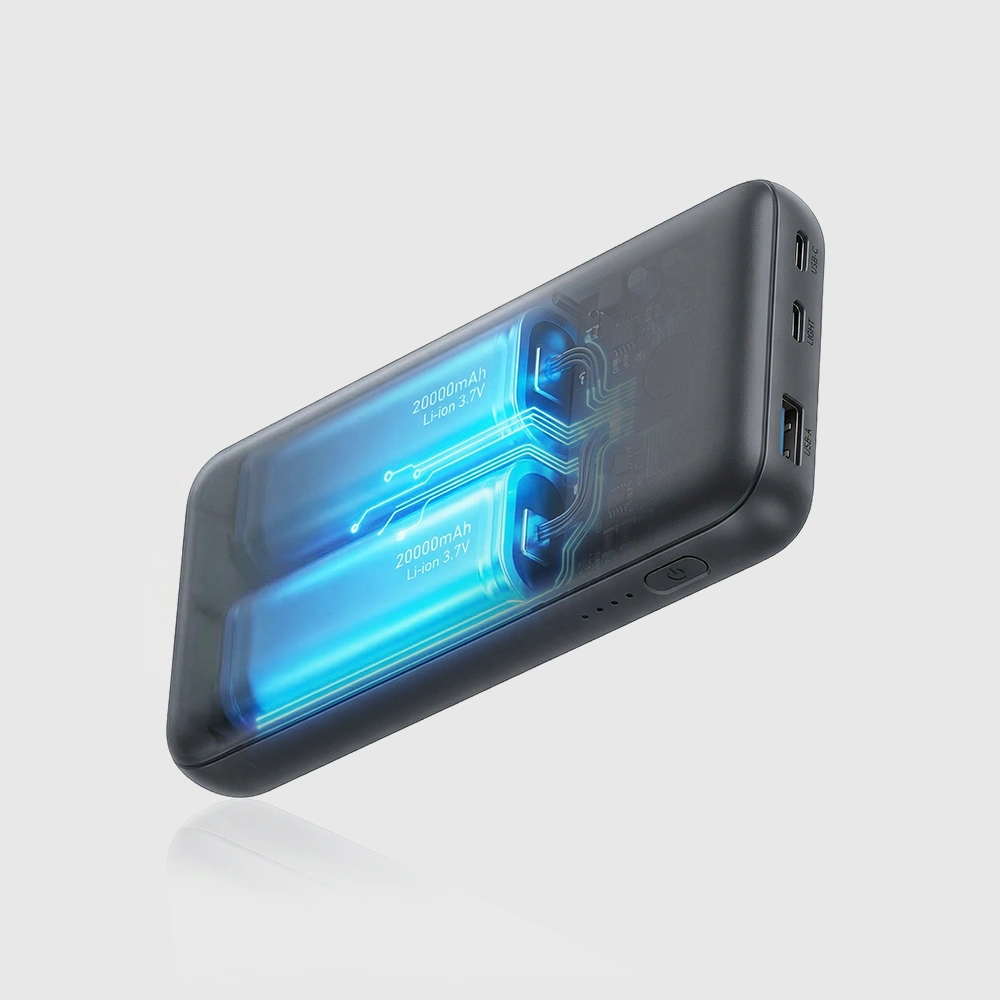
Power Bank Battery Test Solutions

Power Bank Battery Test Solutions

As the power-bank market surges, a wave of safety hazards has emerged, making battery testing the linchpin for both regulatory compliance and brand credibility.

  • Battery types: Lithium-ion (Li-ion), Lithium Polymer (Li-Po)

  • Battery shapes: Cylindrical 18650, pouch cell, prismatic cell

  • Voltage: Rated 3.7V/cell, nominal output 5V, working 3.0V ~ 4.45V/cell

  • Current: Output 1A ~ 2.4A, fast charge 3A ~ 5A, charging 1A ~ 3A
Learn more
Bluetooth headphone battery testing banner thumb-20260317

Bluetooth Headphone Battery Test Solutions

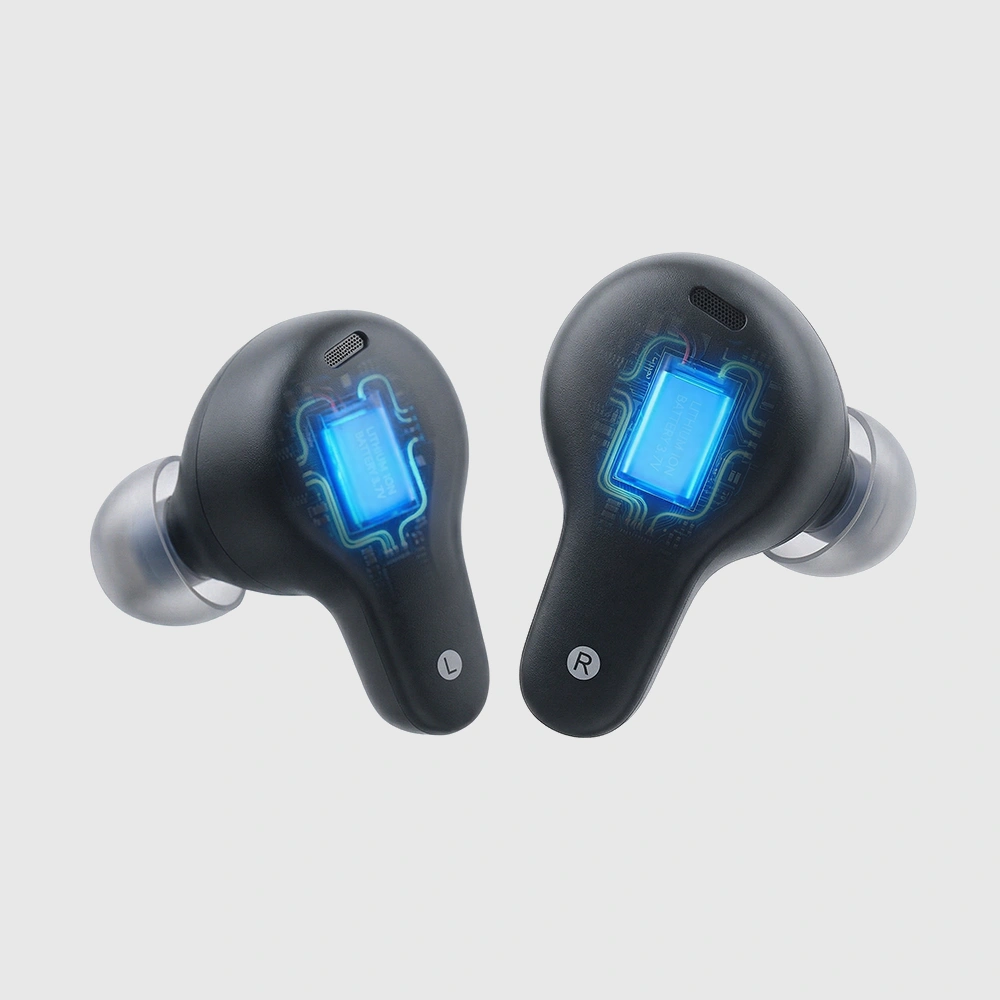
Bluetooth headset and headphone have moved from the professional audio market to the mass consumer market, becoming a common accessory for smartphones and other devices due to their convenience, comfort and wireless nature.The Bluetooth headset industry is rapidly evolving and innovating by providing superior sound quality, solid connectivity, long-lasting battery life, and a wealth of intelligent features.

  • Battery types: Lithium Polymer (Li-Po), small-capacity Li-ion batteries

  • Battery shapes: Ultra-small pouch cells, button cells

  • Voltage: Rated 3.7V, operating 3.0V ~ 4.2V

  • Current: Working mA-level, charging 50mA ~ 300mA, ultra-low power consumption
Learn more
smart ring list

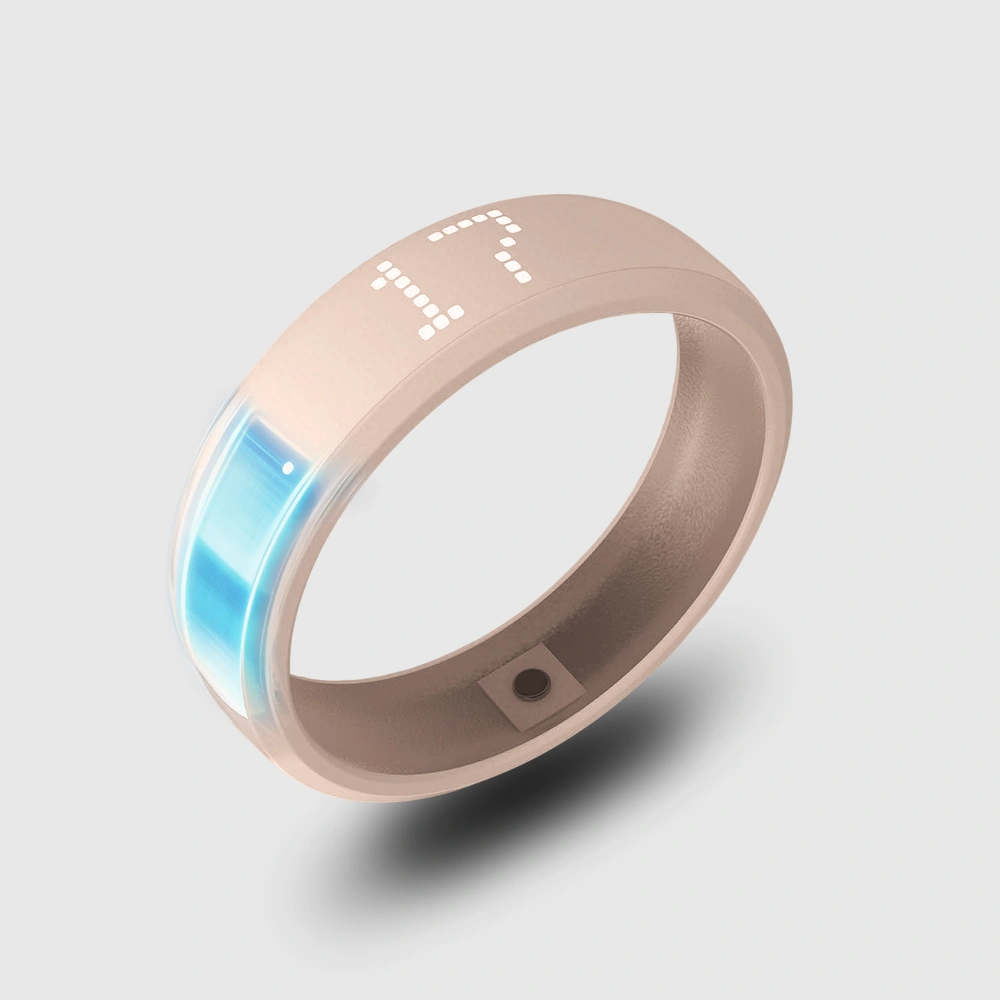
Smart Ring Battery Test Solution

As a type of micro smart wearable device, smart rings have already enabled health monitoring, convenient payment, and device control in daily life. Due to their tiny size, high integration, and close-to-body wearing requirements, extremely high demands are placed on battery life, accuracy, anti-interference, safety, and reliability.

  • Battery types: Rechargeable lithium-ion (mainly Li-ion polymer, a few adopt replaceable battery design)

  • Battery shapes: Curved lithium battery (best fit for ring space), micro coin-type battery (LIR series), pouch polymer lithium battery, custom-shaped battery

  • Voltage: Single cell nominal voltage 3.7V/3.8V, full charge voltage 4.2V/4.35V/4.4V

  • Current: Charging case input current ≤500mA, ring body charging current ≤16mA, supports 1C–5C fast charging

Learn more

Accessory Equipment

Contact Us

For more product details, please contact the sales specialist on the right or provide your contact information in the form below. You can also to contact your local distributor for more information.
Name
Country
City Name
Company Name
Phone Number
Email Address *
Products
Model
Detailed Request
NEWARE and Cookies
We use cookies to personalize and improve your experience with our website. By continuing to browse the site you are agreeing to our use of cookies.