IEC 61960: electrical performance test standard for Li-ion cells/batteries used in portable and industrial equipment, including industrial robots.
UL 2580: safety standard for batteries in EVs and heavy-duty robots, applicable to AGVs, AMRs, and other industrial mobile platforms.
IEC 62619: safety requirements for secondary Li cells/batteries used in industrial applications (robotics, energy storage, etc.).
UN 38.3: core standard for lithium battery transport safety testing.
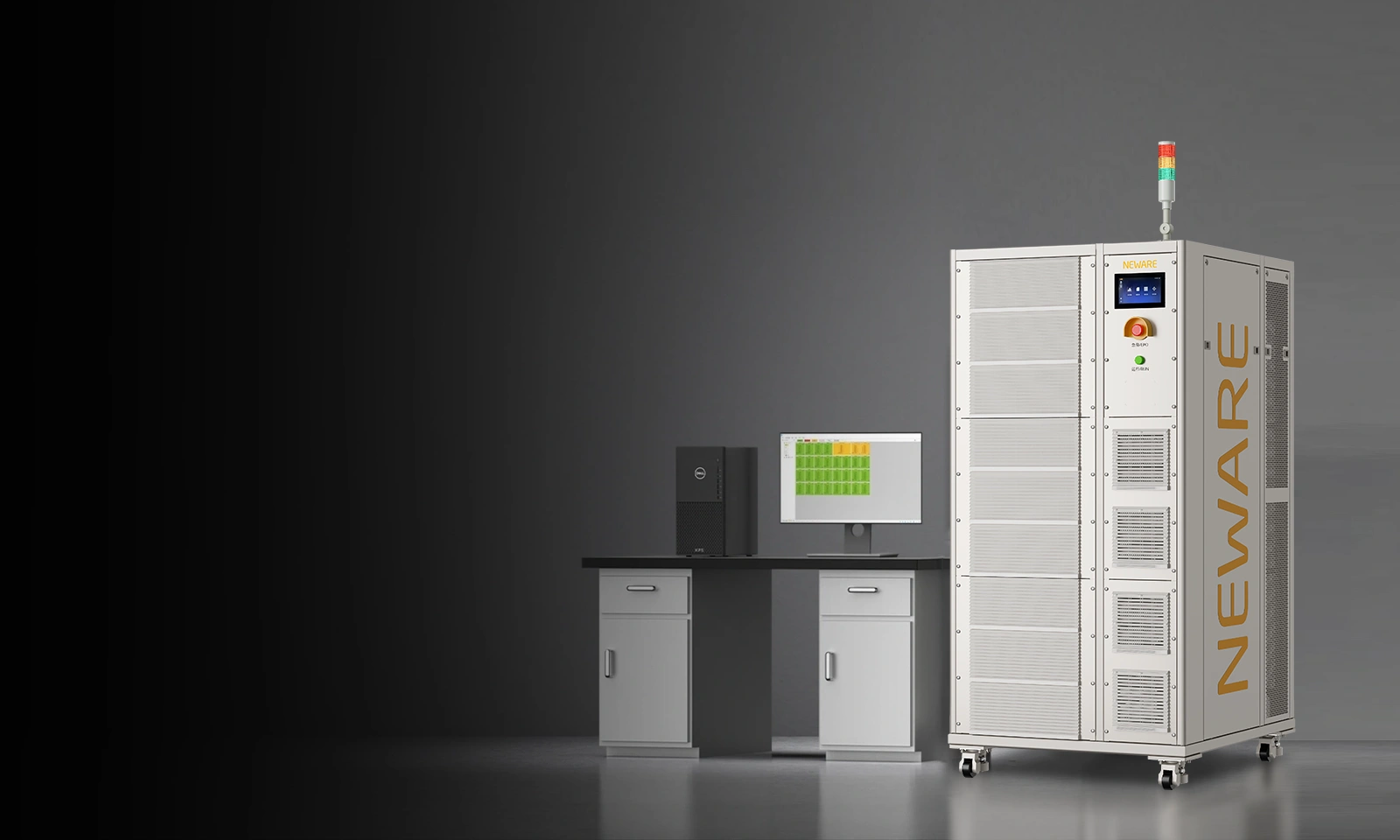
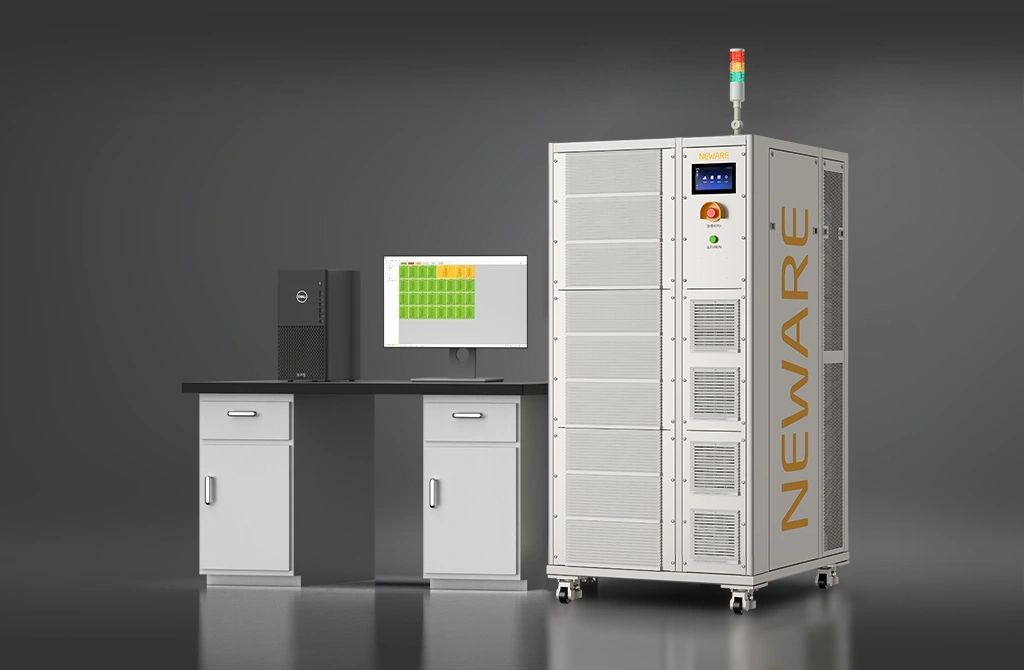
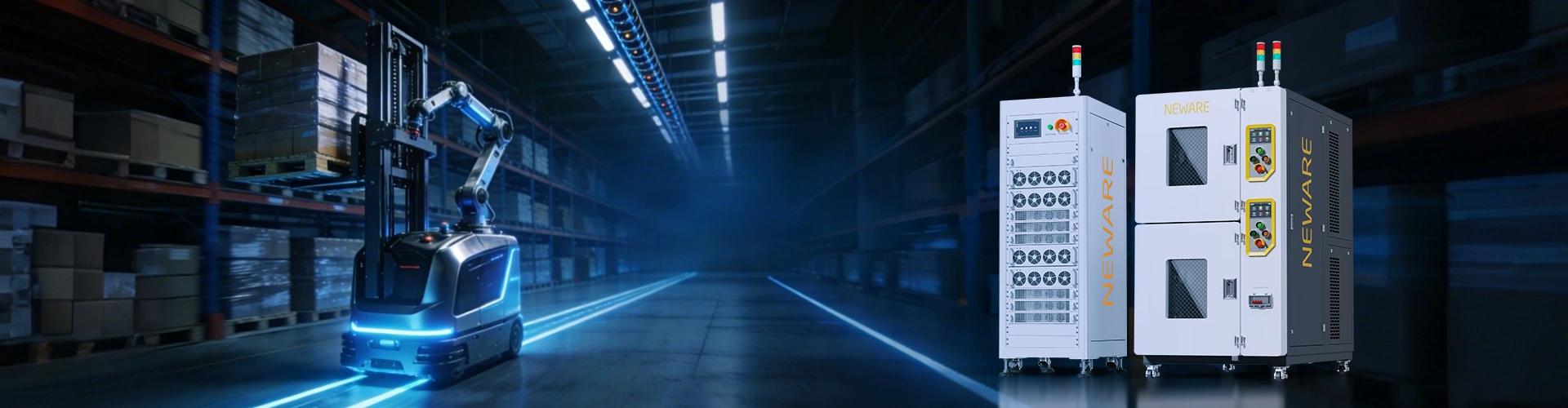
The CE-6000 series offers precise verification and intelligent data analysis for industrial robot battery performance and safety testing across high and low power conditions.
1. Multi-range design supports testing from standby to high-power discharge. ±0.02% of F.S. / ±0.05% of F.S. accuracy and 24-bit resolution ensure precise capacity and runtime measurement, eliminating performance overstatement.
2. Simulates real usage with high-rate charge/discharge and long-term cycle tests (up to 65,535 cycles). Custom steps and cycle nesting assess capacity fade and reliability under shallow or deep cycling.
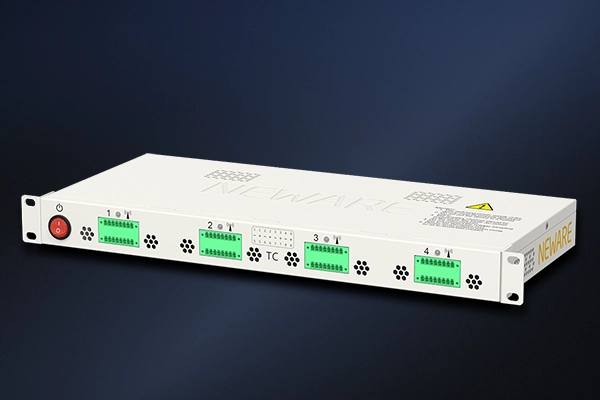
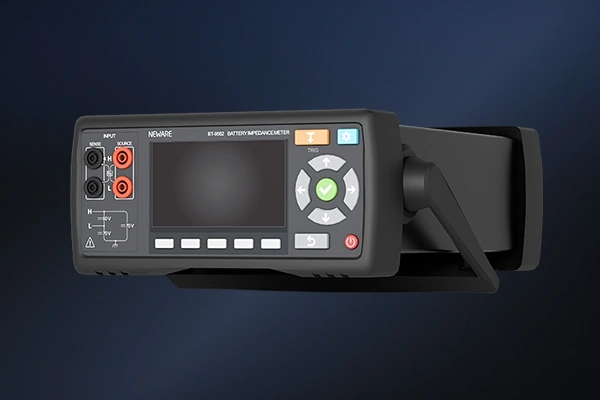
3. Integrates with AUX channels to monitor surface temperature and internal resistance. Syncs thermal and electrical data to evaluate battery health and safety.
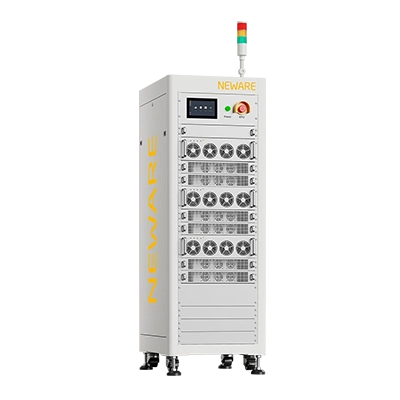
Current Accuracy: ±0.05% F.S.
Voltage Accuracy: ±0.02% F.S.
Recording Frequency: 100Hz
Current Conversion Time: ≤6ms
Current Response Time: ≤3ms
Minimum Pulse Width: 100ms
Feedback Efficiency (Max): 90%

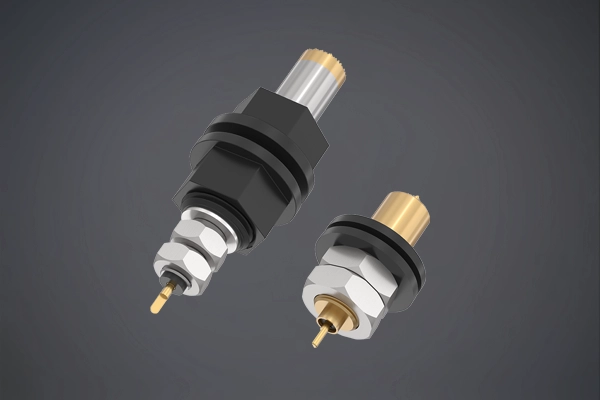
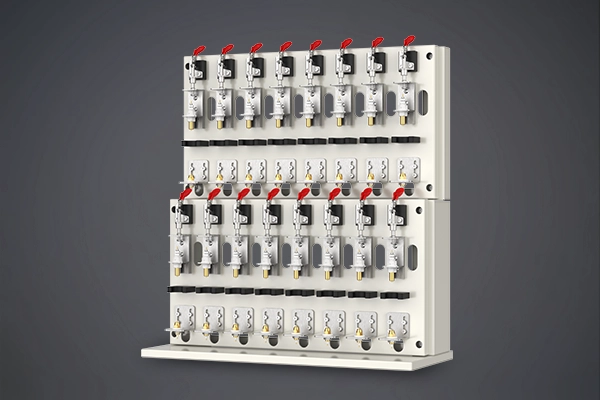
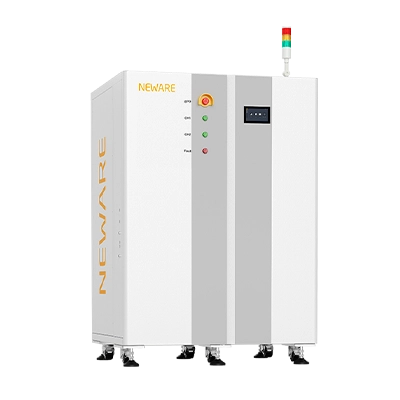
Voltage Accuracy: ±0.02% F.S.
Current Accuracy: ±0.05% F.S.
Recording Frequency: 100Hz
Current Conversion Time: ≤10ms
Current Response Time: ≤5ms
Minimum Pulse Width: 100ms
Feedback Efficiency (Max): 94%
* This product model has been updated.

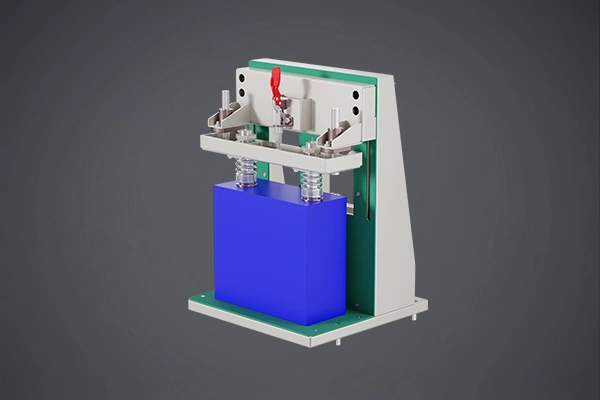
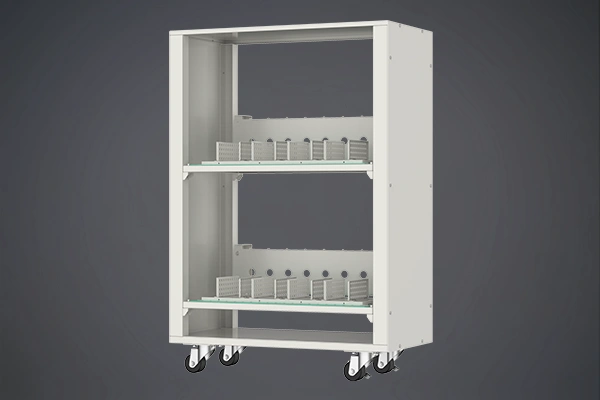
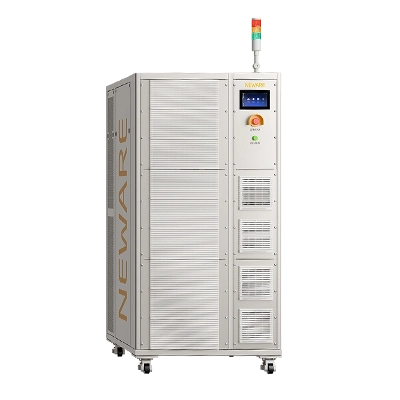
Voltage & Current Accuracy: ±0.02% F.S.
Recording Frequency: 100Hz
Current Conversion Time: ≤20ms
Current Response Time: ≤10ms
Minimum Pulse Width: 100ms
Feedback Efficiency (Max): 96%
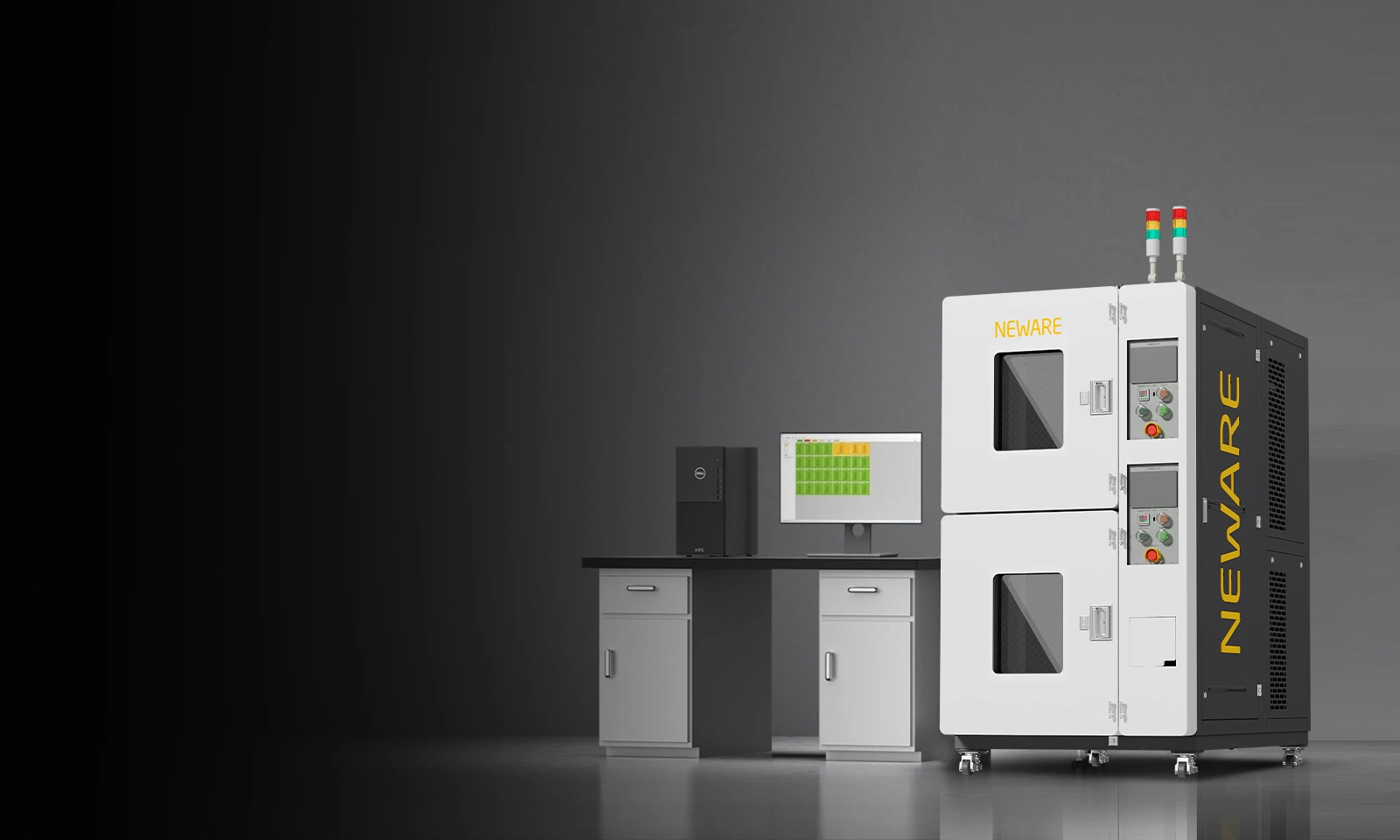
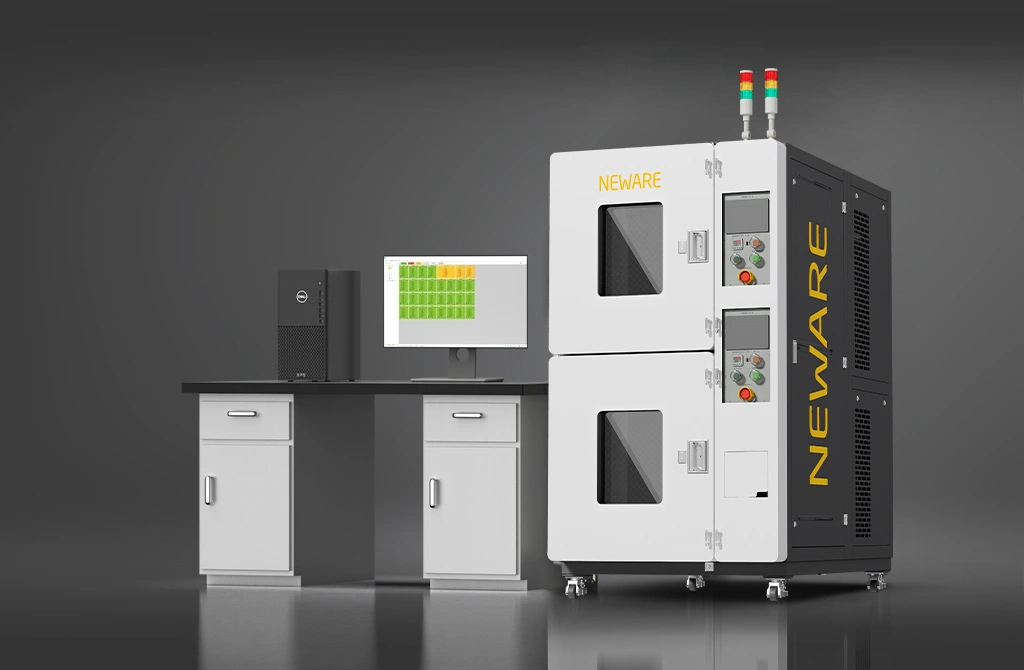
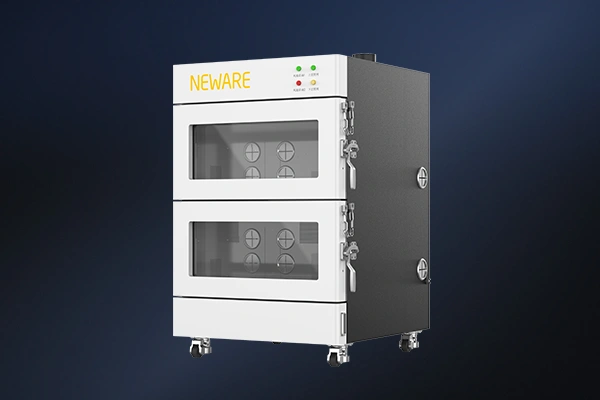
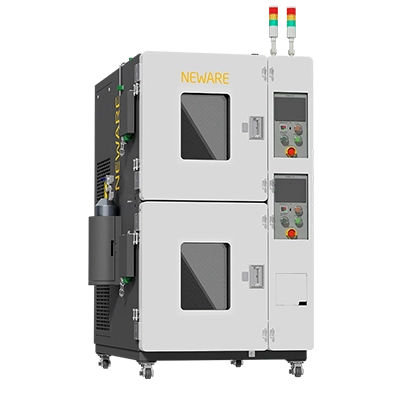
The All-in-One series validates industrial robot battery performance across various temperatures, simulates operating environments, simplifies test setup, saves space, and enhances multi-device coordination.
1. Wide temperature range: covers -70℃ to +150℃, verifying product performance and charge acceptance under extreme conditions.
2. Precise data synchronization: BTS software automatically synchronizes charge/discharge data with temperature data in real-time, ensuring accurate analysis and consistent assessment of temperature's impact on battery performance.
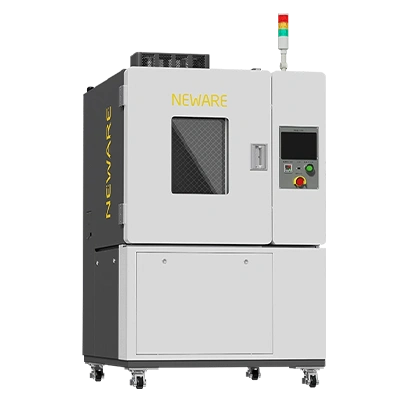
Volume: 200L
Space for Test System: 6U
Temperature Fluctuation: ≤0.9℉ (0.5℃)
Temperature Deviation: ±3.6℉ (±2℃)
Heating Time: 68°F ~ 302°F≤60min
(20℃ ~ 150℃≤60min)
Cooling Time: 68°F ~ -40°F≤60min
(20℃ ~ -40℃≤60min)
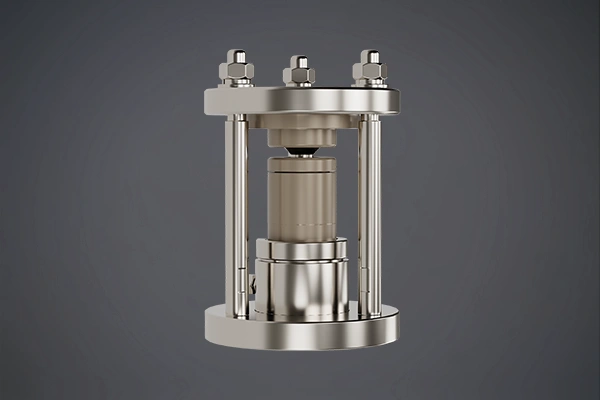
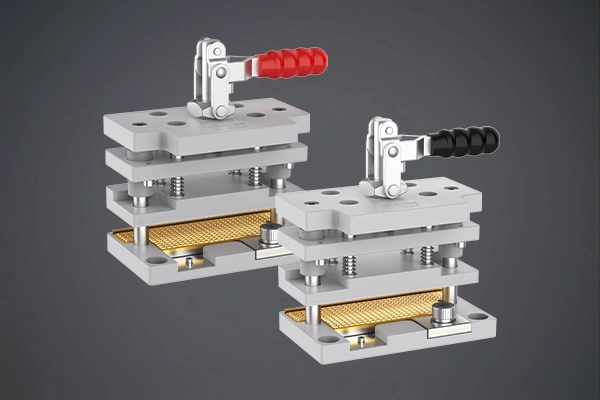
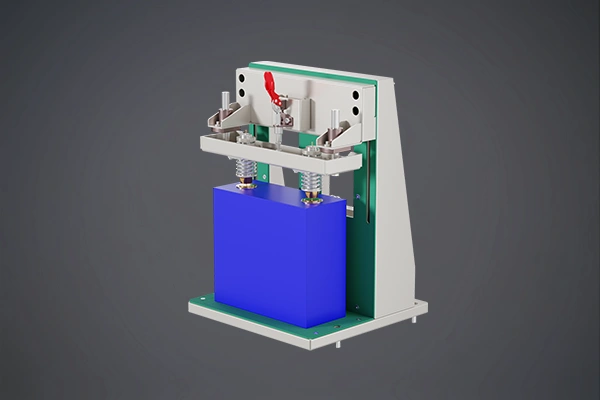
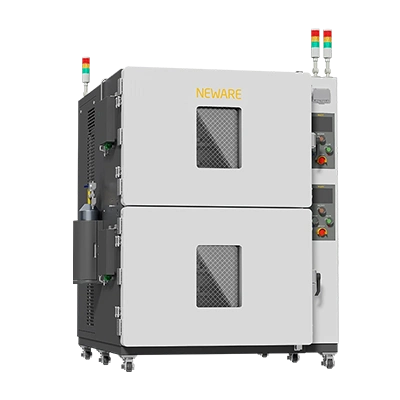
Volume: 200L*2
Space for Test System: 12U
Temperature Fluctuation: ≤0.9℉ (0.5℃)
Temperature Deviation: ±3.6℉ (±2℃)
Heating Time: 68°F ~ 302°F≤60min
(20℃ ~ 150℃≤60min)
Cooling Time: 68°F ~ -40°F≤60min
(20℃ ~ -40℃≤60min)
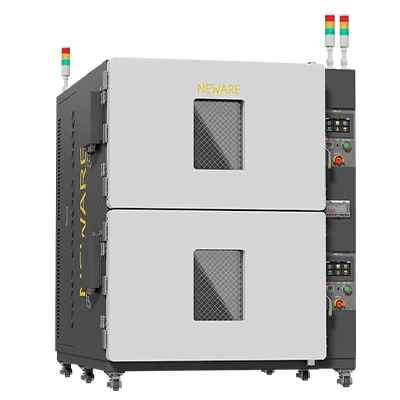
Volume: 400L*2
Space for Test System: 32U
Temperature Fluctuation: ≤0.9℉ (0.5℃)
Temperature Deviation: ±3.6℉ (±2℃)
Heating Time: 68°F ~ 302°F≤60min
(20℃ ~ 150℃≤60min)
Cooling Time: 68°F ~ -40°F≤60min
(20℃ ~ -40℃≤60min)
Volume: 400L*2
Space for Test System: 32U
Temperature Fluctuation: ≤0.9℉ (0.5℃)
Temperature Deviation: ±3.6℉ (±2℃)
Heating Time: 68°F ~ 302°F≤60min
(20℃ ~ 150℃≤60min)
Cooling Time: 68°F ~ -40°F≤60min
(20℃ ~ -40℃≤60min)
* This product model has been updated.
March 13, 2026
February 05, 2026

February 26, 2026

March 12, 2026