Why sodium batteries are needed
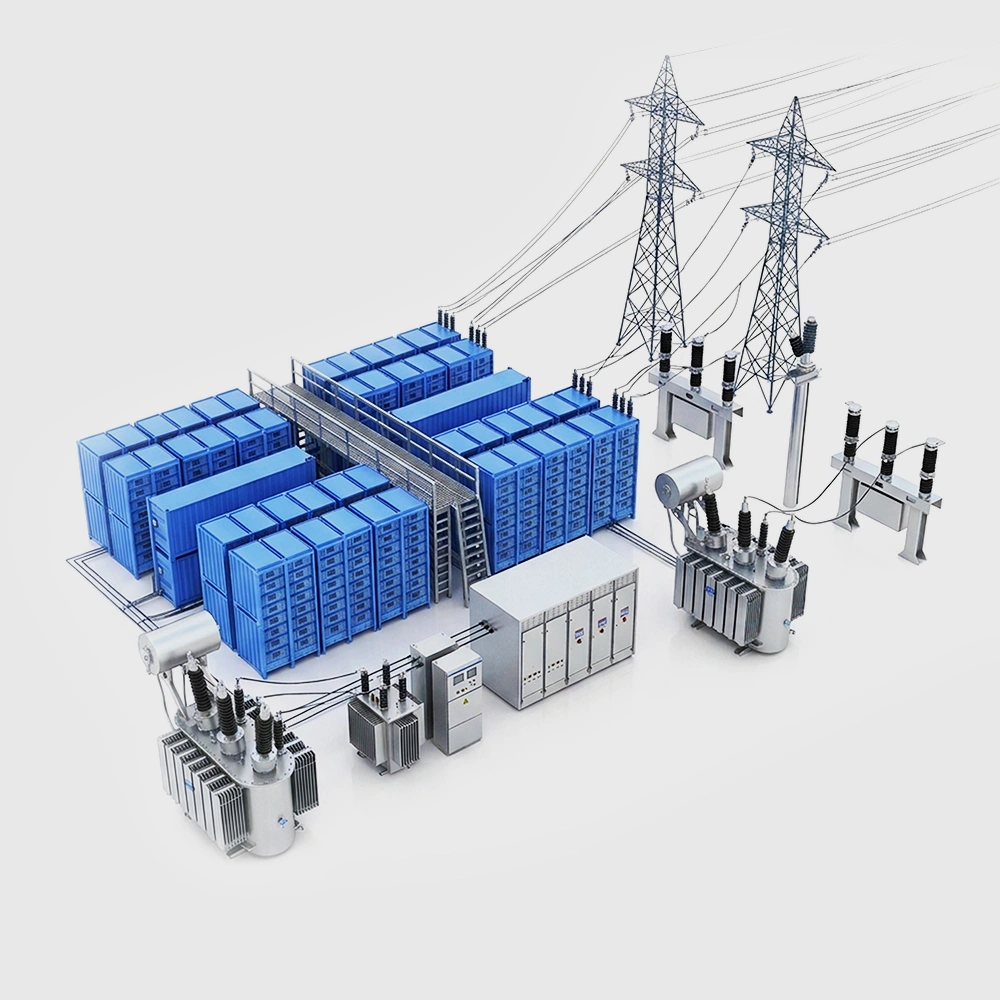
Electricity has become the world's most important energy source. With the popularization of electricity and the rapid development of AI technology, the importance of electric energy continues to increase. Traditional thermal power generation exacerbates environmental pollution, making renewable energy-based power generation a more environmentally friendly strategy. However, this power generation strategy requires regulation of the generated electric energy, so most clean energy power generation systems are equipped with battery energy storage stations. However, lithium resources, the key material for lithium batteries, are limited in reserves and subject to price fluctuations, leading to extremely high costs for energy storage stations. Sodium batteries have the same charge and discharge principles as lithium batteries, with higher cost advantages and higher safety, making them very suitable for scenarios where lithium batteries struggle to control costs.
Sodium batteries: principles, characteristics, and application scenarios
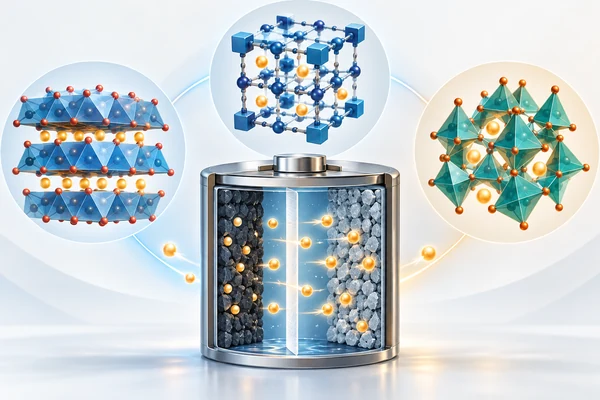
Sodium-ion batteries, often referred to as "rocking chair" secondary batteries, have core working principles highly similar to lithium-ion batteries: relying on the reversible insertion and extraction of sodium ions (Na+) between the cathode and anode to achieve electrical energy storage and release. This structural similarity allows sodium batteries to reuse a large number of mature lithium battery production processes and equipment, lowering the threshold for industrialization. Of course, the physical and chemical differences between sodium and lithium have shaped a distinctly different performance profile for sodium batteries, also determining their differentiated application positioning.
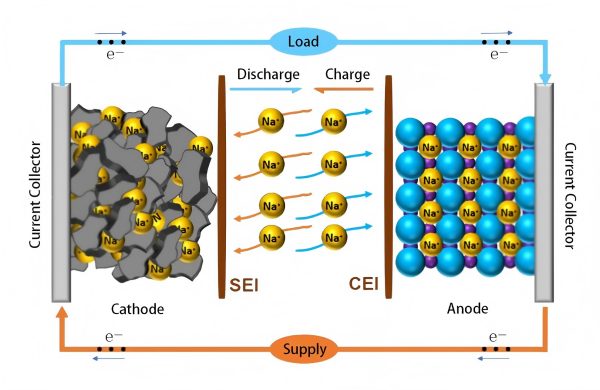
Figure 1 schematic diagram of sodium-ion battery working principle
The charging process of sodium-ion batteries can be summarized as follows: an external power source applies an electric field, driving sodium ions to extract from the cathode material, migrate to the anode through the electrolyte and separator, while electrons flow through the external circuit to the anode to maintain charge balance; the discharge process is the opposite, sodium ions extract from the anode and return to the cathode, with released electrons generating current through the external circuit. This mechanism is highly similar to lithium batteries, enabling sodium batteries to reuse mature lithium battery production processes and equipment, thereby lowering industrialization barriers.
Core advantages: cost, safety, and wide temperature range
The most striking advantage of sodium batteries lies in their resource cost and safety. Sodium's abundance in the Earth's crust far exceeds that of lithium (ranking 6th in crustal abundance), with widespread distribution, which means raw material costs are low and supply stable, effectively reducing the entire battery industry chain's over-dependence on lithium resources. In terms of safety, sodium batteries typically exhibit higher thermal stability, with relatively lower thermal runaway risks under overcharge, over-discharge, or high-temperature conditions. Additionally, sodium-ion batteries demonstrate excellent low-temperature performance, with some products capable of maintaining most capacity in extreme cold environments at minus 40 degrees Celsius, solving the pain point of lithium battery performance degradation in cold regions.
Current limitations: energy density and cycle life
The radius of sodium ions is larger than that of lithium ions, which results in slower diffusion rates in electrode materials. The direct result is that current sodium batteries' mass energy density is generally lower than that of mainstream lithium iron phosphate batteries. At the same time, due to the structural stability of electrode materials, sodium batteries still require further technological breakthroughs in ultra-long cycle life to match energy storage scenarios with extremely high cycle count requirements.
Sodium battery initial application scenarios clearly focus on three major directions: large-scale electrochemical energy storage, lightweight electric transportation (such as two-wheeled vehicles, micro electric vehicles), and communication base station backup power, which are sensitive to cost and safety, with relatively relaxed requirements for energy density.
Sodium battery product progress
Theoretical advantages are rapidly transforming into tangible engineering projects and market products. Between 2024 and 2025, sodium batteries achieved key breakthroughs from "0 to 1" and even "1 to N" in multiple predetermined tracks.
Large-scale energy storage
The Fulin sodium-ion battery energy storage station in Nanning, Guangxi, as China's first large-capacity sodium-ion battery energy storage station, put its Phase II expansion project into operation in October 2025, reaching a scale of 50 megawatt-hours. This station, like a "city power bank", can store green electricity generated from wind and solar power during low electricity consumption periods and release it during peak periods, adding approximately 30 million kilowatt-hours (30,000MWh) of clean energy consumption annually.
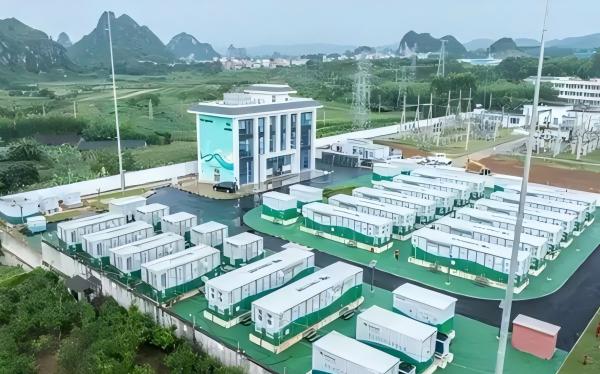
Figure 2 Fulin sodium-ion battery energy storage station in Nanning, Guangxi - China's first large-capacity sodium-ion battery energy storage station
The Hubei Qianjiang 50MW/100MWh sodium-ion energy storage station, provided with solutions by CRRC Zhuzhou, as China's first hundred-megawatt-hour level project, has also been successfully connected to the grid and has received multiple national-level honors for its advanced technology and demonstration effects. These projects have verified the enormous practical value of sodium batteries in grid-side peak shaving and renewable energy consumption.
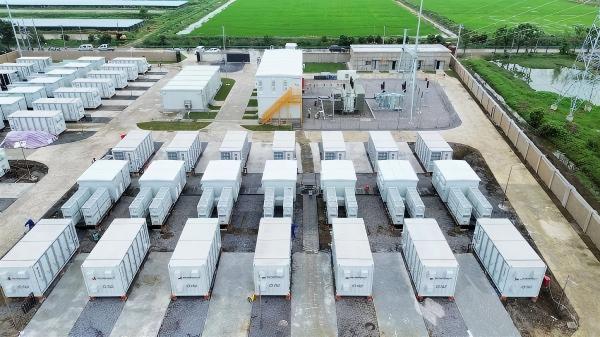
Figure 3 Hubei Qianjiang sodium-ion energy storage station - China's first hundred-megawatt-hour level sodium-ion energy storage station
Transportation electrification
In the field of transportation electrification, sodium batteries are penetrating from the edge market to the core. In the electric two-wheeled vehicle market, sodium battery models have begun to be launched, improving user experience with their good safety and excellent low-temperature performance.
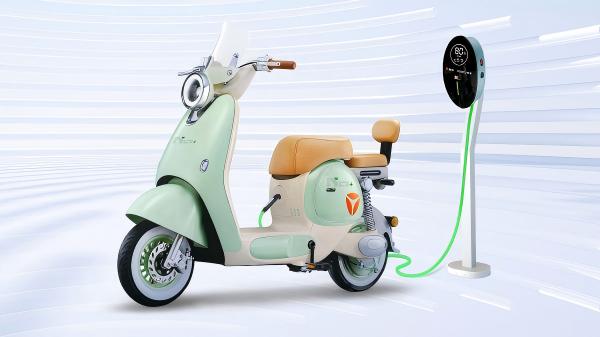
Figure 4 sodium battery electric two-wheeled vehicle, equipped with Na+ charging system
In the micro electric vehicle field, affordable sodium battery versions have emerged and are being trialed in individual cities.
In 2025, CATL announced that its "Naxtra" power battery has passed China's latest national safety standards certification, with plans to achieve large-scale applications in 2026, first launched in chocolate battery swap models. The cell energy density has reached 175Wh/kg, supporting pure electric range of over 500 kilometers, marking sodium batteries' formal entry into the economic passenger vehicle market.
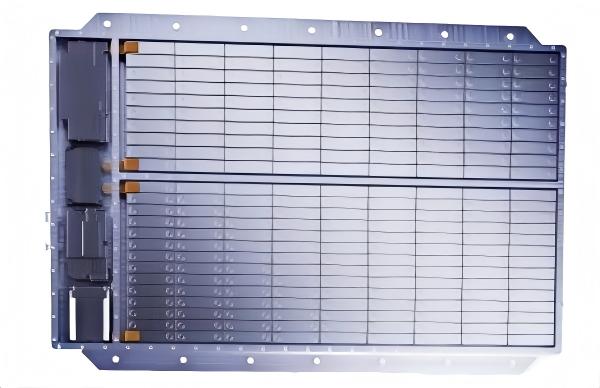
Figure 5 CATL dual power architecture sodium-ion battery system
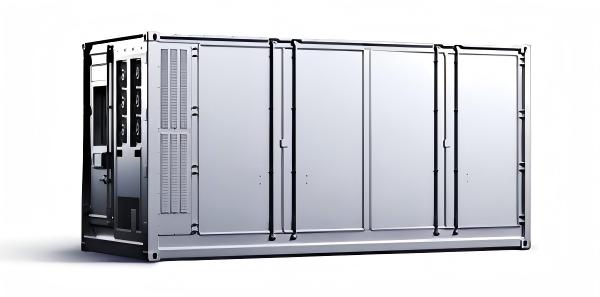
Figure 6 CATL EVOGO chocolate battery swap station
Backup power field
In the backup power field, sodium batteries are accelerating the replacement of traditional lead-acid batteries. For example, in 5G base station backup power applications, sodium batteries can extend power supply life from approximately 2 years for lead-acid batteries to 10 years, while reducing O&M costs by about 70%.
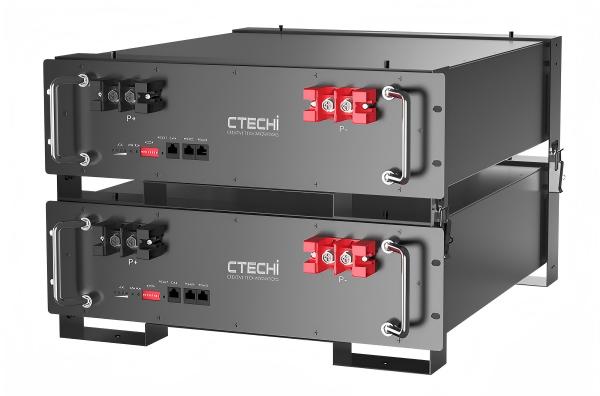
Figure 7 CTECHi 5G base station backup power system, using rack-mounted design
CATL's mass-produced 24V heavy truck start-stop integrated sodium battery not only supports one-click starting at minus 40 degrees Celsius, but also reduces total lifecycle cost by 61% compared to traditional lead-acid batteries, and has been successfully matched with FAW Jiefang heavy trucks.
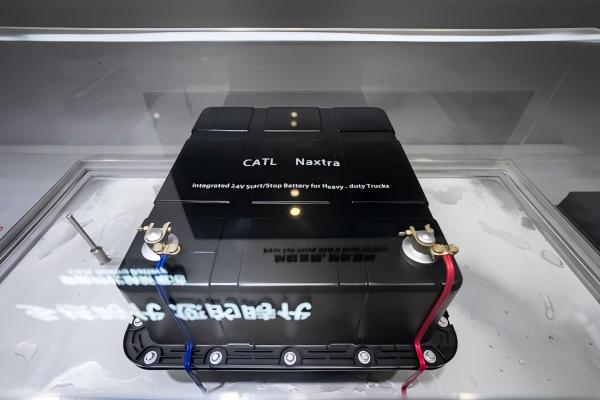
Figure 8 CATL Naxtra 24V sodium-ion battery - heavy truck start-stop integrated special
Future development directions and testing equipment
Looking to the future, sodium battery application scenarios will further deepen and expand. The industry generally believes that 2026-2027 will be a critical window period for sodium batteries to achieve large-scale commercial applications. Their applications will show two major trends: one is the in-depth development in the energy storage field, playing a more important role in grid frequency regulation services requiring high-frequency charge and discharge, and distributed solar-storage integration projects; the second is the formation of a "sodium-lithium hybrid" pattern in the electric vehicle field, for example, in hybrid (PHEV) vehicles, utilizing sodium batteries' high power and low-cost advantages, combined with high-energy-density lithium batteries to form a hybrid system, optimizing vehicle cost and performance.
Development directions for testing equipment
The healthy development of the industry cannot be separated from the synchronous evolution of precise and efficient "physical examination" tools - battery testing equipment. Future sodium battery testing equipment development will focus on three directions:
High standards and full-scenario testing: With China having issued 2 national standards for sodium batteries and leading the development of 4 international standards, testing equipment must meet increasingly stringent and unified performance, safety (such as thermal runaway evaluation), and cycle life (such as over 1000 cycles) evaluation requirements. At the same time, testing needs to cover the full temperature range from -40°C to 70°C to verify wide temperature range adaptability.
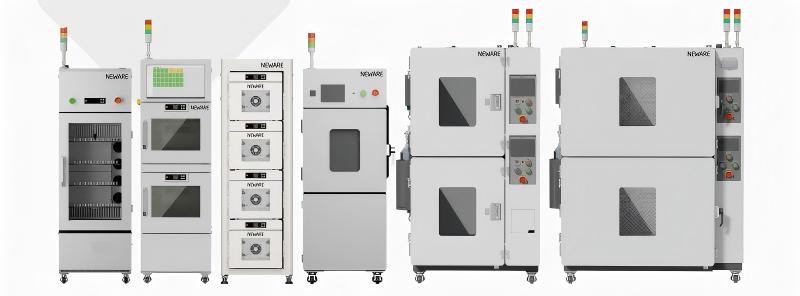
Figure 9 NEWARE multi-channel, high-accuracy, wide-temperature range integrated testing system
Intelligent and high-throughput testing: Facing the upcoming large-scale production, testing equipment needs to develop in the direction of high throughput and automation. For example, advanced testing platforms need to have the ability to simultaneously conduct long-term cycle life testing and real-time data analysis for thousands of batteries, rapid screening and grading, to meet the quality control needs of large-scale production.
Material-level deep diagnosis and R&D support: To break through the bottlenecks of sodium battery energy density and cycle life, testing technology needs to penetrate into the material micro-level. For example, focusing on projects like Europe's HyMetBat, using advanced in-situ X-ray fluorescence analysis and other technologies, to observe in real-time and high-resolution the structural evolution and ion transport behavior of electrode materials during charge and discharge processes without damaging the battery, providing key insights for material innovation. In addition, CV, EIS, GITT, and other high-performance battery testing are of significant importance for sodium battery material research.
Research directions for the future market orientation of sodium batteries
In summary, the rise pathway of sodium batteries is clear and pragmatic. The core characteristics of their application scenarios lie in "precise replacement" and "complementary advantages": in energy storage and lightweight transportation, they are achieving replacement of lead-acid batteries with advantages in cost, safety, and low-temperature performance, and forming strong competition with lithium iron phosphate batteries; in the power battery field, they do not completely replace lithium batteries but serve as an important "second choice", focusing on specific models and markets, forming a diversified energy solution together with lithium batteries.
The future development direction of sodium batteries, in the short term, focuses on cost reduction and performance optimization, enhancing competitiveness through scale effects and material system innovation (such as polyanionic cathode and hard carbon anode continuous improvements); in the long term, focusing on technology iteration, exploring higher energy density material systems. Along with this, battery testing equipment will also evolve toward higher standards (accuracy, precision, and stability), smarter, and more in-depth R&D support tools, escorting sodium batteries' industrial upgrade from "usable" to "good to use" and "durable". Sodium battery R&D is, and will continue to, inject powerful auxiliary forces into the green, safe, and sustainable development of global energy.
Supplement: Some of the information presented above was obtained from the Internet. We are very sorry if there is any infringement! You can contact us for deletion!