The electric vehicle range challenge
The global automotive industry is undergoing a profound electrification transformation, with the market share of electric vehicles (EVs) consistently rising. According to data from the China Association of Automobile Manufacturers, as of 2025, the market penetration rate of new energy vehicles in China has surpassed 40%, and this figure is expected to exceed 50% in the future. Behind this trend lie the distinct advantages of EVs in terms of environmental friendliness and economic efficiency—zero tailpipe emissions reduce urban air pollution, and the energy cost of electric propulsion is significantly lower than that of traditional fossil fuels. However, while enjoying these benefits, consumers simultaneously face a prevalent pain point: the range issue of electric vehicles. Even though current peak charging speeds for EVs exceed 5C, the gap between the advertised range and the actual driving experience has become a hesitation point for many potential car buyers and remains one of the key factors constraining the widespread adoption of EVs. Most families can only afford the expense of one vehicle. If an electric vehicle's range might potentially cause travel inconveniences, they often choose not to purchase a pure electric model. In China, tens of millions of families undertake long-distance travel annually (especially during the Spring Festival). However, the performance of electric vehicles on highways is not ideal, which is one of the reasons why the majority of Chinese households still opt for internal combustion engine vehicles.
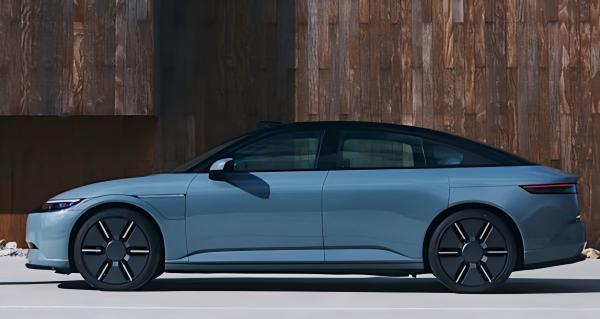
Figure 1 a modern electric vehicle with streamlined design and advanced technology
Current state of mainstream range and battery configuration
Currently, the driving range of mainstream electric vehicles on the market essentially covers the spectrum from daily commuting to long-distance travel needs. Driven by technological advancements, the officially rated range (under the CLTC test cycle) for most new models has stabilized at over 500 kilometers, with some high-end models even surpassing the 700-kilometer mark. The improvement in range capability is closely linked to the increase in battery capacity. Presently, the battery pack capacity of mainstream electric vehicle models is generally concentrated within the range of 60 to 100 kilowatt-hours (kWh). Several representative models and their configurations are listed below.
Representative model | Battery type | Battery capacity (kWh) | Rated range (CLTC, km) | Market positioning |
| BYD Dolphin | Lithium Iron Phosphate (Blade) | 44.9 | 420 | City Commuting, Economy |
| Tesla Model 3 RWD | Lithium Iron Phosphate | 60 | 606 | Mid-Range Sedan, Mainstream Market |
| Xpeng P7i | Ternary Lithium | 86.2 | 702 | Mid-to-High-End Sedan, Intelligent Sport |
| Nio ET7 (100kWh Version) | Ternary Lithium | 100 | 675 | High-End Luxury Sedan |
Zeekr 001 (WE Version) | Ternary Lithium | 100 | 741 | High-Performance Shooting Brake |
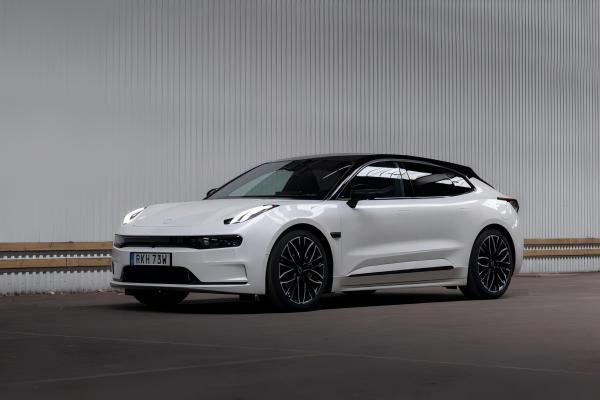
Figure 2 ZEEKR 001—a high-performance pure electric shooting brake with 741 km CLTC range
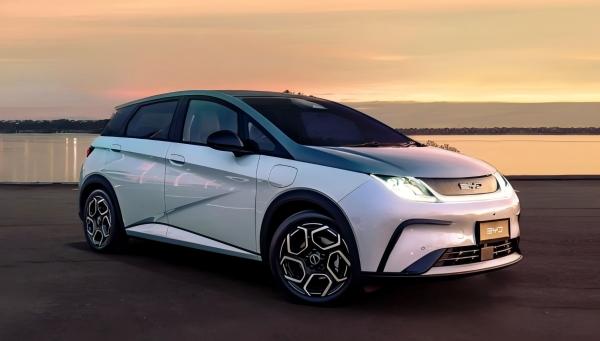
Figure 3 BYD Dolphin—a compact pure electric hatchback with a 420 km range (Blade battery, LiFePO4)
As evident from the table, advancements in battery technology and increases in capacity directly propel the growth in range figures. However, there is often a significant gap between these advertised data, measured under ideal conditions, and the actual experience of users during everyday driving. This discrepancy constitutes the core contradiction of the electric vehicle range challenge.
The gap between advertised range and real-world performance: an analysis of causes
Why do electric vehicles equipped with large batteries and boasting high advertised range often see their real-world range fall short? This is not a case of automakers intentionally exaggerating, but rather the result of multiple complex factors working in combination.
The disconnect between testing standards and real-world environments
The CLTC (China Light-duty Vehicle Test Cycle) standard currently adopted in China involves testing environments (such as indoor test benches, fixed temperatures, and the deactivation of accessories like air conditioning) that are fundamentally different from users' actual driving scenarios (which feature variable road conditions, extreme temperatures, and all accessories operational). The CLTC cycle features a relatively low average speed and gentle acceleration/deceleration profiles, which are particularly favorable for the energy consumption performance of electric vehicles. However, it fails to reflect real-world, high-energy-consumption scenarios such as highway driving, traffic congestion, and the use of air conditioning.
The "invisible killer" effect of ambient temperature
Temperature is one of the most critical external factors affecting battery performance and range. In low winter temperatures (e.g., below 0℃), the rate of chemical reactions within the battery slows down, leading to a significant reduction in usable capacity. Simultaneously, maintaining an optimal operating temperature for the battery and providing cabin heating consumes substantial electrical energy through PTC heaters or heat pump systems. Research indicates that in severely cold regions, the actual winter range of an electric vehicle can decrease by 30% to 50% compared to its advertised value. Conversely, the sustained use of air conditioning for cooling in summer can also result in a range loss of approximately 15% to 25%.
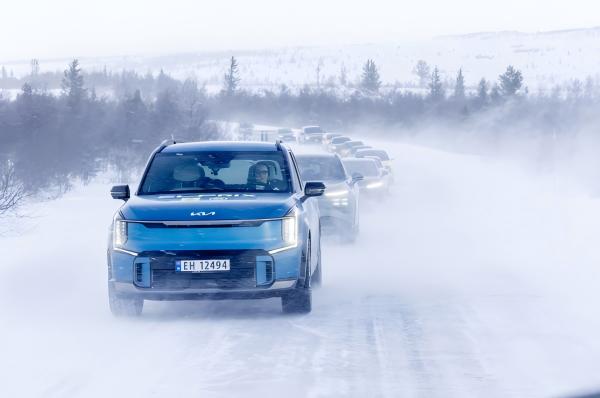
Figure 4 electric vehicle range test in extreme cold—range reduction of 30%-50% in severe cold regions
The impact of driving behavior and usage habits
Individual driving style has a significant impact on energy consumption. Frequent sudden acceleration and hard braking substantially increase energy usage, whereas smooth driving contributes to extending the range. Additionally, factors such as vehicle load (the weight of passengers and cargo), insufficient tire pressure, and the frequent use of high-power in-vehicle electrical devices (like seat heaters, steering wheel heaters, and audio systems) continuously drain the battery's charge.
From the driver's perspective, using an electric vehicle for travel requires careful management of the remaining battery charge. When driving on highways, they face two primary issues:
First, the energy consumption of electric vehicles during high-speed driving (at speeds above 100 km/h) is extremely high (with sedans typically consuming 16-18 kWh per 100 km, and SUV models exceeding 20 kWh per 100 km, at 25℃). This means that a vehicle with a rated range of 600 km and a 60 kWh battery may only be able to travel less than 400 km before the battery is fully depleted.
Second, considering the typical driving habits of most people on highways, the usable battery capacity range is effectively between 15% and 85%. This is because charging requires planning the route in advance to utilize charging stations; it is not feasible to wait until the battery is fully depleted before charging. When the battery is charged to 80%, the Battery Management System (BMS) reduces the charging power to protect the battery's lifespan. At this point, the average charging speed can drop to as low as one-tenth of the peak power advertised by manufacturers. This means that for an electric vehicle advertised with a peak charging rate of 5C, the time required to charge the battery from 80% to 100% is approximately 24 minutes (calculated as 0.5C charging rate for 20% capacity: 1/0.5 * 20% * 60 min = 24 min). Furthermore, due to the insufficient number of charging stations on highways to simultaneously service all electric vehicles in need of charging, vehicles are generally disconnected from the charger once their charge exceeds 80%. This implies that the actual usable energy for each driving cycle is only about 70% of the total capacity (85% - 15%). Consequently, the realistic single-trip driving range becomes 240 km to 280 km (400 km * 0.6~0.7 = 240 km~280 km), which is far below the advertised CLTC range of 600 km provided by manufacturers. This scenario truly illustrates and explains the issue of inadequate electric vehicle range.
Energy consumption from the vehicle's own design and configuration
The inherent attributes of the vehicle, such as its aerodynamic drag coefficient, curb weight, and the efficiency of its energy recovery system, fundamentally determine its energy consumption level. An SUV with a high drag coefficient and significant weight will inevitably have higher energy consumption per unit distance compared to a sedan with a streamlined design.
Pathways to improve range and future battery requirements
Enhancing the real-world driving range of electric vehicles is a systematic engineering challenge that requires coordinated development across battery technology, vehicle engineering, and energy replenishment infrastructure.
Fundamental breakthroughs in battery technology
The "ideal battery" of the future needs to possess a series of comprehensive advantages:
Higher energy density: Storing more electrical energy within the same volume and weight is fundamental to increasing range. Solid-state batteries hold great promise, with theoretical energy densities potentially exceeding twice that of current liquid lithium-ion batteries.
Broader operating temperature range: Improving battery activity at low temperatures to reduce winter range attenuation. Refining electrolyte formulations and developing self-heating technologies are important research directions.
Faster charging speeds: Reducing energy replenishment time indirectly alleviates range anxiety. This requires batteries capable of supporting ultra-fast charging at 4C or even 6C and above, integrated with 800V high-voltage platform technology.
Enhanced safety and longer cycle life: Ensuring stable performance and safety throughout the battery's entire lifecycle.
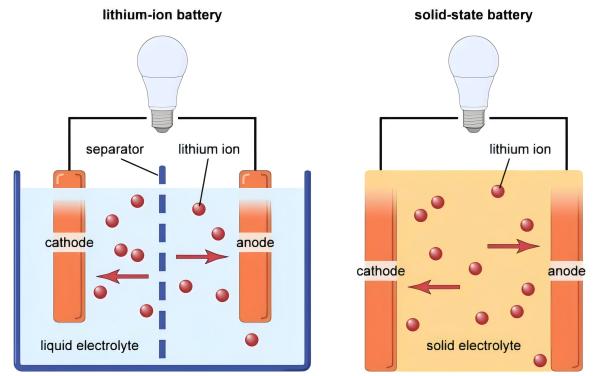
Figure 5 solid-state battery vs. traditional lithium battery
Comprehensive improvement in overall vehicle energy efficiency
Intelligent thermal management system: Adopting more efficient heat pump air conditioning and integrating functions such as motor waste heat recovery and intelligent battery thermal management to minimize energy consumption for environmental conditioning.
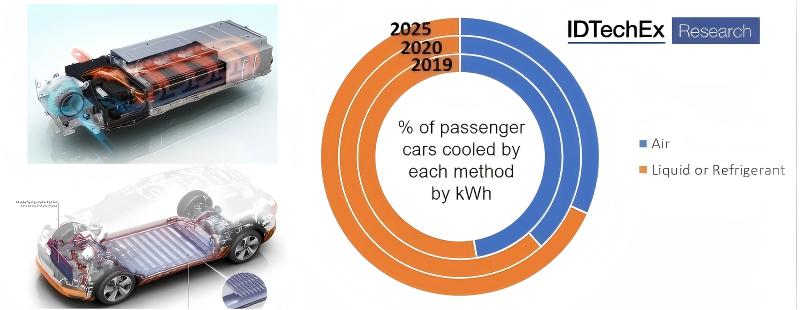
Figure 6 development trends in electric vehicle battery thermal management—comparison of cooling methods
Light weighting and low-drag design: Widely applying materials such as aluminum, magnesium alloys, and carbon fiber to reduce vehicle weight; optimizing body styling to lower the aerodynamic drag coefficient (Cd value) to below 0.2.
High-efficiency electric drive system: Improving the overall efficiency of the motor, motor controller, and reduction gearbox to minimize energy losses during transmission.
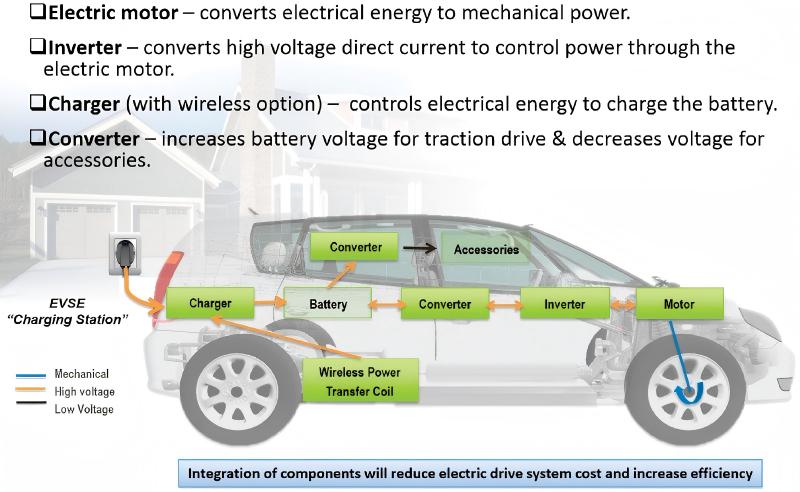
Figure 7 electric vehicle powertrain components—motor, controller, gearbox efficiency system
Enhancement of the energy replenishment network and intelligent planning
Constructing a charging network with higher density and greater power (especially along highway service areas) and developing vehicle-road coordination technology. This enables vehicles to intelligently plan long-distance routes that include charging stops, allowing users to have a clear understanding of their energy replenishment options.
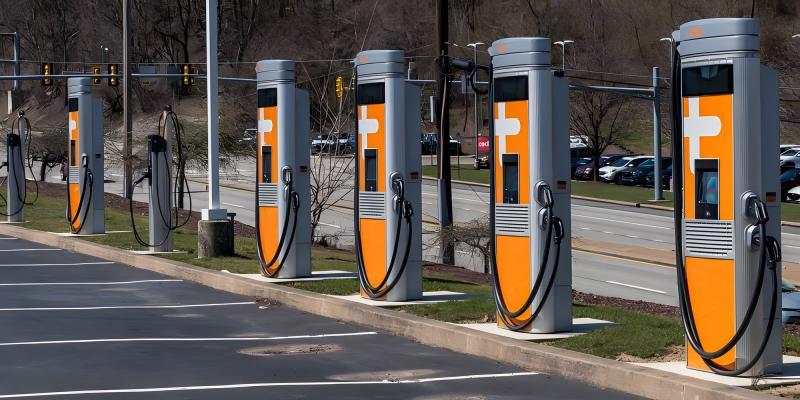
Figure 8 public charging infrastructure—multiple charging points in a parking lot
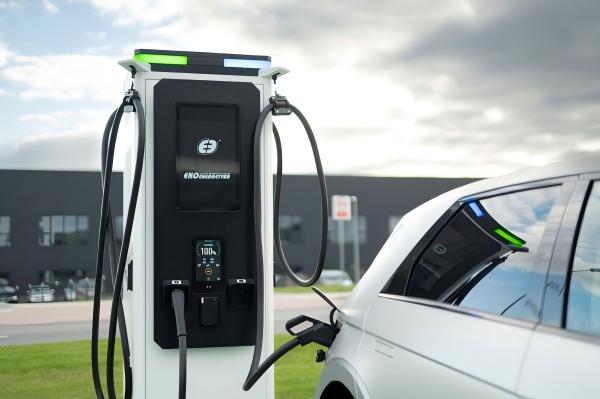
Figure 9 electric vehicle connected to a charging point
Future range outlook
The issue of electric vehicle range is, at its core, a gap between idealized laboratory conditions and the complex reality of the real world. It is not merely a competition based on battery capacity numbers, but a comprehensive test of a vehicle's overall energy efficiency, environmental adaptability, and the management of user habits.
When advancements in battery technology, infrastructure development, and user awareness evolve in concert, the range of an electric vehicle will cease to be an anxiety-inducing "secret." Instead, it will become a predictable, manageable, and seamlessly integrated aspect of the everyday driving experience. This journey concerning range ultimately points towards a future of mobility that is more efficient, cleaner, and more intelligent.
Supplement: Some of the information presented above was obtained from the Internet. We are very sorry if there is any infringement! You can contact us for deletion!