Self-Discharge Technology in the Context of Battery Safety
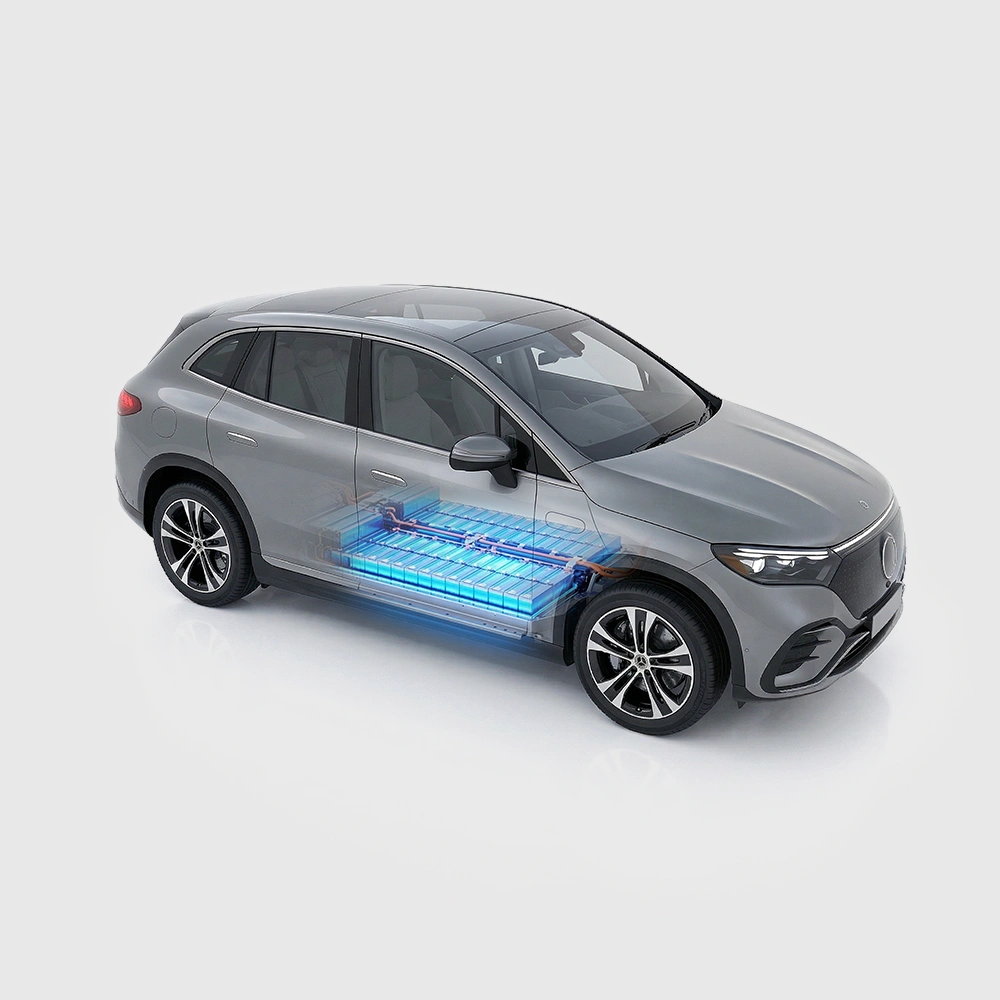
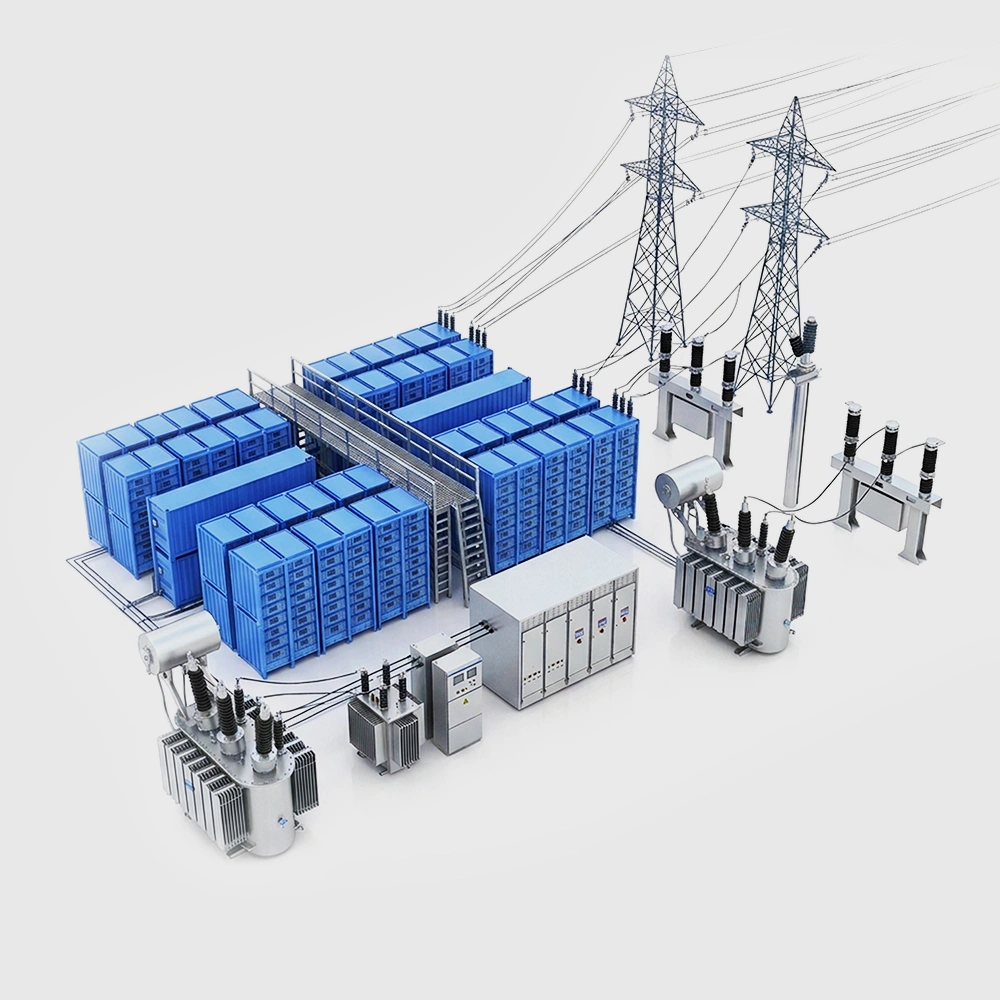
Against the backdrop of the global energy transition, lithium-ion batteries have become the core power source for electric vehicles and energy storage systems. In Q1 2026, China's new energy vehicle sales reached 2.96 million units, accounting for over 40% of the global market; new energy storage installations reached 35.89 GWh, a year-on-year increase of 177%. However, the push for higher energy density and faster charging has increasingly highlighted battery safety. Although the spontaneous combustion rate for new energy vehicles (0.00175%, or 1.72 per 10,000 vehicles) is much lower than that of gasoline vehicles (0.0052%, or 5.2 per 10,000 vehicles), every safety incident is amplified into an industry crisis. Hidden inside batteries, the "invisible killer" – self-discharge – has become a key factor affecting performance, lifespan, and even safety. Many fire accidents can be traced back to abnormal self-discharge. Accurate detection of self-discharge is a critical defense line against defective products entering the market and alleviating safety concerns.
What is Self-Discharge
Self-discharge refers to the phenomenon where a battery spontaneously loses charge while in an open-circuit, idle state. All lithium-ion batteries exhibit some degree of self-discharge, typically losing 1% to 5% of capacity per month. When internal micro-short circuits, impurities, or structural defects exist, the self-discharge rate rises significantly, and the probability of failure is much higher than for batteries with normal self-discharge.
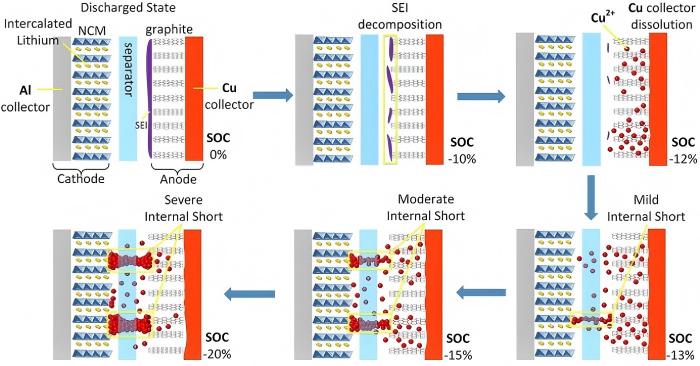
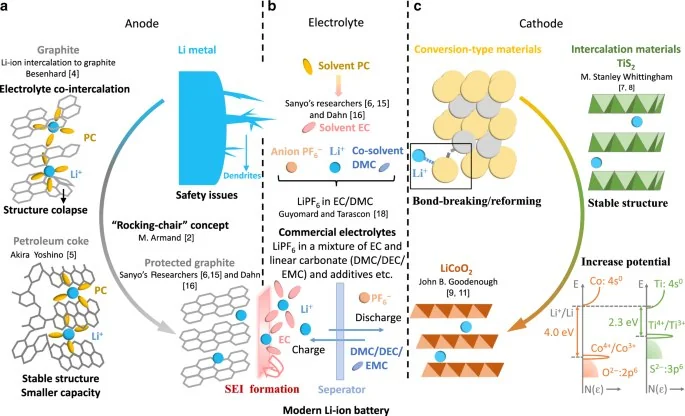
schematic diagram of internal short circuit in battery self-discharge mechanism
Self-discharge is divided into two categories:
Physical self-discharge: Caused by internal micro-short circuits due to separator damage (burrs, dust, metal impurities), where the electron path shifts from the external circuit to the electrolyte. The rate is relatively slow, and the energy loss is recoverable.
Chemical self-discharge: Resulting from spontaneous side reactions between the positive/negative electrodes and the electrolyte, consuming lithium ions and leading to irreversible capacity loss.
Hazards of Self-Discharge
Capacity loss and increased economic cost: Self-discharge reduces available energy during storage, forcing users to charge more frequently; scrapped cells during manufacturing increase material costs. Traditional OCV methods require weeks of storage, tying up large amounts of work-in-progress inventory, occupying factory space, and raising safety risks.
Accelerated aging due to battery pack inconsistency: Differences in self-discharge rates among cells cause voltage imbalances within the pack, affecting overall output and accelerating aging. Normal cells show an OCV drop of only about 1.1 mV over 7 days, while high self-discharge cells exceed 2.2 mV.
Safety hazards and thermal runaway risk: Self-discharge is an early indicator of internal micro-shorts. Cells with high self-discharge have a much higher probability of failure in service. Pre-screening can effectively prevent such problem cells from entering applications.
Impact on user experience and product reputation: For EV owners, significant charge loss during parking affects daily use; for consumer electronics, high self-discharge degrades user experience and may hide dangers.
NEWARE Self-Discharge Test Technology
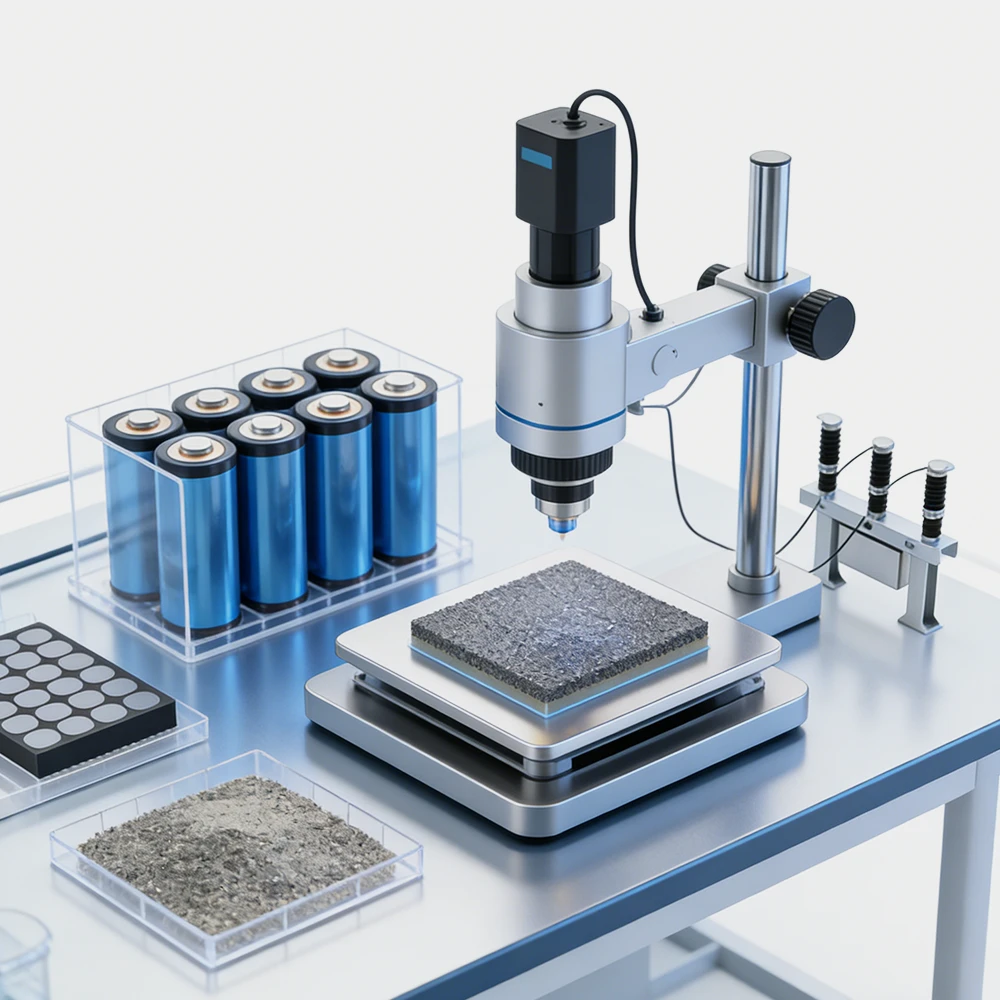
Among self-discharge test methods, the open-circuit voltage (OCV) method is traditional – simple in principle and easy to operate, but time-consuming (taking weeks). NEWARE's Self-Discharge Tester adopts a more advanced potentiostatic method. Using a closed-loop system, it applies a stable voltage equal to the battery's OCV to cancel out the self-discharge current, directly measuring the compensation current needed to maintain that voltage. This completely eliminates the long storage requirement of the traditional ΔOCV method, reducing test time from weeks to hours.
In terms of hardware precision:
Current range 0–300 mA, resolution 0.1 μA, accuracy ±0.02% of full scale;
Voltage range -5V to +5V, 7-digit accuracy, stability ±0.01% of full scale, achieving ultra-stable voltage control.
The integrated constant-temperature design combines the test host with the temperature control system, eliminating temperature-related test influences as well as wiring complexity and data coordination errors associated with external chambers. Using the potentiostatic method to directly measure microampere-level self-discharge current or voltage decay, it can screen out "suspicious cells" within minutes to hours, effectively preventing them from reaching the market.
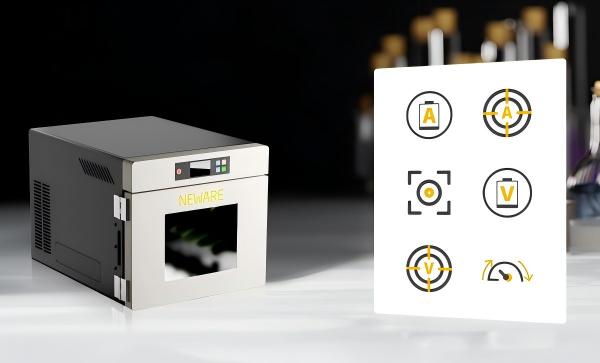
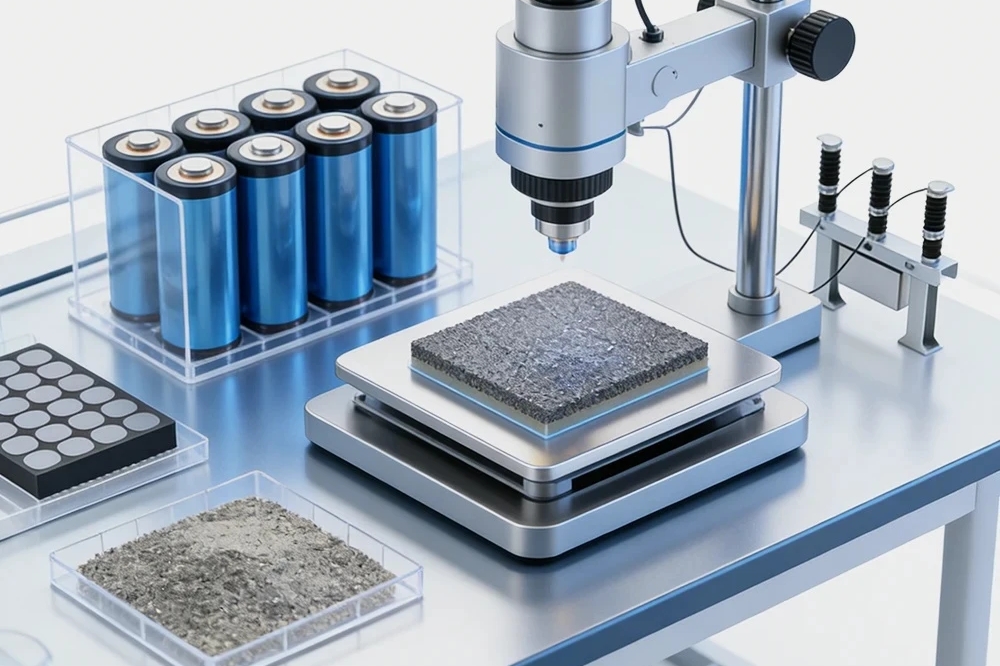
NEWARE self-discharge tester
Value and Benefits
Accurate and reliable battery quality analysis: Direct measurement of self-discharge current quickly identifies defective cells, allowing effective separation of "suspicious cells" before assembly.
Predictable battery life: Helps evaluate calendar and cycle life, accelerating next-generation battery material innovation.
Comprehensive battery performance network: Combined with parameters such as capacity and internal resistance, builds a complete test system that ensures consistency.
Enhanced market acceptance: Reduces self-discharge rates and failure risks, lowers warranty and recall costs, and earns customer trust.
The fundamental significance of self-discharge testing lies in ensuring battery consistency and reliability. With advanced potentiostatic test technology, battery manufacturers can accurately identify defects early in production, preventing problem batteries from entering the market, thereby improving product safety, extending service life, and reducing costs.
Supplement: Some of the information presented above was obtained from the Internet. We are very sorry if there is any infringement! You can contact us for deletion!