As we step into 2026, the humble AA battery is undergoing its most intelligent transformation yet. The traditional design is evolving into an integrated digital power source, exemplified by the 1.5V rechargeable Lithium-ion AA battery with a built-in Battery Management System (BMS). This article explores the core technology, its ideal applications, and how rigorous industry testing ensures reliability.
Core technology: the key advantages of an integrated BMS
Unlike Alkaline or NiMH cells, which experience a steady voltage drop, next-generation 1.5V Li-ion AA batteries incorporate a miniaturized BMS. This intelligent circuit delivers two fundamental improvements:
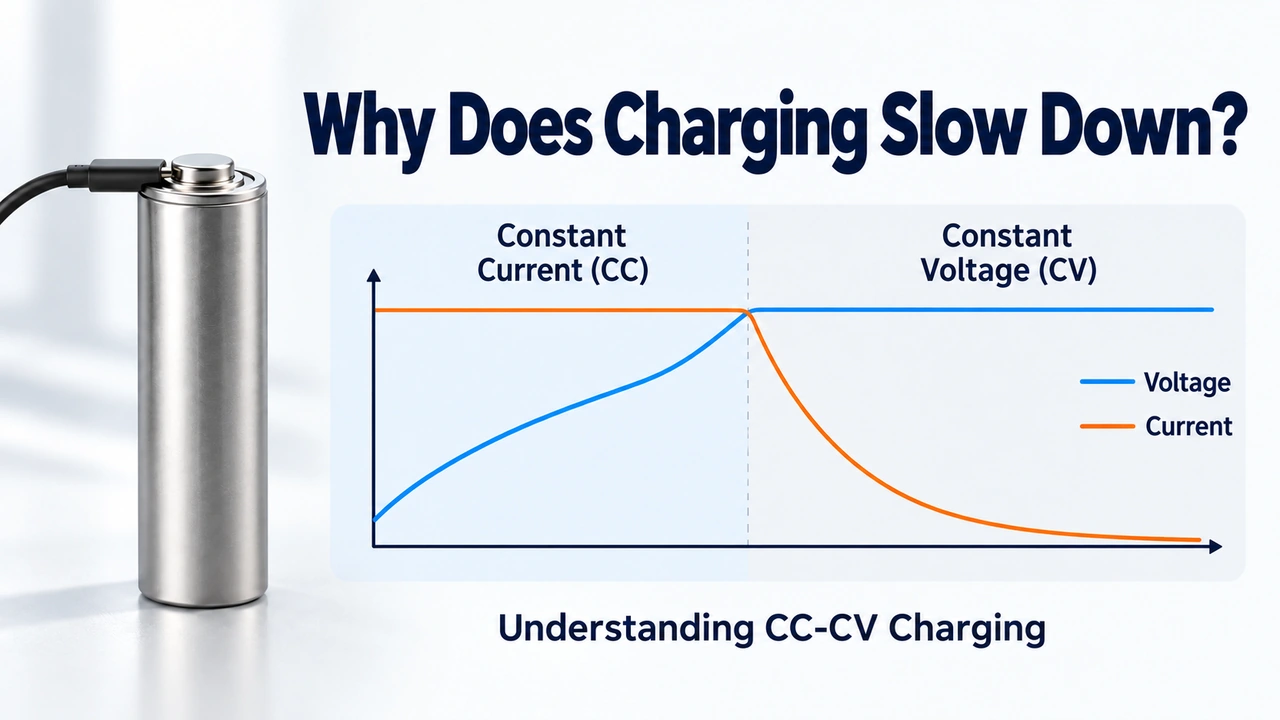
Stable Voltage Output: The BMS efficiently converts the cell's 3.7V to a steady 1.5V output maintained for the vast majority of the discharge cycle, providing devices with more consistent performance.
Comprehensive Safety Protection: The BMS offers proactive protection against overcharge, over-discharge, short circuits, and overheating, significantly enhancing safety and reliability in complex applications.
Performance comparison: a defined premium solution
The following comparison clarifies its position as a specialized solution, not a universal replacement. A detailed analysis follows.
| Feature | Alkaline(Disposable) | NiMH(Rechargeable) | 1.5V Li-ion + BMS |
| Voltage | Declines (1.5V→1.0V) | ~1.2V Plateau | Stable ~1.5V |
| Cycles | Single Use | ~500 - 800 | 1,000+ Cycles (@80% DOD) |
| Self-Discharge | Very Low | Moderate | Very Low |
| Rechargeable | No | Yes (Dedicated Charger) | Yes (USB-C/Dock) |
What this means for your choice?
The data above clearly defines this technology as a premium, application-specific solution, not a universal replacement.
Its stable voltage is the core advantage for devices that suffer from performance drop as batteries drain, such as smart locks or professional flash units.
While it shares a similar cycle life with quality NiMH batteries, its higher upfront cost is justified by additional benefits: superior voltage regulation, integrated safety via the BMS, and often more convenient USB-C charging.
The extremely low self-discharge rate makes it ideal for devices that sit in standby or are used infrequently but must work reliably every time.
In short:
For high-drain, voltage-sensitive, or critical-use devices, it offers a tangible performance upgrade.
For everyday, low-power items, Alkaline or NiMH batteries remain the more economical choice.
Application analysis: where it makes sense (and where it doesn't)
This battery is a premium solution with specific, ideal use cases.
Ideal applications
Smart Home & Security: Provides stable voltage for smart locks and sensors, ensuring reliable motor torque and response. Its low self-discharge is perfect for devices in standby mode.
Professional Photography & Outdoor Gear: Stable voltage can shorten flash recycle times. Its consistent performance is also key for reliable GPS units and powerful headlamps.
Less economical applications
For low-power, low-cost devices like TV remotes or wall clocks, these batteries are overkill, and their high upfront cost is difficult to justify.
Industry quality assurance: system-level testing
The advent of smart batteries demands a new testing paradigm, shifting from cell-focused tests to validating BMS logic, communication protocols, and system integration.
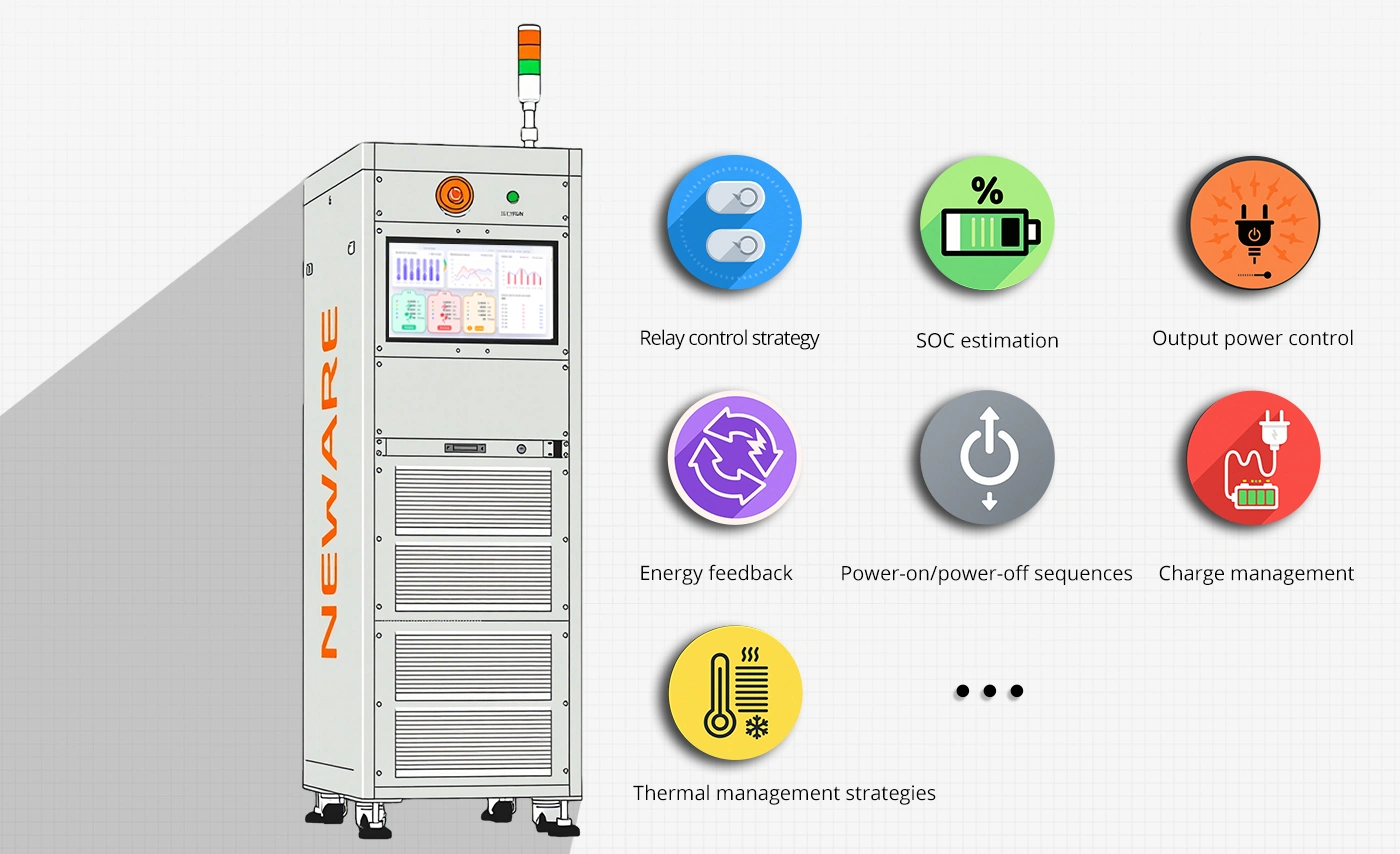
Systems like the NEWARE CE-6000 Series BMS Tester (e.g., Model CE-6'S-BMS-24S300A) provide a complete solution:
BMS functional verification: Supports protocols like CAN & RS485 to simulate communication with the BMS, verifying its balancing strategy, SOC estimation accuracy, and fault protection logic.
Real-world simulation: Precisely simulates real operational stresses, like the inrush current from a motor start, to test the dynamic response and voltage stability of the entire battery system.
Ensuring production consistency: Provides rigorous testing standards for mass production, guaranteeing every unit meets the same performance and safety benchmarks—this is the technical foundation for building a trusted high-end brand.
Sustainability & future outlook
From an environmental perspective, a battery that can be recharged hundreds of times significantly reduces waste. Looking ahead, we may see even more advanced batteries that can interact with devices to optimize power usage.
Conclusion: making an informed, needs-based choice
The 1.5V Li-ion AA battery with an integrated BMS represents a significant evolution in AA technology, positioned squarely in the premium, professional segment.
For smart home users and professionals, it is a worthwhile "performance component" for specific, demanding devices.
For general household daily use, cost-effective NiMH or Alkaline batteries remain the most practical and economical choice.
Technological progress offers more options. The smartest choice comes from a clear understanding of your own needs and the product's specific strengths.