Lithium-ion batteries: a broad range of mature products
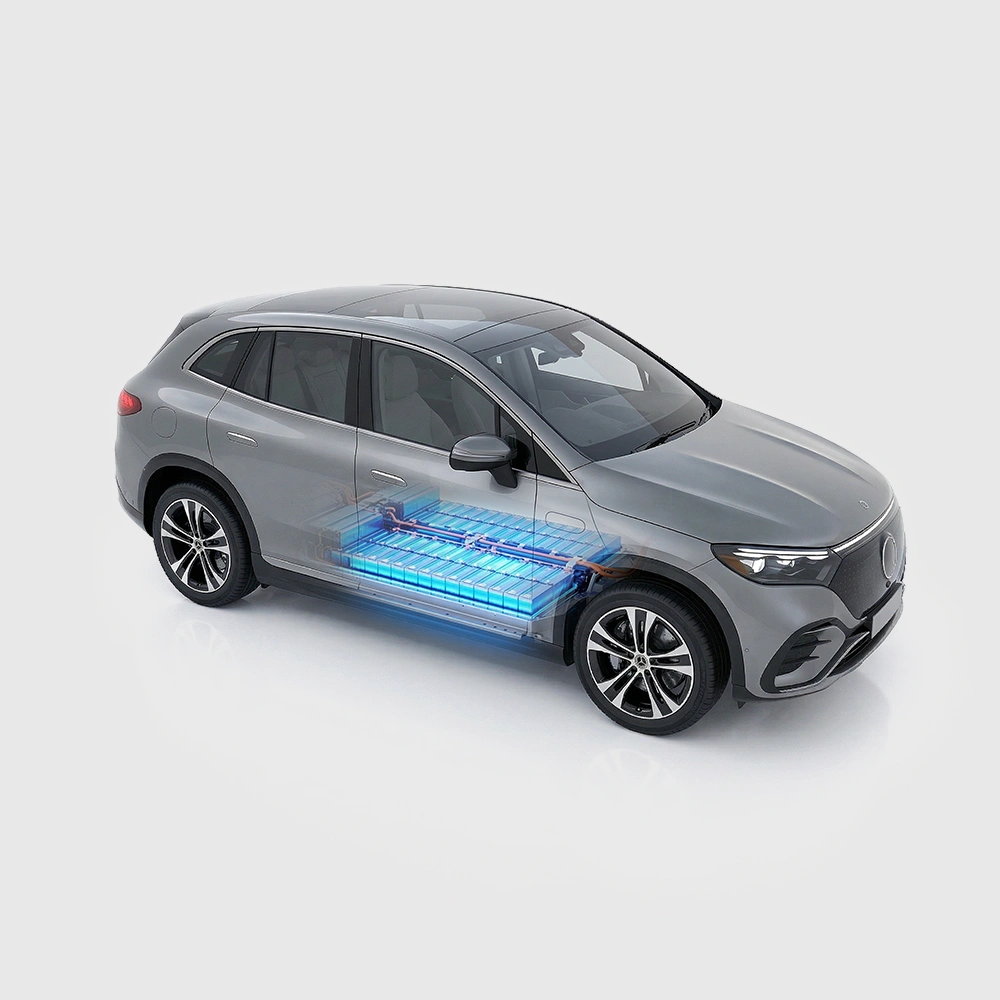
For a phone or an electric vehicle being built today, lithium-ion cells are usually the most practical procurement choice. They benefit from established materials, manufacturing, and applications, with products that balance energy density, power, life, and cost in different ways. Lithium iron phosphate and nickel-rich lithium-ion cells, for example, involve distinct trade-offs.
Their limitations also depend on the chosen design. Some high-energy cathodes use nickel and cobalt, while conventional cells use organic electrolytes that require careful protection against overcharge, overheating, and thermal runaway. A wide product range and extensive engineering experience are advantages, but neither cell selection nor safety management can be skipped. International Energy Agency market analysis shows substantial cost and energy-density differences among lithium-ion chemistries. [1]
Figure 1 traces key developments in anodes, electrolytes, and cathodes. It shows how today’s mature lithium-ion products emerged from advances in several materials and interfaces. [7]
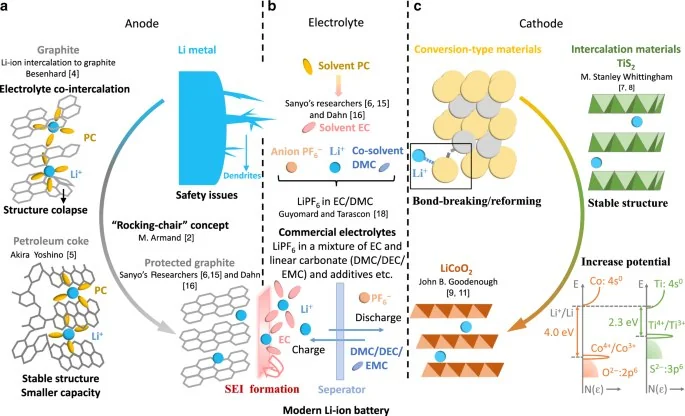
Figure 1. Milestones in lithium-ion anode, electrolyte, and cathode materials.
Sodium-ion batteries: less reliance on lithium, with costs still to prove
Abundant sodium makes sodium-ion batteries a route to reducing dependence on lithium resources. Some designs can use manufacturing processes similar to those for lithium-ion cells, attracting interest in stationary storage, short-range transport, and industrial equipment. [1]
Cheap sodium feedstock does not guarantee a cheaper battery. Cell price also depends on cathode and anode materials, manufacturing yield, production scale, and system design. At present, sodium-ion batteries generally have lower energy density than mainstream lithium-ion batteries. Fitting the same amount of energy into a weight- or space-constrained product can therefore be harder. [1] Their appeal is an alternative combination of materials and potential cost for suitable applications.
Materials details also affect efficiency. In one hard-carbon anode study, the initial Coulombic efficiency varied with the time the electrode rested after electrolyte wetting. Figure 2 reports those particular test results: performance depends partly on how the electrode interface develops, not merely on the price of sodium. [8]
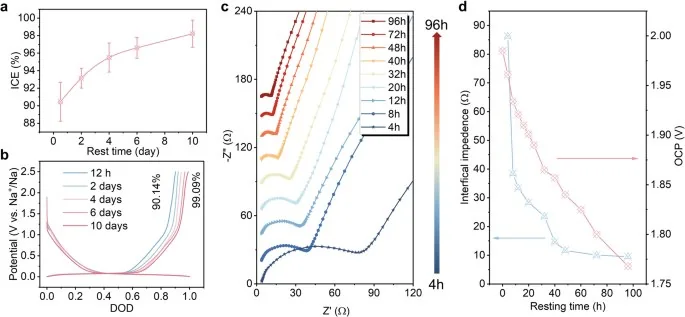
Figure 2. Initial Coulombic efficiency of a hard-carbon anode versus resting time under the reported test conditions.
Potassium-ion batteries: graphite stores potassium, but stability remains difficult
Potassium-ion batteries also attract interest because potassium resources are abundant. One useful feature is that potassium ions can reversibly enter graphite layers. Because graphite is already familiar to the battery industry, it provides a valuable starting point for research. [2]
Using graphite does not mean a mature lithium-ion cell design can simply be copied. Graphite expands and contracts substantially as potassium enters and leaves it. The electrode structure and its interface with the electrolyte must remain stable through repeated cycles. [2] Compared with lithium-ion cells and sodium-ion cells moving toward larger-scale production, potassium-ion batteries are best discussed as a developing research option. Results from an individual laboratory cell should not be presented as commercial product specifications.
Researchers have characterized reactions at graphite anodes and cathodes in potassium-ion full cells. Figure 3 illustrates the ion transport and electrode kinetics examined in this work. [5]
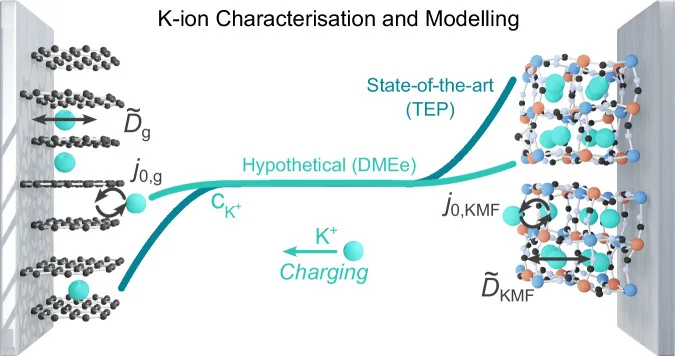
Figure 3. Schematic of graphite-anode and cathode kinetics in a potassium-ion cell; one electrolyte curve represents a hypothetical case.
Aqueous zinc-ion batteries: lower flammability, but water brings side reactions
Aqueous zinc-ion batteries use a water-based electrolyte, avoiding the flammability concern associated with common organic electrolytes. Zinc is also relatively accessible. These features make the chemistry attractive for stationary-storage research where weight matters less and material availability and operating safety matter more. [3]
Changes in zinc-anode morphology are a key challenge for cycle stability. The source image in Figure 4 shows how zinc can deposit and strip unevenly, leaving an irregular surface for later cycles. [6]
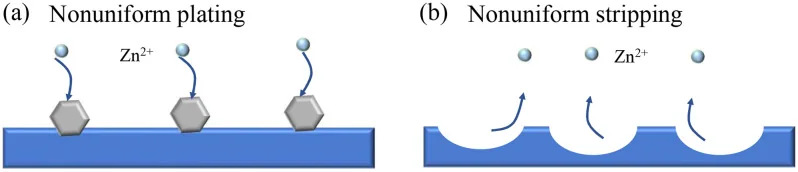
Figure 4. Uneven zinc deposition and stripping at a metal anode.
Many difficulties arise precisely because the electrolyte contains water. During cycling, the zinc anode can experience nonuniform deposition, corrosion, and hydrogen evolution; cathode materials may also dissolve or otherwise change. These processes consume active materials, reduce efficiency, and shorten life. [3][4] The water-based electrolyte also constrains the usable voltage range, limiting the room to increase energy density. [4] An aqueous electrolyte does not make a battery immune to ageing or remove the need for system-level safety design.
No battery chemistry wins in every application
When compact size, long runtime, and dependable supply come first, mature lithium-ion cells have a clear advantage. Sodium-ion cells deserve evaluation where reducing lithium dependence matters and lower energy density is acceptable. Potassium-ion cells offer a promising research direction, but buyers should first establish whether suitable commercial cells exist. For stationary storage, the electrolyte properties of aqueous zinc-ion cells are appealing, provided cycle life, efficiency, and maintenance requirements are checked carefully.
A useful comparison goes beyond asking which element costs less or which battery sounds safer. Compare cell energy, cycle life, actual cost, and operating conditions against the same project requirements. That is how the appropriate role of each chemistry becomes clear.
References
[1] International Energy Agency. Global EV Outlook 2026: Electric vehicle batteries. https://www.iea.org/reports/global-ev-outlook-2026/electric-vehicle-batteries
[2] Li S, et al. Graphite Anode for Potassium Ion Batteries: Current Status and Perspective. Energy & Environmental Materials, 2022. DOI: 10.1002/eem2.12194.
[3] Zampardi G, La Mantia F. Open challenges and good experimental practices in the research field of aqueous Zn-ion batteries. Nature Communications, 2022, 13: 687. DOI: 10.1038/s41467-022-28381-x.
[4] Chen S, Zhi C. Design of asymmetric electrolytes for aqueous zinc batteries. Communications Chemistry, 2025, 8: 20. DOI: 10.1038/s42004-024-01405-x.
[5] Dhir S, et al. Characterisation and modelling of potassium-ion batteries. Nature Communications, 2024, 15: 7580. DOI: 10.1038/s41467-024-51537-w.
[6] Li Q, et al. Tailoring the metal electrode morphology via electrochemical protocol optimization for long-lasting aqueous zinc batteries. Nature Communications, 2022, 13: 3699. DOI: 10.1038/s41467-022-31461-7.
[7] Xie J, Lu Y-C. A retrospective on lithium-ion batteries. Nature Communications, 2020, 11: 2499. DOI: 10.1038/s41467-020-16259-9.
[8] Lu Z, et al. Consummating ion desolvation in hard carbon anodes for reversible sodium storage. Nature Communications, 2024, 15: 3497. DOI: 10.1038/s41467-024-47522-y.