Lithium battery swelling, often jokingly referred to as battery "pregnancy," is not a self‑inflating phenomenon but a dangerous sign of uncontrolled internal chemical reactions. When a flat battery begins to bulge, it may no longer store energy – it could be storing a ticking time bomb.
Q&A: Quick understanding of battery swelling
Q1: What is battery swelling?
It is casing expansion caused by internal gas from uncontrolled side reactions. Consumer batteries use soft‑pack aluminum‑plastic film, which bulges under pressure.
Q2: What are the consequences?
Swollen batteries are unsafe. Continued use or pressure can rupture the casing, leak electrolyte, and in extreme cases, cause fire or explosion due to short‑circuit ignition.
Q3: At what health level do phone batteries swell?
There is no fixed percentage. Prolonged full‑charge storage and poor heat dissipation (e.g., charging under a pillow) accelerate side reactions and gas generation. Focus on charging habits and temperature, not just health numbers.
Q4: How to prevent EV battery swelling?
Minimize full‑charge parking. Set charge limit to 80% if available. Avoid DC fast charging when not needed; park outdoors after charging. Regular health checks are essential.
Q5: What early signs indicate potential swelling?
Significant range reduction often appears first, even before visible swelling, as internal aging reduces capacity.
Q6: Why do power banks swell within a year?
Frequent daily charging/discharging raises temperature. Pouch cells are sensitive to gas. High ambient temperatures, long full‑charge storage, or poor‑quality cells shorten life.
Q7: Can a swollen power bank still be used?
No. Stop using immediately; internal damage and gas make further use risky, potentially causing thermal runaway or fire.
Q8: Do different batteries have different swelling risks?
Yes. Pouch cells (phones, tablets, power banks) are more prone than cylindrical steel‑case cells (e.g., 18650) which have pressure relief valves. EV batteries often have aluminum/steel casings with valves, reducing visible swelling but still risk thermal runaway if short‑circuited.
Current battery market: Safety concerns behind rapid expansion
The global lithium‑ion battery market is in an unprecedented period of expansion. In 2026, total global demand is expected to reach approximately 2,629 GWh, a year‑on‑year increase of 28%, with power and energy storage batteries accounting for about 94% of the total. As the NEV and energy storage markets continue to grow, global power battery shipments are projected to reach about 1.67 TWh in 2026, while energy storage battery shipments are expected to exceed 900 GWh.
Alongside this rapid market growth, battery safety issues frequently make headlines and attract regulatory attention. In early 2026, a well‑known automaker recalled about 44,000 of its bestselling pure electric vehicles due to a manufacturing defect involving electrode misalignment in high‑voltage battery modules. Another brand also proactively recalled some models due to process deviations during battery production, which could lead to lithium plating inside certain cells and eventually cause short‑circuit risks.
Over the past two years, multiple models have experienced batch‑scale safety defects such as "multi‑cell swelling, electrolyte leakage, and burst safety vents." These real‑world failures serve as a stark reminder: battery swelling not only shortens lifespan but can also evolve into fatal threats like power loss or sudden shutdown while driving.
The mechanism behind battery swelling: From gas generation to seal failure
Gas generation mechanism: The logic behind uncontrolled side reactions
Swelling is the expansion of the battery casing due to internal gas generation, fundamentally caused by side‑reaction gases produced under abnormal electrochemical or thermal conditions that cannot be vented in time.
Under normal use, the SEI film effectively prevents further electrolyte decomposition. However, when batteries are exposed to high temperatures for extended periods, or when aging chips reduce heat dissipation efficiency, the SEI film may prematurely decompose. This intensifies reactions between the electrolyte and electrode materials, destabilizing the organic electrolyte and producing gas. Once internal pressure builds up and the casing cannot release it, the aluminum‑plastic film is gradually pushed outward, resulting in visible swelling. As temperatures rise further, violent reactions between the electrolyte and electrodes generate large amounts of gas and heat, potentially leading to swelling, fire, or even explosion.
Special sensitivity of pouch cells
Polymer lithium‑ion cells use aluminum‑plastic composite film packaging. When abnormal chemical reactions generate gas inside the cell, the pouch becomes inflated and swells. Compared to cylindrical cells (which have pressure relief valves) or prismatic aluminum‑case cells (which have rigid housings and explosion‑proof valves), the flexible packaging of pouch cells has the lowest tolerance for internal gas generation. Consequently, they are most likely to show visible swelling at an early stage of health deterioration.
Summary of common causes of battery swelling
| Cause Category | Specific Triggers | Affected Devices |
| Overcharge / Over‑discharge | Charger malfunction causing over‑voltage; over‑discharge dissolves copper foil | Consumer electronics, power banks, EVs |
| High‑temperature environments | Excessive ambient heat or poor heat dissipation accelerates electrolyte decomposition and gas production | Phones, tablets, power banks, EVs |
| SEI film degradation | Repeated charge‑discharge cycles break the SEI film, exposing anode to electrolyte | Phones, EVs, power banks |
| Manufacturing defects | Electrode misalignment, burrs, or other process deviations cause micro‑shorts and gas generation | All battery types |
| Poor sealing | Inadequate pouch sealing allows moisture ingress, triggering side reactions | Phones, tablets, power banks |
| Mechanical damage | Dropping or crushing damages the separator, causing internal short circuits | All battery types |
Table 1 common causes of battery swelling
Hazards and causes of battery swelling in different industries
Smartphones and consumer electronics: Range collapse and safety red lines
When a phone battery swells, the most immediate effects are a warped back cover and a protruding screen, severely compromising user experience. Worse, continued use or physical pressure may rupture the casing, leading to electrolyte leakage. In extreme cases, short‑circuit‑induced high temperatures can ignite the electrolyte, resulting in fire or explosion.
Common causes of smartphone battery swelling include: repeated charge‑discharge cycles that destabilize the SEI film and generate gas; prolonged exposure to high temperatures, which reduces the stability of the organic electrolyte and causes gas production; damage to the separator from drops or impacts, leading to large internal currents and rapid gas generation; and overcharging due to poor‑quality chargers or cells.
Electric vehicles: Power loss and safety risks
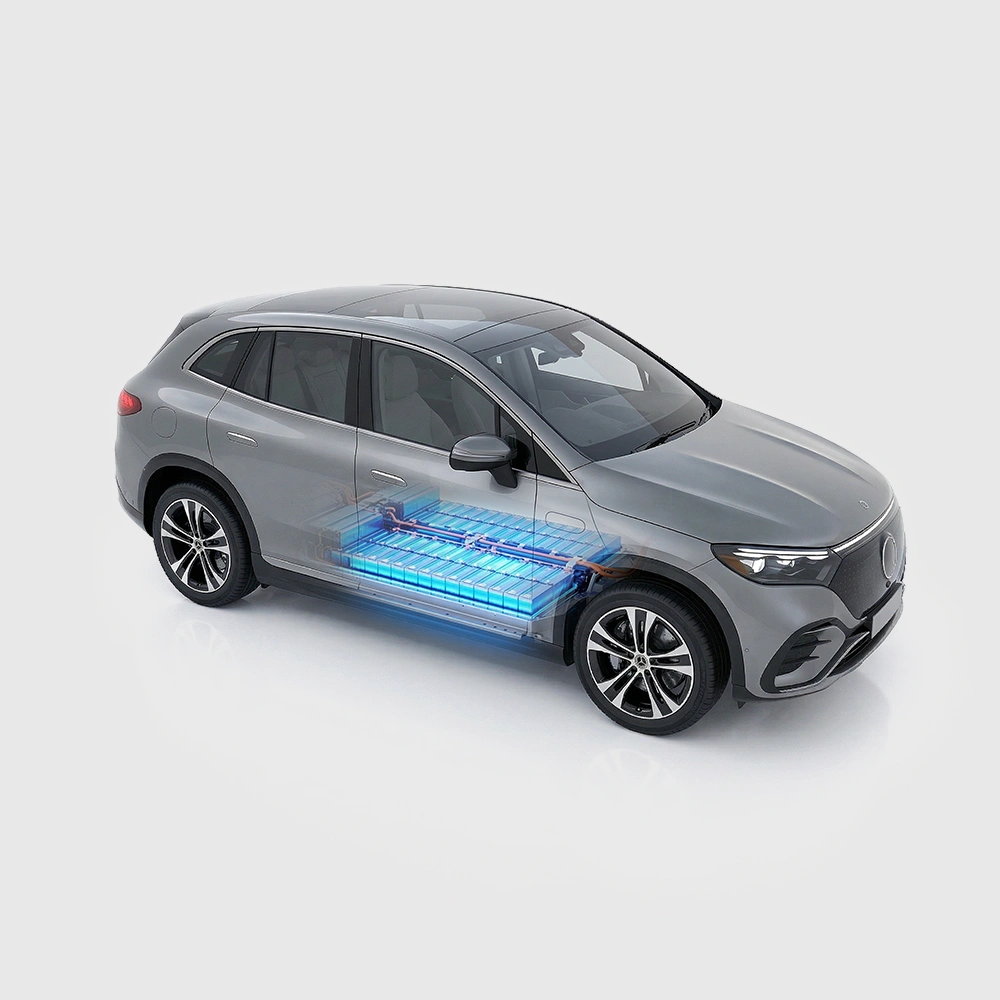
EV battery swelling not only affects range but also poses critical safety risks. In May 2026, owners of a certain brand complained that their LFP battery packs, under normal maintenance and without any accidents or water exposure, exhibited multiple swollen cells, electrolyte leakage, and burst safety vents. While driving, the vehicles suddenly reported battery system faults and lost power, nearly causing traffic accidents. Dealership inspections confirmed that these were batch‑level manufacturing quality defects.
One early warning sign of such hidden defects is a sharp decline in range. Even before severe swelling or vent activation occurs, many cells may already have significantly degraded due to micro‑shorts or electrolyte depletion, causing a sudden drop in usable capacity and effectively halving the driving range.
Power banks and portable energy storage: The most prone category
The power bank industry has seen frequent swelling issues in recent years. Some users reported that their magnetic power banks started swelling after only 18 months of use. Romoss power banks have also attracted attention for swelling and even fire risks. In 2025, Romoss recalled nearly 500,000 power banks due to the risk of combustion under extreme conditions.
The main reasons for power bank swelling are frequent charging/discharging cycles that raise battery temperatures, the sensitivity of pouch cells to gas generation, inadequate sealing, the use of low‑quality cells, and users storing them at full charge for long periods.
How to avoid battery swelling – prevention over cure
Rule 1: Charge range management
For smartphones, it is advisable to keep the charge between 30% and 80%, avoiding prolonged 100% full‑charge states. Lithium batteries are most comfortable in the 30%‑80% range; long‑term full‑charge storage in hot environments accelerates aging. If an EV is to be parked for an extended period, maintain the charge at around 50%‑60%. It is recommended to enable "optimized battery charging" on phones or charge‑limiting functions on EVs, which automatically slow down charging near full to reduce the time spent at high voltage.
Rule 2: Strict temperature control
Avoid using smartphones for extended periods or charging EVs under direct summer sunlight. Do not charge your phone under a pillow, as this traps heat and prevents proper dissipation.
Rule 3: Use certified accessories
Always use certified chargers and cables. Counterfeit or low‑quality chargers may cause unstable voltage and current, damaging the battery. Volvo also emphasized the importance of charge control during its battery recall, advising owners to temporarily set the charge limit to no more than 70% before official repairs.
Rule 4: Regular inspections and timely replacement
If a phone battery shows any sign of swelling, stop using it immediately and avoid charging or squeezing it. When replacing, choose original or certified products and have the work performed by professionals. EV owners should regularly visit authorized service centers for dedicated high‑voltage battery health checks, and remain alert to dashboard warnings such as "Battery System Fault" or "High‑Voltage Battery Overheat," seeking early diagnosis.
Battery testing equipment: Scientific tools for early swelling prediction
Rather than waiting for swelling to occur, a more fundamental approach is to predict risks early in the battery’s aging process. Modern high‑precision battery testing equipment is key to achieving this.
Non‑destructive testing (NDT) technologies are among the most promising directions. Among the five main categories – X‑ray imaging, computed tomography (CT), neutron scattering, ultrasonic detection, and electrochemical impedance spectroscopy (EIS) – EIS can accurately reflect battery performance and energy loss by measuring internal conductivity, enabling real‑time monitoring and early aging warnings. X‑ray inspection clearly reveals electrode structures, weld points, and separator integrity, while CT scanning displays internal structural changes after different cycle counts, precisely identifying expansion deformation and structural damage.
DC internal resistance (DCIR) tracking is a common diagnostic tool. Lower battery health corresponds to higher internal resistance. By comparing against a baseline from a new battery, health status can be estimated and potential risks predicted.
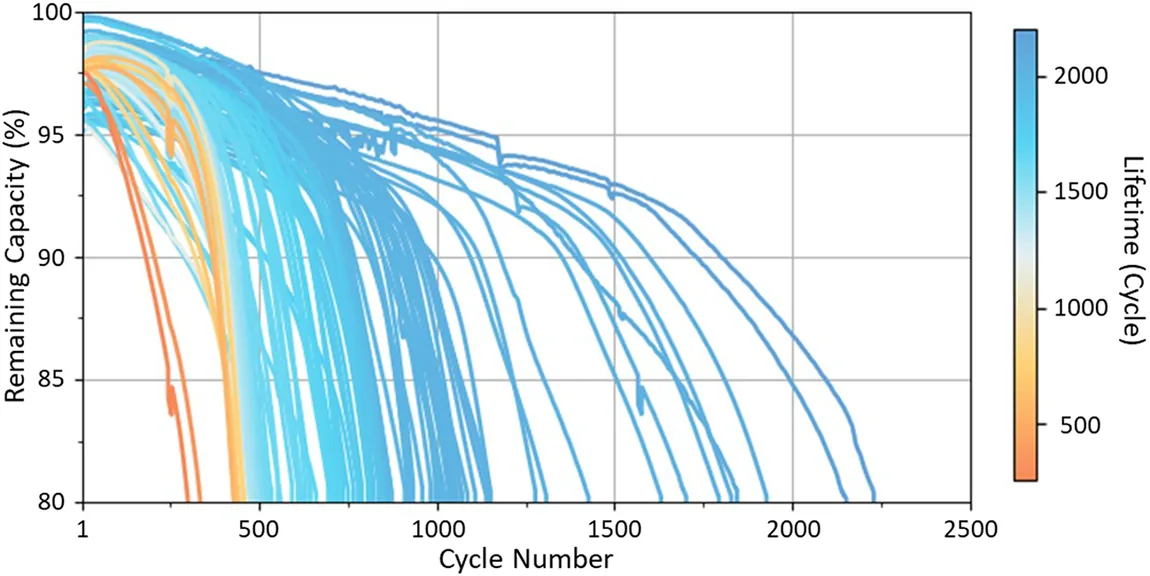
High‑precision charge‑discharge cycle testing is the fundamental method for new cell R&D and quality control. By simulating real‑world conditions under constant temperature and humidity over long‑term cycling, capacity fade curves and internal resistance growth trends are tracked in parallel, and SOH joint estimation algorithms are used to assess long‑term reliability and failure boundaries.
From smartphones to electric vehicles, batteries have become the "energy heart" of modern life, yet swelling remains a "time bomb" hanging over every user. Fortunately, battery swelling is not unpreventable – scientific usage habits, strict safety standards, and precise testing from cell material screening to factory aging assessment are building a stronger safety defense line for more users.