Why electrolyte health defines battery performance
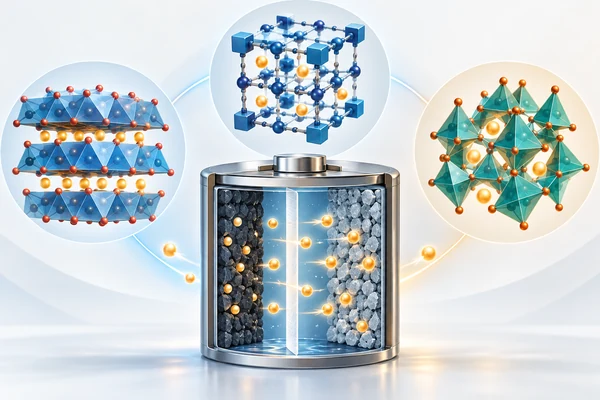
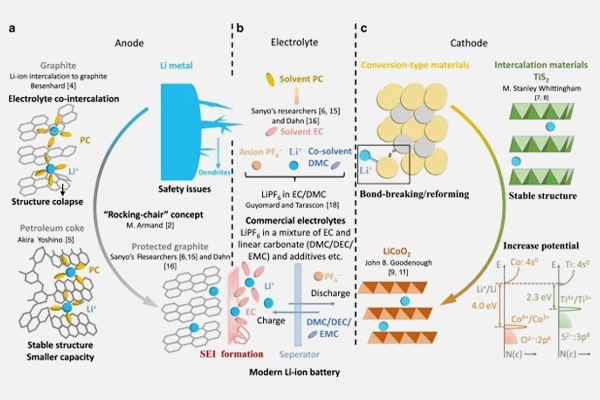
If a battery cell is engineered like a heart, its electrolyte—commonly referred to as "battery acid" in classical systems—functions as the lifeblood. Whether it is the aqueous sulfuric acid in lead-acid batteries or organic lithium/sodium salt solutions in modern chemistry, the electrolyte enables critical ion transport between electrodes.
Electrolyte degradation, dry-out, gas evolution, or interfacial decomposition directly influences capacity retention (SOH) and overall safety boundaries. For R&D engineers and testing managers, mastering safe handling and high-precision electrochemical evaluation is a foundational requirement.
Comparative analysis of battery electrolyte chemistries
Understanding the chemical distinctiveness of each electrolyte system is the first step toward effective testing design:
Aqueous lead-acid systems: Formulated with diluted sulfuric acid (H2SO4, pH ≈ 0.8). The solution's Specific Gravity (SG) varies linearly with State of Charge (SOC), providing a quick physical diagnostic metric.
Non-aqueous lithium/sodium-Ion systems: Composed of lithium/sodium salts (e.g., LiPF6) dissolved in organic carbonates. Moisture ingress triggers hydrolysis, producing highly toxic and corrosive Hydrofluoric Acid (HF).
Solid/semi-solid state systems: Utilizes solid-state membranes or gel electrolytes, shifting the testing focus toward solid-solid interfacial contact impedance and physical stress evolution.
Laboratory safety & hazard protocols
Given the reactive and corrosive nature of battery chemicals, testing facilities must enforce rigorous safety standards:
Personal protective barriers: Acid- and alkali-resistant fluoroelastomer gloves and face shields are mandatory when handling open cells. Non-aqueous electrolytes must be processed inside glove boxes with H2O/O2 < 0.1 ppm.
Neutralization procedures: Sulfuric acid spills require sodium bicarbonate neutralization. For lithium electrolyte leaks, calcium gluconate absorbents must be applied immediately to prevent toxic vapor spread.
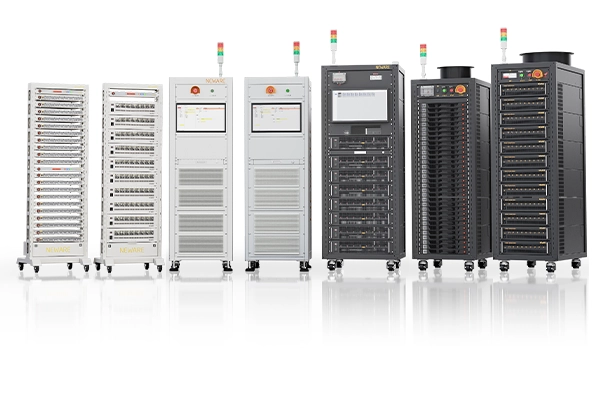
Hardware-Level protection: Test channels should feature hardware-level protection mechanisms capable of triggering cut-offs in microseconds upon sensing voltage spikes, current overshoots, or thermal anomalies.
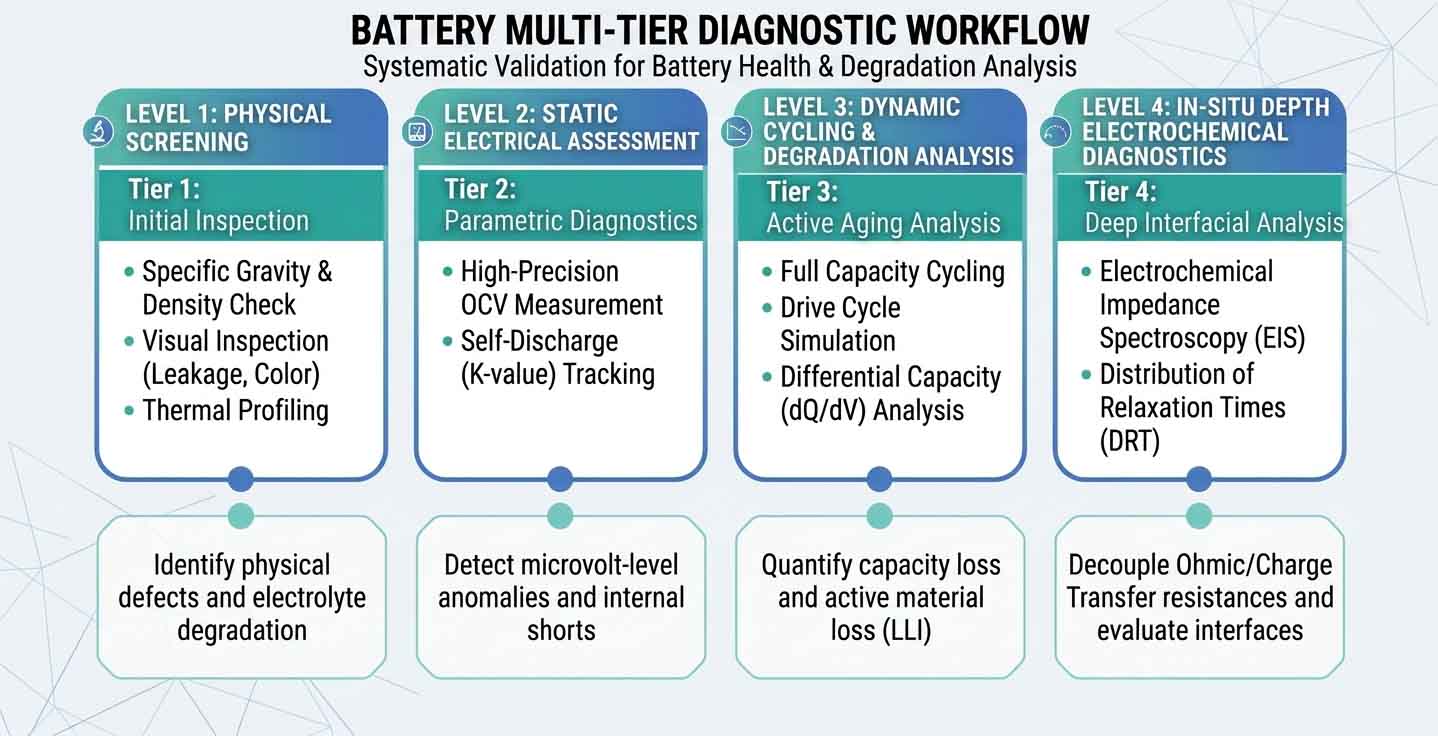
A 4-tiered diagnostic framework for electrolyte health
In laboratory environments, we recommend establishing a multi-tiered diagnostic testing framework:
Tier 1: physical screening
Key metrics: Specific Gravity (SG) checks, visual screening, and thermal profiling.
Objective: Quickly identify physical anomalies like electrolyte leakage, acid stratification, or severe plate sulfation.
Tier 2: static electrical assessment
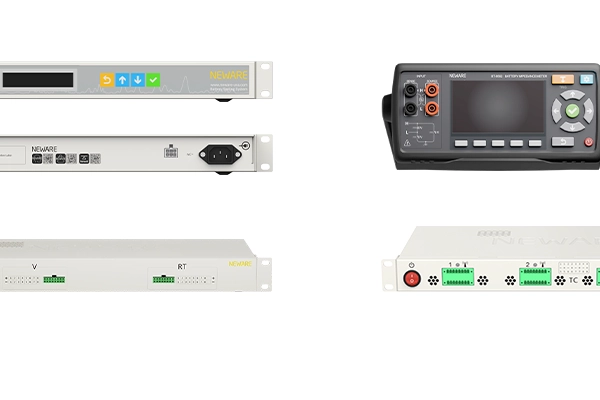
Key metrics: High-precision Open-Circuit Voltage (OCV) and self-discharge (K-value) tracking.
Objective: Detect microvolt-level voltage drifts to identify internal micro-short circuits early.
Tier 3: dynamic cycling & degradation analysis
Key metrics: Precision capacity cycling, drive cycle simulation, and differential capacity (dQ/dV) analysis.
Objective: Non-destructively quantify Loss of Lithium Inventory (LLI) resulting from electrolyte consumption.
Tier 4: In-situ electrochemical diagnostics
Key metrics: Electrochemical Impedance Spectroscopy (EIS) and Distribution of Relaxation Times (DRT) analysis.
Objective: Accurately decouple Ohmic resistance (RΩ) from charge transfer resistance (Rct) to monitor electrolyte and interfacial evolution.
Engineering pitfalls: how to avoid test artifacts
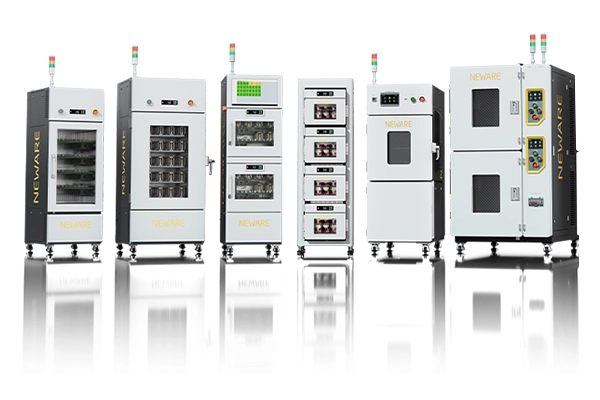
Neglecting thermal sensitivity: Electrolyte ionic mobility fluctuates significantly with temperature. Always integrate test channels with environmental chambers to eliminate temperature-induced measurement noise.
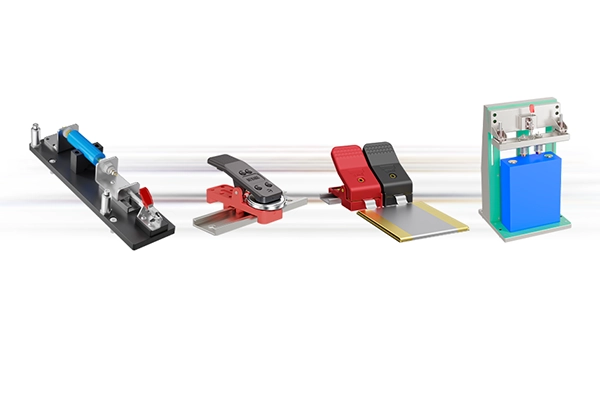
Contact resistance artifacts: Measuring micro-ohm internal resistance requires Kelvin (4-wire) sensing connections to eliminate lead and fixture resistance errors.
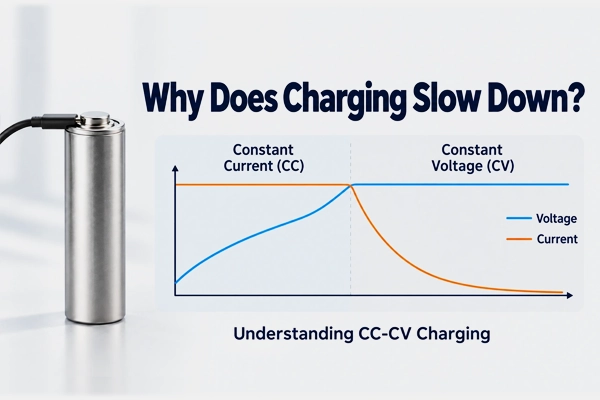
Over-Voltage decomposition: Ensure upper cut-off voltage limits align strictly with the electrolyte's electrochemical stability window to prevent oxidative gas generation.
Conclusion
The chemical behavior of electrolytes is a central thread throughout a battery's operational lifespan. Moving beyond basic containment and specific gravity checks toward precision cycling, drive-cycle simulation, and in-situ EIS analysis enables testing laboratories to generate reliable, actionable data for battery R&D and quality assurance.