Xiaomi's Jinsha River battery has achieved another breakthrough in Xiaomi's battery technology, being the highest energy density battery in Xiaomi's history, reaching up to 779Wh/L. It also adopts the latest generation of silicon-carbon anode technology, achieving the highest silicon-carbon content of 6% in Xiaomi's battery history, and supports a battery life of 80% after 1600 cycles.
What does the highest energy density of 779Wh/L mean for the Jinsha River battery?
Energy density refers to the amount of electrical energy released per unit volume of the battery, which means that under the condition of unchanged battery volume or mass, the greater the energy density, the greater the battery capacity. The Jinsha River battery has achieved an increase in battery capacity to 5300mAh while reducing the volume by 8%, resulting in a smaller battery compartment and greater stored energy.
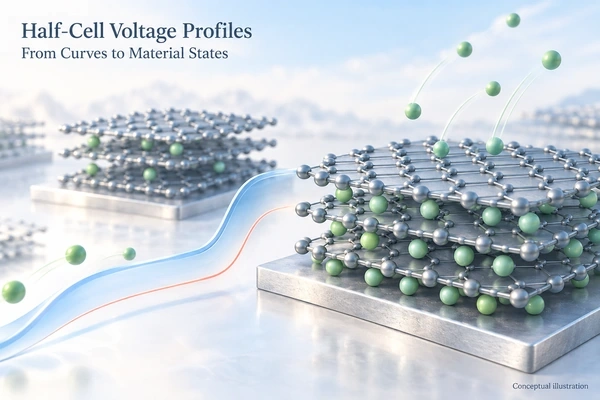
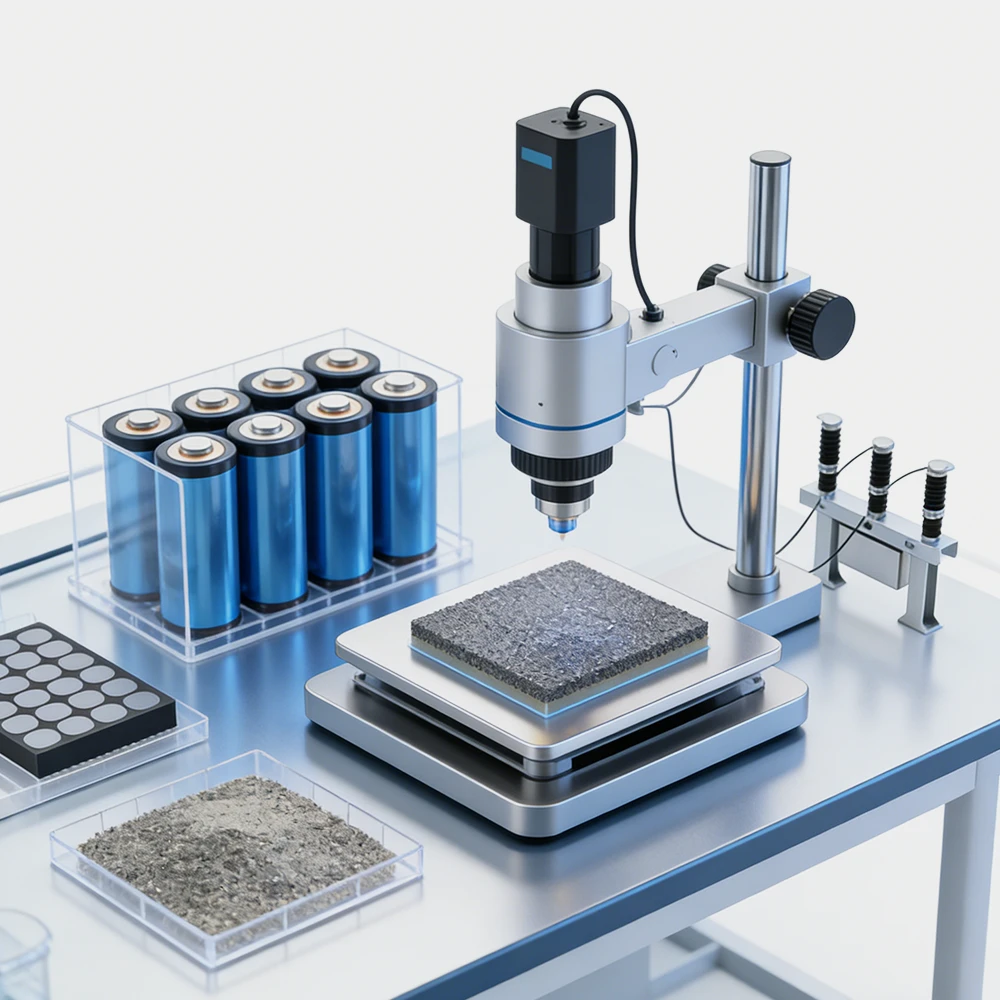
Achieving a breakthrough in energy density cannot be separated from efforts in various aspects such as battery materials and processes. In terms of materials, in order to increase the battery's energy density, Xiaomi's Jinsha River battery uses silicon-carbon anode materials. As an important component of lithium-ion batteries, the capacity of the anode has a significant impact on the overall capacity of the battery. Traditional battery materials mainly use graphite anodes, but the development of graphite anodes is very close to the theoretical limit, with limited room for improvement. Therefore, Xiaomi's Jinsha River battery adopts silicon-carbon anodes, with a capacity exceeding the theoretical limit of graphite anode capacity by 15%, opening up the limits of material for Xiaomi's Jinsha River battery in 90W fast charging.
During the process of increasing the silicon-carbon content, even a tiny change of 1% can add significant difficulty to battery design. This is because the silicon-carbon material, while enhancing energy density, can cause about 200% volume expansion during the charging and discharging process. This expansion greatly damages the solid-liquid interface on the surface of the silicon-carbon material, and if not handled properly, it will lead to rapid capacity decay.
To minimize the impact of increasing silicon content, Xiaomi's Jinsha River battery adds organic polymer compounds, forming a biomimetic self-healing elastic barrier through in-situ film technology, greatly increasing the ductility of the film. More importantly, it can timely repair the grain cracks produced in multiple cycles. At the same time, to better bond the material particles, the silicon-carbon anode uses high-strength copper foil and high toughness binders to ensure the excellent performance of Xiaomi's Jinsha River battery.
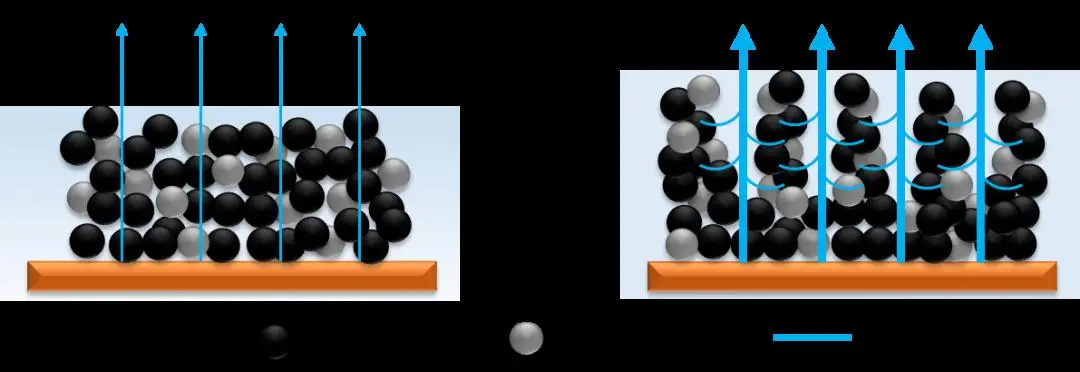
Jinsha river battery's silicon-carbon electrode energy slot technology
Moreover, in terms of process, Xiaomi's Jinsha River battery adopts the energy groove technology, forming 2,376 channels on the surface of the electrode. The existence of these channels increases the contact area between the electrolyte and the electrode, ensuring full infiltration of the electrolyte, creating conditions for increasing the electrode compression density, and further improving the battery's energy density.
Most current mobile phone batteries use lithium batteries, and the key concept to measure the battery life is "cycles." A cycle, also known as a charge-discharge cycle, is a complete charge and discharge process for a lithium battery. Since each charge and discharge will cause some loss to the internal structure of the battery, the battery capacity will gradually decrease with the increase in the number of cycles. Xiaomi's Jinsha River battery achieves a capacity of 80% of the original after 1,600 charge and discharge cycles, which means that the service life of the mobile phone will be greatly extended, reducing the frequency of battery replacement, and extending the service life of the mobile phone, reducing pollution from discarded batteries due to mobile phone replacement.