Core summary: 2026 battery audit & compliance
2027 Compliance baseline: 2026 is the mandatory window to transition from manual logs to automated Digital Product Passport (DPP) data auditing.
Verification standards: Audits now require Source of Truth data. High-precision testing (e.g., NEWARE CT-9000) is essential to validate SOH and carbon footprint.
Traceability requirement: Real-time data integration between factory testers and EU portals is the primary metric for 2026 audit success.
Strategic outlook: the battery passport as a mandatory market entry requirement
As we move into the second quarter of 2026, the global battery supply chain is facing its most significant regulatory shift in a decade. Under the EU Battery Regulation (2023/1542), the Digital Product Passport (DPP) becomes mandatory on February 18, 2027. For manufacturers of EV batteries and industrial batteries over 2kWh, 2026 is the "Data Readiness Year." Companies without a verified digital identity for their cells will find themselves locked out of the European market.
Core compliance metrics: from carbon footprint to state of health (soh)
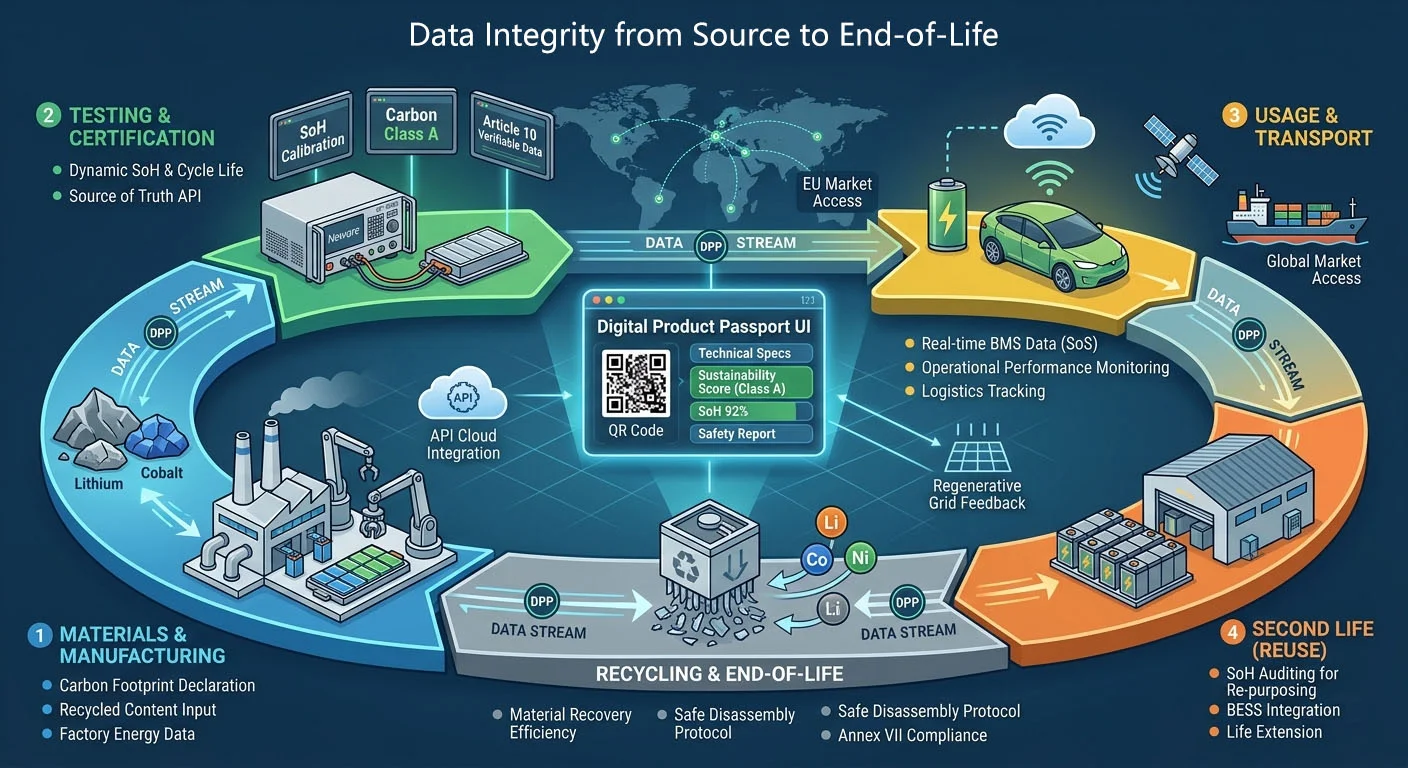
The Battery Passport is not just a static QR code; it is a dynamic record that requires the synchronization of over 90 technical and sustainability attributes. Key data points that regulators will audit in 2026 include:
Carbon footprint declaration: Mandatory from August 2025/2026 (depending on battery type), requiring precise energy consumption data from the manufacturing and testing phases.
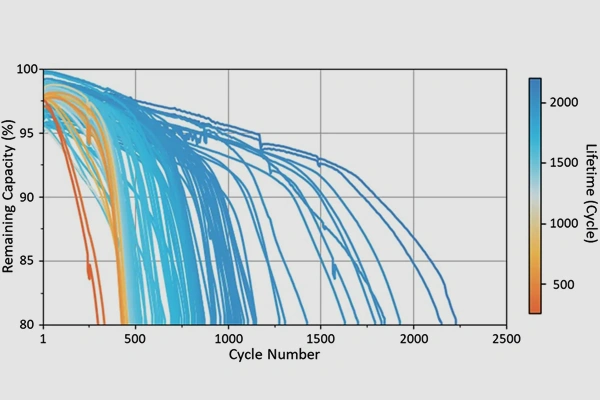
Performance and durability (soh & cycle Life): Article 10 of the regulation demands verifiable data on how a battery degrades over time.
Safety parameters: Real-time access to the Battery Management System (BMS) data to ensure the State of Safety (SoS) throughout the lifecycle.
Why precision testing is the foundation of global compliance
Data integrity is the currency of the 2027 compliance era. Passive monitoring is no longer sufficient. To meet the stringent EU Market Access standards, manufacturers must implement advanced testing protocols:
1. Auditable data streams: Testing equipment must provide a "Source of Truth" that can be integrated via API into DPP platforms.
2. Mission profile testing: Batteries must be tested under real-world scenarios (like eVTOL pulse discharge or heavy-duty EV cycles) to accurately predict degradation.
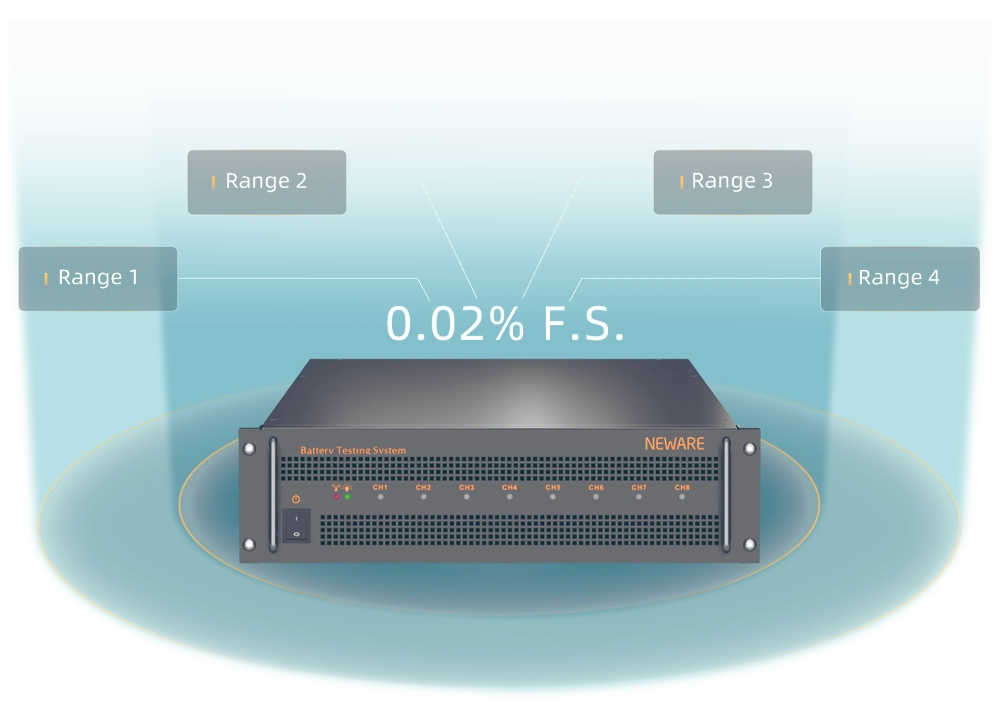
3. Energy efficiency verification: High-precision testers like the Neware CT-9000 allow for precise round-trip efficiency (RTE) measurements, which directly impact the battery's environmental score.
NEWARE solutions: bridging the gap to 2027 digitalization
At NEWARE, we have evolved our hardware and software ecosystem to support the 2027 mandate. Our BTS 8.0 Software and Energy-Regenerative Testers provide a seamless path to compliance:
Automated regulatory reporting: Generate data reports that align with EU DPP data models.
1500V-3000V capability: Supporting the latest High-Voltage BESS architectures for utility-scale storage.
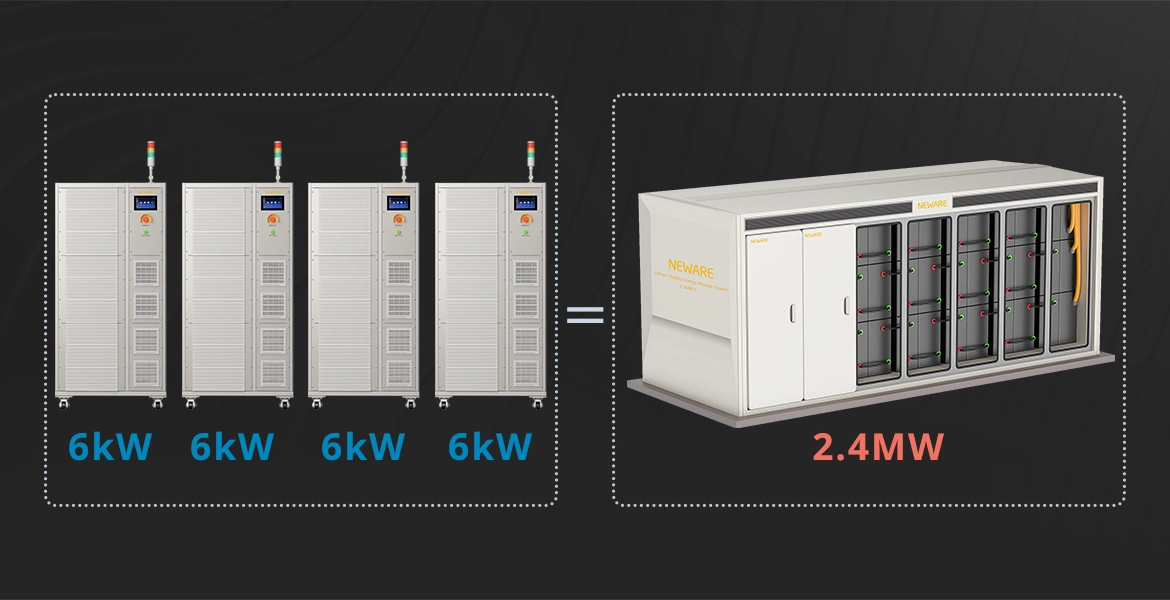
Sustainability focus: Our regenerative technology returns up to 90% of energy to the grid during discharge testing, directly lowering the manufacturing carbon footprint required for the passport.
Conclusion: lifecycle traceability, battery data integrity, ev & bess testing, esg reporting
As we approach the 2027 mandate, the Digital Product Passport has become the definitive benchmark for market leadership. NEWARE's advanced testing solutions provide the high-fidelity data required to certify performance and sustainability at the highest level. By ensuring your data is backed by industry-leading precision, you position your products as the gold standard in the global supply chain, turning mandatory transparency into a powerful tool for global expansion.