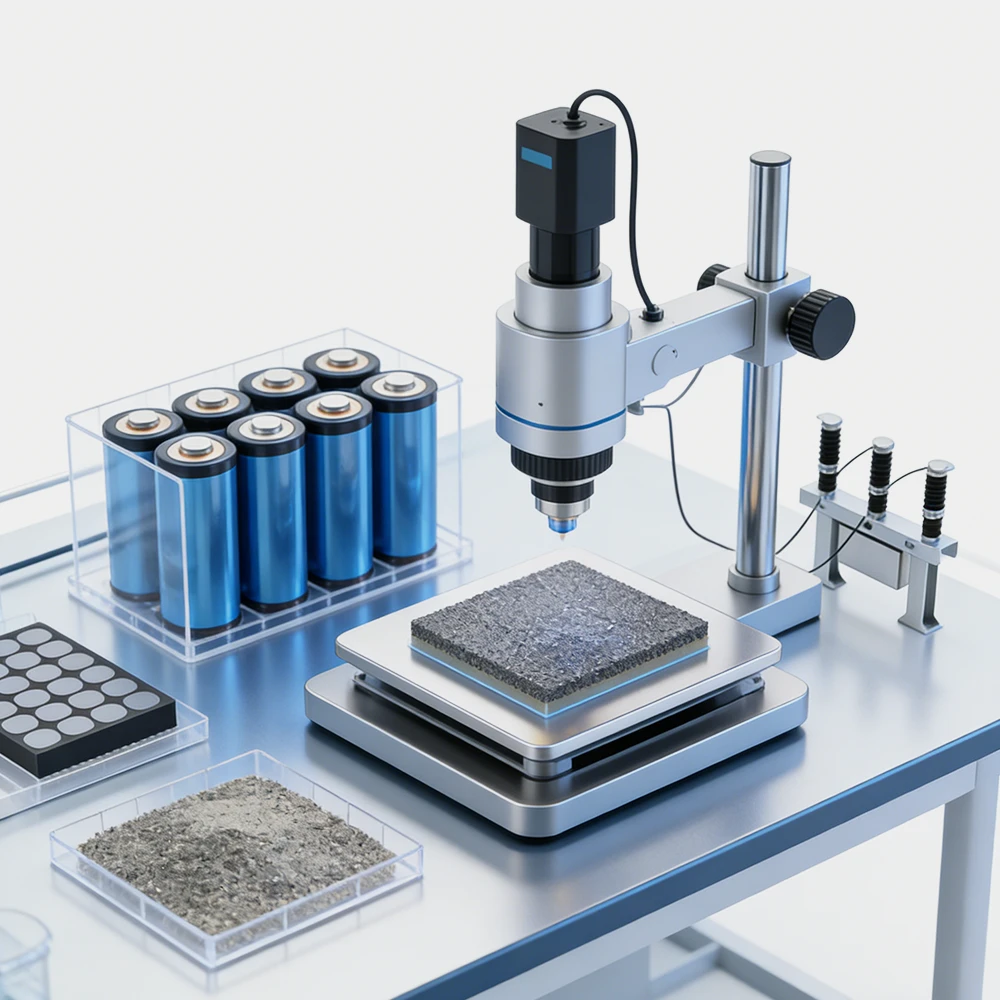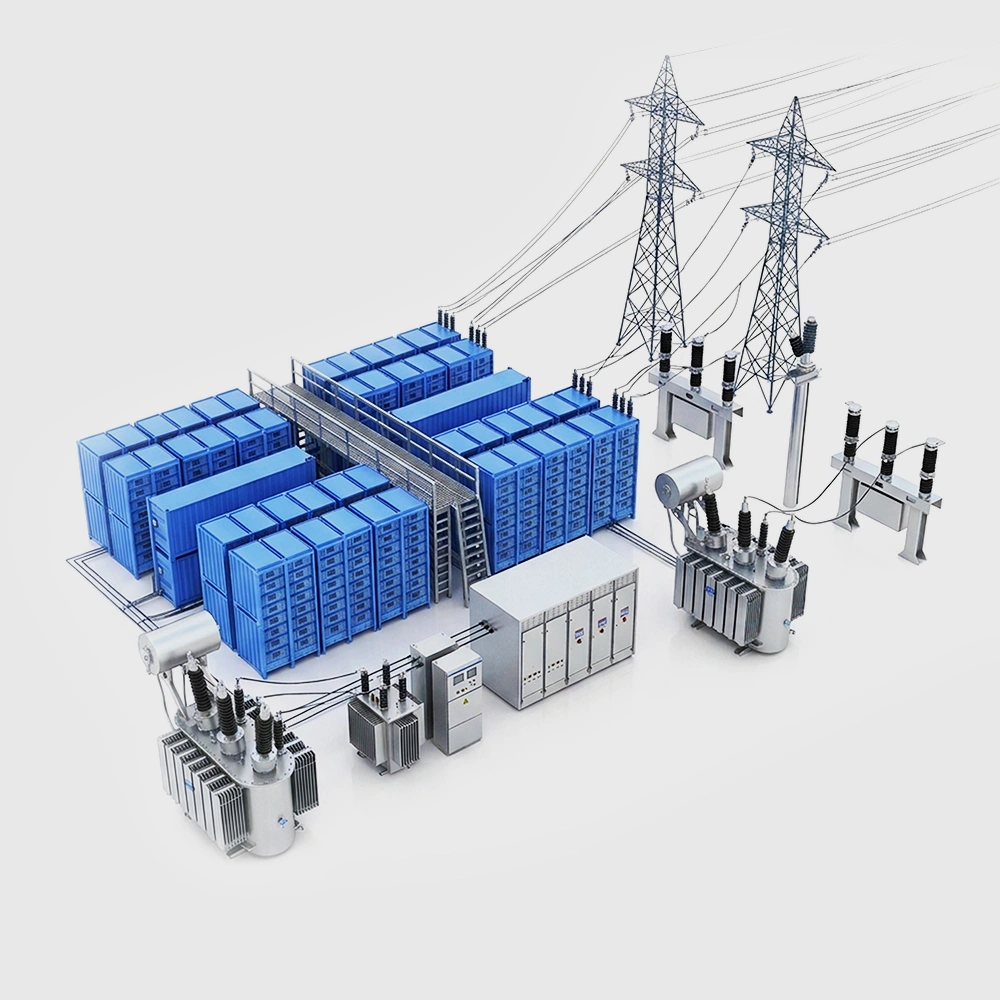
BESS definition
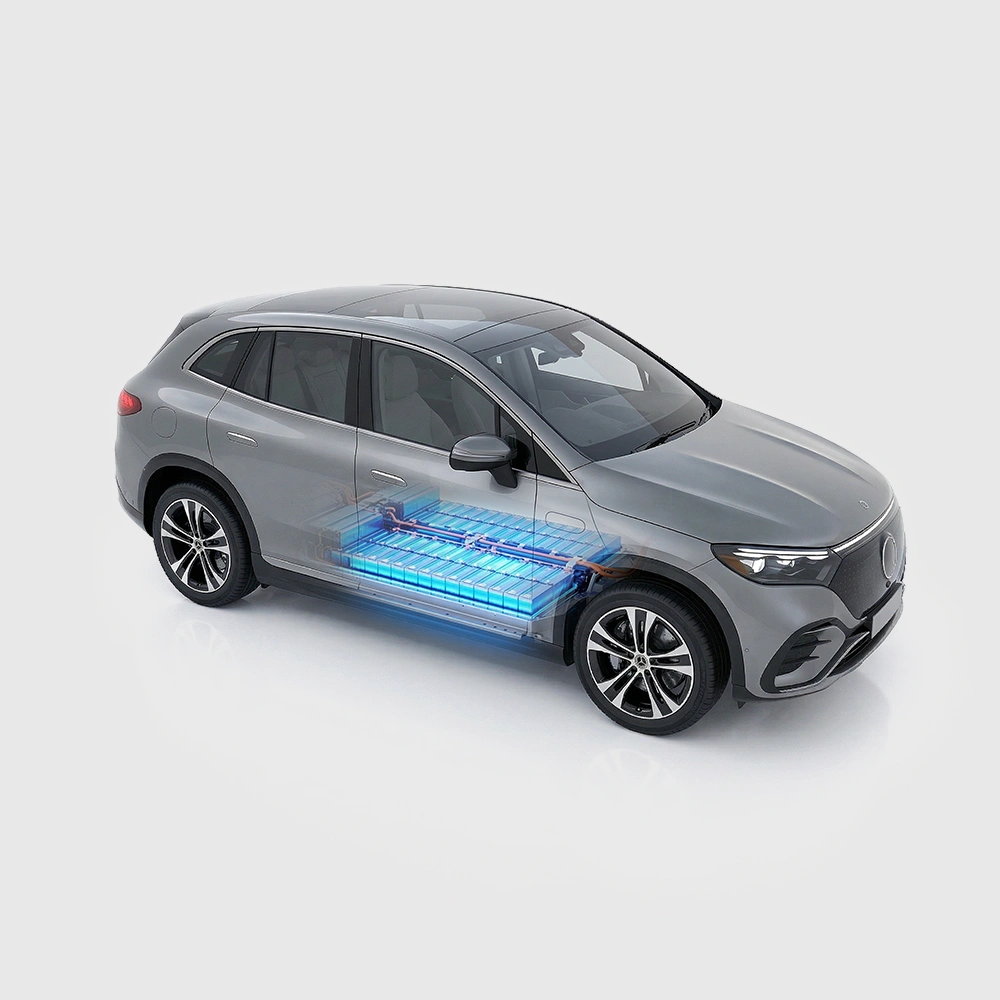
A Battery Energy Storage System (BESS) is a sophisticated technology solution that captures energy from various sources (such as solar, wind, or the grid) and stores it in rechargeable batteries for later use. It is not merely a collection of battery cells; it integrates complex components including the Battery Management System (BMS), Power Conversion System (PCS), and Thermal Management Systems. In the context of high-voltage trends, a BESS acts as the "energy reservoir" that stabilizes the grid and enables ultra-fast EV charging.
Quick view: 1500V+ bess/ev testing insights
Industry evolution : High-voltage R&D is shifting from 1500V to 3000V to minimize energy losses in utility-scale BESS and ultra-fast charging EVs.
Technical benchmark : The CE-6000 Series ensures reliable simulation via sub-10ms current response and ±0.02% F.S. accuracy at high voltage.
System integration : Unified control via CAN FD and environmental chamber synchronization is critical for safe thermal runaway and cycle life validation.
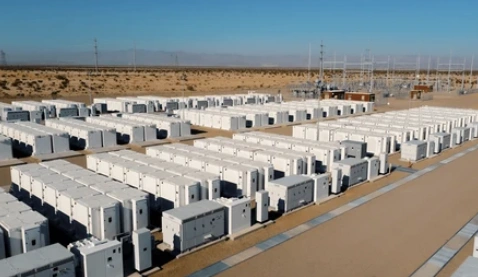
The global push for grid-scale renewable energy and ultra-fast charging Electric Vehicles (EVs) is driving battery architectures to higher power levels. While the fundamental BESS definition refers simply to a Battery Energy Storage System used to capture and distribute energy, the modern BESS meaning in utility-scale applications has evolved dramatically. Today, 1500V architectures represent the industry baseline, with R&D shifting towards 2000V and 3000V systems to maximize energy transfer efficiency and reduce line losses.
However, testing massive battery clusters, Power Conversion Systems (PCS), and advanced EV packs at these voltages exceeds the operational limits of legacy infrastructure. This article analyzes the current engineering bottlenecks and details the equipment capabilities required for next-generation testing.
Current technical limitations in high-voltage battery testing
Battery engineering teams and testing facilities are currently facing specific technical challenges when evaluating 1500V+ systems:
Inflexible power scaling: Traditional equipment often lacks scalable channels. Facilities must invest in disparate systems for low-power pack testing and high-power PCS testing, decreasing capital efficiency.
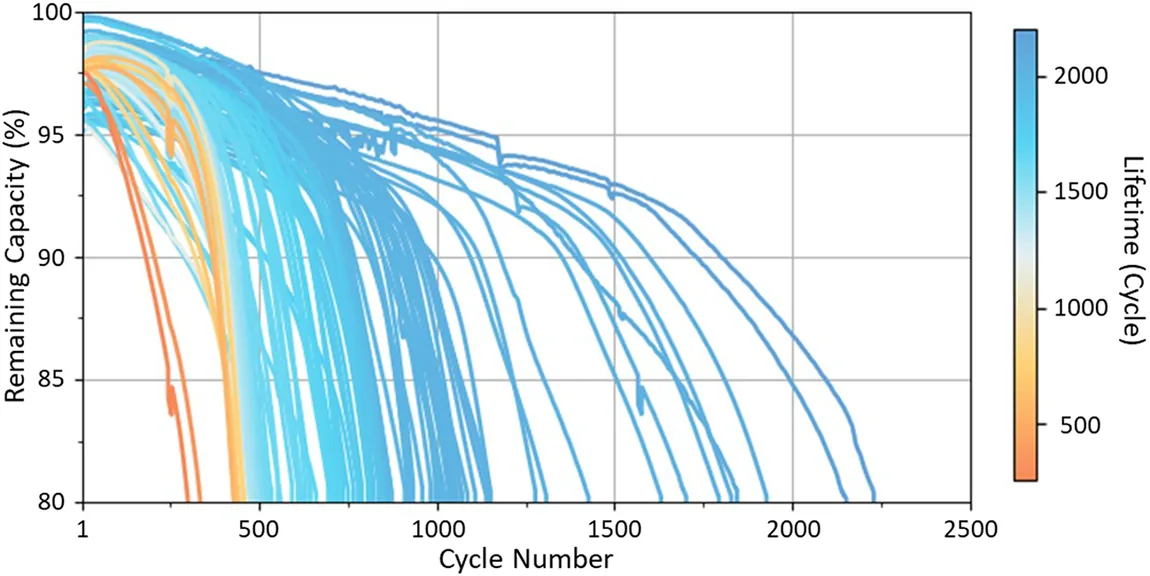
Inaccurate driving cycle simulation: EV driving cycles and grid frequency regulations require instantaneous current changes. A tester with sluggish current response yields simulation data that cannot accurately predict real-world cycle life.
Fragmented testing environments: Operating battery testers, thermal chambers, and liquid chillers independently creates data synchronization issues and increases safety risks during thermal runaway tests.
Technical capabilities of the CE-6000 series for 1500V+ testing CE-6000
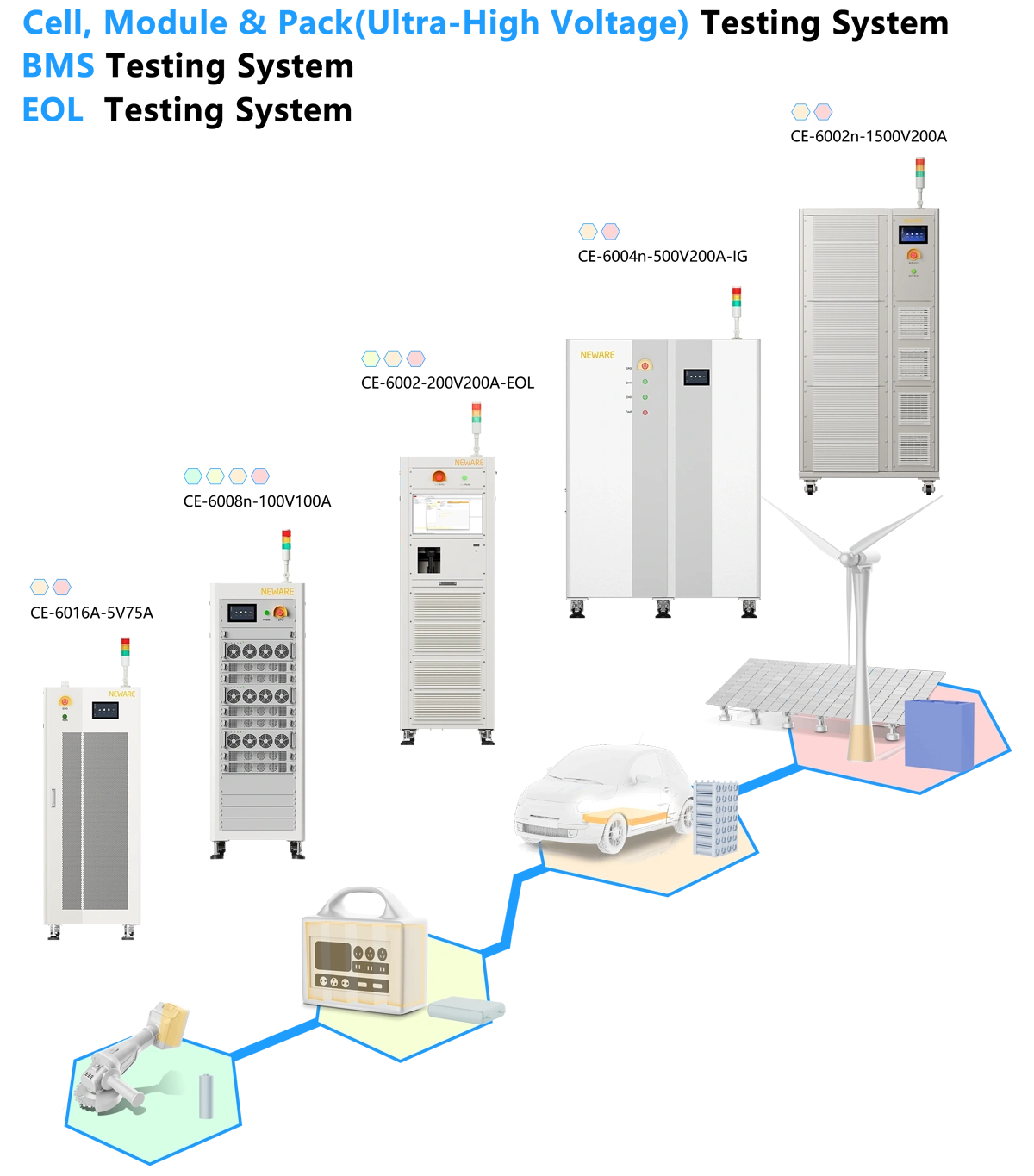
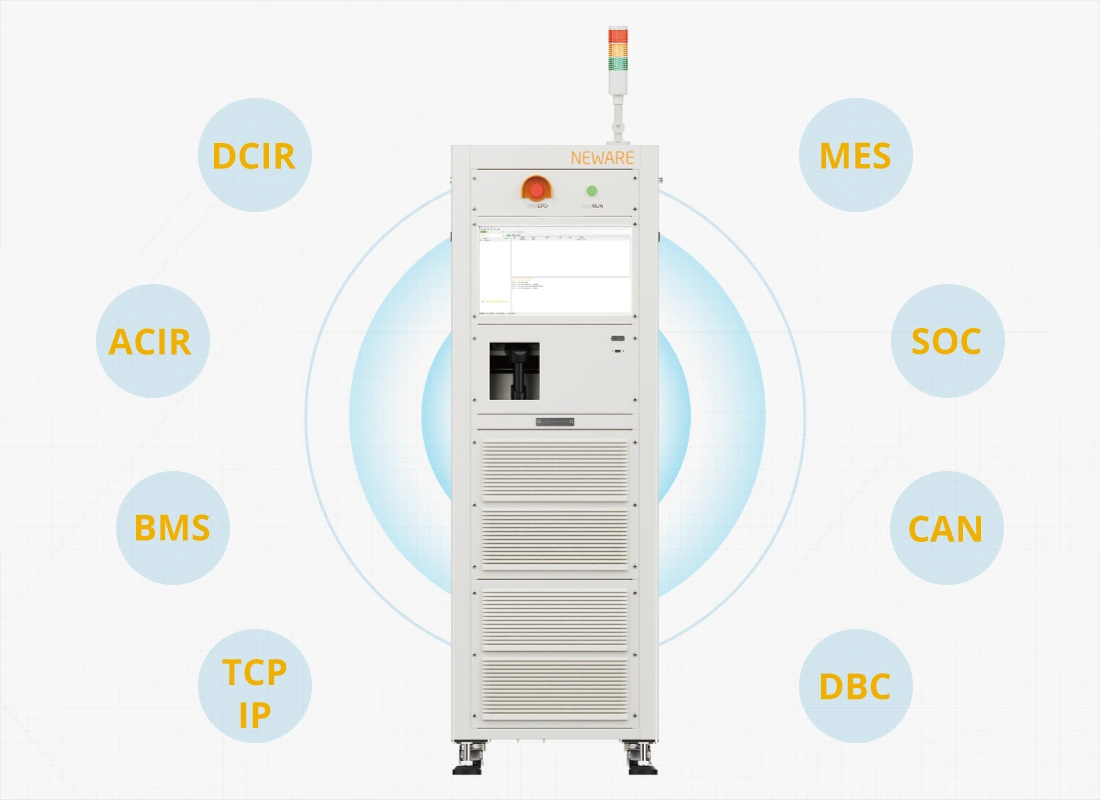
To address the specific demands of modern energy storage and electric mobility, the CE-6000 Series is engineered with an AC/DC and DC/DC dual-stage high-frequency isolated modular architecture. It provides a centralized control ecosystem for both End-of-Line (EOL) production and R&D lab environments.
Below are the core technical specifications and their applications in high-voltage testing:
Up to 1600A parallel expansion for PCS testing
Production lines require flexible channel configurations. The CE-6000 offers a single-channel voltage range of 100V to 1500V and a highly customizable current range of 200A to 1600A.
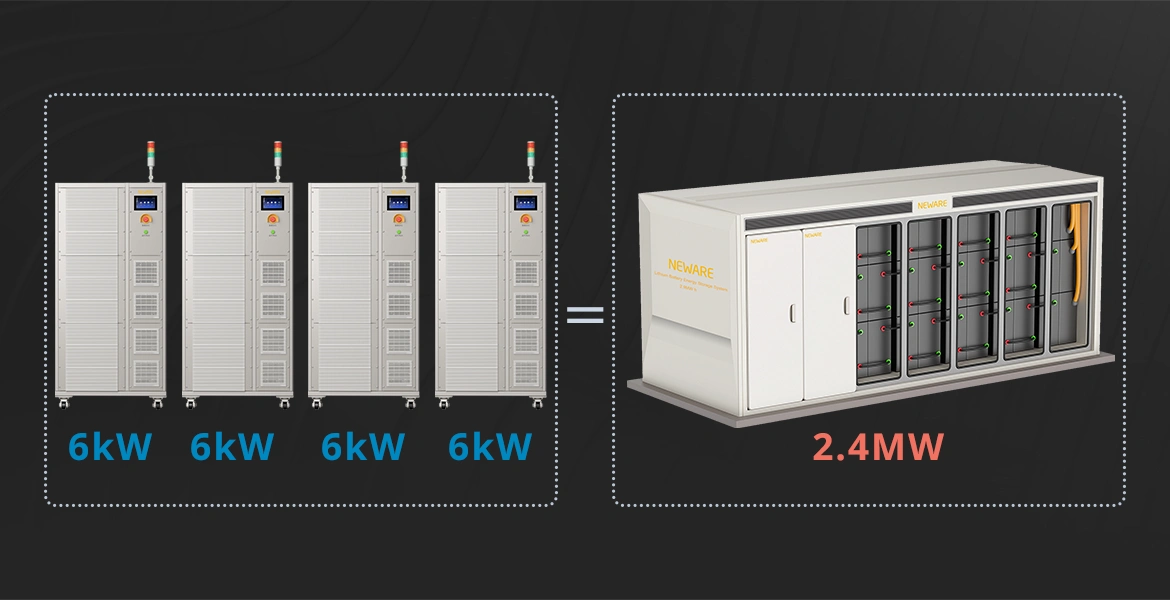
For ultra-high-power applications like energy storage Packs and DC source simulation for PCS testing, the system supports parallel operation of up to 4 channels. (Note: Pulse/simulation testing operates in single-channel mode to ensure precision, while parallel mode handles heavy-duty continuous current output).
Sub-10ms current response for driving cycle simulation
Replicating the transient loads of real-world EV driving or BESS grid fluctuations requires precise hardware control. The CE-6000 executes complex pulse steps and condition simulations with a Current Response Time of ≤10ms, a Current Switching Time of ≤20ms, and a Minimum Pulse Width of 100ms.
Operating with a ±0.02% F.S. Voltage and Current Accuracy, it supports seamless switching between constant current (CC), constant voltage (CV), and constant power (CP) charge/discharge modes for reliable cycle life reproduction.
CAN FD integration with environmental chambers
Testing high-voltage systems requires a unified platform to manage thermal and electrical data simultaneously.
Equipped with multi-protocol interfaces (TCP/IP Ethernet, CAN FD/CAN/RS485), the CE-6000 enables real-time data interaction with mainstream BMS systems. Its Peripheral Synergy function integrates water chillers, high/low-temperature environmental chambers, and vibration testers. This allows engineers to synchronize complex operating conditions, such as high-temperature charge/discharge cycles, directly from the main test software.
24-Bit data acquisition and built-in DCIR testing
Efficient data processing accelerates cycle life analysis and pack validation.
The system utilizes 24-bit high-resolution sampling, capturing voltage and current data at a minimum recording interval of 10ms (100ms for auxiliary channels). Test data is stored in a centralized MySQL database for full traceability. Furthermore, the built-in DCIR (Direct Current Internal Resistance) testing functionality and Excel/TXT data export streamline report generation.
Upgrading high-voltage testing infrastructure
As the industry scales toward 1500V and beyond, testing facilities must implement equipment capable of wide-range voltage output, rapid dynamic response, and comprehensive peripheral integration. Systems like the CE-6000 Series provide the necessary technical foundation for safe and accurate BESS and EV pack validation.
To learn more about configuring the CE-6000 for your specific EOL or R&D requirements, [contact us] for detailed technical specifications.