Abnormal step

Constant voltage step abnormality

Latest updated: Apr 22, 2026

1. Phenomenon description

When performing constant voltage (CV) charge, constant voltage (CV) discharge, or constant current-constant voltage (CC-CV) charge/discharge tests using NEWARE battery test systems, the current quickly rises to the upper limit of the 1 mA range. After that, the system cannot maintain constant voltage output and automatically switches to constant current (CC) mode, causing the CV step to fail.

2. Root cause

The auto-ranging function is enabled. When the current is small, the system automatically switches to the 1 mA low range, limiting the maximum output current to 1 mA.

3. Principle explanation

In constant voltage mode, the current range only supports automatic switching from high to low ranges, and does NOT support reverse switching from low to high ranges.Once the system switches to the 1 mA low range, the maximum current is locked and cannot meet the output demand of CV mode. The CV function then fails, and the system automatically enters a constant current limited state.

By fixing the current range to an appropriate gear (e.g., 10 mA), the low-range current limit is lifted, ensuring stable operation in CV mode.

4. Operating steps

  • Enter the charge/discharge step editing interface.

  • Double-click the blank area under the “Others” option.

  • Under Protection Conditions / Recording Conditions, select the parameter: Current Range.

  • Set it to Fixed Range (select a gear larger than the test current, e.g., 10 mA).

  • Save the parameters and restart the CV charge/discharge step.

After fixing the range, the maximum current is the upper limit of the selected range and will not be restricted by the low range. Constant voltage mode can be maintained normally, making the test more stable and accurate.

5. Applicable tests

  • Constant Voltage Charge (CV)

  • Constant Voltage Discharge (CV)

  • Constant Current-Constant Voltage (CC-CV) Tests


neware-battery-test-newareAI neware-battery-test-newareStore neware-battery-test-neware-newell

Latest News

Stay informed with the latest from NEWARE.

Find the Right Battery Test Equipment for Your Needs.

Application Scenarios

Trusted testing solutions for global clients.

Solid-State Battery Research - NEWARE Solid-State Battery test
Solid-State Battery Research

The lab focuses on solid-state battery research to overcome traditional lithium batteries' safety and energy density issues, supporting environmental sustainability. It develops innovative solid-state electrolytes, refines electrode materials, and investigates ion transfer and interface stability to revolutionize battery technology.
View more
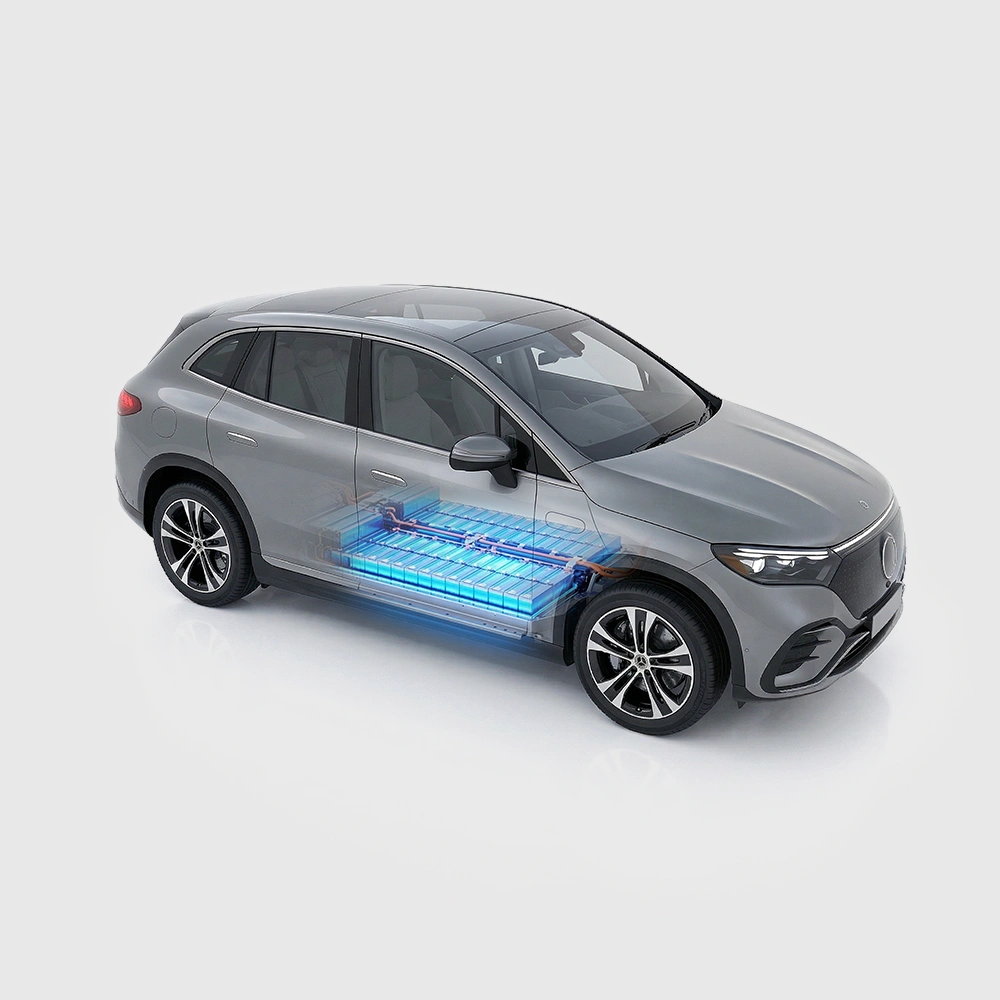
Electric Vehicle Battery

The electric vehicle battery industry is rapidly developing, focusing on technological innovation, market competition, and sustainability. Research hotspots include solid-state batteries, new types of electrolytes, BMS optimization, and recycling technologies. The environmental adaptability, safety, and economic viability of batteries are key research areas, and the industry is expected to undergo more innovation and transformation.
View more
Battery Materials Research - NEWARE battery test
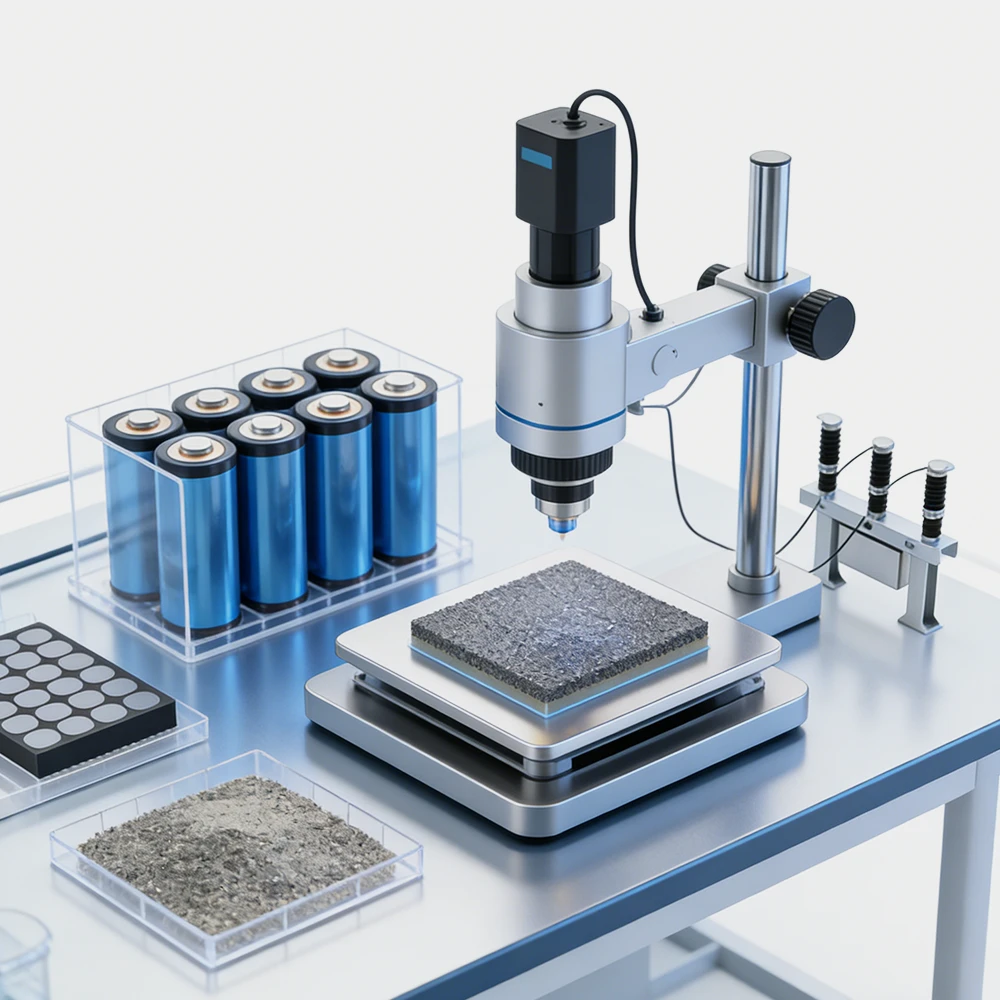
Battery Materials Research

We specialize in battery preparation technology research, focusing on overcoming existing energy storage challenges by innovating in electrode materials, battery chemistry, and manufacturing processes to improve performance, enhance safety, and reduce costs. Sustainability and recycling technologies for batteries are also emphasized to mitigate environmental impacts and foster the growth of green energy.
View more
Energy Storage Battery Testing Solution
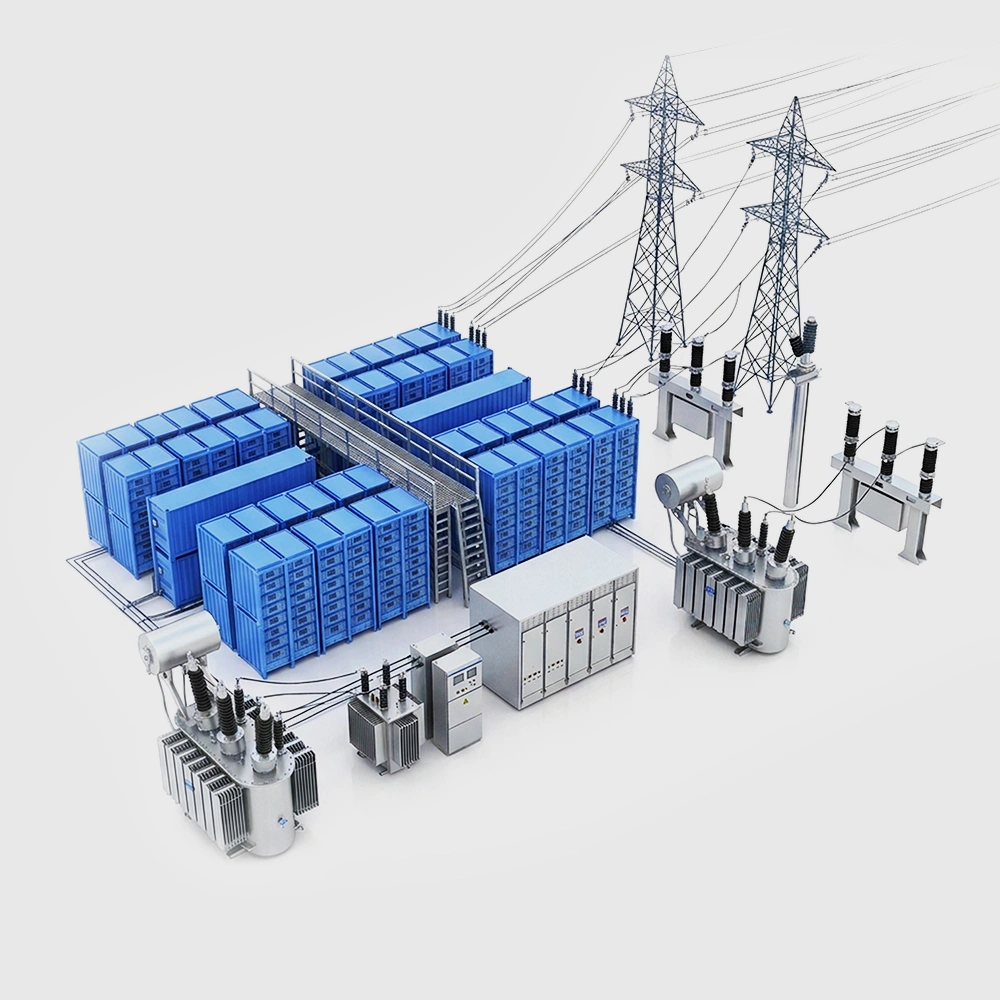
Energy Storage System

To power the energy transition, the storage industry is evolving towards large-scale, high-quality development, focusing on safety, efficiency, and lifecycle value over mere price competition.

View more
NEWARE and Cookies
We use cookies to personalize and improve your experience with our website. By continuing to browse the site you are agreeing to our use of cookies.