Separate the discharge and charging problems first
Low-temperature battery performance is easy to misread because it links driving range, fast charging, thermal management, and materials development. A clearer starting point is transport and polarization: as temperature falls, lithium-ion motion through the electrolyte, interphase films, and electrode pores slows, so polarization pulls the terminal voltage down more strongly. Reviews of low-temperature electrolytes identify insufficient bulk ionic conductivity, difficult desolvation, sluggish Li+ transport through the solid electrolyte interphase (SEI), and lithium-plating risk as key constraints. These effects ultimately narrow the usable capacity, power, and safety windows.
Discharge and charging therefore need to be evaluated separately. On discharge, the usual symptoms are a lower voltage plateau, earlier cutoff, and less usable energy. During charging, the more serious concerns are lower allowable current, longer charging time, and a greater risk of lithium plating at high state of charge (SOC).
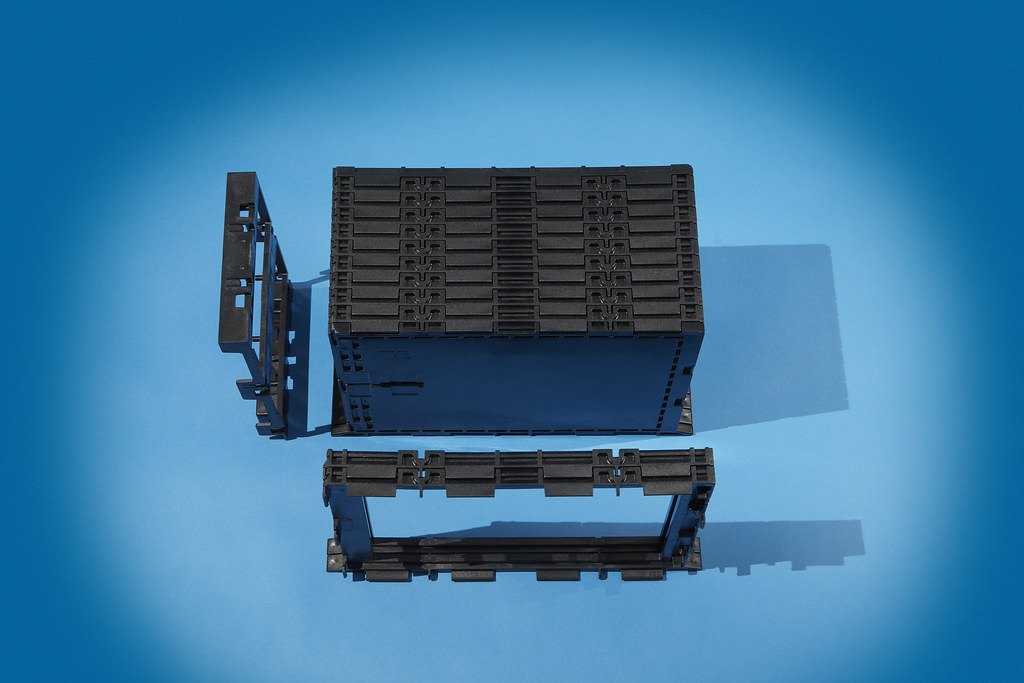
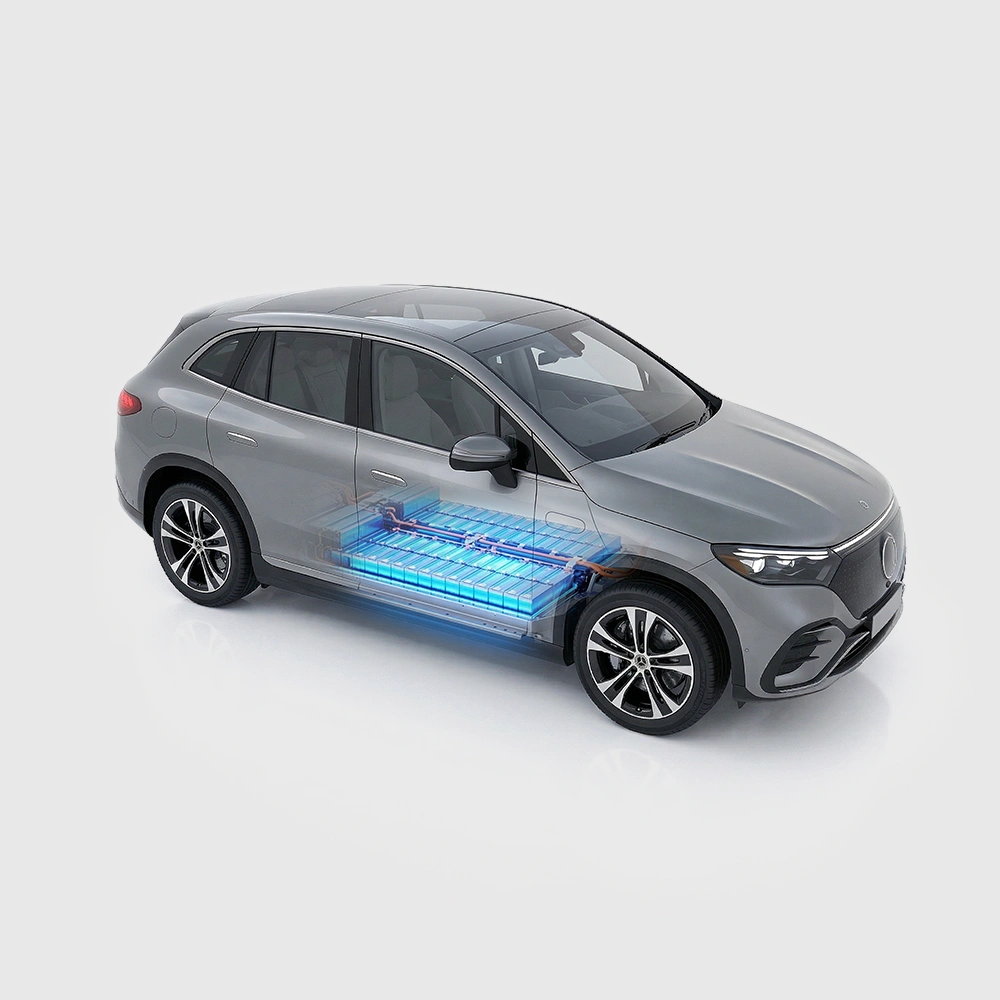
Figure 1. Lithium-ion traction battery pack. Low-temperature limitations ultimately affect vehicle range, power delivery, and charging strategy.
Cold makes terminal voltage reach cutoff earlier
At the same state of charge and current, a cold battery does not suddenly lose its open-circuit voltage (OCV). Once a load is applied, however, the ohmic drop, charge-transfer overpotential, and mass-transport polarization all increase. A simplified expression helps explain the loaded terminal voltage:
Uload=UOCV−IRohm−ηct−ηmt
where Uload is the loaded terminal voltage, UOCV is the open-circuit voltage, I is the applied current, Rohm is the ohmic resistance, ηct is the charge-transfer overpotential, and ηmt is the mass-transport overpotential.As temperature falls, electrolyte viscosity usually rises, ionic conductivity declines, and interfacial reactions slow. Even when reversible lithium remains inside the cell, a tester or vehicle may stop discharging because the terminal voltage reaches its lower limit too early. These restrictions can be traced through the negative electrode, SEI, electrolyte, cathode electrolyte interphase (CEI), and positive electrode.
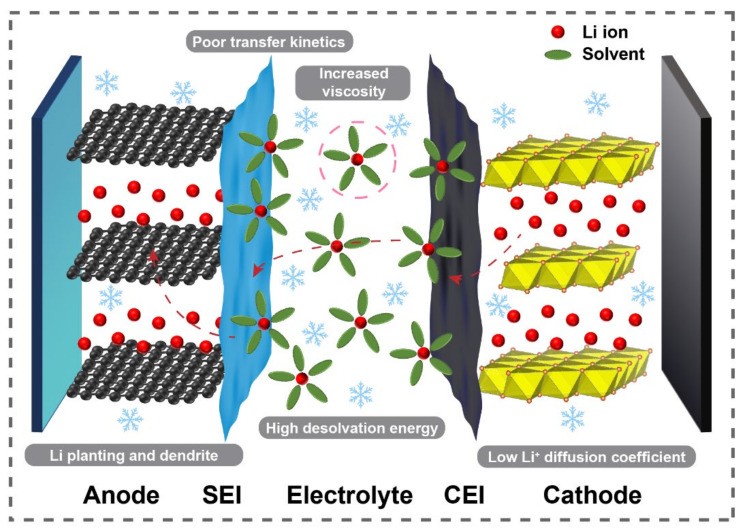
Figure 2. Key low-temperature limitations in a lithium-ion battery, including lithium plating, interfacial transport, higher viscosity, desolvation, and solid-state diffusion from the negative to the positive electrode.
Charging risk is harder to diagnose than discharge loss
Low-temperature discharge mainly reduces power and usable capacity; low-temperature charging raises the more serious risk of lithium plating on the negative electrode. Fast charging, high SOC, low temperature, thick electrodes, aging, and local temperature gradients can collectively push the graphite surface into a more hazardous operating region. Reviews of lithium plating emphasize that a normal terminal voltage does not prove that the local negative-electrode potential is safe. Full-cell voltage is only the difference between the positive- and negative-electrode potentials and cannot directly reveal local surface reactions.
This is why low-temperature fast-charging strategies usually reduce current substantially or preheat the cell before charging. Voltage relaxation, dV/dt, incremental capacity, pressure evolution, and online electrochemical impedance spectroscopy (EIS) can all provide clues, but no single signal should be treated as absolute proof of lithium plating. A more defensible approach is to correlate suspicious signals with post-mortem analysis, three-electrode measurements, visual observation, or another independently calibrated method, then convert the resulting safety boundary into a charging-current limit such as Imax = f(T, SOC, SOH).
Start with thermal management and the BMS
The most common and direct commercial solution is not to replace the electrolyte immediately, but to keep cells within an acceptable temperature range. Vehicles manage cold operation through pack insulation, liquid cooling and heating, positive temperature coefficient (PTC) heaters, heat-pump integration, preheating before charging, and current limits imposed by the battery management system (BMS). Temperature affects not only immediate capacity and power but also the aging pathway. Post-mortem studies by Waldmann and co-workers on commercial lithium-ion cells show that different temperature ranges can produce different dominant aging mechanisms.
Cell-level improvements generally aim to reduce polarization by optimizing electrode thickness, porosity, calendered density, particle size, conductive networks, tabs, and thermal paths. The goal is to prevent ions and electrons from crossing unnecessarily long or congested paths. These changes can improve low-temperature power, but they interact with energy density, cost, lifetime, and safety.
Electrolytes can help, but low-temperature capacity is not enough
Electrolyte design is an important route to better low-temperature performance. Liquid electrolytes can be optimized through low-viscosity and low-melting-point solvents, lithium salts, co-solvent ratios, additives, and solvation structure. The objectives are to reduce bulk transport resistance, lower the Li+ desolvation barrier, and form low-resistance, stable SEI and CEI films. Recent research also emphasizes weakly solvating electrolytes, localized high-concentration electrolytes, fluorinated solvents, and film-forming additives.
Electrolyte optimization cannot be judged only by capacity retention at -20 °C. A solvent that performs well in the cold may create new problems in high-temperature stability, gas generation, flammability, high-voltage compatibility, aluminum-current-collector corrosion, cost, or safety certification. Engineering validation should compare low-temperature discharge, low-temperature charging, room- and high-temperature cycling, storage, EIS, gas generation, and safety tests. Otherwise, an improvement in one temperature range may simply move risk into another.
Semi-solid and all-solid-state batteries are pathways, not shortcuts
Gel, quasi-solid-state, and semi-solid-state systems typically use polymer networks, gel scaffolds, or a small liquid fraction to improve dimensional stability and safety while retaining some of the interfacial wetting provided by liquid electrolytes. Because they remain closer to established manufacturing routes than true all-solid-state cells, they are often considered transitional approaches.
True all-solid-state batteries replace conventional liquid electrolyte with a solid electrolyte. Common families include sulfides, oxides, halides, and polymers. These materials may improve safety, but they do not automatically remove low-temperature limitations. Ionic conductivity, grain-boundary resistance, contact at both electrode interfaces, volume change, stack pressure, moisture sensitivity, and manufacturing consistency all determine whether stable low-temperature operation is possible.

Figure 3. Exploded view of a NEWARE solid-state battery mold. Solid-state testing requires controlled assembly, interfacial contact, and applied pressure.
For an industry article, the most defensible conclusion is that solid-state technology is an important direction, not a plug-and-play answer to every low-temperature problem today. Practical performance still depends on the material pathway, thermal-management strategy, BMS limits, and test validation working together.
Connect temperature, SOC, and power in the validation chain
Whether the design uses an optimized liquid electrolyte, a semi-solid-state system, or a solid-state pathway, the final decision must return to test data: at the target temperature, SOC, and aging state, how much capacity, power, and charging current can the battery deliver, and has the design introduced a new safety risk? A useful validation plan has four groups: low-temperature constant-current capacity and energy tests; hybrid pulse power characterization (HPPC) and direct-current internal resistance (DCIR) tests; EIS or alternating-current internal resistance (ACIR) tracking; and calibrated evidence of lithium plating after low-temperature charging.
Across its configurations, the NEWARE CE-6000 series covers cell, module, pack, and energy-storage applications. Official product pages list pulse testing, operating-condition simulation, end-of-line (EOL) testing, BMS testing, and integration with environmental chambers and other peripheral equipment. These capabilities support a common test framework for low-temperature capacity, pulse power, drive-cycle simulation, and life testing.
For low-temperature materials screening, the WGDW high-low temperature all-in-one testing system integrates environmental control with charge-discharge channels. Its host software synchronizes temperature and cycling control, reducing manual handoffs between chamber stabilization and channel startup. When actual cell temperature matters, representative samples should also be instrumented so that the criteria for chamber temperature, cell soak, and test-step initiation are explicitly defined.
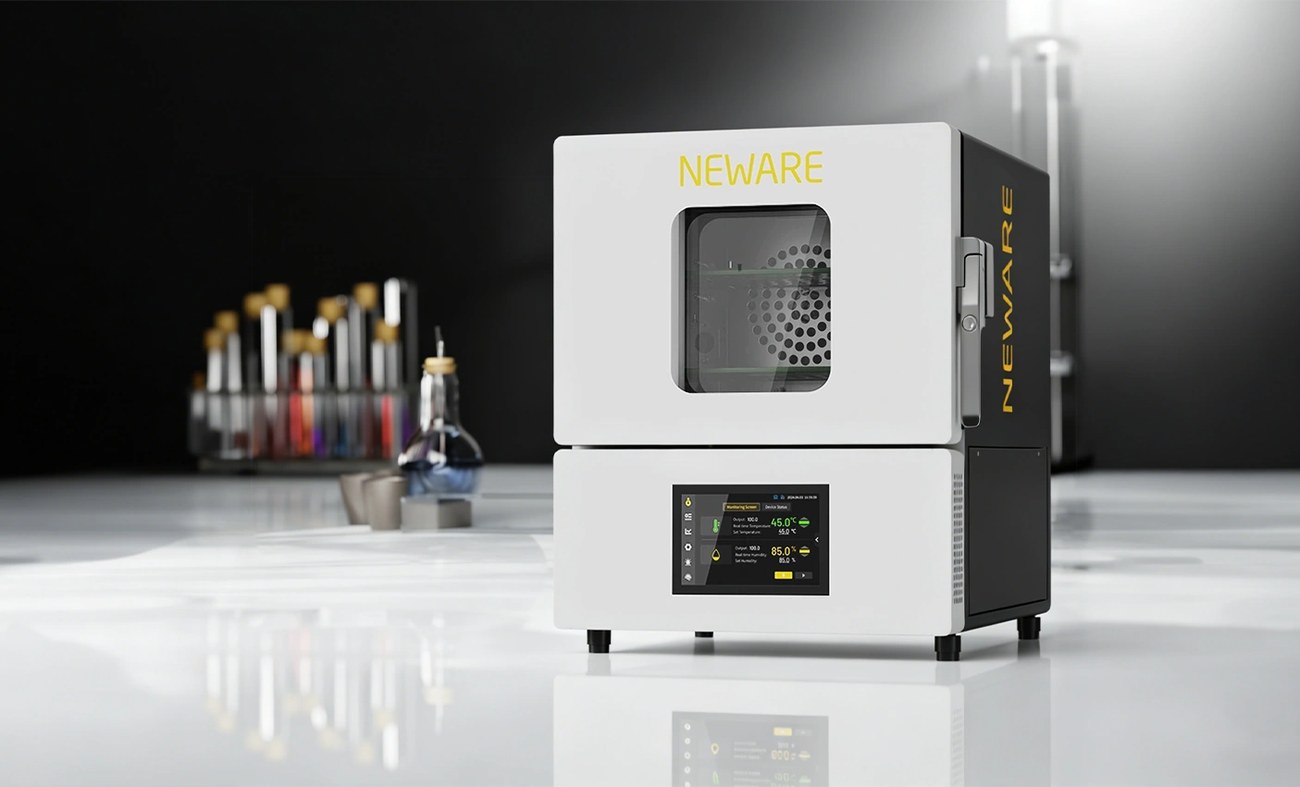
Figure 4. NEWARE WGDW high-low temperature all-in-one testing system. Environmental control and charge-discharge testing are coordinated within one workflow.
When the question shifts to interfacial impedance or pressure conditions in solid-state cells, more specialized measurements can be added. The BT-9562 High Precision Battery Internal Resistance Instrument measures internal resistance, voltage, reactance, complex impedance, and impedance phase angle. It is suitable for incoming inspection, cell sorting, and impedance monitoring at different SOC or cycling states. Solid-state research also requires control of assembly pressure and interfacial contact; fixtures such as the NEWARE solid-state battery mold can support laboratory assembly and controlled pressure conditions.
Ask three questions before choosing a solution
First, does the low-temperature problem occur during discharge or charging? If driving range falls during discharge, focus on low-temperature capacity, energy, DCIR, and power curves. If fast charging is limited, the lithium-plating boundary at the negative electrode must be central to the analysis.
Second, does the solution address a material limitation or a system-control limitation? Thermal management and the BMS can return cells to a more favorable temperature range; electrolyte and cell design can reduce low-temperature polarization; and solid-state pathways can change the safety and interface-design logic. These approaches are complementary.
Third, can the test reproduce the real operating condition? Low-temperature results must report the chamber setpoint, actual cell temperature, soak time, SOC, C-rate, cutoff voltage, sampling interval, and exception-handling rules. Without these boundaries, a claimed gain in low-temperature capacity or fast charging is difficult to convert into an engineering decision.
Conclusion
Low-temperature battery improvement should not be presented as one material pathway solving every problem. The more accurate chain of reasoning is that cold slows transport and interfacial kinetics, causing discharge-voltage sag, lower power, and lithium-plating risk during charging. Engineering controls first use thermal management and the BMS to protect the operating window, then reduce polarization through cell design and electrolyte optimization. Gel, semi-solid-state, and all-solid-state systems provide longer-term materials pathways. Whether any solution is practical still depends on a reproducible and comparable NEWARE test workflow that covers the temperature-SOC-power envelope.