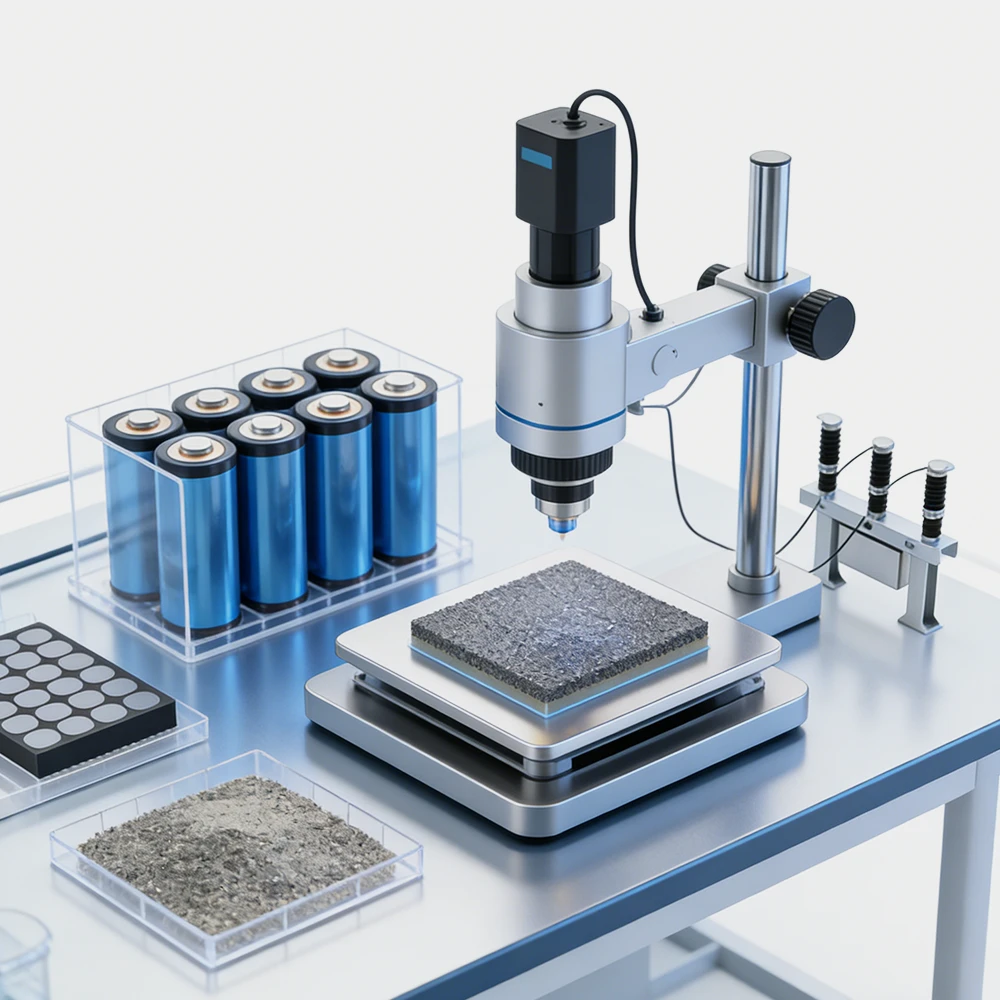
1. Introduction: the evolution of R&D paradigms in the 2026 energy landscape
For decades, battery research has been characterized by iterative physical experimentation—a process often described as "trial and error." While foundational, this traditional method has become a significant bottleneck as the industry demands faster innovation cycles. In the current energy landscape, a significant technological shift is occurring: the transition toward Digital Twin strategies. By integrating Density Functional Theory (DFT) and Molecular Dynamics (MD) simulations, researchers can now model and evaluate materials at the atomic level before initiating physical laboratory protocols.
Central to this emerging R&D paradigm is MXene, a 2D material class that is increasingly viewed as a pivotal component for the next generation of Aqueous Zinc-Ion Batteries (AZIBs)[1,3].
2. The role of mxene: structural and chemical advantages
Understanding the fundamental properties of MXene is essential to appreciate its role in modern storage solutions. Discovered in 2011, MXenes are a family of two-dimensional transition metal carbides and nitrides. Unlike traditional carbon-based materials, MXenes offer a distinct combination of physicochemical attributes:
· Metallic Conductivity: MXenes exhibit high electron density at the Fermi level, facilitating rapid charge transfer that is often superior to conventional metal oxides.
· Hydrophilic Surface Properties: The presence of surface functional groups (such as -OH and -O) ensures excellent compatibility with aqueous electrolytes, which offer intrinsic safety advantages over flammable organic alternatives.
· Layered Morphology: The characteristic accordion-like structure provides an expansive internal surface area, effectively serving as a high-capacity framework for ion intercalation[3].
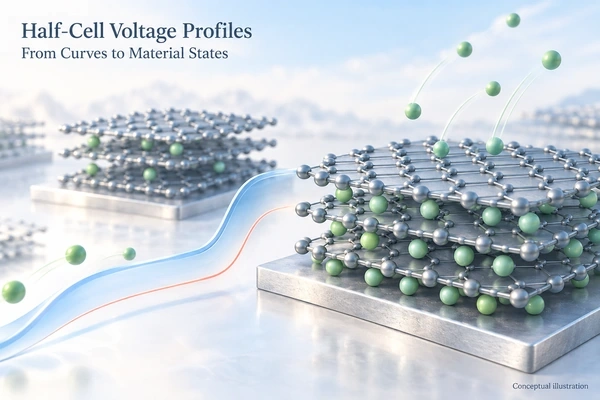
Figure 1. Computational analysis of Zn-ion transport and energy barriers on functionalized MXene surfaces [1].
3. Computational design: the digital blueprint for material synthesis
Within a Digital Twin framework, atomistic simulation functions as the foundational blueprint for experimental design, allowing for the rational optimization of electrode structures.
· Surface Chemistry Engineering: As detailed in recent studies published in Batteries (2026), the electrochemical performance of MXene is largely governed by its surface terminations. DFT calculations have demonstrated that substituting fluorine (-F) terminations with hydroxyl (-OH) groups significantly reduces the adsorption energy for zinc ions. This computational insight allows researchers to refine synthesis parameters to achieve specific surface chemistries, thereby enhancing ion affinity and overall capacity.
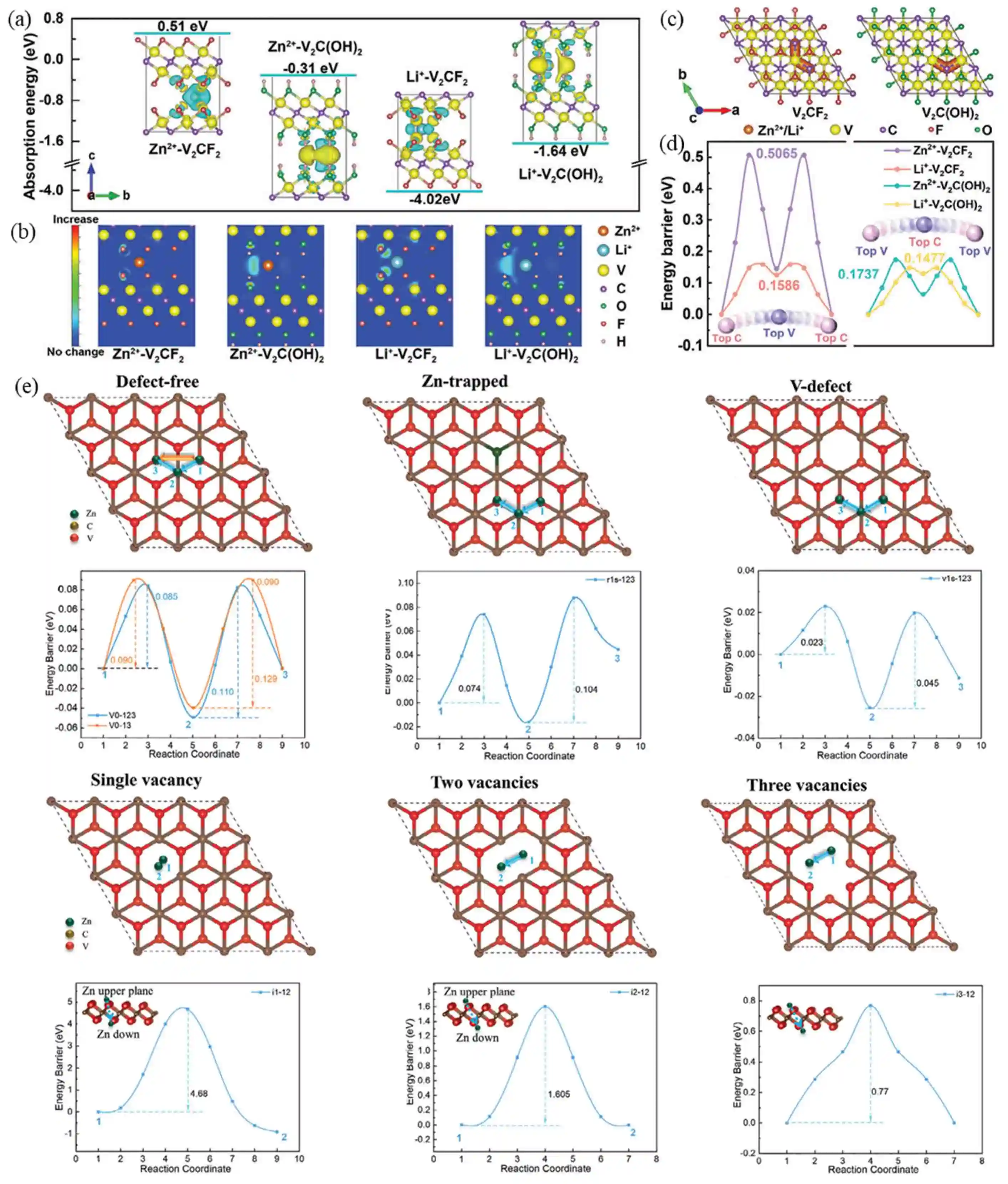
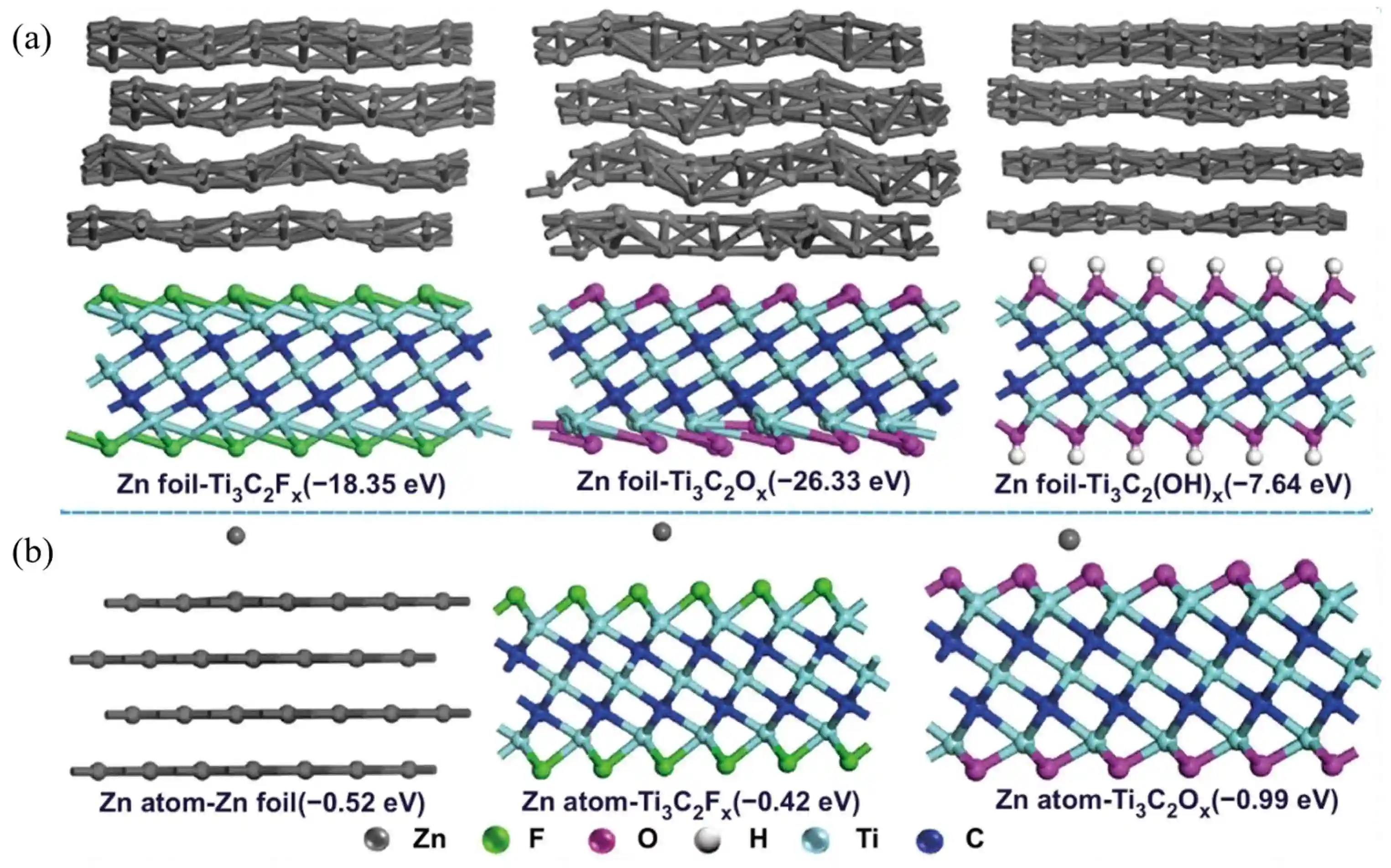
Figure 2. Interface modeling and binding energy analysis of MXene protective layers on zinc anodes [1].
· Defect Engineering and Diffusion Dynamics: Enhancing ion diffusion kinetics remains a critical challenge. By simulating "vanadium vacancies" within the MXene lattice, Digital Twin models have shown that controlled structural defects can modulate the material's electronic structure, lowering the energy barrier for zinc-ion migration. This theoretical finding directly informs the development of high-rate charging capabilities in physical prototypes[1].
4. Interfacial stability: mitigating zinc dendrite formation
A primary technical hurdle in zinc-based systems is the formation of "dendrites"—protruding metallic structures that can lead to separator breach and subsequent cell failure.
Digital modeling of the MXene/Zn interface has emerged as a critical analytical tool for addressing this issue. Simulations allow for the precise mapping of Electric Field Distribution at the anode. An MXene interlayer acts as an "electro-buffer," promoting uniform charge distribution. Furthermore, by calculating desolvation energy barriers, researchers can design interfaces that facilitate the efficient removal of water shells from zinc ions, ensuring uniform deposition and enhancing long-term structural stability.
5. Technical integration: the synergy of simulation and empirical validation
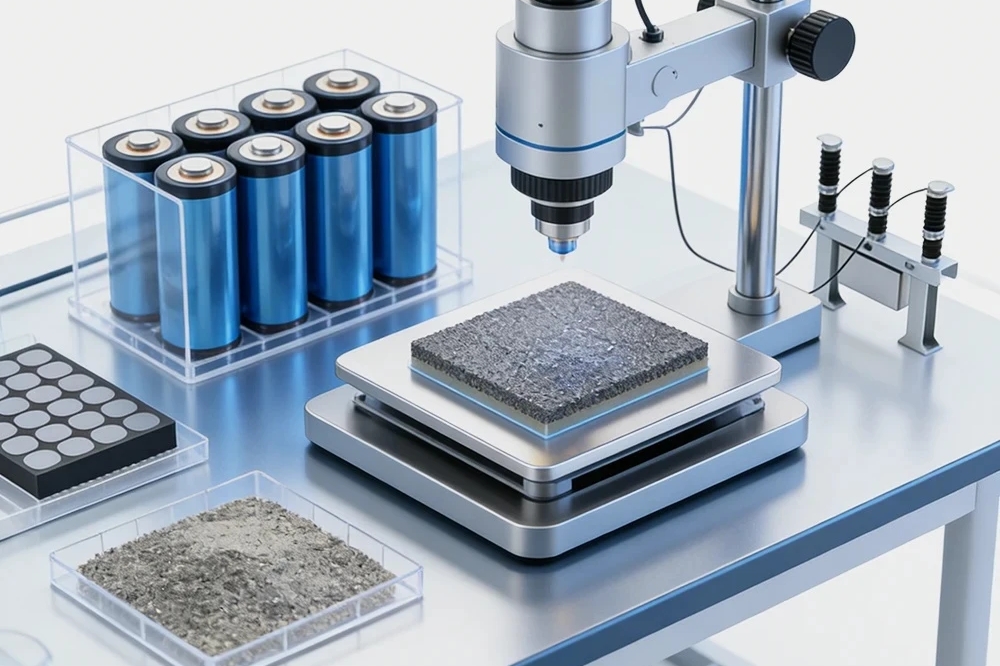
The utility of a Digital Twin is fundamentally dependent on the precision of its empirical validation. The future of battery R&D lies in a high-fidelity, closed-loop system: Computational Prediction -> Material Synthesis -> Empirical Validation.
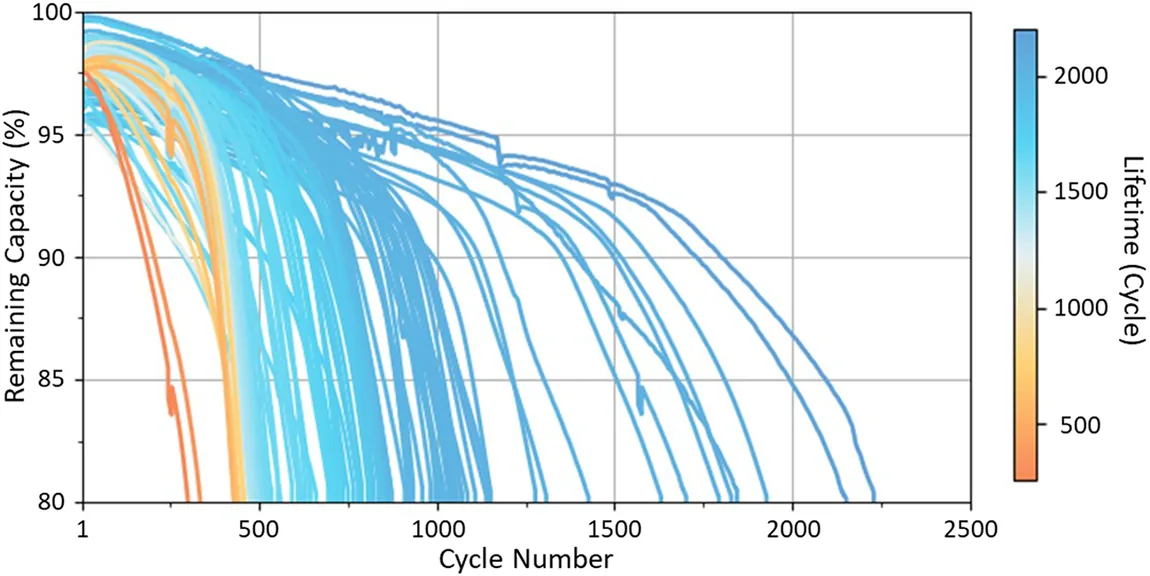
This is where Neware’s high-precision testing solutions provide the essential "ground truth." Validating a simulation that predicts a 20,000-cycle lifespan or captures microsecond-scale electrochemical transients requires instrumentation with world-class technical specifications.
BTS9000: the standard for High-Fidelity Testing
The Neware BTS9000 series is specifically engineered for this level of rigorous research. With a 100μs (0.1ms) hardware response time, it is capable of capturing the rapid voltage transients predicted by Molecular Dynamics simulations. Furthermore, its 0.02% FS accuracy ensures that data remains reliable and free from drift over the course of 20,000 or more cycles.

While computational models simulate atomic interactions, Neware instrumentation monitors the empirical reality of battery performance. This feedback loop allows for the continuous refinement of Digital Twin models, fostering a more efficient and scientifically rigorous innovation cycle.

6. Conclusion: advancing toward an integrated R&D future
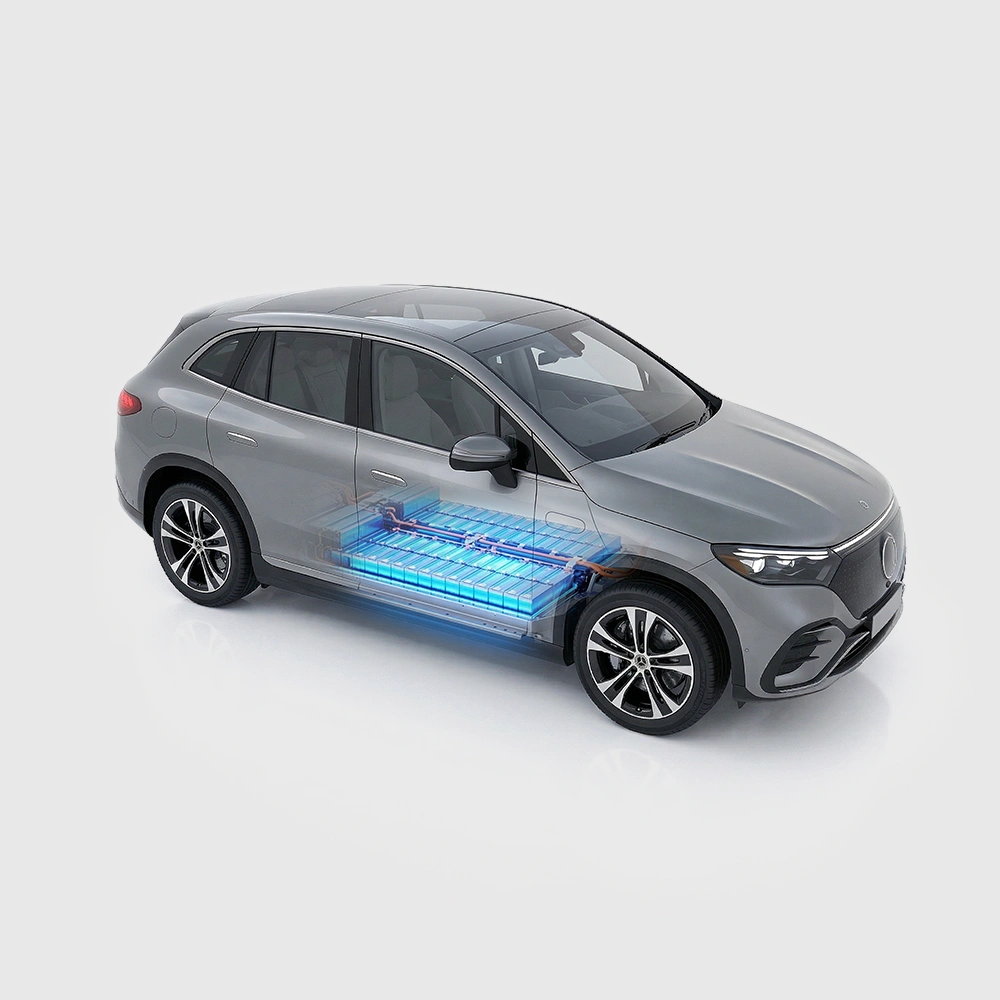
Innovation in energy storage is moving toward an integrated approach where computational power and experimental precision are inextricably linked. By combining the atomic-level insights provided by MXene Digital Twins with the exacting standards of Neware testing systems, the industry is advancing toward safer, more efficient energy storage solutions. For research institutions and industrial leaders, the synergy of simulation-driven design and high-precision validation is the new standard for excellence in battery technology development.
Further reading & references
Li, M.; Song, S. (2026). Synergistic Experimental and Computational Strategies for MXene-Based Aqueous Zinc-Ion Batteries. Batteries, 12(1), 45. [DOI: 10.3390/batteries12010008]
Anasori, B., et al. (2017). 2D Metal Carbides and Nitrides (MXenes) for Energy Storage. Nature Reviews Materials, 2, 16098.
Zhang, X., et al. (2024). Digital Twin Models for Advanced Battery Management Systems: A Review. Journal of Power Sources, 580, 233412.