"Heart" of every EV
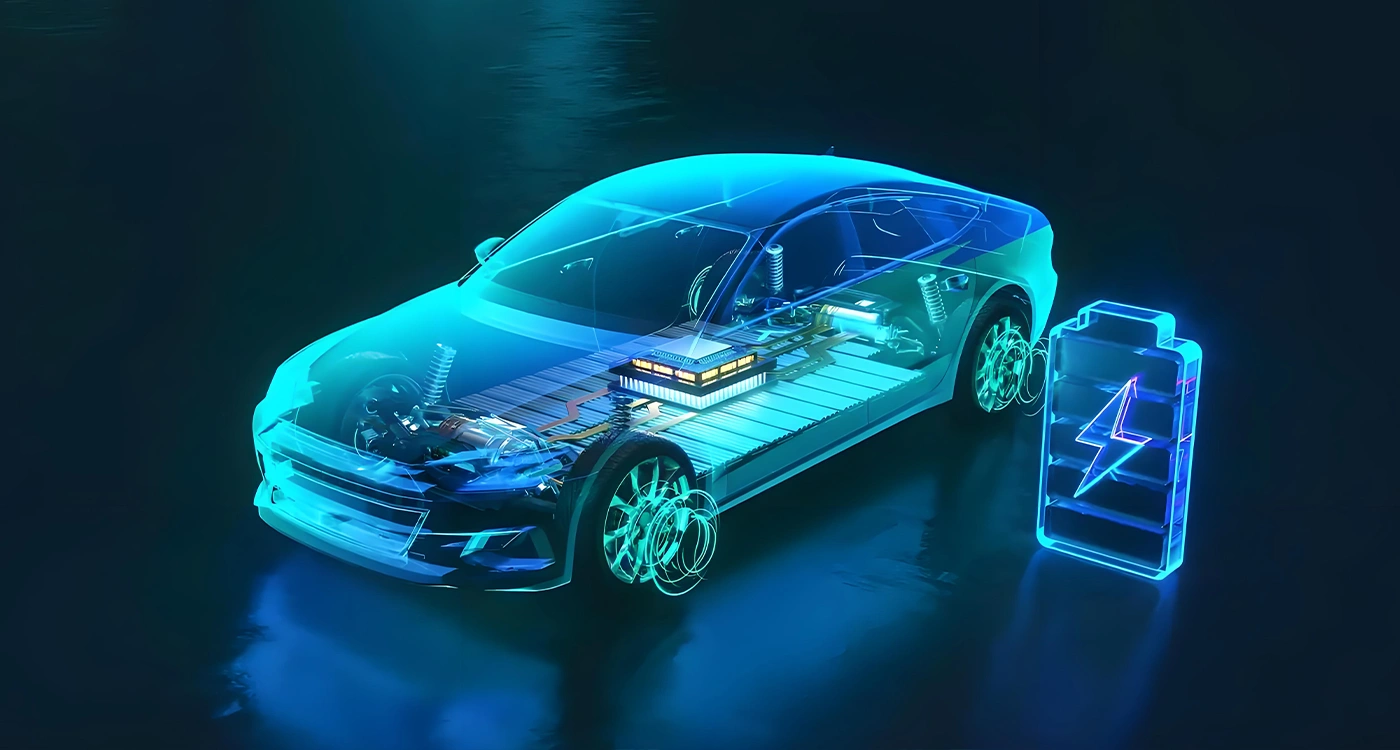
If you're an EV owner, a gearhead curious about electric vehicles, or just someone watching the U.S. auto industry shift to clean energy, you've probably wondered about the "heart" of every electric car, truck, and bus: the traction battery. These batteries aren't just big versions of the ones in your phone—they're complex systems built to deliver power, safety, and long life, even in extreme American conditions (think Arizona heat or Minnesota winters). Today, we're breaking down everything you need to know about EV battery voltage, packaging, safety tests, and how long they actually last—plus, we'll highlight two cutting-edge testing tools from NEWARE that keep these batteries reliable for U.S. drivers.
EV traction battery voltage: it's all about scale
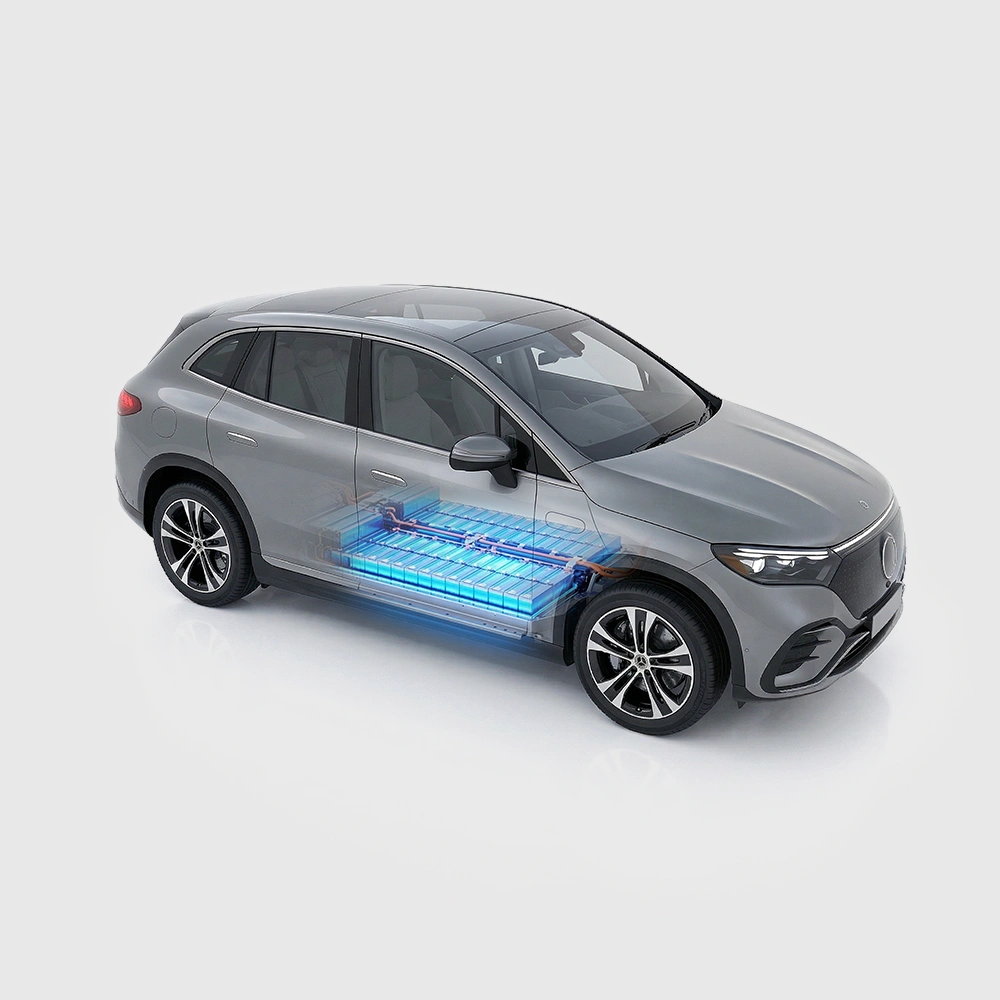
EV battery voltage isn't a one-size-fits-all number. It breaks down into two key categories: the voltage of a single battery cell (the tiny building blocks) and the total voltage of the battery pack (the full system powering your EV). And it all depends on what the vehicle is built to do—whether it's a city commuter like the Nissan Leaf or a heavy-duty electric truck like the Ford F-150 Lightning.
Single cell voltage: the foundation
Every EV battery starts with individual cells, and their voltage is determined by the chemicals inside. The two most common types in the U.S. market work like this:
Lithium-Iron-Phosphate (LFP) Cells: These are the workhorses—think Tesla's Standard Range Models or many Chinese-made EVs sold in the U.S. They have a nominal voltage of 3.2V, with a charging range of 2.5V (when fully discharged) to 3.65V (when fully charged). They're super stable, which is why they're popping up in more American-made EVs for their safety.
NCM/NCA Ternary Cells: These are the high-performance option, found in luxury EVs like the Tesla Model S or Porsche Taycan. They have a higher nominal voltage of 3.6V, ranging from 2.75V (discharged) to 4.2V (charged). Their claim to fame? More energy density, meaning longer range—perfect for U.S. drivers who love road trips.
Battery pack voltage: powering the vehicle
Battery packs are just hundreds (or thousands) of individual cells wired together in series to create enough voltage to drive the EV's motor. Here's how it breaks down for U.S. drivers:
Passenger EVs (the ones you see on every highway)
Budget Urban Commuters: Vehicles like the Chevrolet Bolt EUV or Mini Electric use 200-360V packs. They're designed for short trips around town, so they don't need massive voltage—and they're more affordable, too.
300-500V). It's the sweet spot—balancing range, charging speed, and cost for everyday drivers.
Mainstream EVs: Most popular models (Tesla Model 3/Y, Ford Mustang Mach-E, Hyundai Ioniq 5) use a 400V platform (ranging from 300-500V). It's the sweet spot—balancing range, charging speed, and cost for everyday U.S. drivers.
High-Performance & Luxury EVs: Want blistering speed and ultra-fast charging? Models like the Porsche Taycan, Lucid Air use 800V high-voltage architectures. They can charge at over 200kW, cutting charging time in half compared to 400V systems—game-changing for long-distance U.S. travel.
Commercial EVs (trucks, buses, and vans)
Electric Buses & Coaches: Cities like New York, Los Angeles, and Chicago are switching to electric buses, which use 580-700V+ packs. They need that extra voltage to haul passengers and equipment all day without recharging.
Electric Delivery Trucks: Companies like Amazon and UPS use electric vans/trucks with 400-650V packs. They balance payload capacity (for all those packages) and range (for daily delivery routes).
Ultra-high voltage for energy storage (a growing U.S. trend)
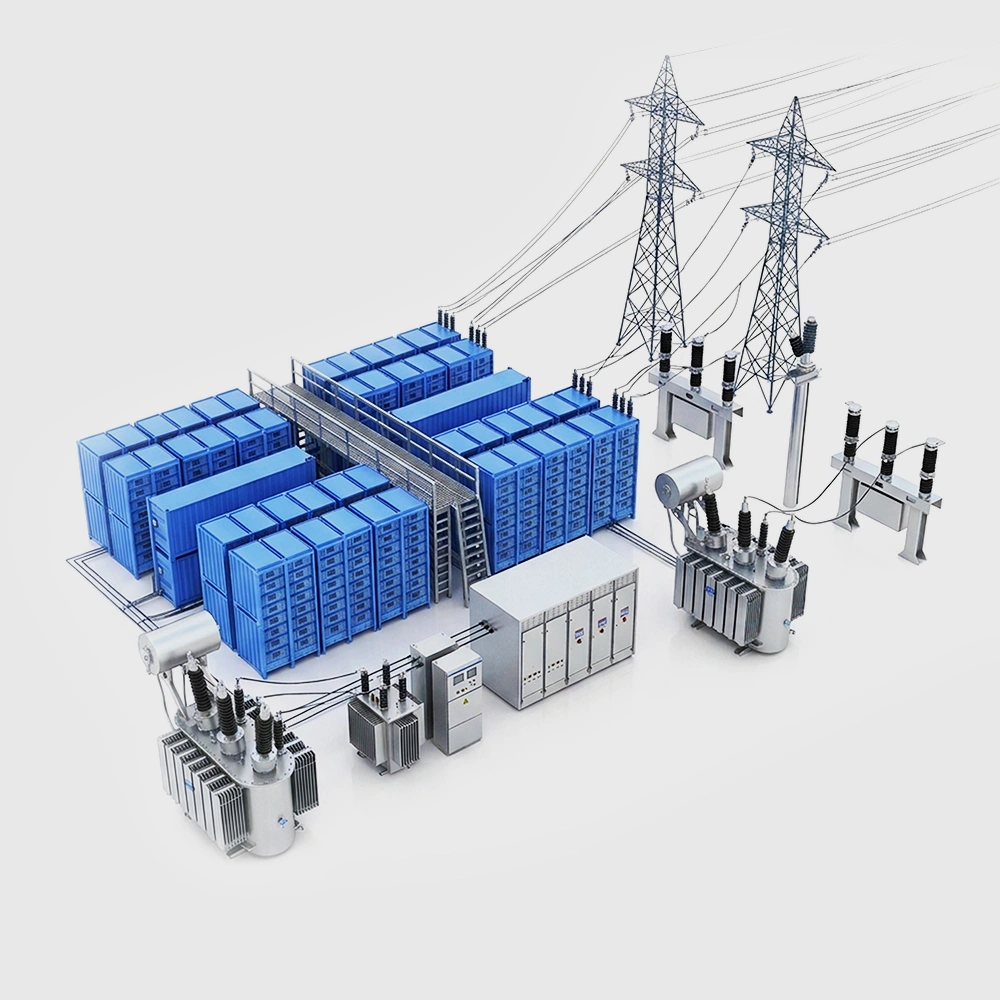
Beyond EVs, grid-scale energy storage systems (think solar farms in California or Texas) use ultra-high voltage battery clusters. Testing these massive systems requires heavy-duty tools like the NEWARE CE-6001n-3000V200A Ultra-High Voltage Battery Testing System—a favorite among U.S. testing labs. It handles voltages from 0V to 3,000V and currents up to 200A (customizable to 1,600A), with 4-channel parallel testing to validate large-scale storage clusters. With a max output of 2.4MW, it's the backbone of ensuring U.S. energy storage systems are reliable and safe.
Quick Note: Higher voltage = more power (thanks to the formula P=U×I) and faster charging. That's why 800V systems are becoming the gold standard for premium EVs—and why U.S. manufacturers are investing heavily in high-voltage tech.
EV battery packaging: the three main styles
Ever wondered why some EV batteries are flat, some are cylindrical, and some look like flexible pouches? That's their packaging—and it affects everything from range to safety. There are three main styles dominating the U.S. market, each with pros and cons.
Cylindrical batteries: Tesla's Go-To
Cylindrical batteries are exactly what they sound like—small, round metal tubes (think AA batteries, but bigger). They use a "wound" internal structure (positive electrode, negative electrode, and separator wrapped together) and are standardized by size (diameter × length, in mm).
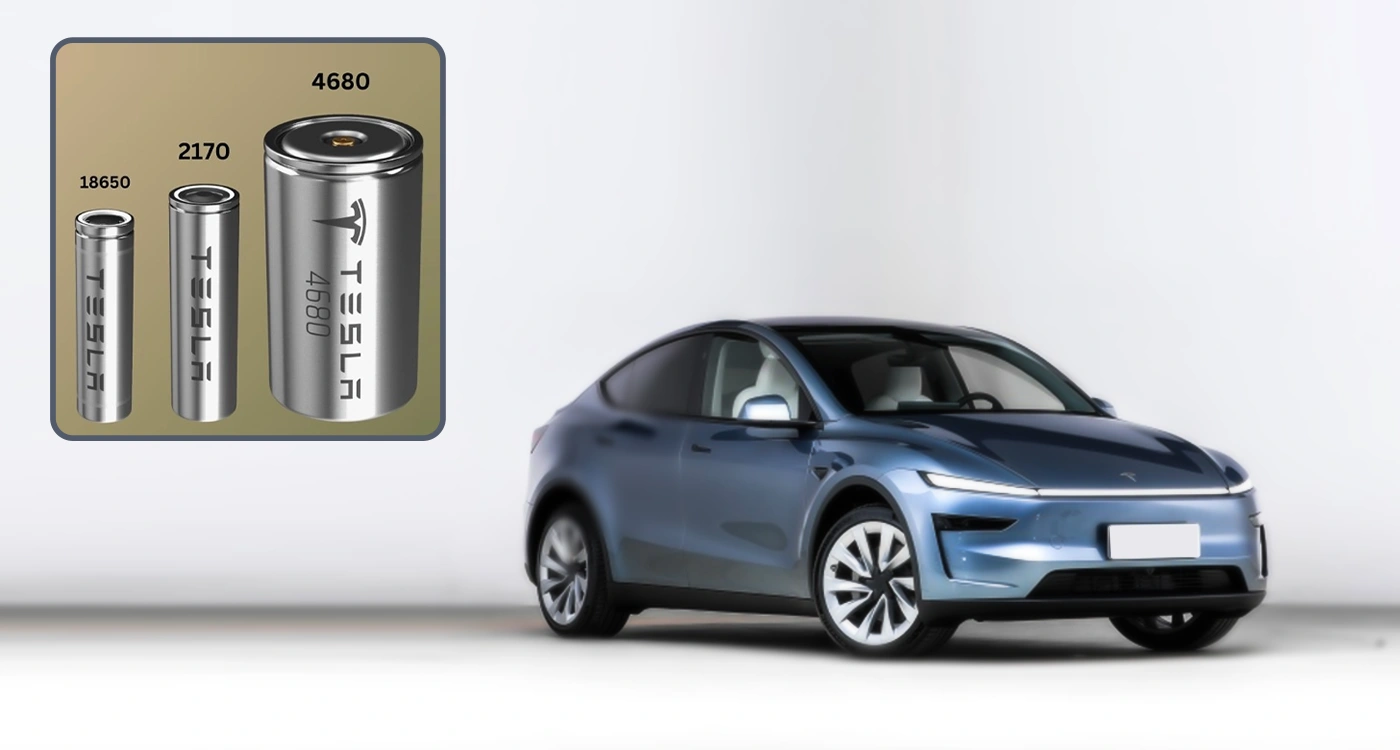
Popular Sizes: 18650 (18mm wide, 65mm long—used in older Teslas), 21700 (21mm × 70mm), and Tesla's new 4680 (46mm × 80mm) cells, which are bigger and more energy-dense.
Pros: Super standardized, so they're cheap to mass-produce. Their small size means even heat distribution (critical for U.S. desert climates). And while single cells are small, wiring thousands together (like Tesla does) creates a powerful pack.
Cons: Lower energy density compared to other styles. Wiring thousands of cells together is complex—Tesla's Model S pack has over 7,000 cells!
U.S. Applications: Tesla's entire lineup (they're doubling down on 4680 cells for the Cybertruck and Model Y). Some budget EVs also use cylindrical cells for cost savings.
Prismatic (square) batteries: the most common
Prismatic (or square) batteries are flat, rectangular, and encased in a rigid metal or plastic shell. They use a "stacked" internal structure (layers of electrodes and separators) and can be custom-sized for different EVs.
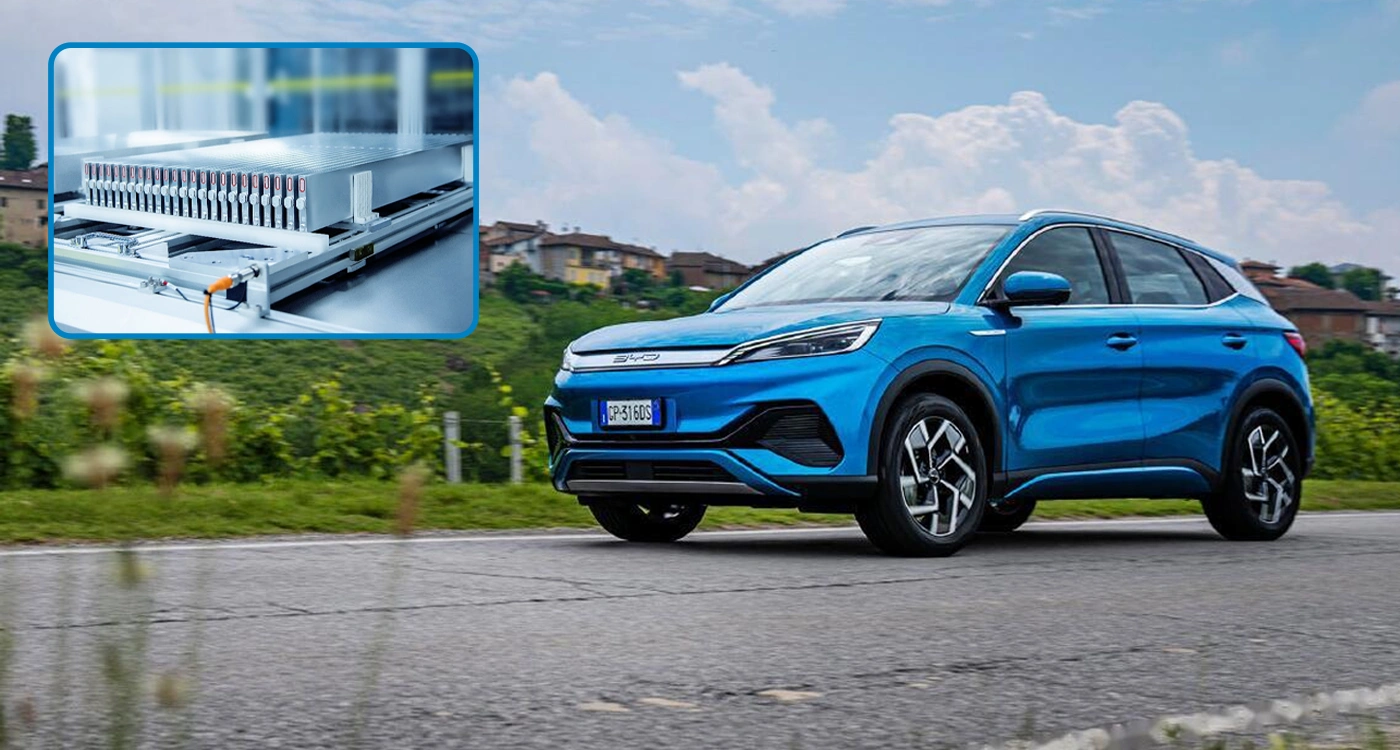
- Popular Examples: BYD's Blade Battery (used in the BYD Atto 3, sold in the U.S.), CATL's CTP (cell-to-pack) batteries (used by Ford and Volkswagen).
- Pros: Super stable and safe—their rigid shell resists punctures and crushing, meeting U.S. crash safety standards. BYD's Blade Battery aces nail penetration tests without smoke or fire, and they're customizable to fit tight spaces (e.g., under EV floors) for more interior room.
- Cons: Slightly heavier (due to the rigid shell), so they have 10-15% lower energy density than pouch batteries.
- U.S. Applications: Most mainstream EVs sold in the U.S., including Ford Mustang Mach-E, Volkswagen ID.4, and many Chinese EVs. They're the go-to for balance of safety, cost, and performance.
Pouch batteries: the luxury option
Pouch batteries are flexible, thin, and wrapped in aluminum-plastic film (no rigid shell). They can be wound or stacked internally, and their flexible shape lets manufacturers design EVs with more creative layouts.
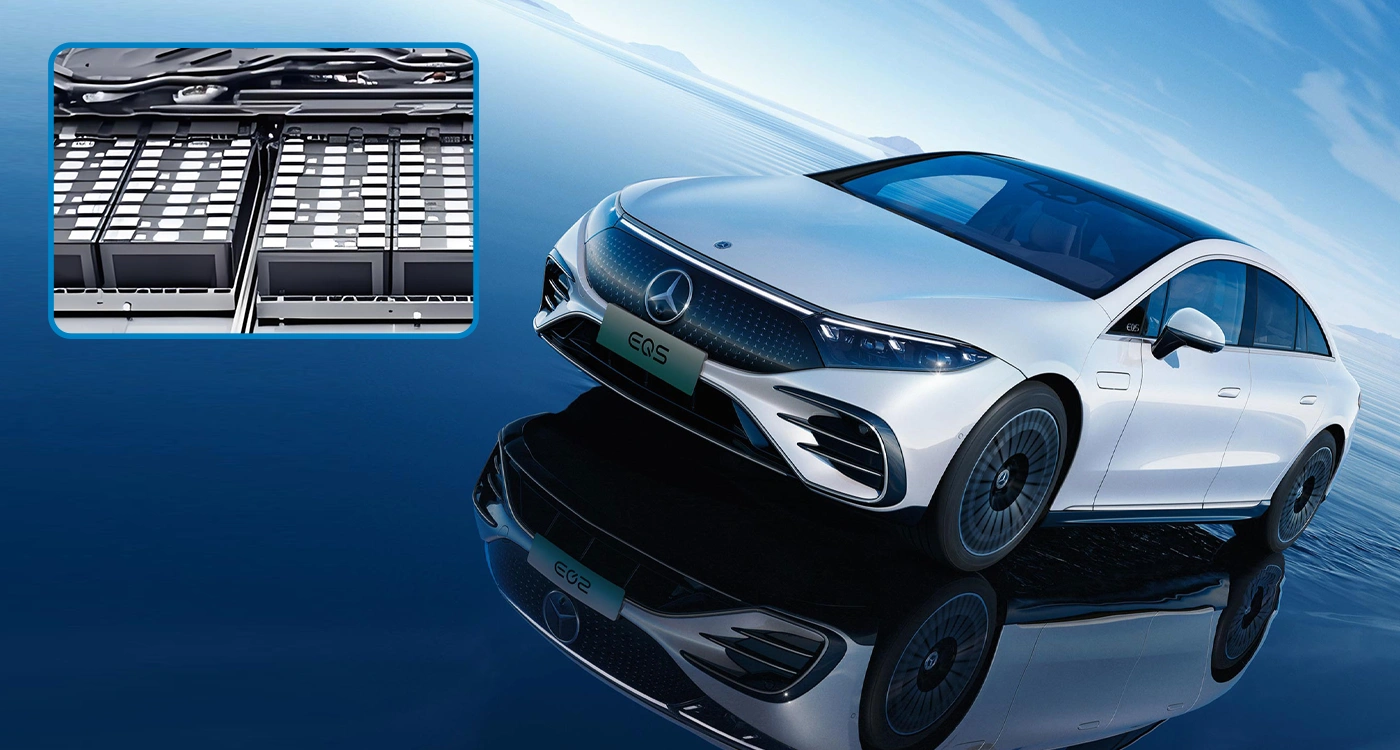
U.S. Examples: NIO ET7 (sold in limited U.S. markets), some luxury EVs from Mercedes-Benz and BMW.
Pros: Highest energy density—10-20% more than prismatic batteries. That means longer range (a big plus for U.S. drivers). Their flexibility also lets manufacturers create flat, low-profile battery packs for better EV handling.
Cons: They swell during charging/discharging (called "expansion effect"), so manufacturers need to add buffer space (increasing design complexity and cost—5-8% more than prismatic batteries). They're also less durable than cylindrical or prismatic batteries, so they're not ideal for heavy-duty use.
U.S. Applications: Luxury EVs and some high-end hybrids, where range and design matter more than cost.
EV battery safety tests: how we know they're safe for U.S. roads
Safety is non-negotiable for U.S. EV drivers—and that's why EV batteries undergo brutal testing to simulate every worst-case scenario. These tests follow strict standards (including China's upcoming GB 38031-2025 and international standards like IEC 62133) and rely on tools like the NEWARE CE-6'S-BMS-24S300A BMS Testing System to keep testing safe and accurate.
Nail penetration test: the ultimate safety check
This test simulates what happens if a battery is pierced (think a road debris impact or crash). A 3-5mm steel needle is pushed through the center of a cell or battery pack at 1-5mm per second, and engineers watch for 1 hour. The pass mark? No smoke, no fire, no explosion—and a safe temperature rise. BYD's Blade Battery is famous for acing this test, which is why it's gaining popularity in the U.S.
Crush test: simulating crashes and rollovers
U.S. crash safety standards are some of the strictest in the world, so EV batteries are crushed to simulate collisions. A machine squeezes the battery pack until it's 30% narrower than its original width, holding the pressure for 5 minutes. To pass, there's no electrolyte leakage, no fire, and no massive internal short circuits.
Overcharge test: stopping charging disasters
We've all worried about overcharging a device—imagine overcharging a battery that powers a 5,000-pound EV. This test simulates a faulty charger or glitching BMS (Battery Management System) by charging the battery at 1C current until it's 150% full (or 120% of its rated voltage). The battery should shut off automatically, stay under 100°C, and not leak or catch fire.
Here's where the NEWARE CE-6'S-BMS-24S300A shines: Instead of testing real batteries (which can explode during overcharge tests), it uses 24-channel cell simulation (0-6V output with ±0.5mV accuracy) to safely replicate overcharge conditions. U.S. labs use it to validate BMS overvoltage protection—critical for keeping drivers safe. It also tests BMS fault detection for overvoltage, undervoltage, and overtemperature, ensuring every safety feature works as intended.
Over-discharge test: avoiding dead battery disasters
This test simulates what happens if you drive your EV until it's completely dead (and then some). The battery is discharged at 1C current to 0V, then kept discharging for another hour. To pass, it can't catch fire, and it should recover 70-80% of its capacity when recharged (so you're not stranded with a useless battery).
Short circuit test: stopping electrical fires
A short circuit (from a damaged wire or loose connection) can be deadly—so this test connects the battery's positive and negative terminals with a resistance of ≤5mΩ for 10 minutes. The pass mark? No fire, no explosion, no leakage, and a safe temperature.
Temperature shock test: surviving U.S. weather extremes
From Phoenix's 110°F summers to Alaska's -40°F winters, U.S. EVs need to handle it all. This test alternates the battery between -40°C (2 hours) and 60°C (2 hours), repeating 10 times. To pass, it can't break, leak, or catch fire—and it should keep working well: ≥60% capacity in cold weather, ≥95% in heat.
The CE-6'S-BMS-24S300A helps here too, with 8-channel temperature simulation (2Ω-1MΩ adjustable resistance) to replicate extreme U.S. temperatures. It also has an insulation resistance test (50Ω-100MΩ, 2000V withstand voltage) to ensure high-voltage safety—critical for U.S. electrical standards.
EV battery durability: how long do they last?
One of the biggest questions U.S. EV buyers have: "Will the battery last as long as my gas car?" The answer depends on "cycle life"—the number of charge-discharge cycles a battery can handle before its capacity drops to 80% (the industry standard for "end of useful life"). And again, testing tools like the NEWARE CE-6001n-3000V200A make sure we know exactly how long they'll last.
Cycle Life: the core durability metric
What is Cycle Life?
A "cycle" is one full charge and discharge (e.g., charging from 20% to 80% and back to 20% counts as a partial cycle, but labs test full cycles for consistency). When a battery's capacity drops to 80% of its original value, it's still usable—but it won't have the same range. For second-life use (like home energy storage, a growing trend in the U.S.), batteries with ≥40% capacity after 2,000 cycles are still good.
How it's tested (U.S. Lab Standards)
Prep: Charge and discharge the battery 5 times at 0.5C to stabilize its capacity. Calibrate the SOC (State of Charge) so it's accurate to ±2%.
Testing: At 25°C (room temperature), charge at 1C to full, rest 30 minutes, discharge at 1C to empty—repeat until capacity hits 80%.
Stop Signs: Capacity drops below 80%, internal resistance goes up by >30%, or the battery glitches (voltage drops suddenly, overheats).
Extra Tests for Fast-Charging EVs: U.S. drivers love fast charging, so labs test 4C fast charging (super quick!) for 1,000 cycles—CATL's Qilin Battery keeps ≥85% capacity, which is great for road trippers. They also test at -20°C to check for lithium plating (a dangerous issue that shortens battery life in cold weather).
The NEWARE CE-6001n-3000V200A is a U.S. lab favorite for this: It's accurate (±0.02% full scale for voltage/current), fast (current response ≤10ms), and can measure DCIR (Direct Current Internal Resistance) in real time—so engineers can track how the battery degrades over time. That's how we get reliable cycle life numbers.
Cycle Life comparison: LFP vs. Ternary
Ternary Lithium Batteries: 1,500-2,000 cycles in ideal lab conditions. They're in luxury EVs (Tesla Model S, Lucid Air) for their range. If you get 400 miles per cycle, that's 600,000-800,000 miles of theoretical range—more than most U.S. drivers put on a car in 10 years. Real-world use (hot/cold weather, fast charging) will lower that, but it's still impressive.
LFP Batteries: 3,000-5,000 cycles (BYD's Blade Battery hits 6,000+!). They're more durable, so they're perfect for U.S. ride-share drivers, delivery fleets, or anyone who drives a lot. Theoretical range? 1.2-2 million miles—enough to last a lifetime for most drivers.
Other durability tests
Internal resistance test
As batteries age, their internal resistance goes up (making them less efficient). After 1,000 cycles, resistance should go up by ≤30%. A sudden spike means trouble (damaged electrodes, dried electrolyte)—which is why labs track this closely with tools like the CE-6001n-3000V200A.
Power fade test
Over time, batteries lose power. After 1,000 cycles, their 5-second discharge power should drop by ≤15%. If it drops more, the EV will feel slower (not great for merging on U.S. highways).
Environmental adaptability
Beyond temperature shock, batteries are tested for vibration (simulating bumpy U.S. roads) and humidity (simulating Florida's rain or Pacific Northwest's fog). They need to stay strong and consistent, no matter the weather.
The CE-6001n-3000V200A integrates with U.S. lab equipment (water chillers, temperature chambers, vibration testers) to create a one-stop testing platform. It also logs data every 10ms (24-bit resolution), so engineers can spot even tiny degradation issues early.
How to make your EV battery last longer (U.S. driver tips)
Avoid Deep Cycles: Don't charge to 100% or discharge to 0% regularly. Keep it between 20-80% (most EVs let you set a charging limit—use it!).
Watch the Temperature: Park in the shade in summer (Arizona drivers, this is key!) and plug in in winter (keeping the battery warm preserves life).
Go Easy on Fast Charging: Fast charging is convenient for road trips, but using it every day speeds up degradation. Stick to level 2 charging at home for daily use.
Trust Your BMS: The BMS (battery management system) is your battery's brain—let it do its job. U.S. labs test BMS systems with tools like the CE-6'S-BMS-24S300A to make sure they keep cells balanced and healthy.
Wrapping up: EV batteries are built for U.S. drivers
EV traction batteries are engineering marvels—built to handle U.S. roads, weather, and driving habits. From 400V mainstream packs to 800V high-performance systems, from cylindrical to prismatic packaging, every detail is designed for safety, range, and longevity. And tools like NEWARE's CE-6'S-BMS-24S300A and CE-6001n-3000V200A are the unsung heroes, ensuring these batteries are reliable for millions of U.S. drivers.
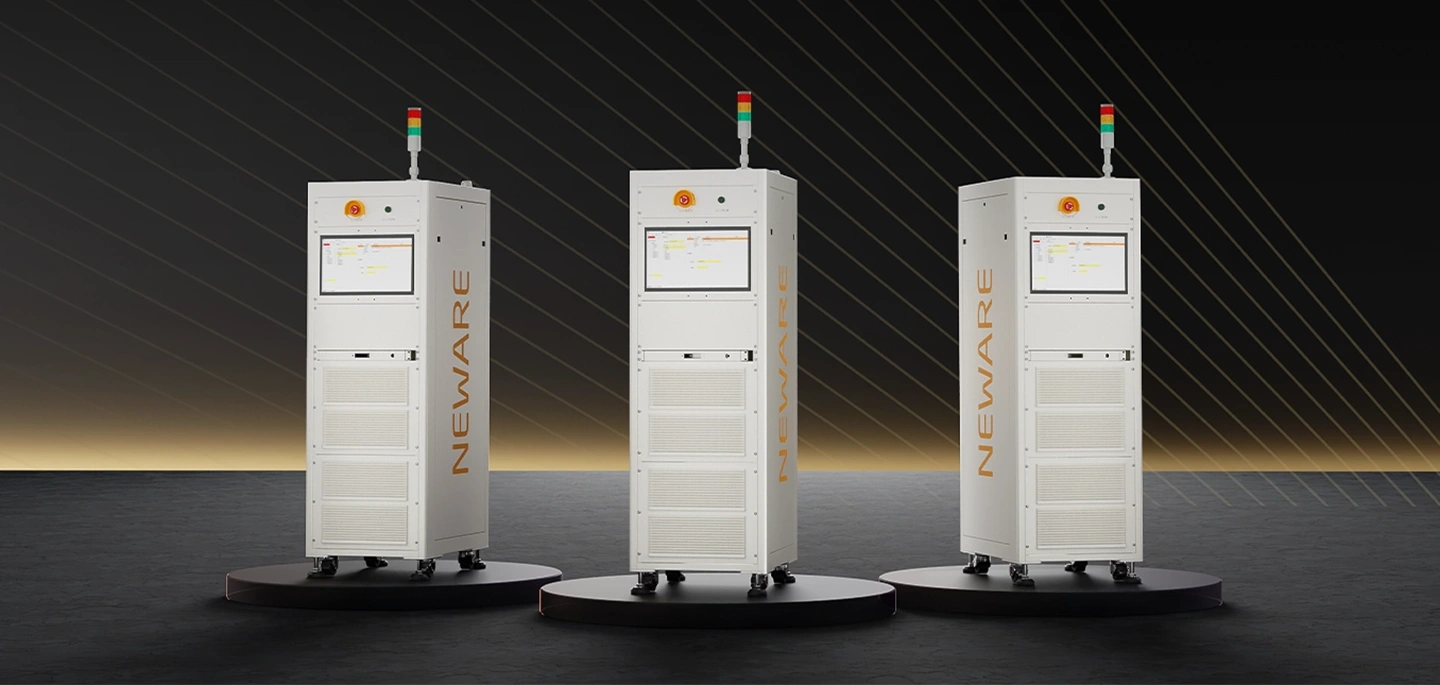
BMS Testing System ↖
Whether you're buying your first EV or just curious about the tech powering the future of U.S. transportation, one thing's clear: EV batteries are only getting better—safer, more durable, and more affordable. And that's great news for our roads, our wallets, and our planet.