BYD flash charging feature 2026: redefining ev survival standards
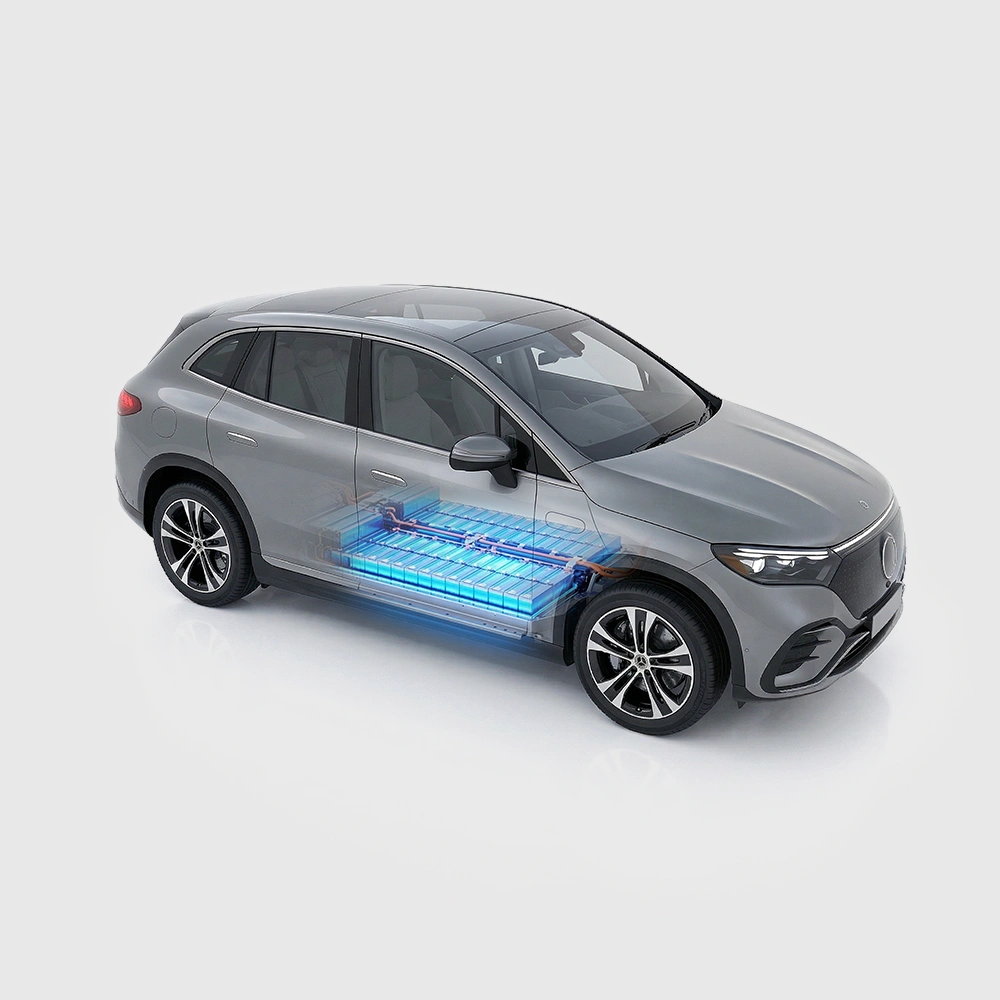
At the latest technology launch, the BYD flash charging feature 2026 officially declared the end of range anxiety. This feature is not just a laboratory breakthrough; it has been deployed across 10 mass-produced models. By integrating the flash Pass ion transport system and AI-driven electrolyte optimization, BYD has shifted the industry benchmark from simple range competition to a comprehensive showdown of charging efficiency and survival resilience in extreme environments.
BYD flash charging 2.0 performance: 9 minutes to full power
Charging speed: 10% to 70% in just 5 minutes; 10% to 97% in just 9 minutes.
Low-Temperature performance: In environments from -20°C to -30°C, 20% to 97% takes only 12 minutes – only 3 minutes slower than ideal conditions.
Power output: 1500kW per charging point – more than three times that of a Tesla V4 Supercharger (500kW).
Energy density: Over 5% improvement compared to the first-generation Blade Battery.
Real-World range: The Denza Z9GT achieves 1036 kilometers (CLTC standard).
However, the true differentiator from previous "breakthrough" announcements is this: the technology is already installed in production vehicles. Ten new models across BYD's Dynasty, Ocean, Denza, Fangchengbao, and Yangwang brands will immediately feature this technology.
Lithium manganese iron phosphate (LMFP): pushing the physical limits of battery performance
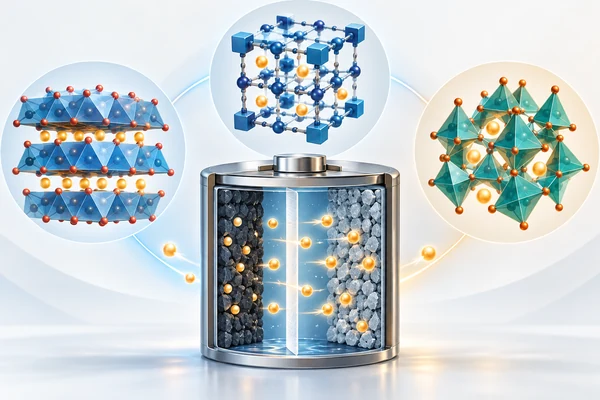
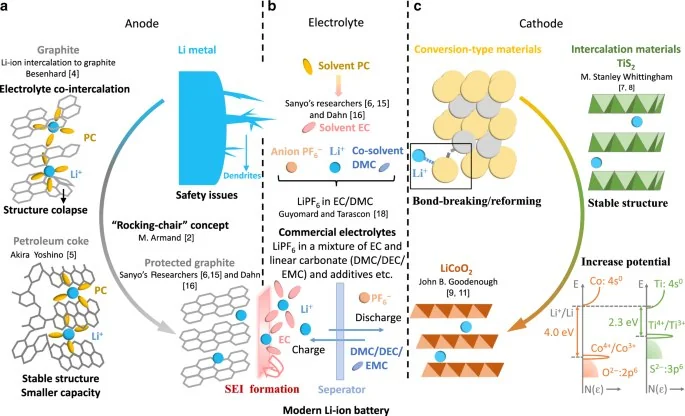
BYD has overcome the thermal runaway challenges associated with high-speed charging through the use of Lithium Manganese Iron Phosphate (LMFP) chemistry combined with silicon-carbon anode technology:
Extreme charging rate: The second-generation Blade Battery supports a 10C charging rate. Voltage has increased from 3.2V to 3.8V, and internal resistance has decreased by 20%, enabling charging at rates up to 10 times its capacity.
Energy density evolution: Energy density has increased by over 5% compared to the first-generation Blade Battery, contributing to the flagship Denza Z9GT's impressive 1036 km (CLTC) range.
Fast charging without compromising lifespan: An ultra-thin, high-strength SEI membrane and electrode dynamic self-repair interface mitigate the physical impact of high-voltage charging on the electrodes, ensuring fast charging doesn't degrade battery life.
Flash charging stations: 1500kw and a grid-friendly solution
Without charging stations capable of feeding them, the fastest batteries are useless. This is where BYD's announcement truly shone – an area where they potentially surpass Tesla's achievements.
BYD isn't just building chargers. They plan to establish 20,000 flash charging stations by the end of 2026. Specific plans include:
18,000 "station-within-a-station" urban sites integrated with existing charging networks.
2,000 highway sites, with 1,000 operational by May 2026.
Coverage density: within 3-6 km of city centers, and an average interval of 100 km on highways.
The charging stations themselves feature an innovative overhead rail-mounted T-type design. This isn't merely aesthetic; it prevents cable damage from being run over (a common frustration at public stations) and makes the charging cable light enough for anyone to handle easily.
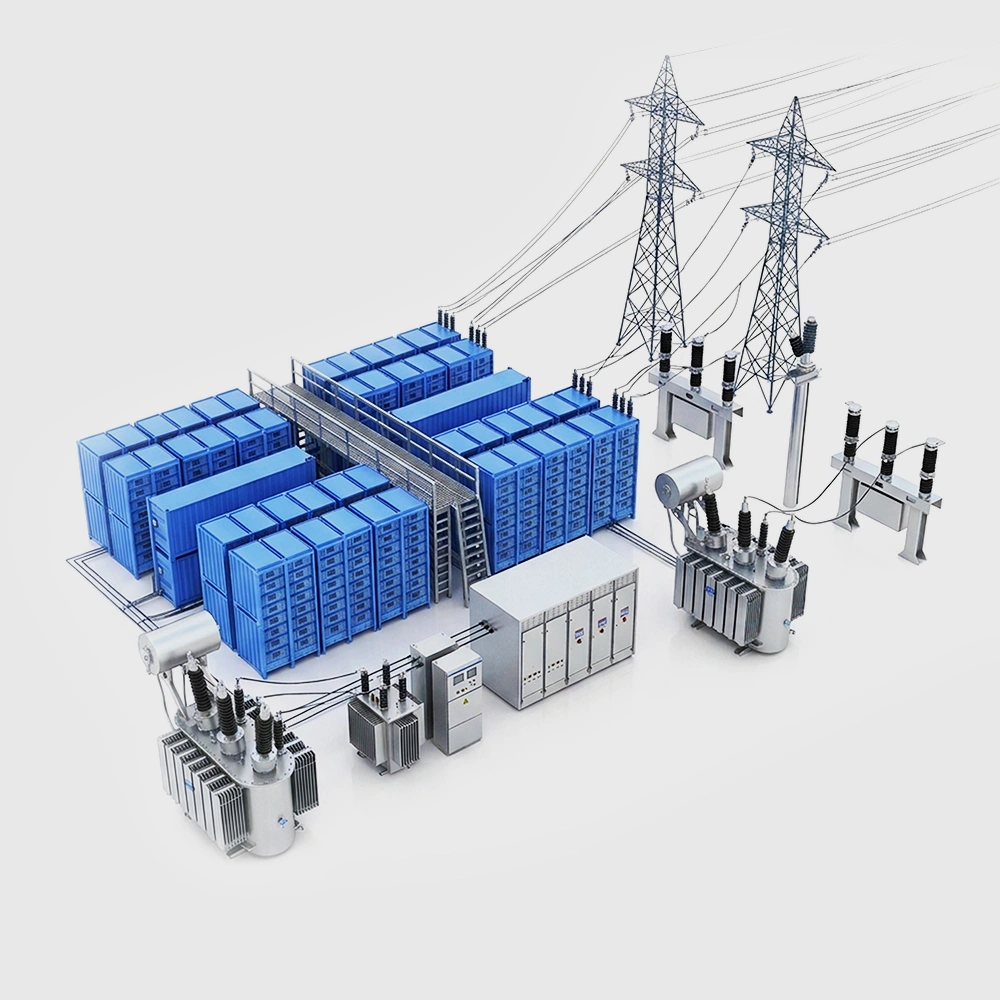
Most ingeniously, each station is equipped with an on-site energy storage system. This allows them to draw power from the grid slowly, then discharge to vehicles at 1500kW. This solves the grid capacity problem that hinders ultra-fast charging deployment elsewhere.
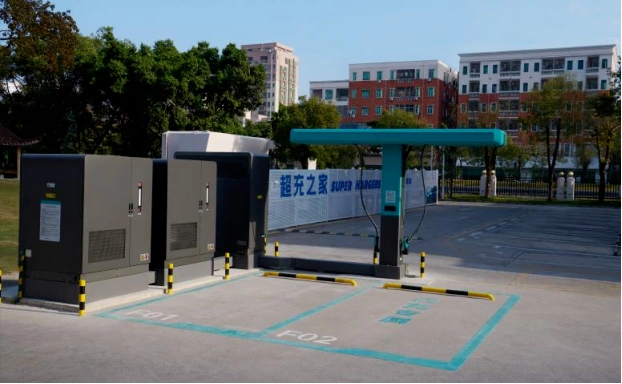
BYD flash charging station
BYD, from its 1500J impact standard to the 9-minute flash charging experience, is leading the global electric vehicle market into a new era of worry-free safety and seamless energy replenishment. This also signifies that behind the technological breakthroughs lie new and more stringent testing challenges.
Technological breakthroughs: new dimensions for testing data
What does a 10C charging rate mean? Mainstream electric vehicles currently charge at rates between 3C and 4C, with Tesla's V4 Supercharger supporting a maximum rate of about 5C. 10C charging means the battery must withstand massive current surges in an extremely short time – imposing unprecedented demands on cell consistency, thermal management, and cycle life. The core parameters of BYD's second-generation Blade Battery offer new considerations for the battery testing industry.
Four major testing challenges in the ultra-fast charging era
The leap in Flash Charging 2.0 performance—specifically the 1500kW peak power—is anchored by the structural and chemical evolution of Blade 2.0. To validate these breakthroughs, testing infrastructure must evolve to handle the unique parameters of the Blade 2.0 architecture.
1. Cell consistency testing under high-current (1500A+)
With the BYD Flash Charging Feature 2026 reaching a 1000V platform and currents exceeding 1500A, even micro-level differences in internal resistance are magnified. This can lead to localized lithium plating or thermal runaway.
Equipment requirement: Testing systems must support ultra-high current pulse testing with high-speed sampling (e.g., 1ms) to identify parameter drift in real-time.
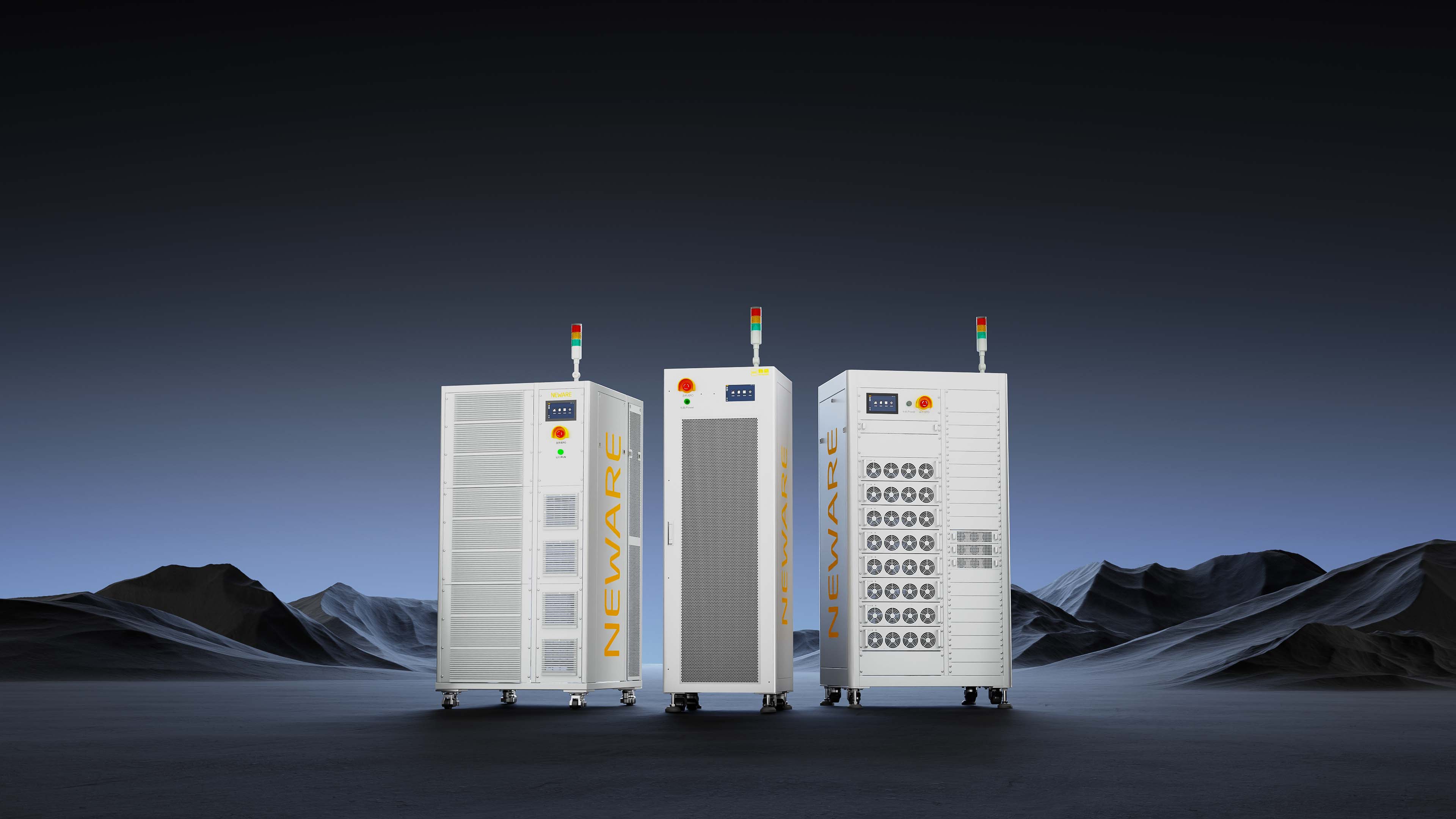
NEWARE 3000V ultra-high voltage battery testing system
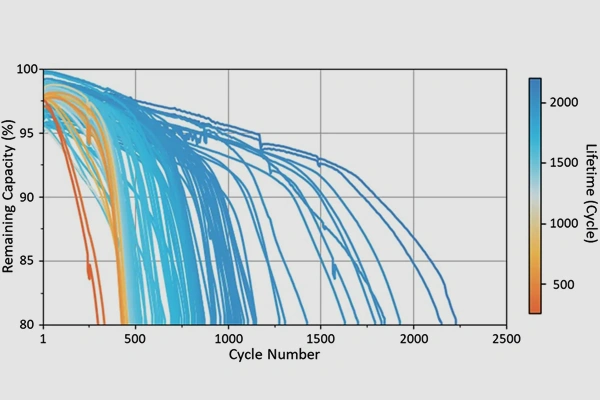
2. Impact of 10C rates on long-term cycle life
A core highlight of the BYD Flash Charging 2.0 performance is maintaining cycle life despite extreme speeds. Validating BYD's claim of 3,000+ cycles at high rates requires rigorous, continuous testing.
Equipment requirement: High-stability cyclers with integrated EIS (Electrochemical Impedance Spectroscopy) are essential to monitor SOH (State of Health) without interrupting the 10C charging flow.
3. Full temperature range & low-temp (-30°C) validation
The BYD Flash Charging Feature 2026 delivers 20%-97% charge in 12 minutes at -30°C. Testing this requires perfectly synchronized environmental control and electrical loading.
Equipment requirement: All-in-one test chambers that combine high-power cyclers with precision temperature control (-40°C to +80°C) to simulate real-world "Flash Charging" in extreme climates.
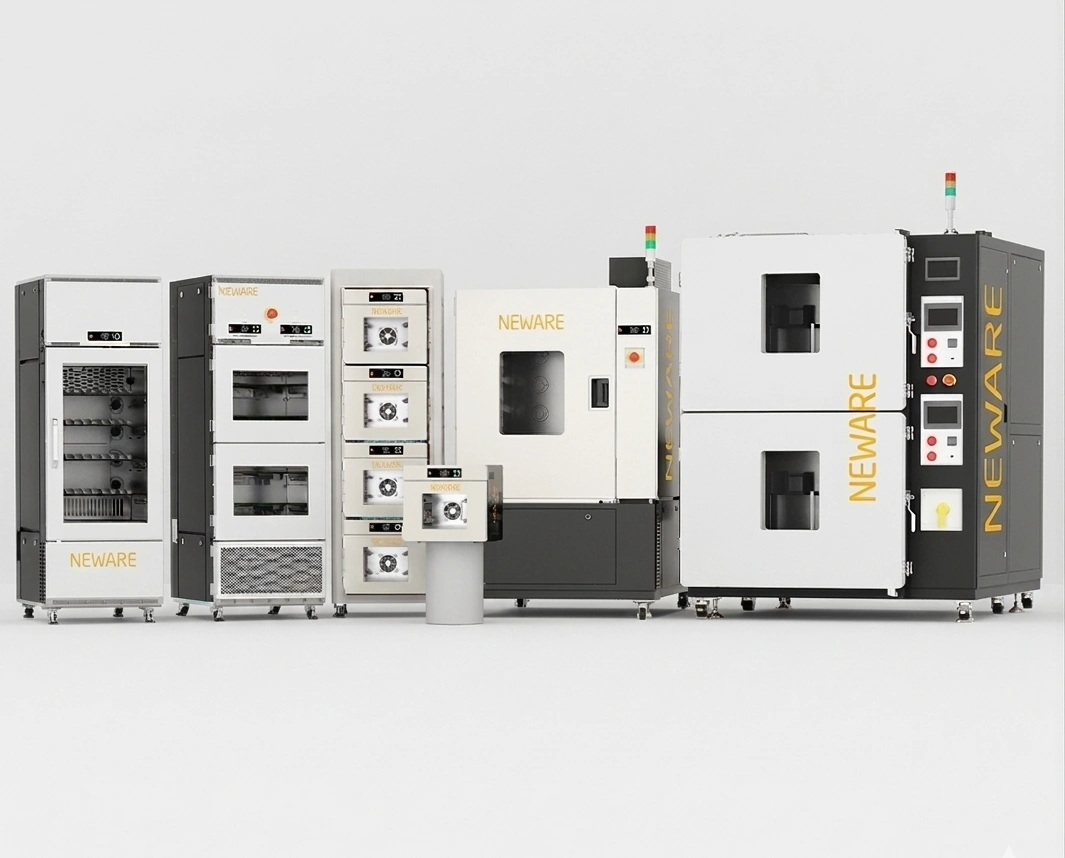 NEWARE environmental test chambers
4. Testing Standards for Blade 2.0's LMFP & Silicon-Carbon Systems
The underlying chemistry of Blade 2.0 involves Lithium Manganese Iron Phosphate (LMFP) and silicon-carbon anodes. These materials exhibit unique expansion and voltage plateau characteristics that differ from previous generations.
Equipment requirement: Test equipment must feature multi-range high-precision channels (0.02% F.S. accuracy) to accurately map the Blade 2.0 discharge curve and support higher voltage cut-offs.
Thermal management testing
The heat generated by 1500kW charging is immense. Even with 95% efficiency, 75kW of heat must be dissipated within minutes – equivalent to the heating output of dozens of household air conditioners running simultaneously.
Testing Requirements: Thermal management test systems capable of simulating ultra-fast charging conditions are needed to monitor temperature distribution across cells, modules, and cooling plates, verifying the effectiveness of the thermal management system. Infrared thermal imaging cameras will become standard equipment on production lines and in laboratories.
BMS (battery management system) testing
Under 10C charging, the BMS response speed must be extremely fast – even a few seconds of delay could lead to overcharging or overheating. The BMS needs to monitor each cell's voltage and temperature in real-time, dynamically adjusting the charging strategy.
Testing Requirements: BMS Hardware-in-the-Loop (HIL) test systems capable of simulating ultra-fast charging conditions are needed to verify BMS response speed and reliability under various extreme scenarios in a virtual environment. Simultaneously, demand for battery simulators will increase – enabling the emulation of real battery electrical characteristics in the lab for BMS functional validation.
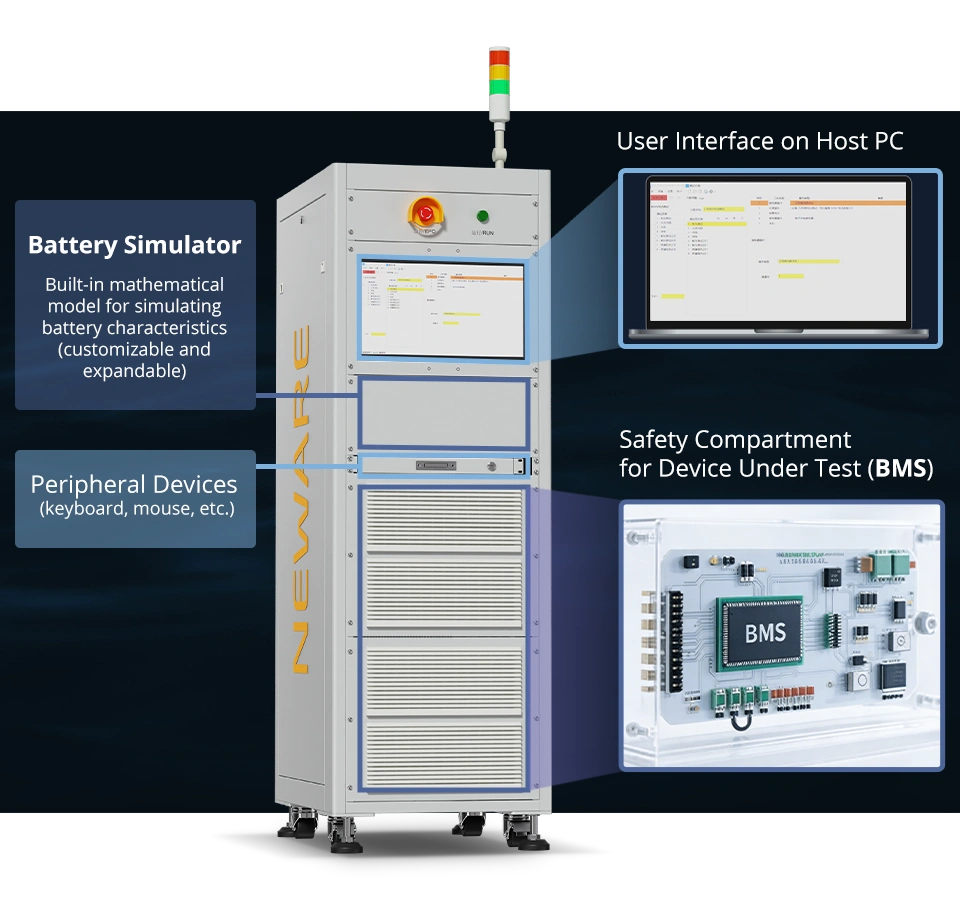
bms testing system
Safety testing
BYD showcased a series of "over-spec" tests during the launch event: nail penetration during flash charging, bottom ball impact tests, etc., all resulting in no fire or explosion. These test conditions are more stringent than existing national standards.
Testing requirements: Safety performance test equipment needs simultaneous upgrades. This includes nail penetration testers supporting high currents, higher-energy crush testers, and mechanical vibration and shock testers simulating real-world road conditions. Thermal runaway testing also needs to simulate the state after ultra-fast charging – are batteries more prone to thermal runaway at elevated temperatures?
Standard evolution: Opportunities and Responsibilities for Testing Equipment Manufacturers
The jump in charging power from 150kW to 1500kW isn't just a tenfold increase; it signifies a complete overhaul of the entire test standard system.
Challenges to existing standards
Current domestic battery testing standards (such as GB/T 31484, GB/T 31486) are primarily based on conventional charge/discharge conditions. Existing test methods may no longer be applicable for cycle life, rate capability, and safety requirements under 10C ultra-fast charging conditions.
New standards foster new demand
With the mass production of ultra-fast charging batteries, the industry needs new testing standards and corresponding equipment:
Cycle life test standards under ultra-fast charging conditions.
Consistency evaluation methods for high currents.
All-climate fast charging performance test specifications.
Safety test procedures for ultra-fast charging.
For testing equipment manufacturers, this means close collaboration with battery companies, automakers, and standard-setting bodies is required to jointly define next-generation testing standards and equipment.
Global market: demand trends for testing equipment
BYD announced that its flash charging technology is "launched and in production," with simultaneous adoption across 10 models. This signifies that ultra-fast charging batteries have entered the stage of mass production – and mass production inevitably generates significant demand for testing equipment.
Globally, demand for battery testing equipment is heating up in several markets:
Europe: The EU Battery Regulation (2023/1542) requiring full lifecycle carbon footprint traceability is driving testing demand
Southeast Asia: Rapid development of the EV industry increases demand for localized battery production.
Japan & South Korea: Continued expansion by battery companies creates stable demand for high-end testing equipment.
Chinese Market: The proliferation of ultra-fast charging technology drives upgrades for production line testing equipment.
Conclusion: in the era of ultra-fast charging, testing comes first
BYD's launch of the second-generation Blade Battery marks the entry of electric vehicles into a new era where "charging is faster than refueling." However, for the entire industry chain, ultra-fast charging presents entirely new technological challenges – and every technological challenge highlights the value of testing equipment.
From cell material screening and module consistency testing to pack system validation, every stage requires more precise, faster, and smarter testing equipment. For battery testing equipment manufacturers, this is not merely a simple "trend-following" opportunity, but a tangible opportunity for technological upgrading.
As charging speed catches up with refueling, the precision and speed of testing equipment must evolve in tandem.