#TheBatteryShow
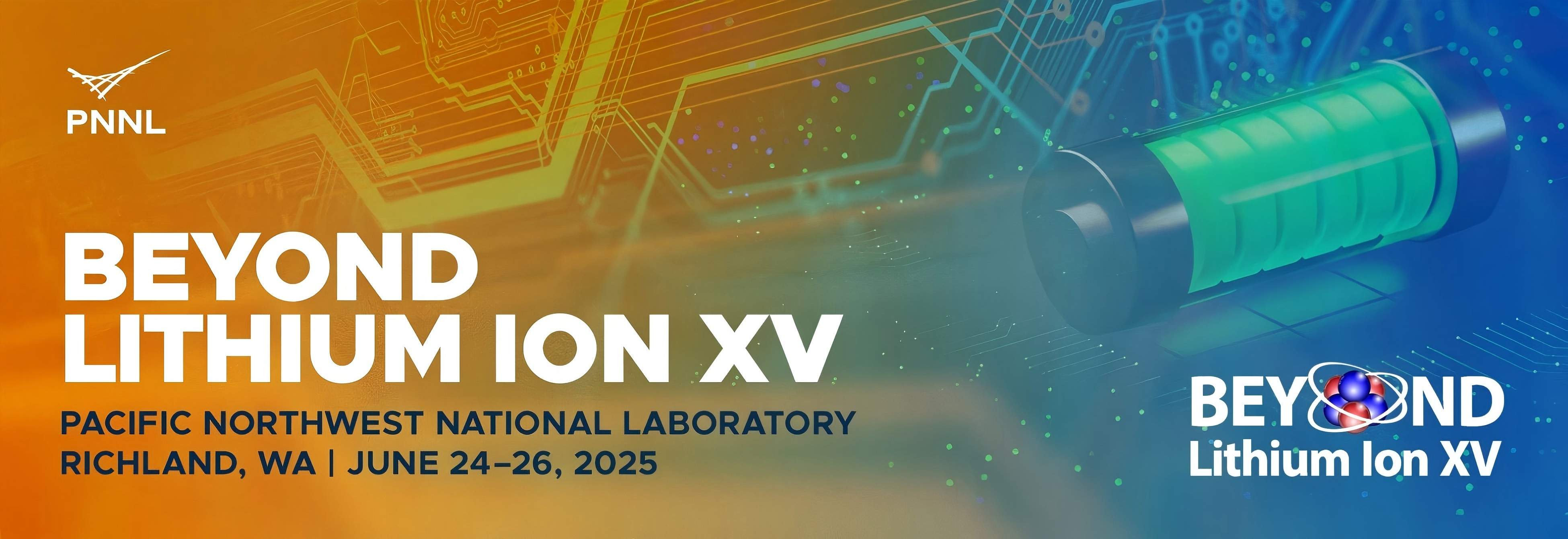
The 15th Beyond Lithium-Ion Conference (BLI-XV) will be hosted by Pacific Northwest National Laboratory (PNNL) in Richland, WA from June 24 to June 26, 2025. This meeting continues a series of symposia organized by a consortium of U.S. National Laboratories (ANL, LBNL, NREL, ORNL, PNNL, and SLAC), IBM and NASA Research Centers to bring together scientists and engineers, focusing on advances in scalable energy storage beyond the current state-of-the-art lithium-ion batteries.
The 2025 BLI-XV will focus on the holistic design of energy storage and conversion beyond lithium ion. We will have sessions focusing on (i) Aqueous metal batteries, (ii) Redox flow batteries, (iii) Automation and AI/ML, (iv) Lithium-sulfur batteries, and (v) Nonaqueous alkaline batteries. At the end of each day, there will be a panel discussion comprised of the session speakers to address lingering bottlenecks in innovation and manufacturing and how we tackle these challenges sustainably.
Official website link: https://pnnl.cventevents.com/event/BLI15/summary
Technology
September 21, 2026
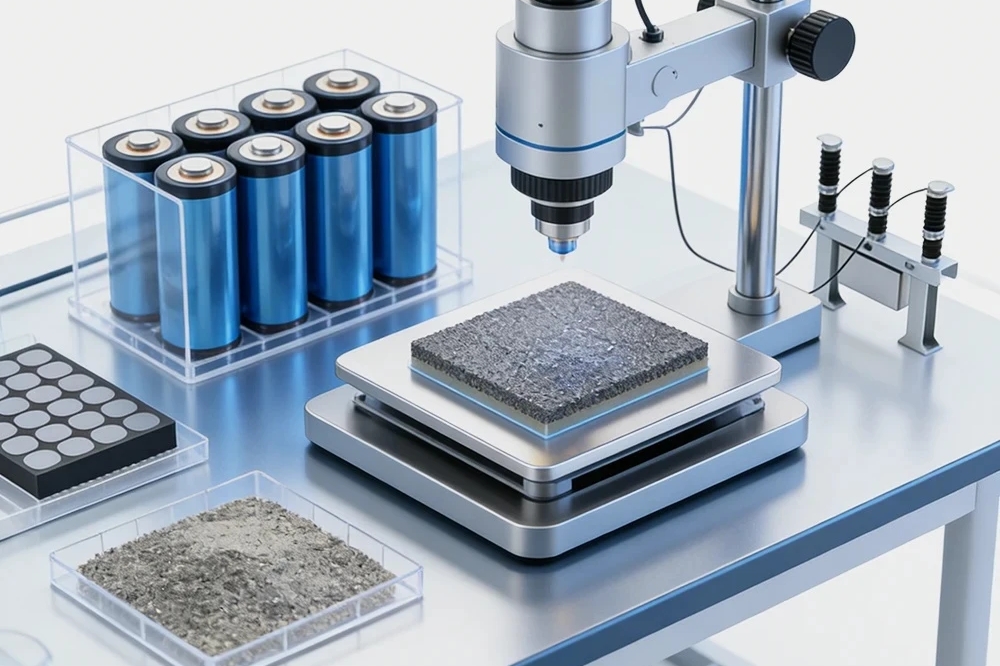
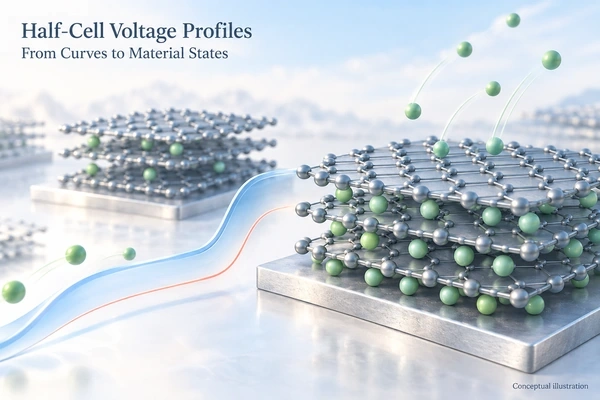


The lab focuses on solid-state battery research to overcome traditional lithium batteries' safety and energy density issues, supporting environmental sustainability. It develops innovative solid-state electrolytes, refines electrode materials, and investigates ion transfer and interface stability to revolutionize battery technology.
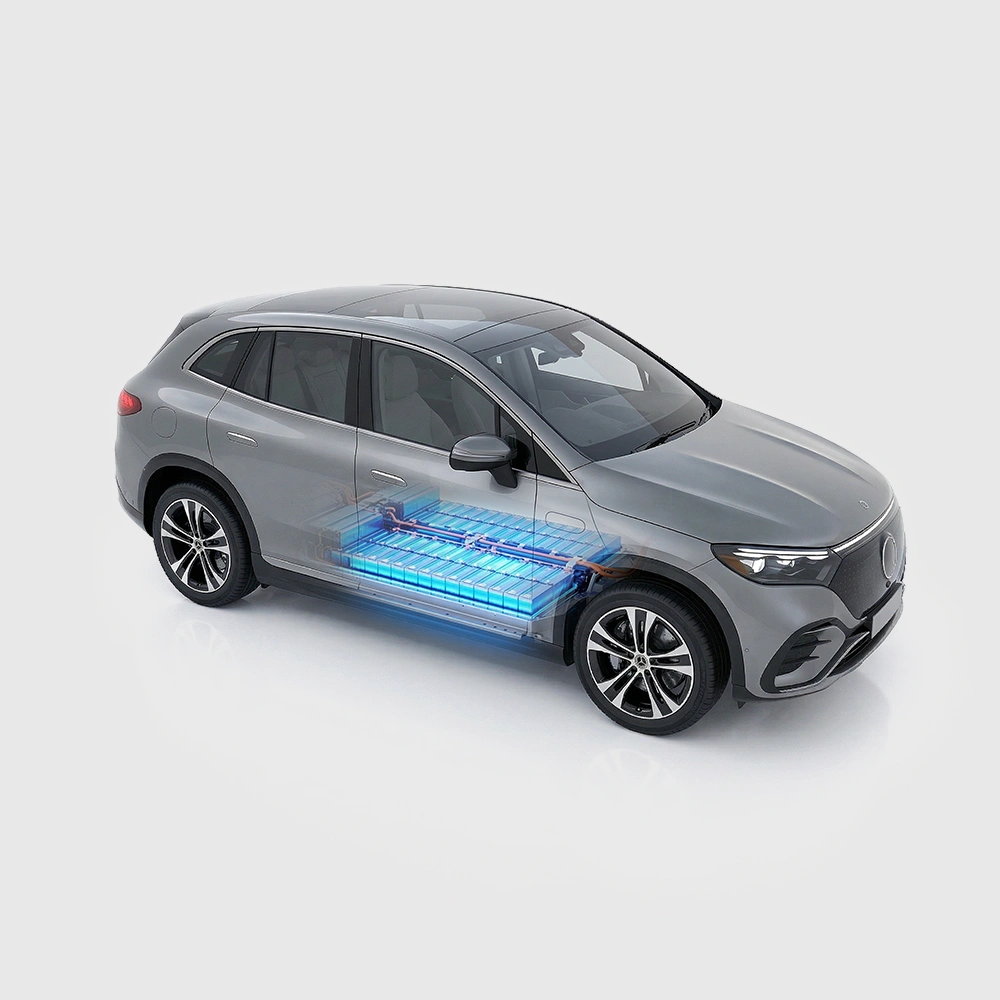
The electric vehicle battery industry is rapidly developing, focusing on technological innovation, market competition, and sustainability. Research hotspots include solid-state batteries, new types of electrolytes, BMS optimization, and recycling technologies. The environmental adaptability, safety, and economic viability of batteries are key research areas, and the industry is expected to undergo more innovation and transformation.
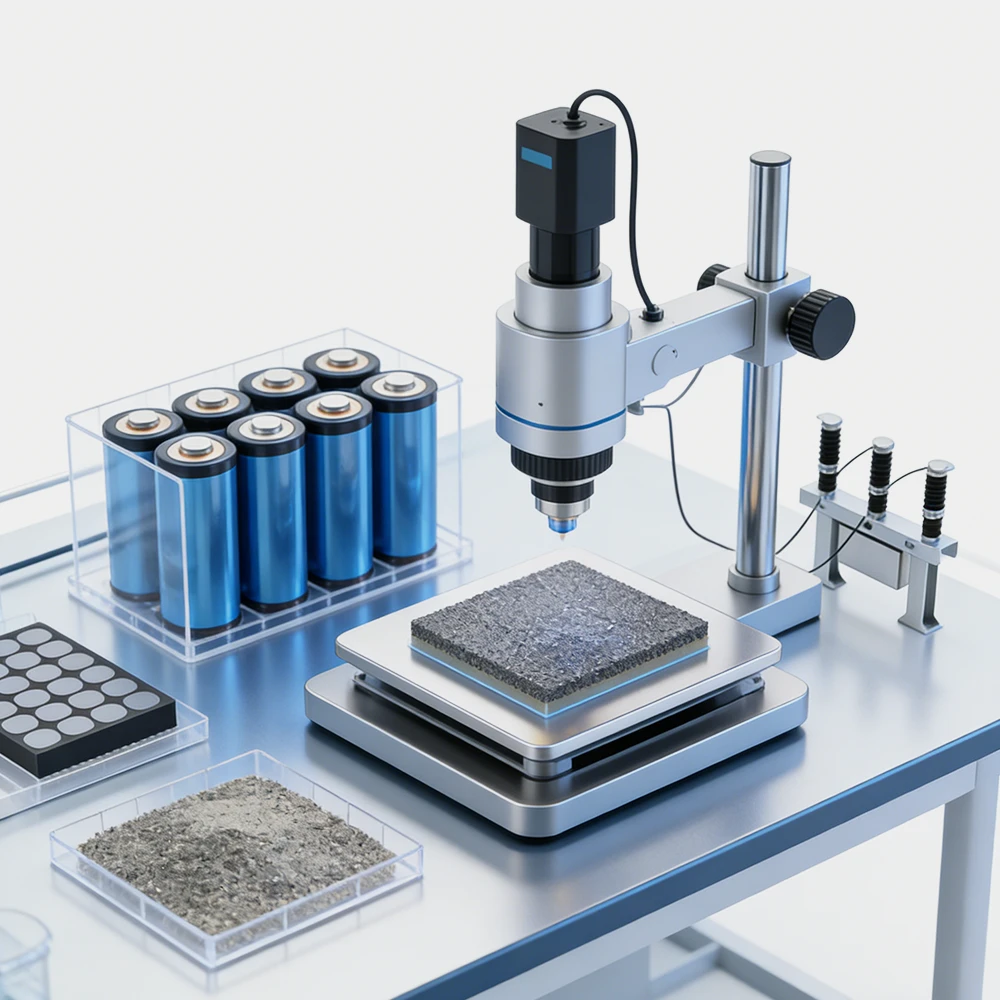
We specialize in battery preparation technology research, focusing on overcoming existing energy storage challenges by innovating in electrode materials, battery chemistry, and manufacturing processes to improve performance, enhance safety, and reduce costs. Sustainability and recycling technologies for batteries are also emphasized to mitigate environmental impacts and foster the growth of green energy.
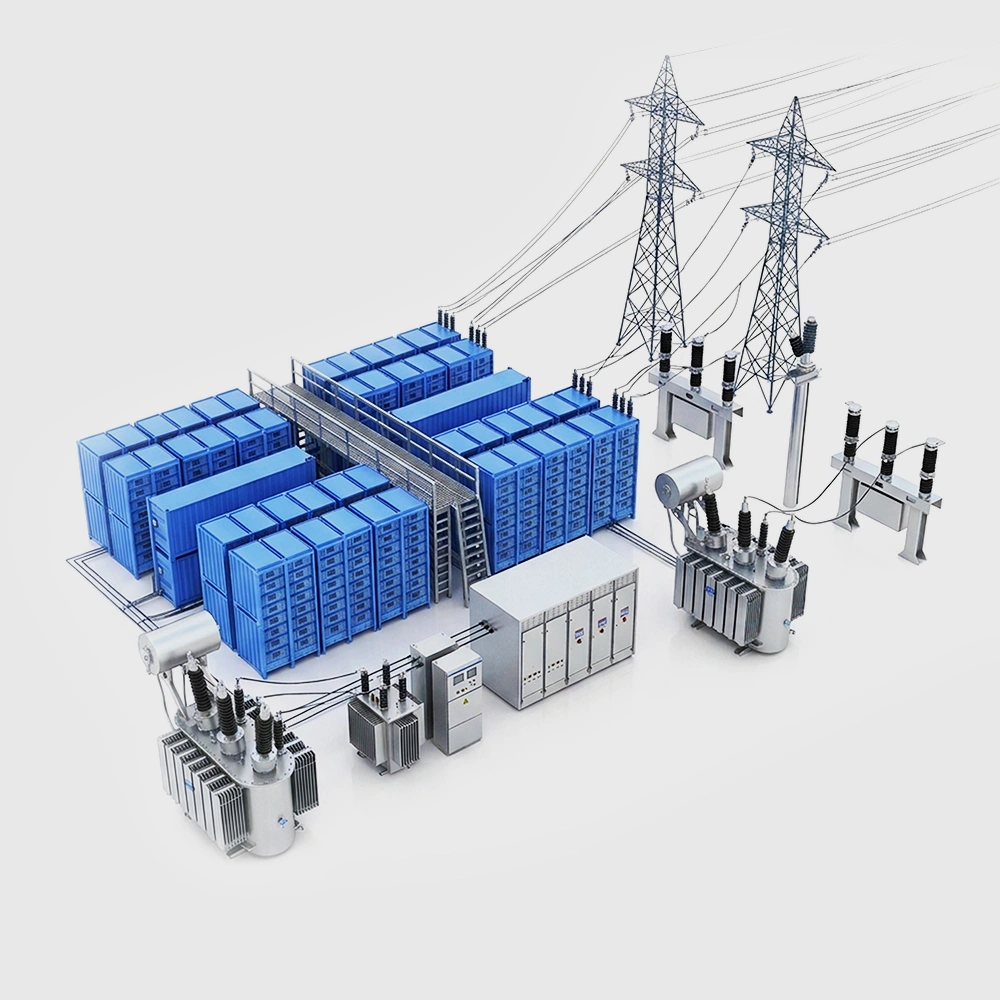
To power the energy transition, the storage industry is evolving towards large-scale, high-quality development, focusing on safety, efficiency, and lifecycle value over mere price competition.