Introduction
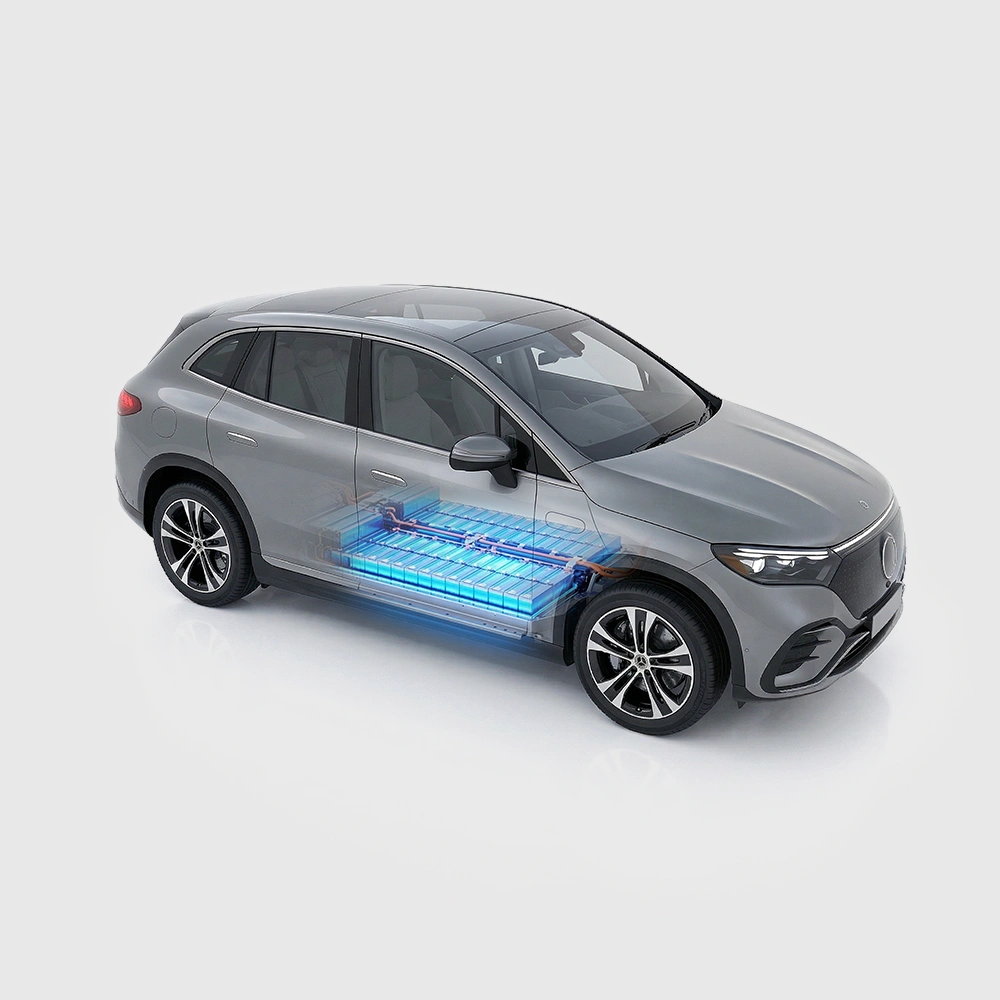
Electric vehicles are occupying an increasingly larger share of the current automotive market. Compared to traditional internal combustion engine vehicles, EVs offer greater economic and environmental benefits for daily use, leading more and more consumers to consider purchasing them. However, recent frequent cases of electric vehicle fires—including fires following collisions, sudden fires during normal operation, fires while parked, and fires during charging—have raised significant safety concerns among consumers. These incidents have also cast doubt on the rigor of safety testing for EV batteries.
This article will outline the various safety tests currently conducted on electric vehicles, with a particular focus on several test items relevant to the causes of the frequently occurring fire incidents.
Fires caused by collision

Figure 1 Vehicle catching fire after a collision
The core mechanism of a post-collision fire lies in the fact that immense external mechanical impact causes deformation of the battery pack casing and internal structural components like crossbeams and longitudinal beams. This directly crushes or punctures the battery cells. The separator inside a cell is torn, leading to a large-area internal short circuit between the positive and negative electrodes. This instantly releases a tremendous amount of heat, triggering thermal runaway, which can then propagate through the modules and the entire pack via a "domino effect."
Mechanical shock and crush test: This simulates vehicle jolts, underbody scraping, or collision scenarios. During the test, a rigid body applies an extremely high force (e.g., over 100 kN) to crush the battery pack or module, or multi-axial mechanical shocks are administered. The requirement is that the battery system must not catch fire or explode after the test.
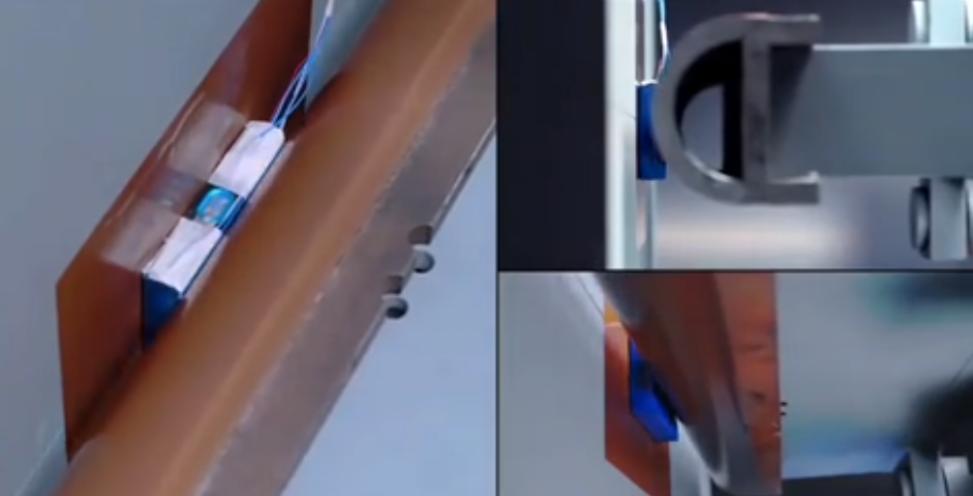
Figure 2 Crush test (X-axis crush)
Simulated collision (vibration) test: This test subjects the battery pack to extended periods of multi-frequency random vibration to evaluate the integrity of its structure and electrical connections under the vibrational fatigue experienced throughout the vehicle's entire lifecycle. The goal is to prevent short circuits caused by issues like loosened screws or fatigued connection points.
Nail penetration test (while not mandatory, it holds significant reference value): A steel needle penetrates a single battery cell at a specified speed, simulating the most severe internal short circuit scenario. This serves as the ultimate test of the cell's own thermal stability. This test can visually distinguish the intensity of thermal runaway in different chemical systems, such as lithium iron phosphate and ternary lithium.
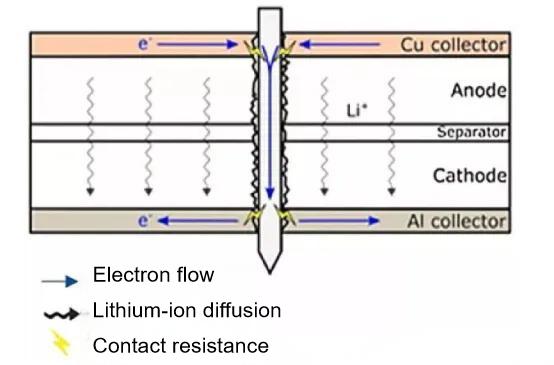
Figure 3 Cross-sectional schematic of the nail penetration test principle
However, in reality, even batteries that pass the aforementioned tests, including the nail penetration test, are highly likely to catch fire when faced with an actual collision-induced puncture scenario. This is because real-world impacts exert forces on the battery that are several orders of magnitude greater than those in the controlled test environment. Once a battery suffers severe puncture or deformation in an actual collision, it can instantly reach thermal runaway conditions, potentially leading to an explosion or violent fire.
Sudden fire during normal operation
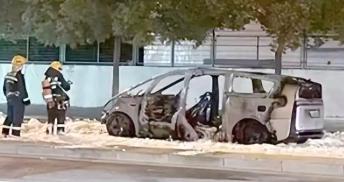
Figure 4 Vehicle catching fire during normal operation
The causes of sudden fires during operation are more complex, often resulting from the superposition of multiple factors under dynamic operating conditions. Firstly, defects introduced during manufacturing, such as microscopic metal particles or burrs on electrode sheets, can, under the long-term stress of charge-discharge cycles and road vibration, gradually penetrate the separator, leading to a progressive internal short circuit. Secondly, poorly designed or welded battery connections (e.g., busbars) can experience localized overheating under current load, melting the insulating material and causing a short circuit. Thirdly, cooling system failure can prevent timely heat dissipation from the battery during hot weather or high-load driving, allowing temperature to accumulate until it reaches the thermal runaway threshold.
Related test items focus more on verifying the system's durability, reliability, and thermal management performance:
Temperature shock and cycle testing: The battery system is subjected to rapid alternating cycles between extreme high and low temperatures (e.g., -40℃ to +85℃). This tests the integrity of its structural seals, the reliability of connections, and the consistency of thermal expansion and contraction among different materials, aiming to prevent problems caused by seal failure or loosened joints.
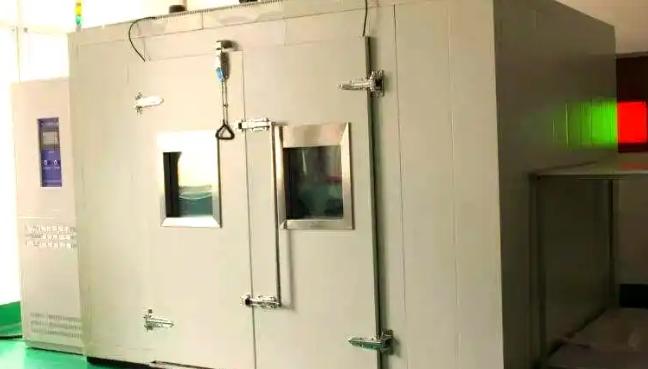
Figure 5 Temperature shock test chamber
High-rate discharge and thermal management testing: Under simulated high-load conditions such as high-speed driving or hill climbing, continuous high-current discharge is performed. Simultaneously, the temperature uniformity of each cell is monitored to evaluate the temperature monitoring accuracy of the Battery Management System (BMS) and the responsiveness of the cooling system.
Internal short circuit (triggered) testing: Under controlled laboratory conditions, a gradually developing short circuit inside a cell is simulated. This research focuses on its early warning signs (such as slight voltage drops or localized temperature anomalies) to provide data support for BMS early warning algorithms.
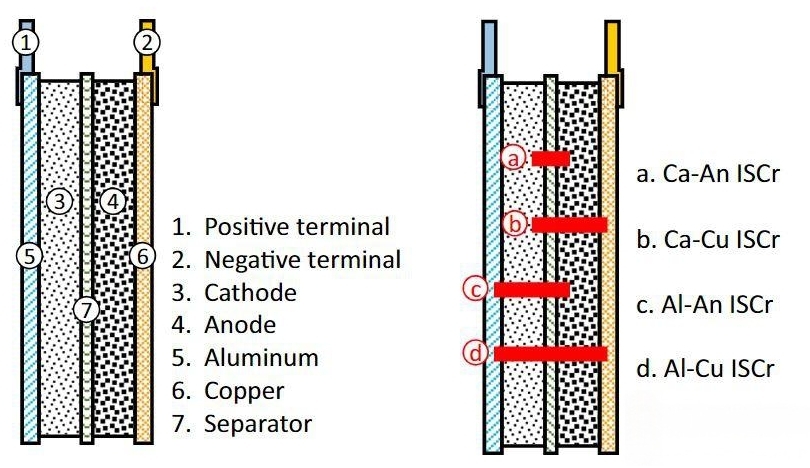
Figure 6 Schematic diagram of the internal structure of a battery cell and four types of internal short circuits
Fire occurring while parked
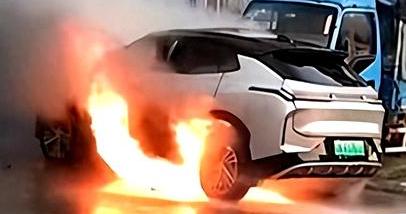
Figure 7 Electric vehicle catching fire while parked
The primary causes of spontaneous combustion while parked point to the "internal degradation" of the battery after long-term use. Firstly, after cycling and aging, lithium dendrites may grow on the surface of the negative electrode within a cell. These dendrites can slowly penetrate the separator, triggering a slow, spontaneous internal short circuit where energy is gradually released, accumulating heat. Secondly, the battery pack may have previously experienced slight water ingress or corrosion during use, leading to reduced insulation performance, generating leakage current and localized heating. Finally, abnormal power consumption or faults in the BMS or related circuits after the vehicle is powered off can also cause localized overheating.
Targeted testing focuses on the long-term stability and post-shutdown safety of the battery:
Self-discharge testing and consistency screening: This involves long-term monitoring of the voltage decay rate of a batch of cells in a resting state. Inconsistent self-discharge rates are often indicative of internal micro-shorts. Rigorous factory screening can eliminate these "problem cells."
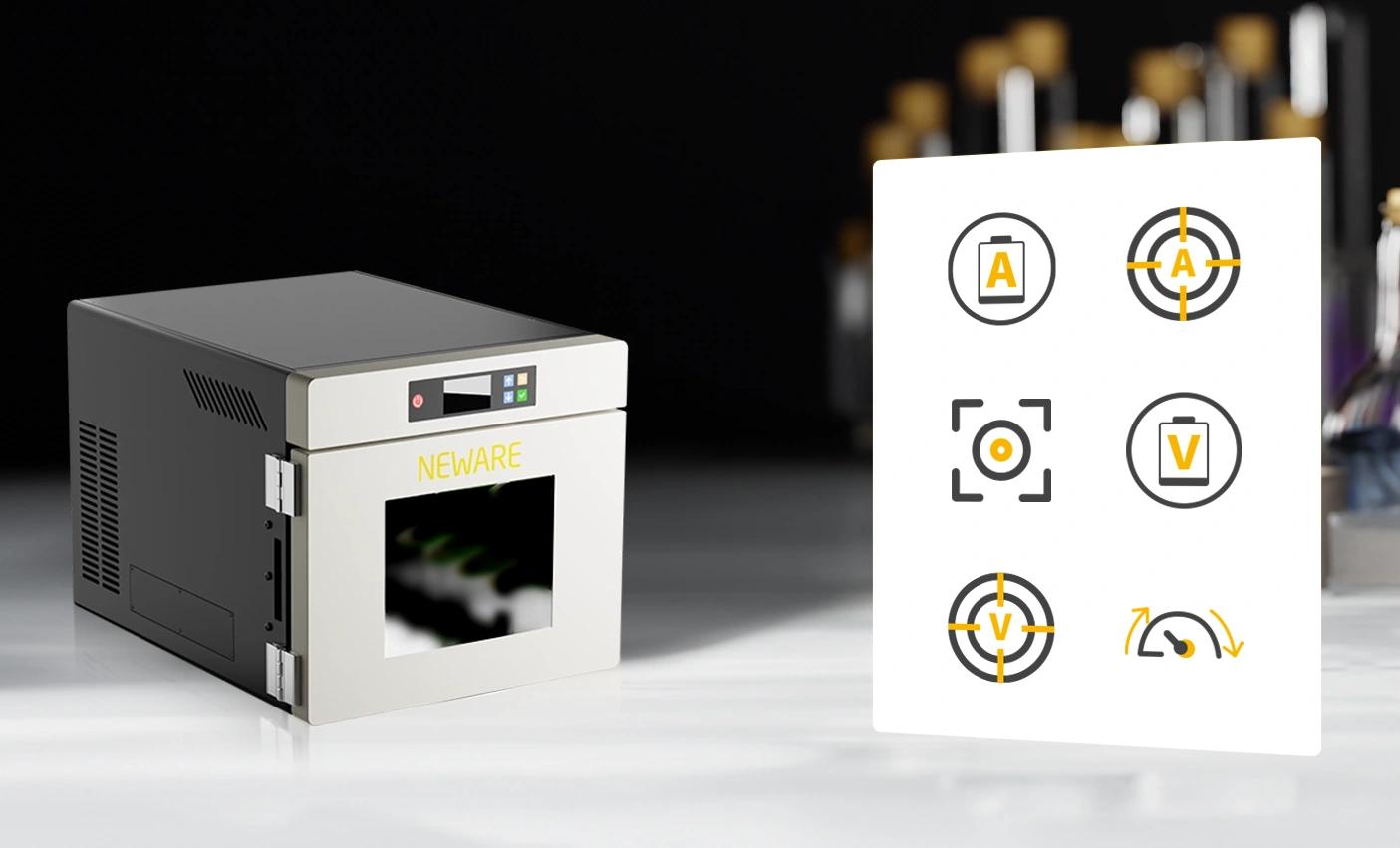
Figure 8 NEWARE self-discharge test equipment (25L)
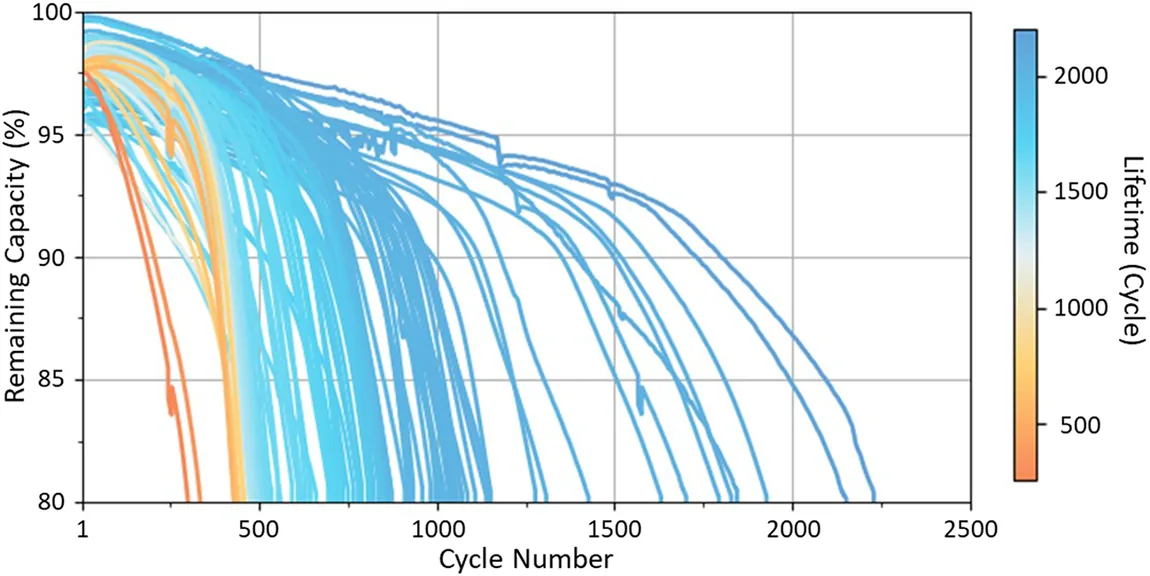
High-temperature storage and aging cycle testing: The battery system or modules are stored for extended periods in a high-temperature environment (e.g., 60℃), or observed after completing hundreds or thousands of charge-discharge cycles. This is done to evaluate the degradation in capacity, increase in internal resistance, and the reduction of safety margins.
Insulation resistance testing and salt spray corrosion testing: Insulation resistance between the high-voltage components of the battery system and its casing is measured periodically or after simulated exposure to humid or salt spray environments. This ensures the system maintains sufficient insulation strength under harsh conditions to prevent electrical leakage.
Fire occurring during charging
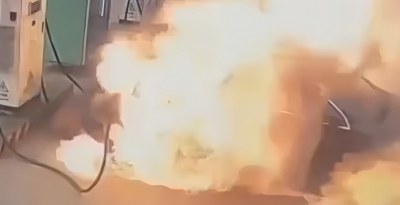
Figure 9 Electric vehicle catching fire during charging
The primary causes of fires during charging stem from imbalances in energy management. First, overcharging. Malfunctions in the Battery Management System (BMS) or charging communication errors can lead to continued charging of already full cells. This causes excessive lithium-ion intercalation into the negative electrode, forming numerous lithium dendrites that can easily trigger short circuits. Second, improper fast-charging strategies. The pursuit of speed through excessively high charging currents can prevent lithium ions from uniformly intercalating into the negative electrode in time, leading to lithium plating on its surface while simultaneously generating significant Joule heat. Third, excessive contact resistance at the charging interface, cables, or internal battery connection points, resulting in localized overheating and melting.
Corresponding tests form the core defense line for charging safety:
Overcharge protection test: The battery pack is forcibly overcharged (typically to 130%-150% of its rated capacity) to verify whether the BMS can accurately cut off the charging circuit when voltage or temperature reaches the set threshold.
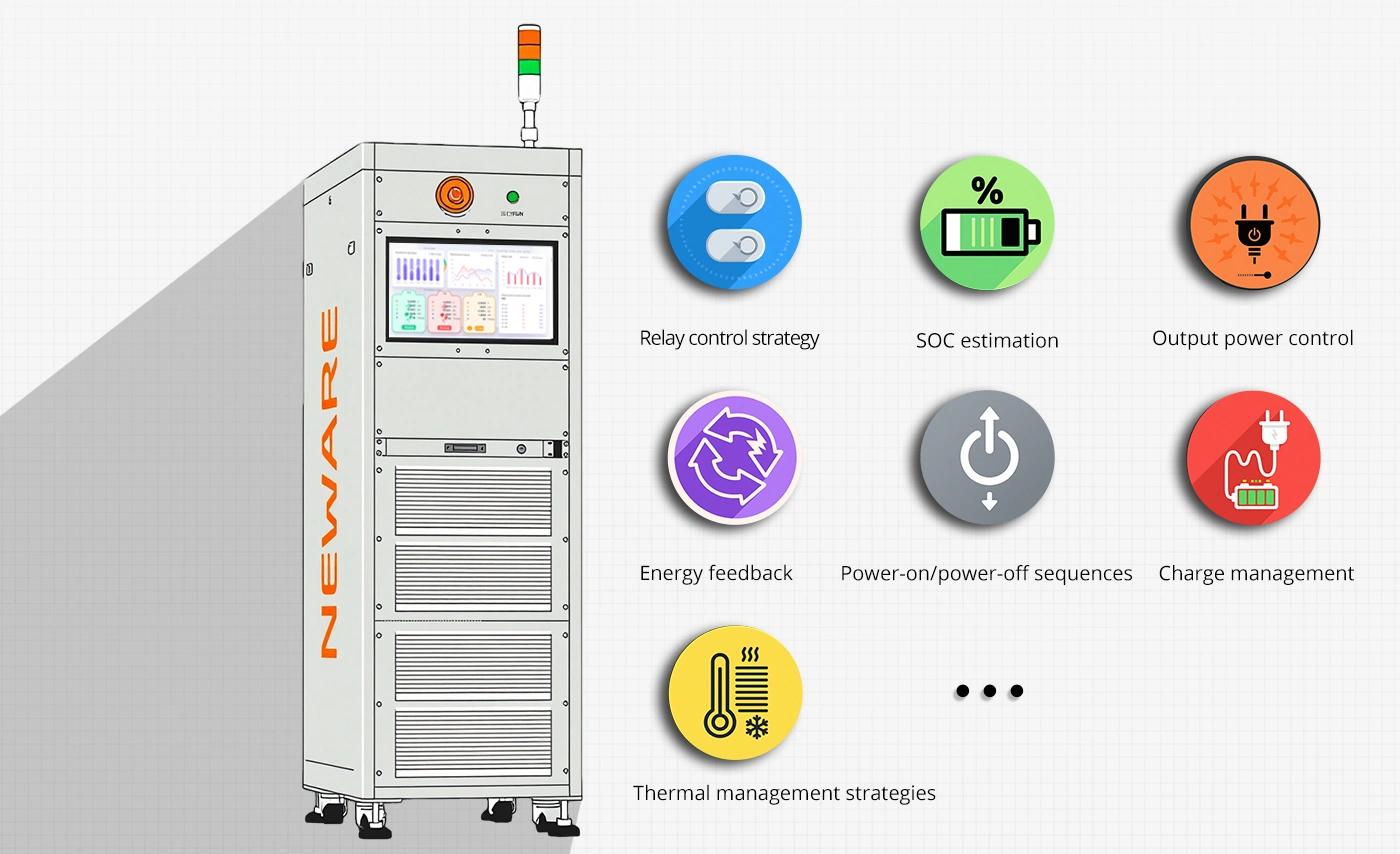
Figure 10 NEWARE tester (BMS)
Charging at different rates and temperature rise testing: Charging is performed at 1C, 2C, or even higher rates. During this process, the voltage and temperature uniformity of each individual cell are strictly monitored. The objective is to assess the rationality of the fast-charging strategy and the ultimate capability of the thermal management system.
Thermal propagation test (mandatory key project): This test triggers thermal runaway in a single cell through methods such as heating or nail penetration. It mandates that after the onset of thermal runaway, the battery system must provide occupants with at least 5 minutes of safe egress time, and flames must not propagate into the passenger compartment. This test serves as a comprehensive examination of the overall battery pack design, encompassing its insulation, pressure relief, and flame retardant properties.
Conclusion
Battery testing is an indispensable part of the electric vehicle (EV) manufacturing process and is critically linked to overall vehicle safety. For some models, the battery cost can account for over 90% of the total vehicle cost. Among various testing procedures, the nail penetration test represents a significant safety challenge. However, even batteries that pass this test may still be susceptible to thermal runaway during severe real-world collisions; such incidents are difficult to prevent solely through standard laboratory testing.
In contrast, battery thermal runaway occurring in the absence of an accident can often be preempted through early detection using high-performance battery testing equipment. Proactively screening batteries for latent safety risks is key. In this regard, NEWARE offers a comprehensive range of battery testing equipment. For instance, the 6-series CE-6000 Pack Testing System is specifically engineered for traction battery pack evaluation, while the CE-6S-BMS is designed for dedicated Battery Management System (BMS) testing. The 9-series CT-9008-SD facilitates accurate and efficient self-discharge testing, making it highly suitable for EV manufacturers. Additionally, the CE-6002-200V200A-EOL can perform multiple validation tests on assembled battery modules to ensure each one complies with the required standards.