Battery market development and seasonal challenges
Amid the global wave of energy transition, the battery industry has evolved from a core component of consumer electronics into an "all-round powerhouse" driving new energy vehicles, energy storage systems, and even the low-altitude economy. Data from the International Energy Agency (IEA) shows that the global annual battery demand historically surpassed 1 terawatt-hour in 2024, with electric vehicle sales being the primary contributor to this growth. China has become a central force in this field, manufacturing over three-quarters of the world's batteries. Through technological innovation, it continues to reduce costs, making high-value solutions like Lithium Iron Phosphate (LFP) batteries mainstream in the market.
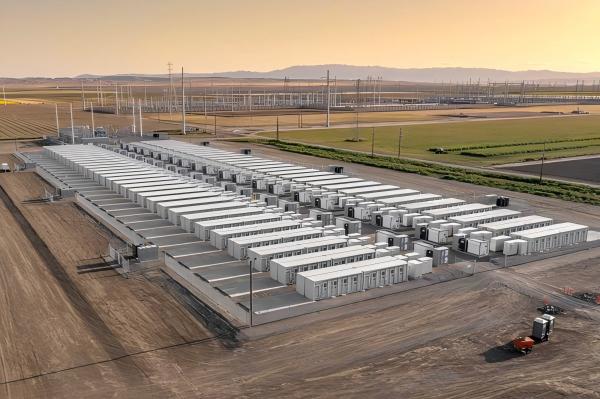
Figure 1 panoramic view of an energy storage power station
However, a persistent challenge lies between the industry's vigorous growth and the everyday user experience: battery performance fluctuates dramatically with the seasons, especially with temperature. Whether it's the sharp drop in an electric vehicle's driving range during harsh winters or the rapid battery drain of a mobile phone used outdoors in summer, these phenomena visually underscore the profound impact of temperature on batteries. Understanding and overcoming this challenge is not only key to enhancing user experience but also a crucial threshold that battery technology must cross to achieve all-scenario, all-weather applications.
Analysis of winter and summer battery performance differences
Why does the same battery perform significantly below its rated specifications in winter, to the extent that a phone battery might even fail to charge, while in summer, incidents of electric vehicle battery fires occur frequently? These phenomena are intrinsically linked to the structure and working principles of lithium-ion batteries.
The impact of temperature on lithium-ion battery performance
The performance of a lithium-ion battery is essentially an external manifestation of its internal electrochemical reactions. A decline in performance often indicates a weakening of internal electrochemical activity. The operation of a lithium battery involves the repeated "intercalation" and "de-intercalation" of lithium ions between the positive and negative electrodes, akin to a precise molecular swing. The smoothness of this process highly depends on factors such as the activity of the electrode materials and the ionic conductivity of the electrolyte, all of which are exceptionally sensitive to temperature.
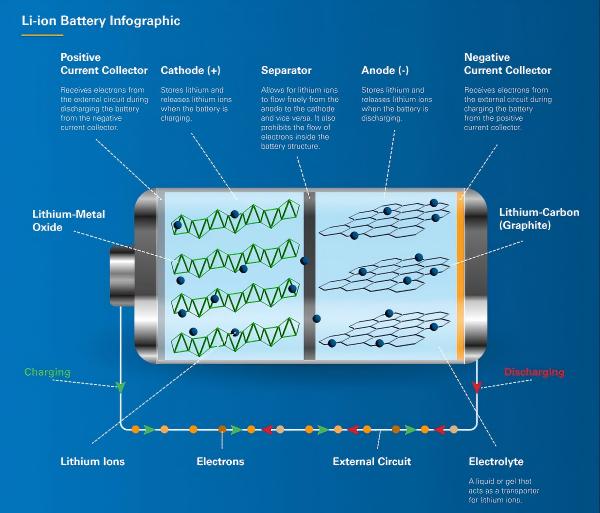
Figure 2 schematic diagram of lithium-ion battery structure
Research indicates that the optimal operating temperature range for lithium-ion batteries is similar to the comfort zone for the human body, approximately between 20℃ and 30℃. Once the temperature deviates from this range, its internal kinetic processes undergo significant changes. This is also why many tests for electric vehicles or mobile phones are conducted at around 25℃, as both the battery's range and power output are optimal at this temperature.
Practical cases: from consumer electronics to electric vehicles
3C consumer electronics: In low-temperature environments, the battery capacity of devices such as mobile phones and cameras appears "overstated," with noticeably shortened usage times and even sudden shutdowns while the battery indicator still shows remaining charge. This occurs because the battery's internal resistance increases in the cold, leading to insufficient output voltage. To prevent abnormal operation, the device's protection circuit forces a shutdown.
Electric vehicles: Winter range attenuation is a common concern for electric vehicle owners. For example, the actual range of a Tesla Model Y in winter (0-10℃) is approximately 70 to 100 kilometers less than in summer (20-30℃), with the actual range achievement rate being only about 60% to 70% of the officially stated range. This is not only due to the degradation of the battery's own performance in cold conditions but also significantly attributed to the high energy consumption required for cabin heating during winter.
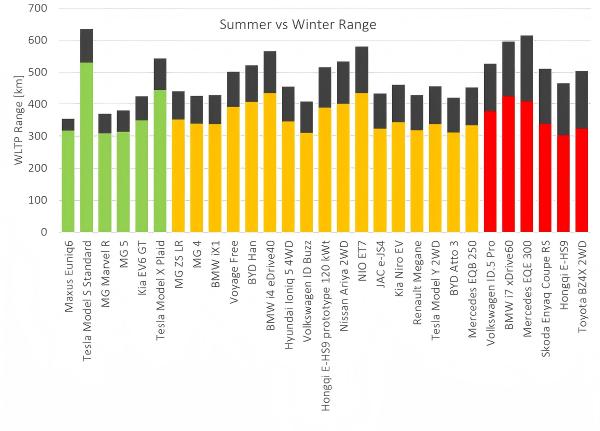
Figure 3 comparison chart of summer and winter range for various brands of electric vehicles
Specific dimensions and causes of temperature's impact on performance
The impacts of high and low temperatures on batteries operate on two entirely different levels. Simply put, just like putting a bottle of water into a refrigerator versus an oven, the bottle experiences completely different impacts.
Low temperatures
In low-temperature environments, battery performance typically declines noticeably.
The most direct experience is a significant reduction in available capacity and driving range—for instance, a mobile phone dying quickly outdoors or an electric vehicle's winter range substantially shrinking. This is primarily because the electrolyte becomes more viscous at low temperatures, and the movement speed of lithium ions within both the electrolyte and the electrode materials decreases sharply. As a result, the amount of electricity the battery can actually release is reduced.
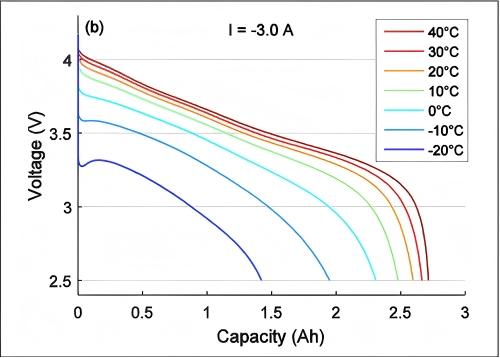
Figure 4 battery capacity degradation curve at low temperatures
At the same time, charge and discharge power will also severely decrease, manifesting as sluggish acceleration in electric vehicles and slower charging speeds. The core reason is that the battery's internal resistance, particularly the charge transfer impedance, increases substantially as the temperature drops, hindering the flow of high current. More critically, there are safety and lifespan risks: when charging at low temperatures, lithium ions struggle to intercalate smoothly into the graphite anode, making them prone to precipitate on the anode's surface and form metallic lithium dendrites. These dendrites can potentially pierce the separator, causing an internal short circuit. This leads to permanent battery damage and may even trigger thermal runaway.
High temperatures
In high-temperature environments, batteries face overheating risks.
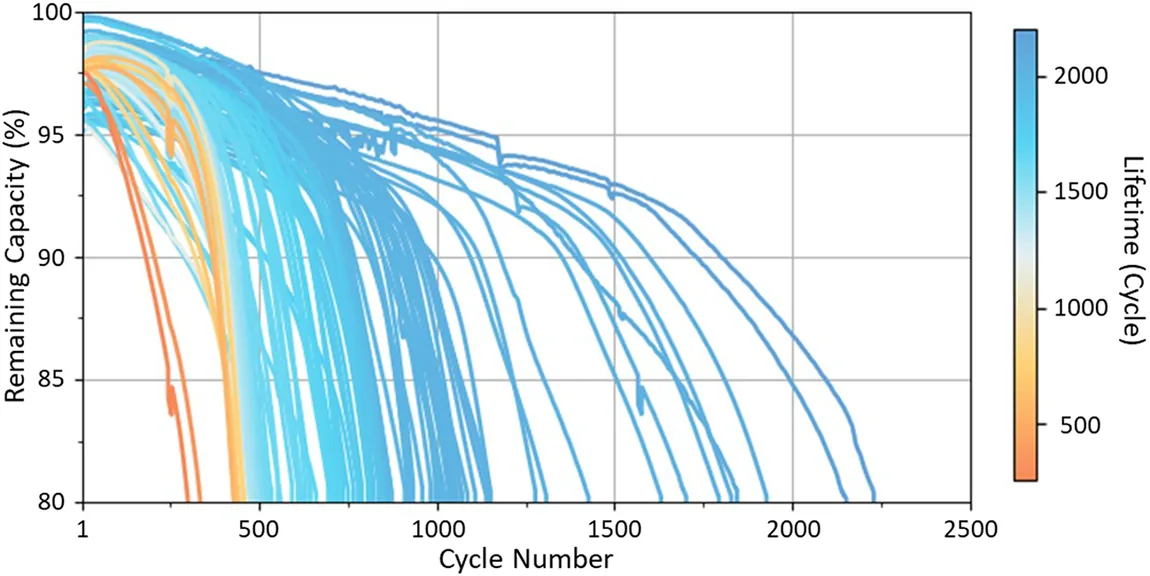
Prolonged exposure to high temperatures accelerates the irreversible decay of battery capacity, meaning the battery gradually loses its durability. This occurs because elevated temperatures intensely accelerate various side reactions within the battery, such as electrolyte decomposition, dissolution of cathode materials, and excessive growth of the SEI film on the anode. These reactions continuously consume active lithium ions and electrolyte. For safety reasons, charge and discharge power are often restricted by the system under high temperatures. Notably, fast-charging functionality may be disabled or throttled—this is a protective measure taken by the Battery Management System (BMS) to prevent excessively high temperatures.
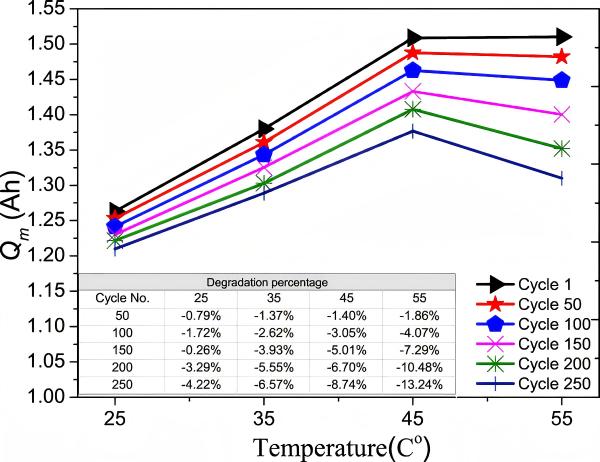
Figure 5 impact of high temperatures on battery performance (high temperatures accelerate capacity fade)
The greatest threat posed by high temperatures is severe safety risks and shortened cycle life. High temperature is the primary external trigger for battery thermal runaway. A series of chain exothermic reactions can cause the battery's internal temperature to skyrocket within a short period, ultimately leading to fire or explosion. Simultaneously, the acceleration of side reactions under high temperatures directly results in a multiplied increase in the battery's aging rate.
Therefore, temperature primarily determines the battery's actual performance across multiple dimensions—capacity, power, lifespan, and safety—by influencing the rates of internal chemical reactions, the speed of material transport, and the intensity of side reactions.
How to mitigate the impact of temperature on batteries
To address the challenges posed by low temperatures, several technologies have been commercialized to create a more suitable operating environment for batteries.
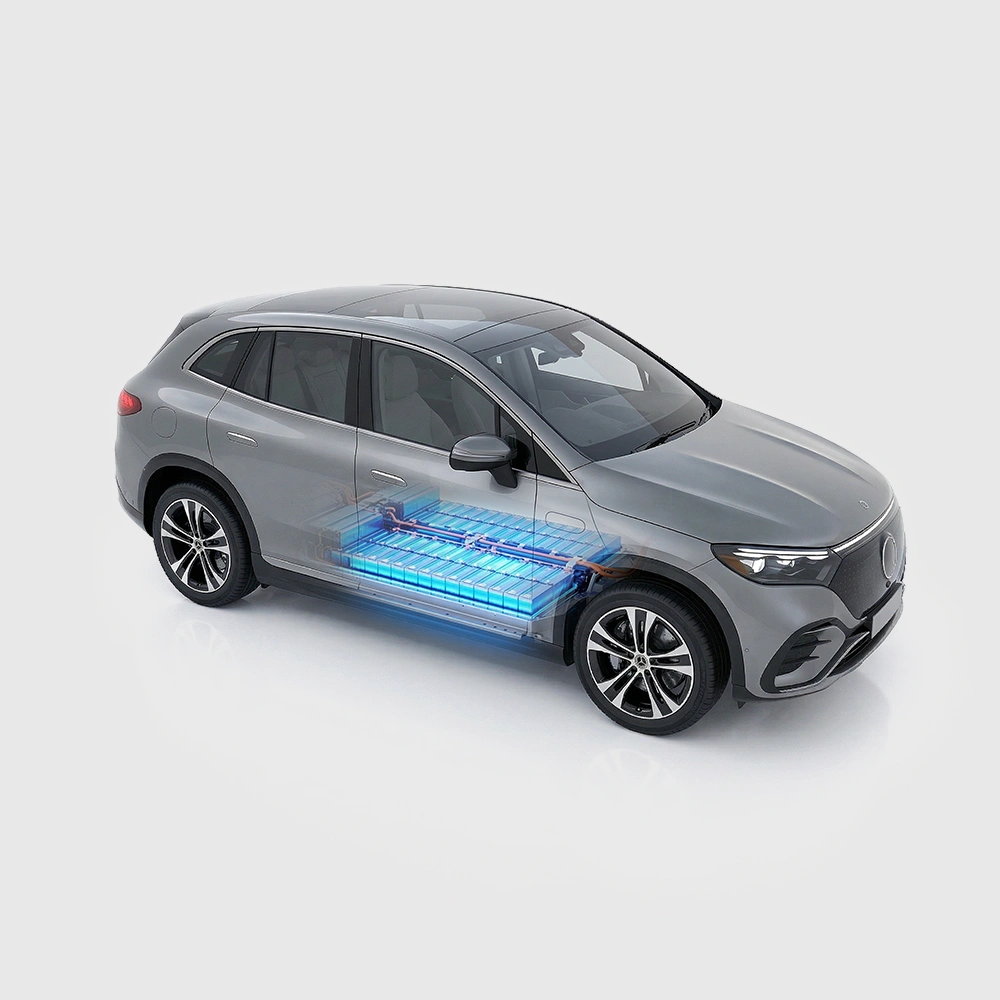
Advanced Battery Thermal Management System (BTMS): This is currently a standard configuration in electric vehicles. Its core functions include low-temperature heating, high-temperature cooling, and intelligent thermal insulation. In winter, the system can proactively raise the battery pack's temperature to the optimal operating range before initiating charging or driving. This is achieved by using PTC heaters or by utilizing waste heat from the motor and the battery's own operation, thereby ensuring performance and charging safety. Many vehicle owners have developed the habit of remotely starting their cars via a mobile app before a trip precisely to preheat both the battery and the cabin.
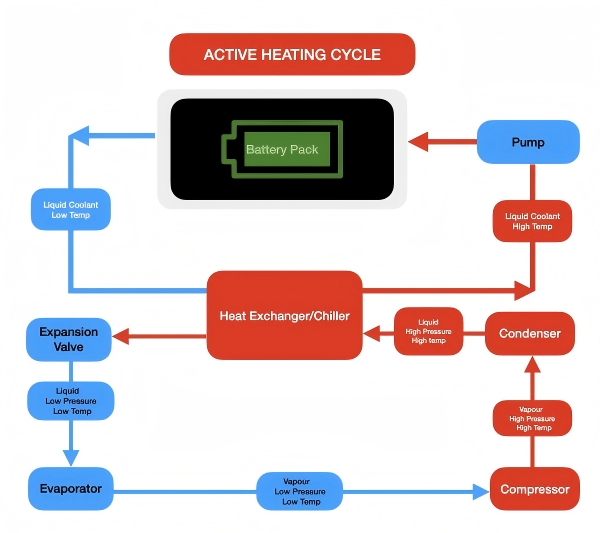
Figure 6 battery thermal management system
Ultra-wide temperature range battery technology: This is an innovation that fundamentally breaks through temperature limitations at the material level. For example, the aluminum-based anode ultra-wide temperature range battery developed by the Shenzhen Institute of Advanced Technology, Chinese Academy of Sciences, can extend its operating temperature range to as low as -70℃ and as high as 80℃. Batteries equipped with this technology can still maintain a range achievement rate of 67.3% in a -30℃ test without any heating assistance. Such batteries have already been applied in fields like photovoltaic energy storage and grid monitoring in northern China.
Optimization of usage habits: For users, simple adjustments to their habits can also effectively improve the experience. For instance, prioritizing the use of localized heating functions such as seat warmers and steering wheel heaters in winter, compared to directly using the air conditioning for cabin heating, can significantly reduce energy consumption. Additionally, maintaining smooth driving and avoiding depleting the vehicle's battery in extremely low temperatures are practical methods to protect the battery and extend its range.
To address the challenges of high summer temperatures, practical commercialized solutions also exist.
Corresponding to winter heating, the core tasks of the BTMS in summer are efficient heat dissipation and precise temperature control. Additionally, improvements can be made at the material level to enhance the battery's thermal stability and heat dissipation capabilities. Software and strategic measures are also employed to avoid high-risk operations under elevated temperatures.
Liquid cooling systems become mainstream: Currently, the vast majority of mid-to-high-end electric vehicles utilize liquid-cooled thermal management systems. This system circulates coolant through pipes within the battery pack to carry away the heat generated by the batteries, which is then dissipated via a front radiator. For example, Tesla's battery system employs "serpentine" cooling channels that can closely conform to the battery cells, enabling uniform and efficient cooling.
Intelligent pre-cooling strategy: When the vehicle is connected to a DC fast-charging station, or when the system predicts aggressive driving (e.g., entering "Track Mode"), the BMS proactively activates the cooling system to pre-cool the battery. This ensures the battery operates or charges within its optimal temperature window, thereby protecting the battery and maintaining high-power output.
Application of direct cooling technology: Some high-end models (such as certain NIO vehicles) employ more efficient direct cooling technology. This involves channeling the refrigerant from the air conditioning system directly into an evaporator within the battery pack for cooling. This method offers higher heat dissipation efficiency compared to liquid cooling, enabling better handling of extreme high temperatures and sustained fast-charging conditions.
Battery structural innovation enhances heat dissipation and safety: BYD's blade battery is a typical representative. Its elongated "blade"-shaped lithium iron phosphate (LFP) cells are inherently more conducive to heat dissipation. Furthermore, by arranging them closely to form a structure similar to honeycomb aluminum panels, the battery pack achieves higher structural strength and greater heat dissipation surface area during assembly. This enhances the overall stability and safety of the battery pack under high temperatures, and it has successfully passed rigorous nail penetration tests.
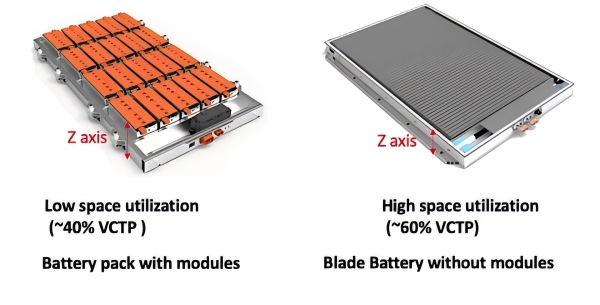
Figure 7 schematic diagram comparing BYD's blade battery structure with conventional module batteries
High-temperature electrolyte additives: Battery manufacturers add specialized additives to the electrolyte (such as the high-temperature electrolytes developed by companies like CATL). This can effectively raise the decomposition temperature of the electrolyte, suppress the excessive growth of the SEI film and gas generation under high temperatures, thereby significantly improving the battery's cycle life and storage stability in high-temperature environments.
Dynamic fast-charging power adjustment: When using DC fast charging during hot summer weather, the vehicle's BMS dynamically limits the charging power based on the battery's real-time temperature. If the battery temperature becomes too high, the charging speed automatically slows down. This is a key protective measure taken by the system to prevent thermal runaway and is now widely implemented in all intelligent electric vehicles.
Parking thermal control and remote management: When the vehicle is stationary in hot weather, if the battery temperature exceeds a safety threshold, the system automatically activates the cooling system to lower the battery temperature. Users can also remotely activate the in-car air conditioning in advance via a mobile app. This not only reduces the cabin temperature but the cooling process also helps indirectly lower the ambient temperature around the battery pack.
Energy management strategies: In hybrid electric vehicles, the powertrain system more intelligently distributes the load between the electric motor and the engine under high temperatures to prevent the battery from overheating due to sustained high-power discharge. In pure electric vehicles operating in a "High-Temperature Mode," the peak power during rapid acceleration may be moderately limited to protect the battery.
The prospects of low-temperature batteries and the potential of sodium-ion batteries
Analyzing the current market response (such as the relatively low market share of electric vehicles in cold regions), future battery technology will develop towards being more cold-resistant and versatile. In addition to the aforementioned improvements in lithium battery technology, sodium-ion batteries, as an emerging technological pathway, demonstrate unique inherent advantages in low-temperature performance and have become a focal point for the industry.
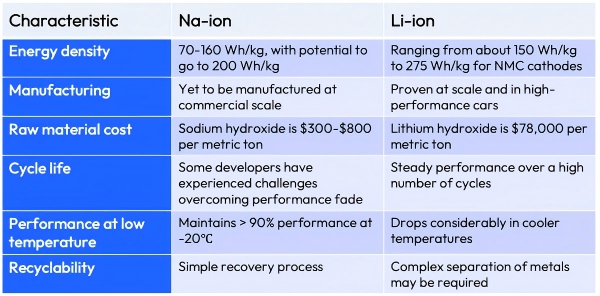
Figure 8 data comparison between sodium-ion batteries and lithium-ion batteries
Sodium-ion batteries typically maintain a higher capacity retention rate at low temperatures compared to lithium-ion batteries. Sodium-ion batteries utilizing high-quality biomass-derived hard carbon anodes can retain 87.5% of their room temperature (25℃) discharge capacity even at -30℃. Furthermore, modified specific cathode materials can enable sodium batteries to maintain approximately 90% of their capacity at -20℃. The core reasons lie in:
Superior interfacial ion transport: Sodium ions have a smaller Stokes radius and lower solvation energy in the electrolyte. This means that at low temperatures, the desolvation process of sodium ions at the electrode interface encounters a lower energy barrier and proceeds faster, which is a critical step determining the rate of low-temperature performance.
Slower increase in internal resistance: At low temperatures, the increase in charge transfer impedance for sodium-ion batteries is more gradual compared to that of lithium-ion batteries. This allows them to maintain relatively better power output capability.
Although the current energy density of sodium-ion batteries is generally lower than that of top-tier lithium-ion batteries, their excellent low-temperature performance, cost potential, and abundant resource availability give them broad application prospects in scenarios demanding high low-temperature performance and cost sensitivity. These scenarios include energy storage in cold regions and light-duty electric vehicles.
High and low temperature testing—the safety cornerstone for all-weather applications
As battery applications expand from ground level to deep sea, high altitude, and even space, the environmental temperature challenges they face become increasingly severe. Consequently, high and low temperature testing has evolved from a validation method in the research and development phase to an indispensable "safety and performance touchstone" before a product reaches the market.
Every winter, at extreme cold testing grounds such as in Yakeshi, Inner Mongolia, over a thousand new energy vehicles from both domestic and international brands undergo rigorous winter testing. These tests not only verify the battery's range, charging, and starting capabilities under extreme low temperatures but also examine the reliability of the coordinated operation of the vehicle's entire thermal management system. In February 2026, Changan Automobile reportedly conducted its first tests using sodium-ion batteries (Naxtra), employing sodium-ion cells supplied by CATL for this evaluation.
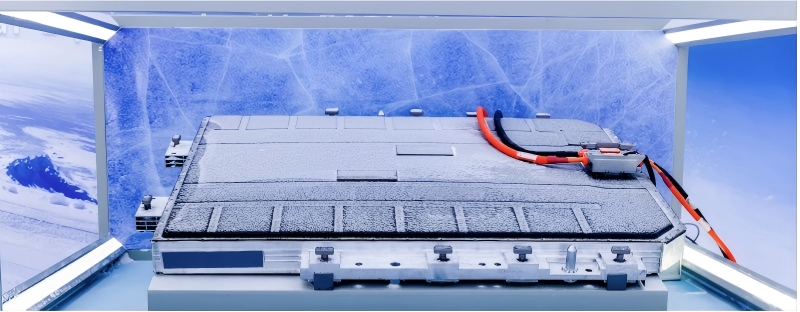
Figure 9 CATL's sodium-ion battery pack (Naxtra February 5, 2026)
The importance of future high and low temperature testing will become increasingly prominent
Ensuring the safety baseline: Testing can expose potential hazards such as thermal runaway and lithium dendrite growth in advance, serving as a crucial line of defense for preventing safety incidents.
Enhancing user experience: By simulating extreme conditions from different climate zones worldwide, testing ensures that products can deliver a stable and reliable experience to users across the globe.
Driving technological iteration: The data obtained from testing provides the most direct feedback and direction for the research and development of the next generation of wide-temperature-range, high-safety battery materials.
High and low temperature testing will not only continue to assist in the R&D and performance validation of low-temperature lithium-ion batteries but will also provide reliable electrochemical data reports to support the full-scale market entry of sodium-ion batteries. The electric products we use, after undergoing rigorous high and low temperature performance testing, will be better equipped to withstand the seasonal temperature challenges faced by batteries. This will truly enable users to enjoy intelligent electric products that maintain comparable charging speeds, driving ranges, and power output across different temperatures.
Supplement: Some of the information presented above was obtained from the Internet. We are very sorry if there is any infringement! You can contact us for deletion!