Introduction
A toy car will not start, yet its batteries still show a voltage when removed and measured. A flashlight becomes dim, then returns to normal after its batteries are replaced. These experiences can make it tempting to assume that any battery with a measurable voltage should still be usable.
What matters, however, is whether the battery can maintain the voltage the device needs while supplying current. Taking common AA and AAA alkaline batteries as examples, the first step is to distinguish the voltage measured with no device connected from the voltage measured during operation.

Figure 1. AA batteries can share the same size while differing in chemistry and charging requirements
Start with open-circuit voltage and voltage under load
When a multimeter measures a battery with no load connected, it draws very little current, so the reading is close to the open-circuit voltage. Once a device starts operating, the battery must supply current. Its terminal voltage in this state is the voltage under load. These readings represent different operating conditions; one cannot simply substitute for the other when assessing usability.
The difference comes from voltage losses during discharge. Internal resistance, electrochemical reactions and ion transport all affect the output, so voltage under load is generally lower than open-circuit voltage. With other conditions similar, a higher current demand usually produces a larger voltage drop. This drop can increase further as an alkaline battery discharges.
If the voltage under load falls below the device's minimum operating requirement, the device may fail to start or stop running even though some energy remains in the battery. This is one of the main reasons a battery can show voltage but fail to power a device.
Device requirements determine when a battery becomes unusable
Because voltage drop depends on current, the same set of batteries can perform differently in different devices. Starting a toy car's motor usually requires more current than operating a standard clock. Batteries that can no longer run the toy car may therefore still meet the requirements of some low-drain devices.
Devices also differ in their minimum operating voltage. A device with a higher minimum voltage requirement may display a low-battery warning or stop operating sooner. A battery being "unusable" is therefore often specific to the device and operating conditions; it does not necessarily mean that all remaining energy has been consumed.

Figure 2. Flashlights require batteries to maintain a suitable voltage while supplying current
Voltage recovery after disconnection does not mean recharging
If a voltage drop under load causes a device to stop, what happens when the load is disconnected? Once current stops flowing, voltage losses associated with discharge diminish, and the terminal voltage may gradually recover. This explains why a battery measured after removal may show a higher voltage than it did during operation.
Reconnecting the device requires the battery to supply current again, so its voltage may fall once more. The same process can contribute to a flashlight briefly regaining brightness after being switched off for a while. Resting supplies no electrical energy to the battery and should not be mistaken for recharging. The relevant question is still whether the battery can sustain the required load.
Low temperatures further reduce performance under load
Ambient temperature also affects how the same batteries perform. Low temperatures slow electrochemical reactions and ion transport, increasing the voltage drop during discharge. A device that works at room temperature may therefore reach its minimum operating voltage sooner in cold conditions, leading to reduced brightness, a low-battery warning or shutdown.
Some discharge performance may recover when the temperature returns to a suitable range. This improves access to the battery's remaining energy; it does not replenish energy already consumed. Before deciding whether batteries need replacing, consider the temperature at which the problem occurred and check that both the batteries and the device are within their specified operating temperature ranges.

Figure 3. Winter camping illustrates the cold conditions in which battery performance may decline
These situations share a practical lesson: battery usability must be assessed under the conditions in which it supplies power. The next step is to rule out installation and contact problems, then compare performance using suitable replacement batteries, rather than drawing a conclusion from a single voltage reading.
Check specifications, connections and operating conditions
First, confirm the battery specifications. Check the size, type and voltage required by the device. A similar appearance does not guarantee interchangeability, and the same nominal voltage does not imply the same charging method. For rechargeable batteries, also verify the charging requirements.
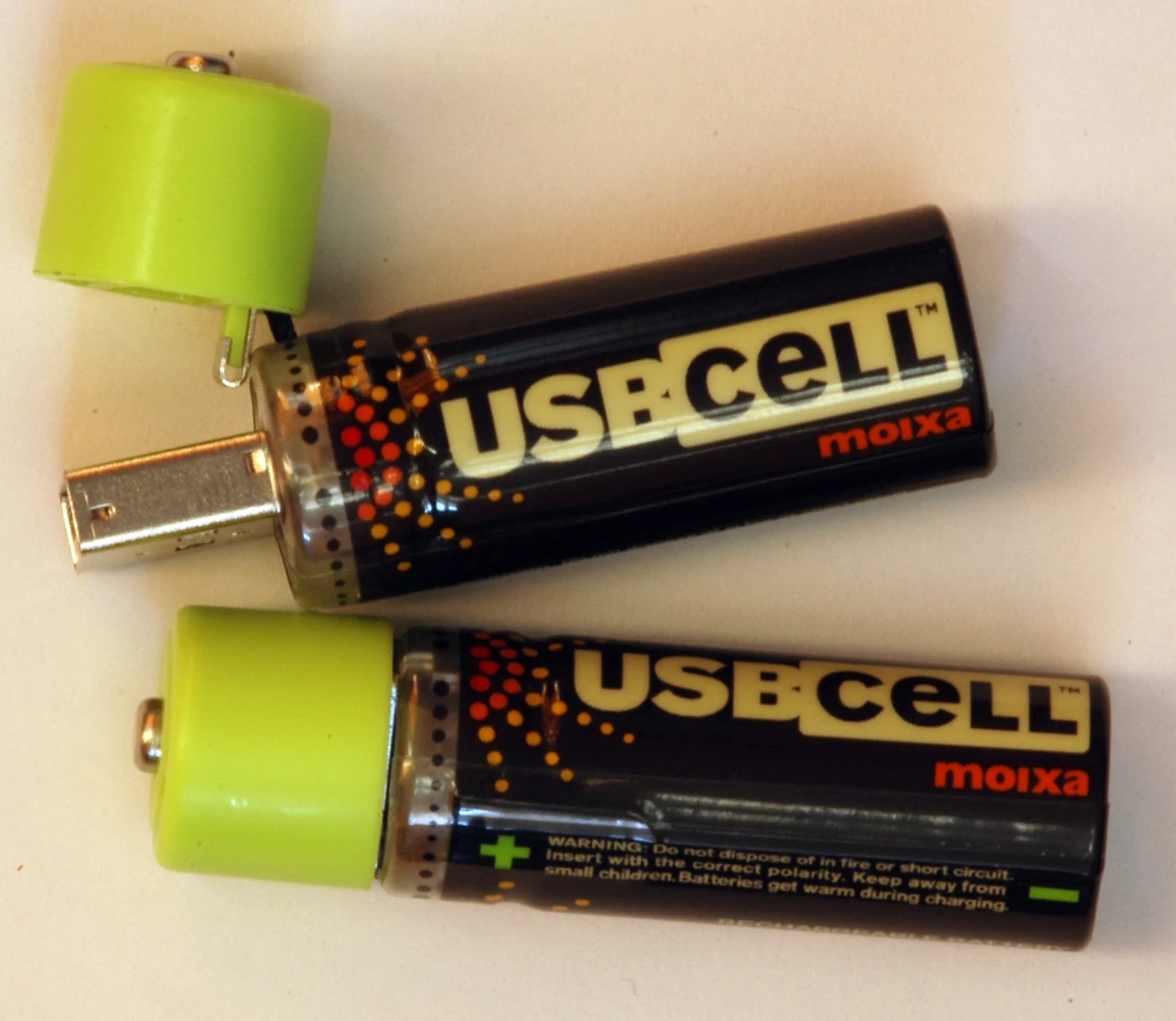
Figure 4. USB-rechargeable NiMH AA batteries: charging requirements depend on the battery design
Next, check installation and contacts. Confirm correct polarity, secure battery placement and firm contacts. Look for visible dirt or corrosion on the contact surfaces. An unreliable connection can interrupt power even when the batteries are in good condition.
Then, compare with suitable replacement batteries. For devices using multiple batteries, replace the complete set as instructed by the manufacturer. Avoid mixing old and new batteries or different types. If normal operation returns, the original set may no longer meet the device's requirements. If the problem persists, inspect the connections or the device itself further.

Figure 5. Check the battery compartment for correct polarity, secure placement and reliable contacts
Finally, consider the environment. If the problem mainly occurs in the cold, check the permitted operating temperatures and observe performance after a return to suitable conditions. Temperature-related performance loss must be distinguished from energy depletion; a single low-battery warning cannot establish the cause.
In everyday use, a voltage reading provides a clue, while performance under the actual load determines whether a battery can continue powering the device. NEWARE can support battery testing to compare sustained power-delivery performance. Please contact customer service to discuss your testing requirements.