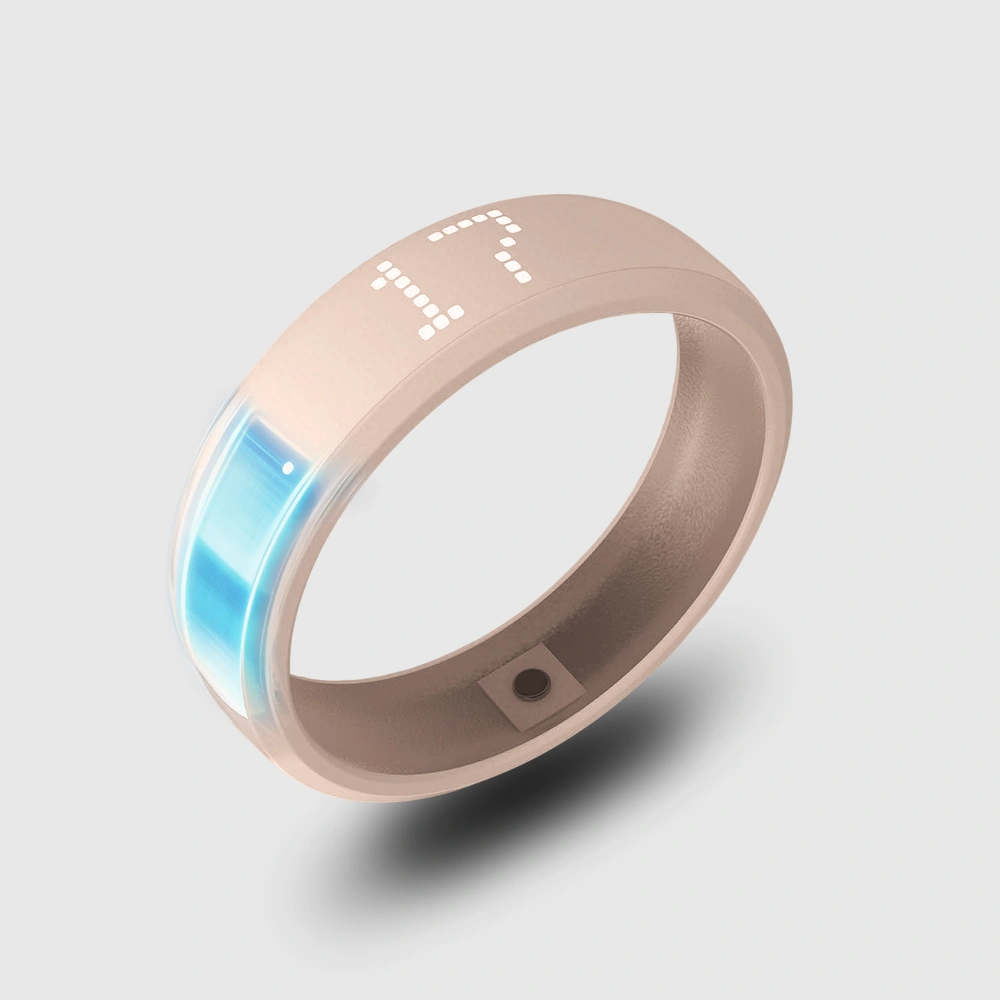
Smart rings are currently the hardware with the most extreme spatial utilization in the consumer electronics field. Within a weight of less than 3 grams and a thickness of less than 3 millimeters, embedding an MCU main control chip, a wireless charging coil, an accelerometer, multi-channel PPG sensors, and a battery is no less difficult than carving on a single grain of rice.
When purchasing, many people tend to only look at the officially advertised "7-day battery life," only to find out after a year of use that it has become electronic waste requiring "one charge per day". The battery life of a smart ring cannot be judged solely by its surface parameters. From the three microscopic dimensions of volume limits, sensor power consumption, and electrochemical decay, this article will comprehensively deconstruct the battery underpinnings of top-tier 2026 smart rings to help you make a truly rational choice.
Smart rings vs smartwatches and how they compare
A smart ring is an ultra-compact wearable device integrated with high-precision biometric sensors. In the current market, more and more consumers are beginning to use it as a replacement for smartwatches, with the core reasons lying in the following four highly pragmatic factors:
Natural physiological advantage of finger measurement: The digital arteries inside the fingers provide a stronger signal source than the wrist, making its data accuracy significantly higher than that of smartwatches when collecting heart rate, blood oxygen (SpO2), and skin temperature.
Unnoticeable and interference-free form factor (sleep savior): Weighing only 2 to 4 grams on average, and free from the distraction of screen blue light and notifications. This resolves wrist fatigue and skin allergies during nighttime wear, allowing imperceptible tracking of deep sleep and REM (Rapid Eye Movement) cycles, and even providing early warnings for fatigue and colds via nighttime resting heart rate.
Eliminating battery anxiety: By eliminating the screen, which is a major power consumer, smart rings can typically run for 5 to 12 days on a single charge, drastically reducing the user's charging frequency.
Stress-free styling for sports and daily life: Whether for strength training, yoga, or business socializing, smart rings (typically made of titanium alloy) are both wear-resistant and premium, perfectly serving as a fashion accessory.
2026 mainstream smart rings: core specs & battery life
What many consumers and buyers do not know is that smart rings do not have a uniform battery capacity. Because rings are scaled proportionally based on finger sizes (usually from size 5/6 to size 13/14), the internal physical space of smaller rings is compressed even more severely.
To provide an objective configuration comparison, the following two tables cut through marketing jargon to deeply summarize the general basic parameters, sized battery capacities, and long-term lifespan stability of mainstream brands. All data uses a consistent centered layout to ensure readability:
Table 1: general specs of top smart rings
| Brand & Model | Core Positioning & Tag | Tested Battery Performance | Core Sensors | Subscription Fee (App Membership) | Waterproof Rating |
| Oura Ring 4 / 5 | Industry Gold Standard / Deep Sleep Tracking | 7 - 8 Days | 18-channel PPG, skin temperature, accelerometer | $5.99/month (Mandatory) | 100m (IPX8) |
| Samsung Galaxy Ring | Tech Giant Ecosystem / Android AI Integration | 6 - 7 Days | PPG, skin temperature, 6-axis motion sensor | Free | 10ATM (100m) |
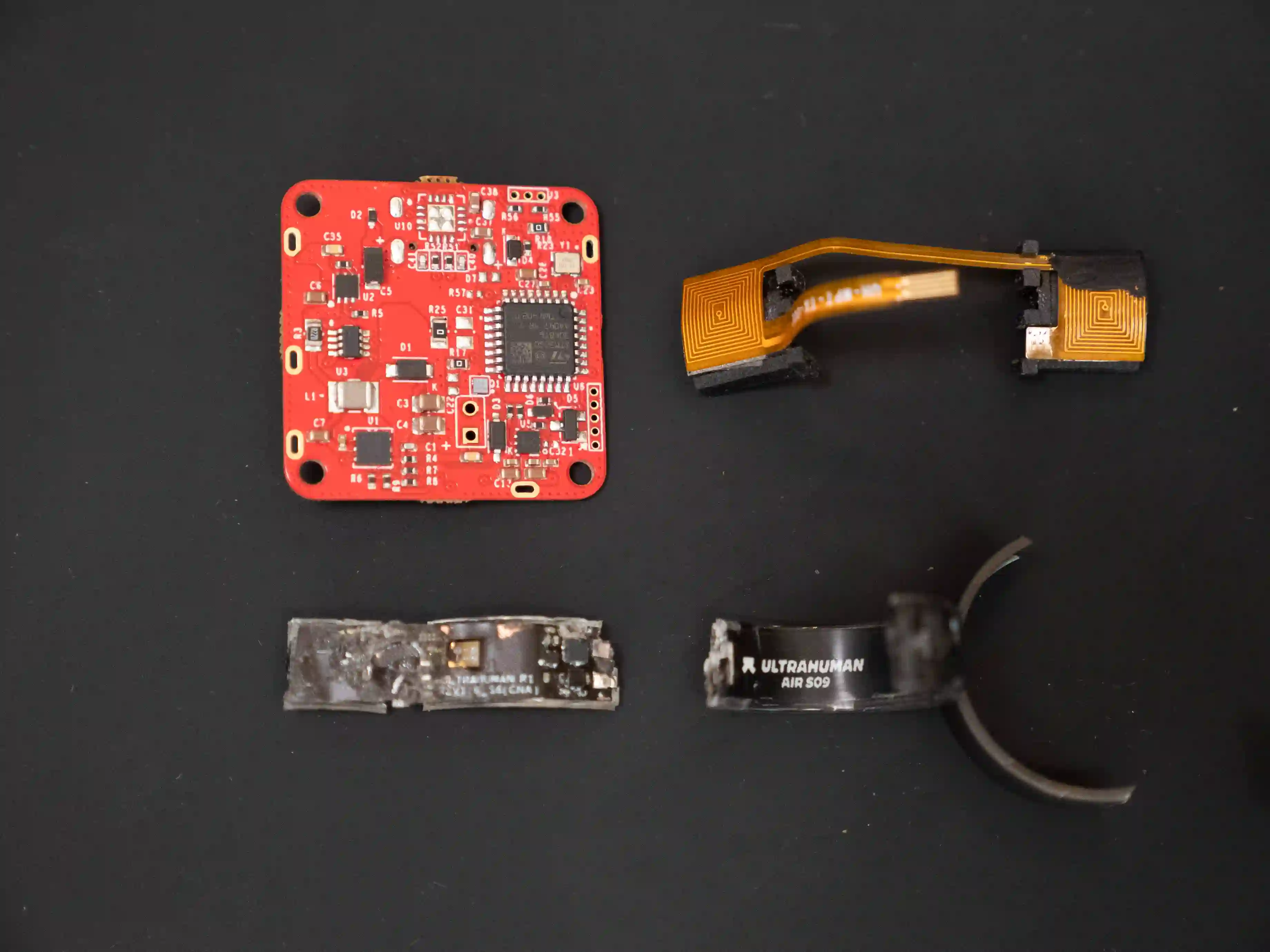
| Ultrahuman Ring AIR | Geeks & Fitness Enthusiasts / Circadian Rhythms | 6 Days | PPG, infrared SpO2, temperature, 6-axis motion | Free | 100m (IPX8) |
| RingConn Gen 2 | Long Battery Life Dark Horse / Worry-free Travel | 10 - 12 Days | High-precision PPG, SpO2, temperature sensors | Free | IP68 / 100m |
| Luna Ring Gen 2 | Mind-Body Balance / Daily Light Monitoring | 5 - 7 Days | Optical PPG, SpO2 blood oxygen, 3-axis accelerometer | Free | 50m (5ATM) |
Table 2: deep dive into battery capacity & hardware risks
| Brand & Model | Size Range & Capacity Changes | Size Sensitivity (Tested Battery Gap) | Long-Term Lifespan Stability & Hardware Risks | Charging Habits Adaptation |
| Oura Ring 5 | Size 6 - 13
15 mAh → 22 mAh | High. The actual battery life of the small size (Size 6) is about 35% shorter than the large size; it requires a charge in 4 days under high-frequency use. | Excellent. Current management is stable, and the battery cell is not prone to swelling. Core Risk: Long-term high-frequency pulsing causes the internal resistance to quickly exceed standards. | Suitable for users who are used to placing the ring on the charging dock while taking a shower. |
| Samsung Galaxy Ring | Size 5 - 13
17 mAh → 23.5 mAh | Extremely High. Under all-weather monitoring, the battery life of the small size is consistently only around 4.5 days, and heat is more noticeable during fast charging. | Average. The thermal effect of fast charging causes significant damage to the battery cell. Core Risk: Heat accumulation causes the micro-battery to swell and push open the outer shell. | Suitable for users with very short fragmented time who need "fast recovery." |
| RingConn Gen 2 | Size 6 - 14
15 mAh → 25 mAh | Low. Leveraging its extremely low sleep power consumption, the small size can still last 7-8 days, while the large size can exceed 12 days. | Good. Depends on the self-discharge consistency of the battery cells out of the factory. Core Risk: Inconsistent self-discharge between batches leads to rapid power leakage in individual rings. | Suitable for completely lazy people and business travelers who frequently travel across countries. |
Hardware design & selection insights:
Consumer side: If your fingers are relatively slender (requiring smaller sizes such as 5, 6, or 7), it is recommended to estimate the actual performance at 60% to 70% of the theoretical maximum battery life when referring to official data.
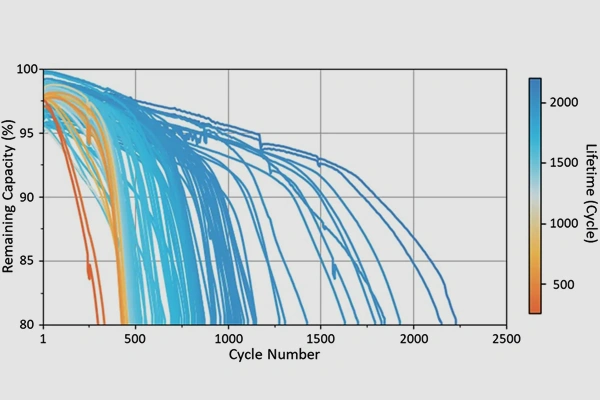
R&D and supply chain side: The micro lithium batteries of small-sized rings operate in a low-capacity range for a long time, which places extremely strict requirements on the control of cut-off voltage and over-discharge protection. In upstream battery cell screening, consistency control in battery cycle testing is the core barrier to preventing hardware "sudden death" or stepped power drops.
In-depth analysis of smart ring brands
1. Oura ring: the gold standard for deep health tracking
As a pioneer in the smart ring category, Oura holds a very high market share and has accumulated mature clinical data globally.
Product line features (Oura Ring 4 / 5): The latest generation utilizes a smart sensing platform that turns the originally raised sensors on the inside of the ring into a smooth, embedded design. This upgrade significantly improves wearing comfort and resolves the issue of data loss caused by the ring rotating on the finger.
Core advantages: It possesses a sleep staging algorithm widely recognized as the most accurate in the industry. Its ecosystem is incredibly powerful, supporting deep integration with Natural Cycles (a women's menstrual health management app), Strava, Apple Health, and Google Health Connect.
Main disadvantages: In addition to the high hardware purchase cost, users must pay a mandatory subscription fee of $5.99 per month to view complete historical health data.
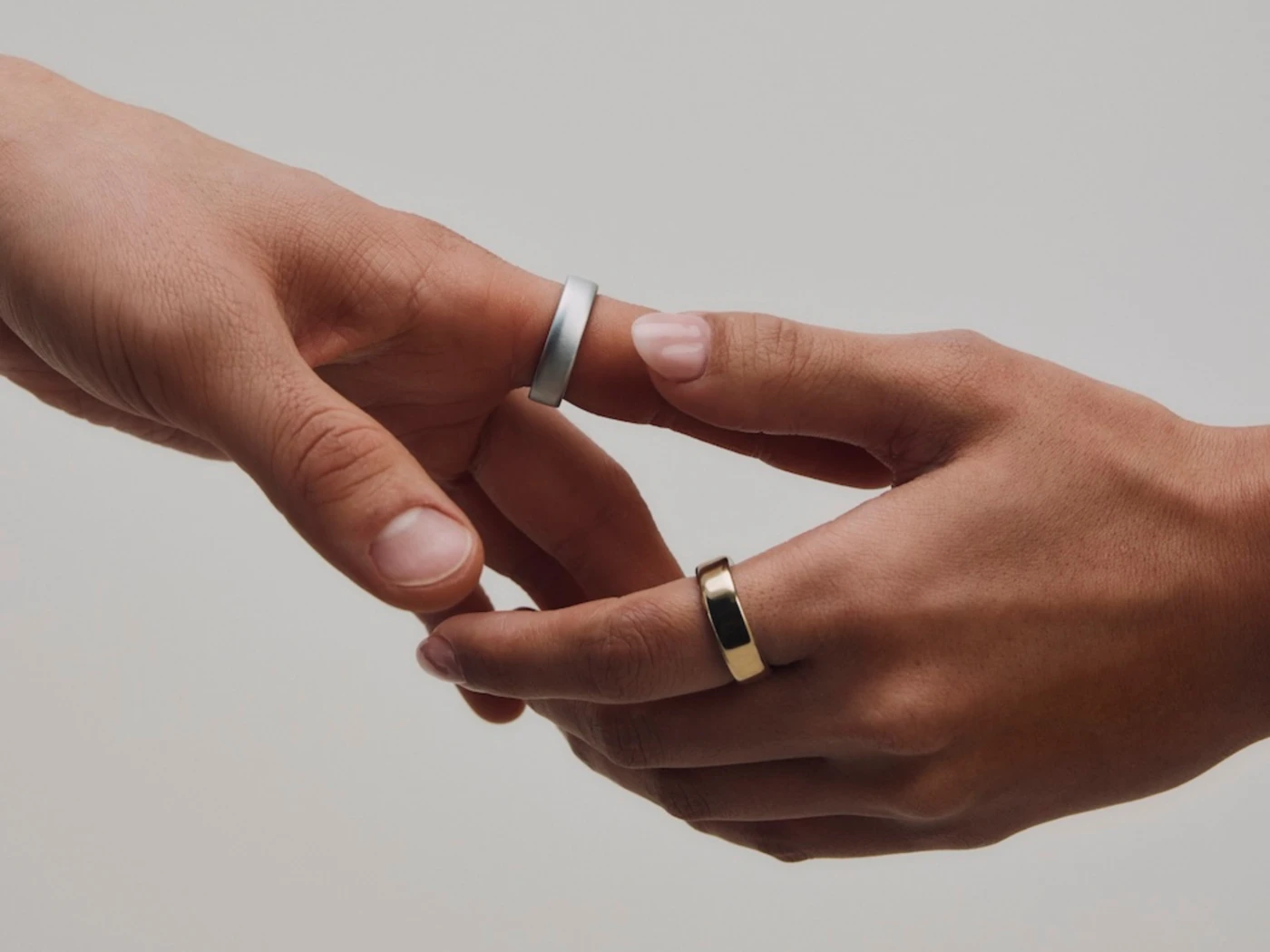
2. Samsung galaxy ring: the heavyweight for android & AI
Leveraging its powerful supply chain and massive user ecosystem, Samsung brings a highly competitive native choice for Android users.
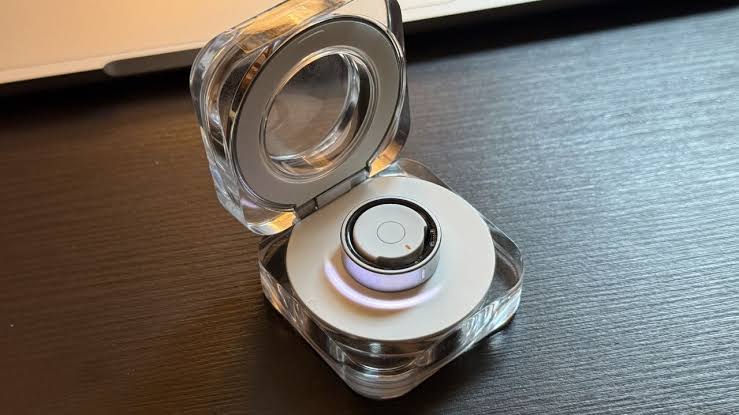
Product line features (Galaxy Ring): The outer shell is crafted from Grade 5 titanium alloy and features a unique concave design. This design not only looks slimmer visually but also effectively reduces scratches during daily wear.
Core advantages: Natively integrated with Samsung's AI technology, it provides users with a comprehensive "Energy Score" (evaluating sleep, activity volume, and heart rate variability). It supports double-pinch gestures to remotely control the phone camera or turn off alarms. Completely free of monthly fees.
Main disadvantages: It currently does not support the iOS system at all. It is only recommended for Android users, especially loyal users within the brand's ecosystem.
3. Ultrahuman ring air: top pick for fitness & tech pros
This brand carries immense appeal among fitness enthusiasts and tech professionals, focusing on providing hardcore physical metabolism and energy data.
Product line features (Ultrahuman Ring AIR / PRO): Famous for its rugged tungsten carbide-coated titanium alloy shell, its software algorithms focus heavily on circadian rhythm tracking.
Core advantages: It can precisely guide users' biological clocks, such as explicitly prompting users in the app when the golden window for caffeine intake is, or when they should get sunlight exposure. There are no hidden subscription fees.
Main disadvantages: The app's user interface is extremely data-dense, which presents a high learning cost for ordinary consumers who only want to know their step counts and basic heart rate.
4. RingConn gen 2: the battery life king with best value
This brand quickly captured market share through a direct-to-consumer model, precisely addressing consumers' pain points regarding frequent charging.
Product line features (RingConn Gen 2): It features a unique "squircle" (square outside, round inside) ergonomic design, which effectively prevents unintentional rotation of the ring on the finger, ensuring the sensors are always precisely aligned.
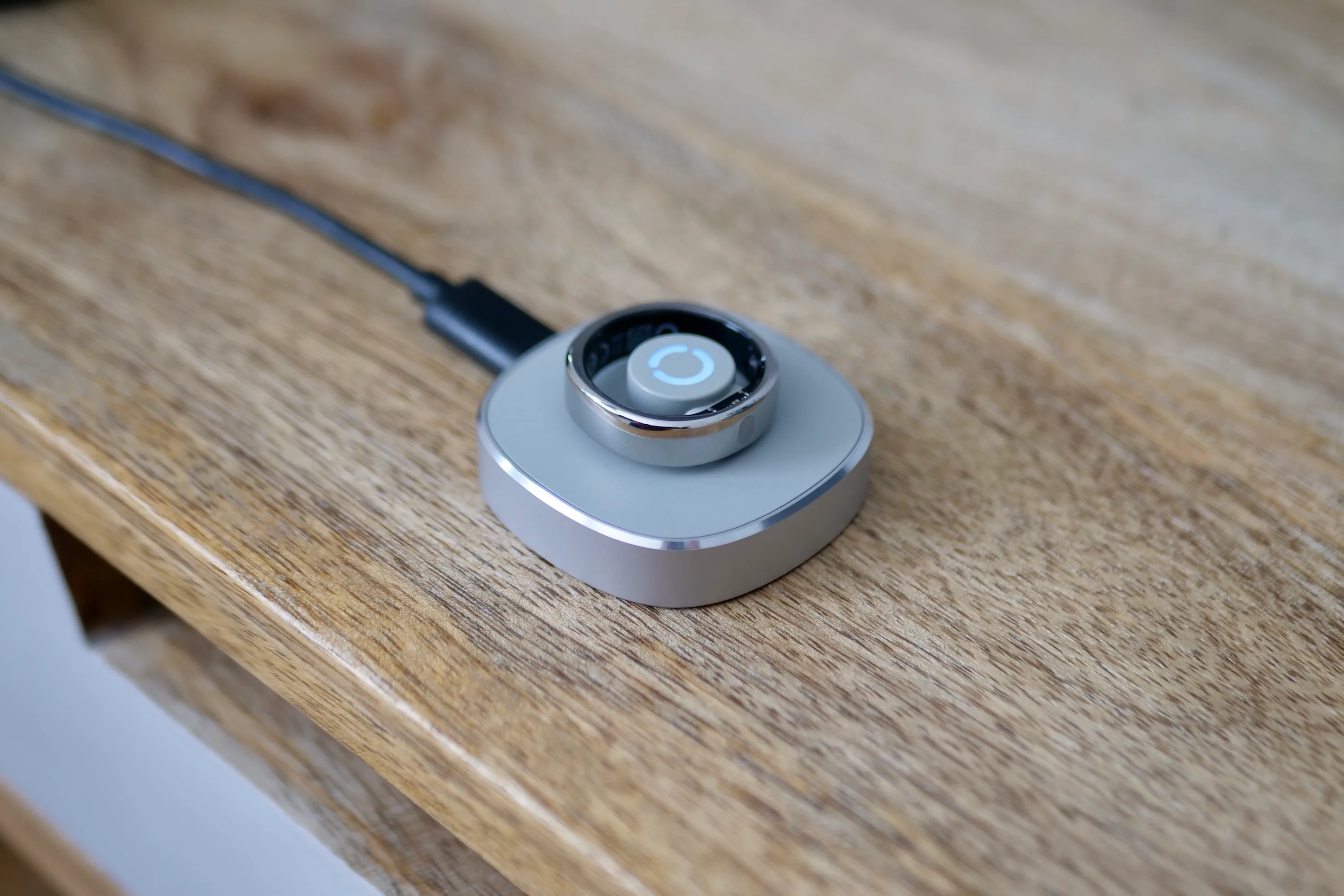
Core advantages: It boasts an astonishing 10 to 12 days of battery life on a single charge. It comes standard with a portable charging case similar to a wireless earbud case, extending the total integrated battery life to over 150 days. The app functions are 100% free with no subsequent fees.
Main disadvantages: As an emerging growth brand, its brand premium in the mass market is slightly inferior to that of traditional tech giants.
5. Luna ring gen 2: best for mind-body balance
This brand primarily targets light users who pursue a balanced lifestyle and want intuitive health monitoring.
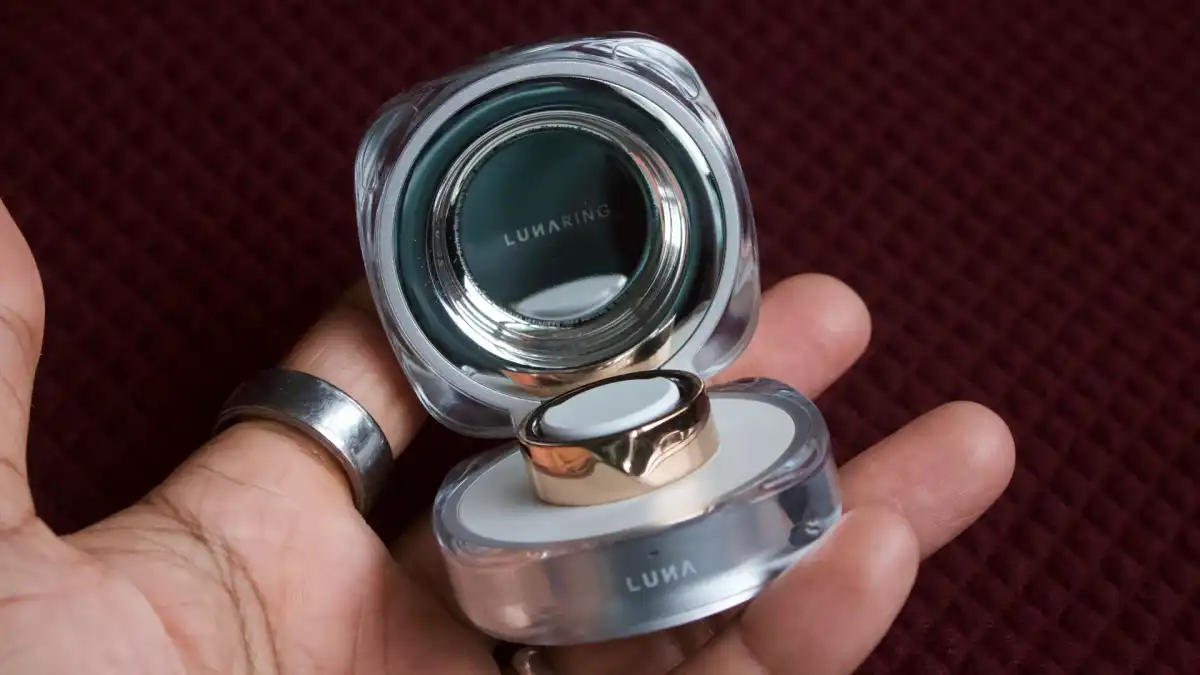
Product line features (Luna Ring Gen 2): It utilizes an advanced PVD process to deliver a stylish appearance, and its companion app interface is highly clean and intuitive.
Core advantages: The core selling point lies in the intuitive presentation of stress management and body recovery scores. It also promises a lifetime free of subscription fees.
Main disadvantages: Its 50-meter waterproof rating is lower than the 100-meter standard of other competitors, and it lacks advanced tracking metrics optimized for high-intensity professional sports.
Final verdict: which smart ring should you buy?
When facing these mainstream brands, consumers usually skip complex parameters and filter directly based on their phone ecosystem, budget, and acceptance of monthly fees:
If you are an iPhone user, pursue the industry's top-tier sleep algorithm, and do not care about the $5.99 monthly membership fee: Buy the Oura Ring 4 or 5 directly. Its accumulation of medical-grade data remains irreplaceable in the current ecosystem.
If you are a Samsung phone user, want a sense of technology and ecosystem integration, and firmly refuse to pay monthly fees: The Samsung Galaxy Ring is the choice with the best native experience. The AI Energy Score and gesture control bring an excellent ecosystem experience.
If you are a "data geek" passionate about biohacking, metabolic management, and optimizing circadian rhythms: Choose the Ultrahuman Ring AIR. It provides the most hardcore physical behavior guidance solutions.
If you value battery life the most, hate frequent charging, and pursue the highest cost performance: The RingConn Gen 2 is the optimal solution. Over ten days of single-charge battery life combined with the charging case makes it perfect for business people who frequently travel.
Pre-purchase pitfall tip: The sizing of smart rings does not perfectly align with the traditional US standard sizes for jewelry rings. Before placing an order, you must have the seller send a "sizing kit" first. It is recommended to wear the plastic model ring on your index or ring finger for over 24 hours (it must experience nighttime sleep) to ensure adaptation to minor finger edema in the morning and evening, and confirm it is correct before submitting the final hardware size.