1. Coin cell clamp
Applicable battery types: Coin cells (CR2032, CR2025, etc.), coin half-cells.
Usage methods and precautions:
Pay attention to distinguish the positive and negative terminals of the battery; the red end is positive, and the black end is negative.
Ensure that the metal contact plates of the clamp that touch the battery cell are free from contamination and corrosion.
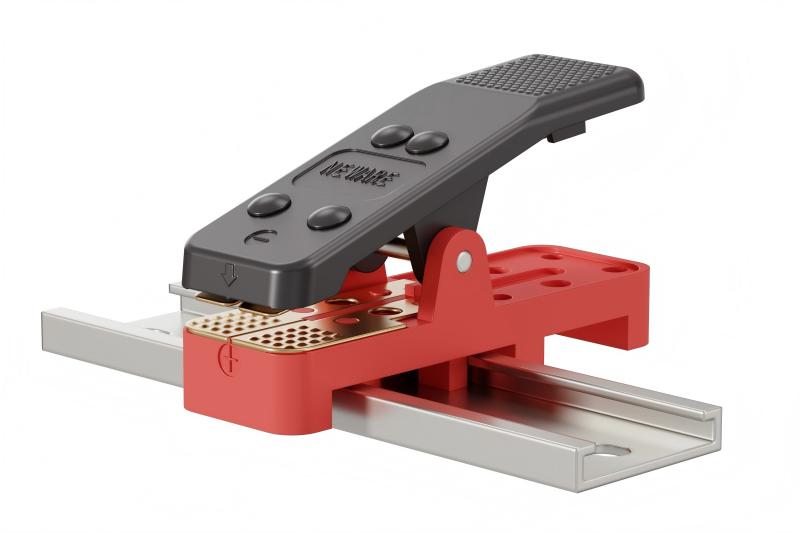
Figure 1 Coin cell clamp
Code | A705-CR-mA-DG |
Contact resistance | ≤50mΩ |
| Operating temperature | -40℉~302℉ (-40℃~150℃) |
Battery thickness | ≤6mm |
Service life | >20000 |
2. Polymer pouch cell clamp
Applicable battery types: Pouch cells, polymer Li-ion batteries.
Usage methods and precautions:
Ensure correct connection of positive and negative terminals: red is positive, black is negative.
Adjust the distance between the positive and negative fixture clamps to match the tab spacing of the pouch cell.
Adjust the distance between the electrode clamp plates to match the width of the battery tabs.
Monitor the temperature changes of the fixture and the battery tabs; stop testing immediately if abnormal heating is detected.
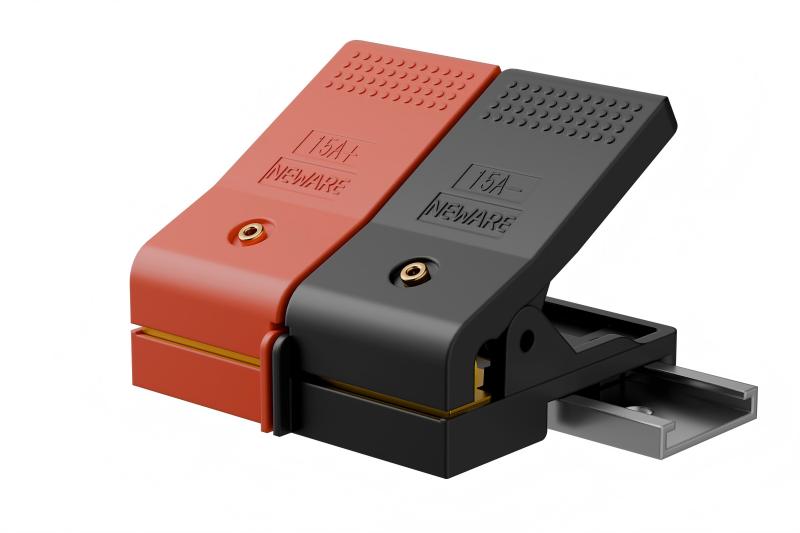
Figure 2 Polymer pouch cell clamp
Code | A705-P-DG-15A A705-P-30A-DG |
Maximum current | ≤15A/≤30A |
Operating temperature | -40℉~302℉ (-40℃~150℃) |
| Contact resistance | ≤1mΩ |
| Service life | >20000 |
3. Alligator clip
Applicable battery types: Three-electrode testing, pouch cells and batteries with leads.
Usage methods and precautions:
① Testing three-electrode systems:
Connect the Current Positive (I+) and Voltage Positive (V+) to the Working Electrode (WE).
Connect the Current Negative (I-) to the Counter Electrode (CE).
Connect the Voltage Negative (V-) to the Reference Electrode (RE).
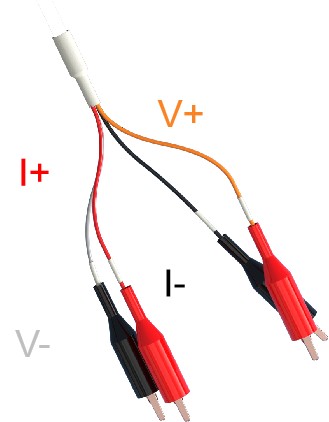
Figure 3 Four-wire connection explanation
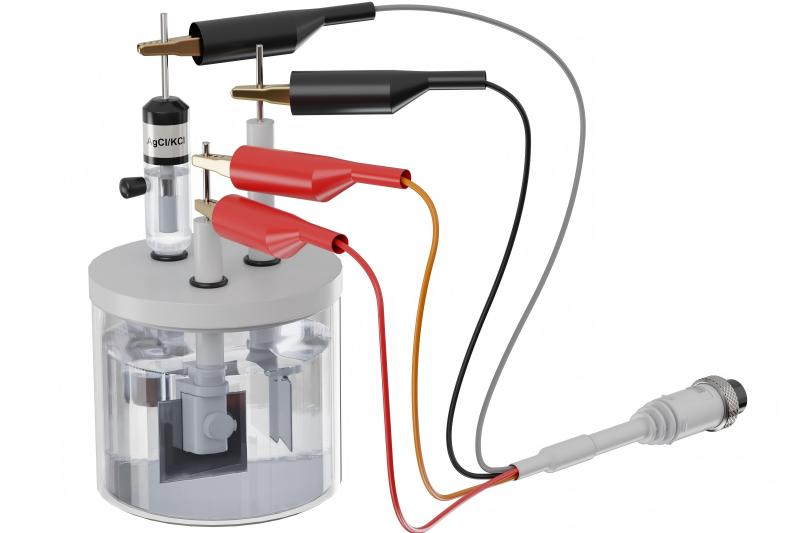
Figure 4 Schematic diagram of three-electrode connection using alligator clip
② Testing pouch cells:
Connect the Current Positive (I+) and Voltage Positive (V+) to the positive tab.
Connect the Current Negative (I-) and Voltage Negative (V-) to the negative tab.
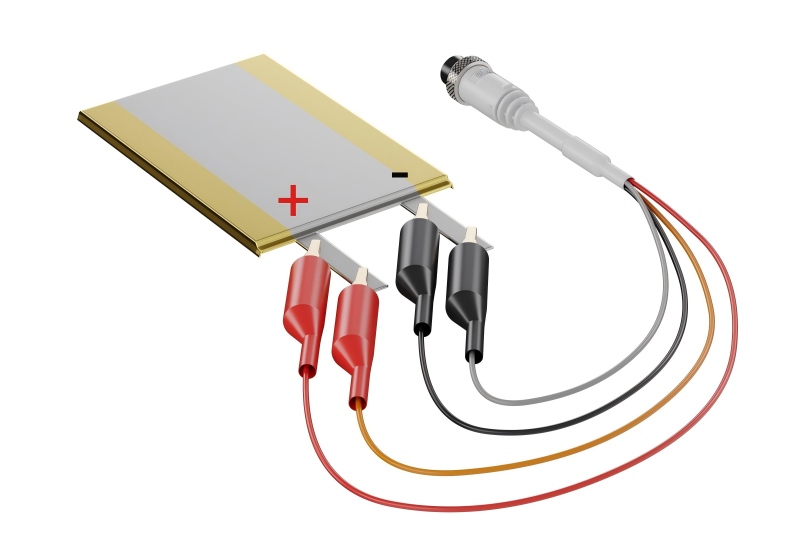
Figure 5 Schematic diagram of pouch cell connection using alligator clip fixture
Correctly distinguish the four-wire current/voltage leads and their polarities (positive/negative).
Absolutely avoid contact between clips of opposite polarity or simultaneous contact with the same conductor to prevent short circuits, which could damage equipment or batteries.
Ensure all battery tab surfaces and alligator clip contact points are clean, free from oxide layers or contamination.
Ensure all clamping points are secure and reliable to avoid loosening during testing.
Avoid moving electrodes or fixtures during testing.
Remove the clips promptly after testing; avoid prolonged clamping.
4. Cylindrical cell fixture
Applicable battery types: Cylindrical cells.
For diameters <18mm, using a fixture panel is recommended for batch testing. For other cases, select appropriate single-cell test fixtures based on battery size and current requirements. Single-cell test fixtures typically use a toggle-controlled clamping method.
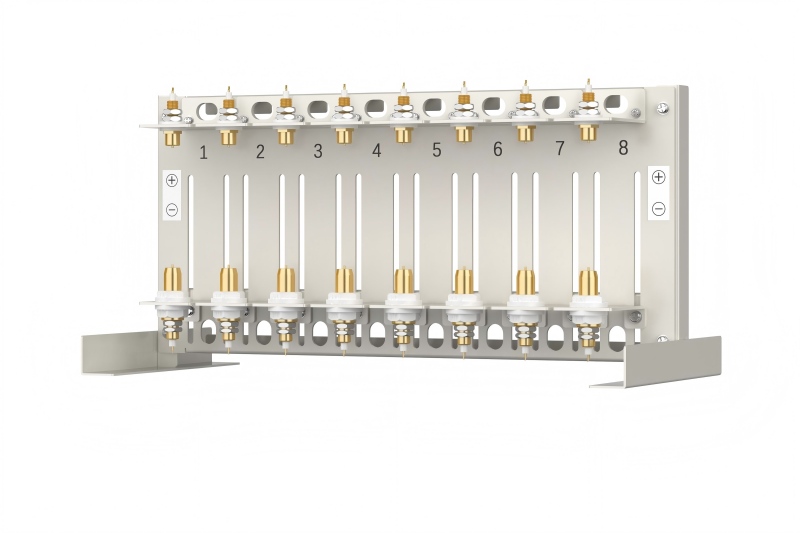
Figure6 Cylindrical cell fixture panel
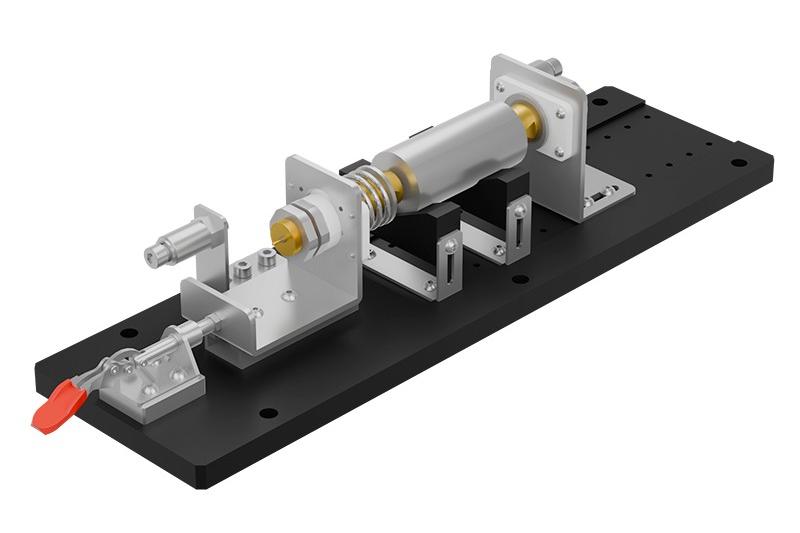
Figure 7 Cylindrical cell toggle fixture
Usage methods and precautions:
Select a fixture with matching dimensions based on the target cylindrical cell model (e.g., 18650, 21700) and diameter.
Connect the positive and negative terminals correctly. Typically, the fixture base connects to the battery negative terminal (case), and the top probe or pin connects to the battery positive terminal (top).
For toggle-type single-cell fixtures, before placing the battery, lift or rotate the toggle handle to create sufficient distance between the upper and lower probes/pins.
After placing the battery, operate the toggle handle, pressing down or tightening smoothly until significant resistance is felt and the battery does not wobble, ensuring tight contact between the probes and the battery terminals.
Key Point: Adjust the probe spacing to clamp the cylindrical cell firmly. After pressing down, the lower probe should be compressed to at least half of its total travel distance to ensure good contact and sufficient contact pressure.
Avoid using excessive force when operating the toggle handle to prevent damage to the battery or fixture.
Regularly check the probes for cleanliness, wear, or deformation, and ensure the springs return normally.
5. Prismatic cell fixture
Applicable battery types: Prismatic aluminum shell batteries, prismatic steel shell batteries, blade batteries, etc.
Usage methods and precautions:
Adjust the fixture's limit blocks or select a matching fixture model based on the battery dimensions (length, width, height) to ensure the battery can be placed stably, avoiding wobbling due to excessive gaps or squeezing due to overtightening.
Correctly distinguish and connect the positive and negative terminals. Usually, the fixture markings or lead colors (red positive, black negative) correspond to the battery polarity.
For fixtures using probe contacts, ensure the probes are aligned with the battery terminals (or tabs) and apply pressure vertically to guarantee sufficient and even contact.
For fixtures using lateral clamping or bottom lifting, apply force steadily and evenly during operation, avoiding impact or tilting to prevent deformation or damage to the battery casing.
During high-current testing, closely monitor the temperature at the connection points.
After testing, release the clamping force promptly and remove the battery.
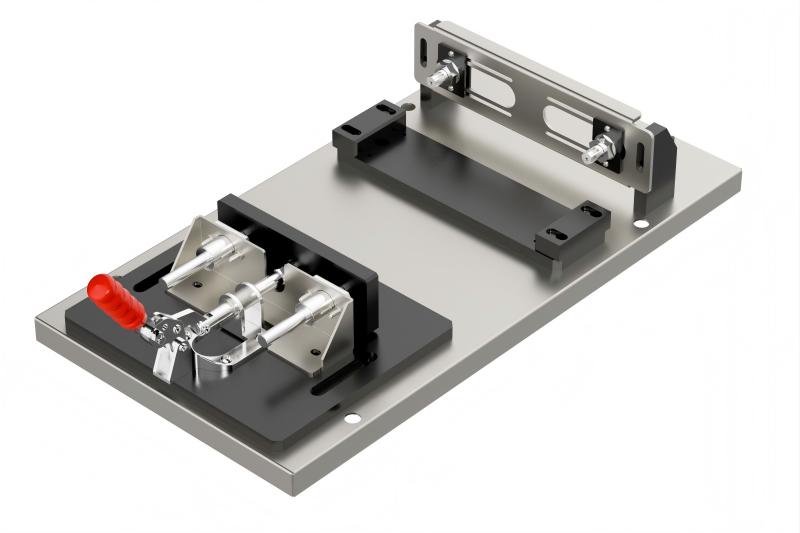
Figure 8 Prismatic cell toggle fixture
6. Solid-state battery mold
Applicable battery types: Semi-solid-state batteries, all-solid-state batteries. The solid-state battery mold is designed in versions with and without built-in pressure sensors.
Usage methods and precautions:
Environmental Requirements: Many solid-state battery materials are sensitive to air (especially moisture and oxygen). Operations should be performed in an inert gas atmosphere glovebox (e.g., argon) or completed quickly in a dry room.
Stack Alignment: Place the solid-state battery components (cathode, solid electrolyte, anode) strictly in sequence and align them properly within the mold, ensuring good interfacial contact between layers, no misalignment, and no short circuits between cathode and anode.
Pressure Control: The mold is typically used with a press. The applied pressure must be precisely controlled according to the characteristics of the solid electrolyte and the experimental plan. Excessive pressure may crush brittle electrolytes, while insufficient pressure leads to poor interfacial contact and high impedance.
Insulation Check: Ensure the insulation components inside the mold are intact to prevent short circuits between the cathode and anode through the mold itself.
Specificity: Note the specificity of the mold. Battery sheets of different sizes, shapes, or pressure requirements usually require specific molds; avoid mixing them whenever possible.
Post-Use Cleaning: After testing, disassemble the mold in a protective atmosphere and clean all components promptly to prevent residue from corroding or clogging the mold.
For requirements needing pressure testing, use a solid-state mold equipped with a pressure sensor and connect it to a pressure data acquisition instrument, as shown in Figure 9.
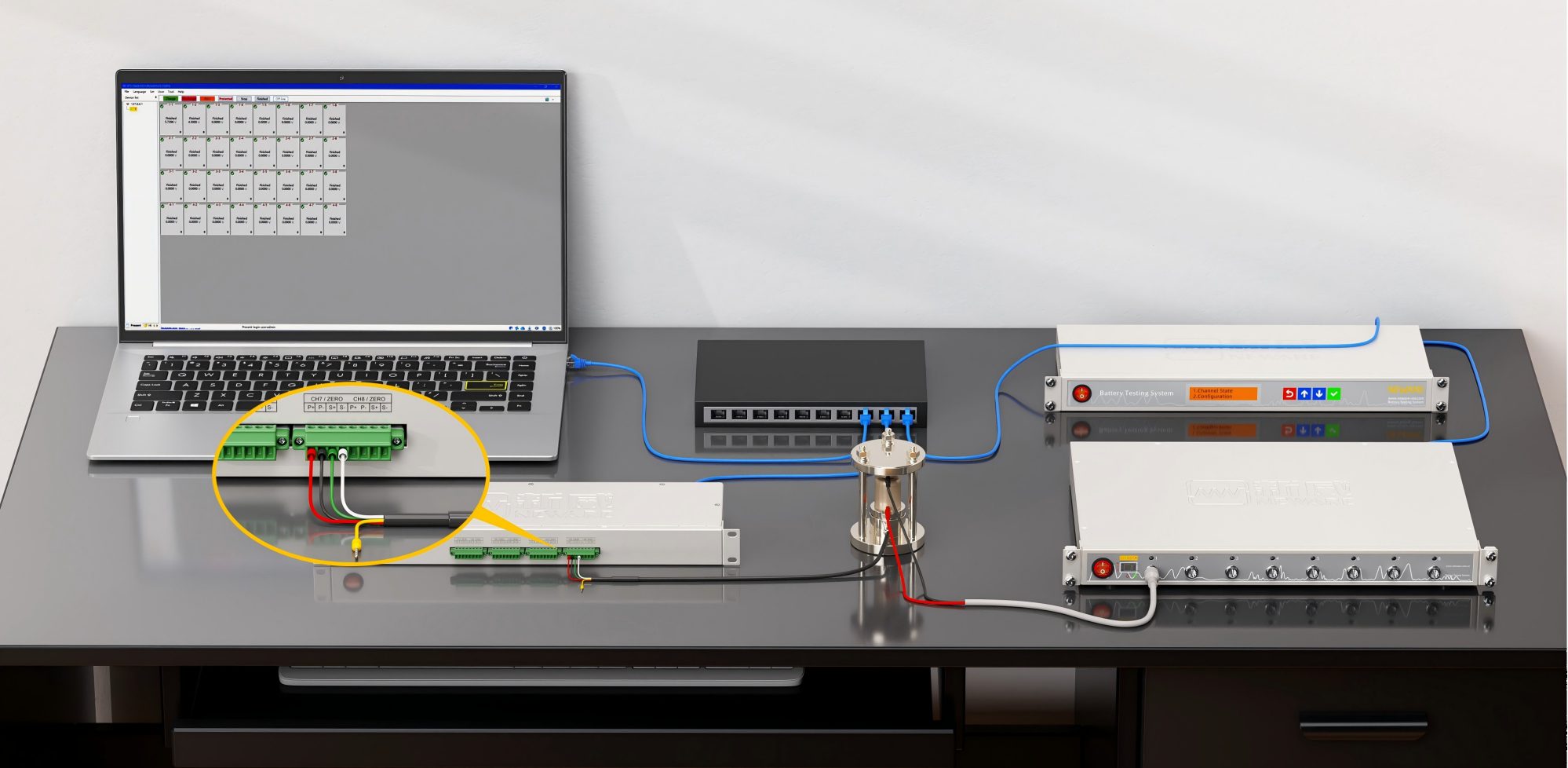
Figure 9 Schematic diagram of in-situ pressure test connection for solid-state mold
7. General safety operating procedures.
Insulation check: Before use, check that the fixture insulation is intact.
Current matching: Ensure the fixture's rated current is greater than the test current.
Cleaning and maintenance: Regularly clean the contact surfaces to maintain good conductivity. Do not clean with harsh chemicals, strong cleaners, or detergents.
Storage requirements: Keep the usage environment dry. Store properly after use to avoid contamination or damage to the contact surfaces.
Abnormal temperature rise: Stop testing immediately, check contact quality, and reduce the test current.