Why clean energy system require batteries
From the first to the second Industrial Revolution, and up to the present day, human lifestyles have undergone tremendous changes due to the widespread adoption of electricity. However, traditional fossil fuel power generation (thermal power) not only consumes fossil energy resources accumulated over hundreds of millions of years but also causes significant environmental pollution. As countries worldwide recognize the urgent need for environmental protection, clean energy sources have become a focal point of energy development. Industries related to nearly inexhaustible sources like solar and wind power are experiencing rapid growth. Yet, both solar and wind energy are characterized by intermittency, which conflicts with the continuous nature of our electricity demand. Batteries can store the electrical energy converted from intermittent solar and wind power and supply it to the grid during peak demand periods. Consequently, new energy power stations are typically equipped with matching battery energy storage systems.
The indispensable stabilizer: the core role of batteries in clean energy systems
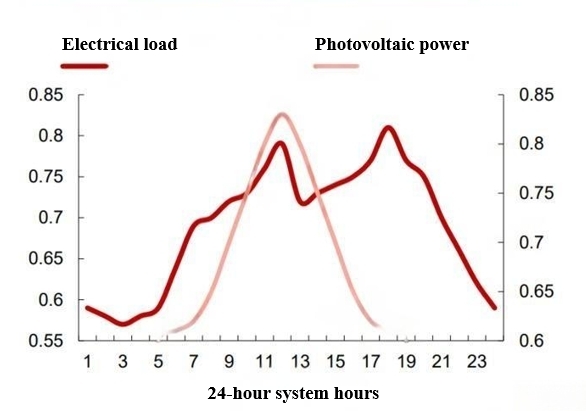
Figure 1 Relationship between solar energy and actual electricity demand over 24 hours
The greatest challenge for clean energy systems lies in their inherent volatility and unpredictability. Solar and wind power generation are intrinsically linked to weather conditions and time of day, whereas societal electricity demand typically spans the entire daytime and several hours into the night, with a few regions experiencing substantial demand throughout the entire night. Batteries are capable of bridging this gap, and their core roles can be summarized in three key points:
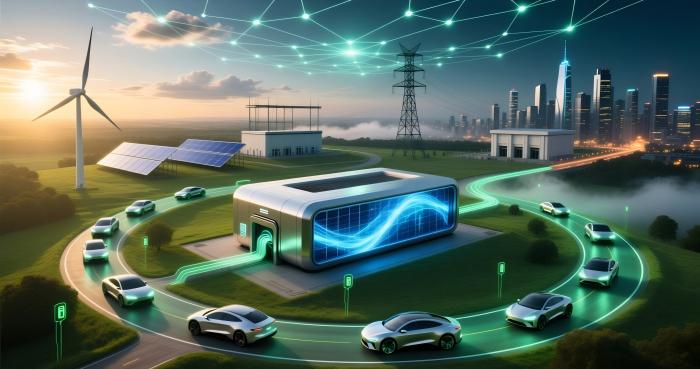
Figure 2 Conceptual diagram of clean energy systems integrated with urban areas
Batteries enable the trans-temporal transmission of energy: they store the surplus electricity generated during periods of abundant wind and solar resources and release it during times of no wind, no sunlight, or peak electricity demand. This achieves "trans-temporal" energy dispatch, fundamentally enhancing the utilization rate of renewable energy and the stability of the power grid.
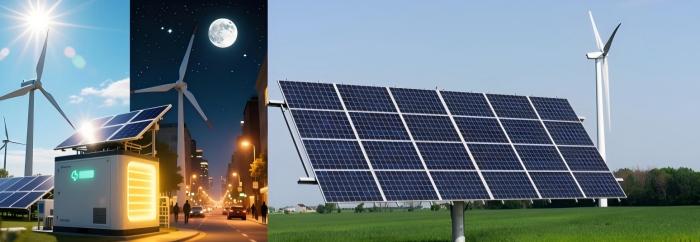
Figure 3 Left: conceptual diagram of trans-temporal dispatch for solar and wind energy; Right: wind turbines and solar panels
Batteries ensure grid security: modern power grids require precise and constant balance of voltage and frequency. Battery energy storage systems can respond to grid commands within milliseconds, providing critical ancillary services such as frequency regulation, voltage support, and reserve capacity. Their response speed and accuracy far surpass those of traditional coal-fired or gas-fired power units, making them indispensable infrastructure for building a highly resilient and intelligent grid.
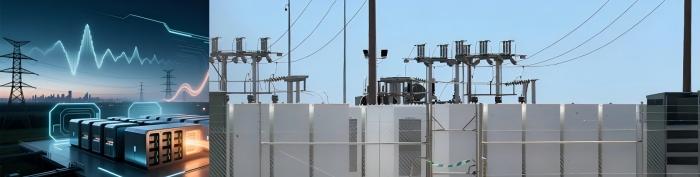
Figure 4 Left: conceptual diagram of battery regulating the power grid; Right: actual project of an energy storage station connected to the grid
Batteries are the engine of green transportation: In the transportation sector, power batteries directly replace fossil fuels, driving the electrification transformation of vehicles. Technological advancements, such as increased energy density and reduced costs, serve as the core driving forces behind the extended range of electric vehicles and their more affordable prices. On a deeper level, electric vehicles themselves can be regarded as mobile distributed energy storage units. In vehicle-to-grid (V2G) interaction scenarios, they can provide the grid with additional flexible regulation resources.
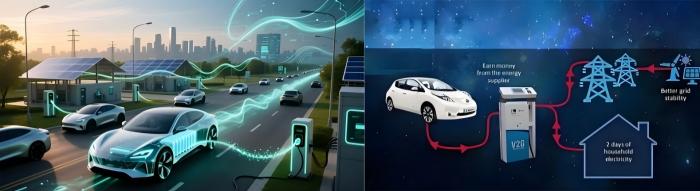
Figure 5 Concept and schematic diagram of electric vehicle connected to the grid (Vehicle-to-Grid, V2G)
Global practice: the integration of batteries and clean energy systems
Clean energy power generation systems inevitably integrate with energy storage power stations. Across the globe, large-scale clean energy power plants equipped with storage facilities are already continuously supplying electricity to cities with massive power demands.
Intense competition has emerged in the field of grid-level large-scale energy storage. Tesla's introduced "Megablock" system modularizes and prefabricates energy storage stations, enabling rapid deployment like building blocks, with a single block capacity as high as 20 megawatt-hours, significantly reducing construction costs and timelines.
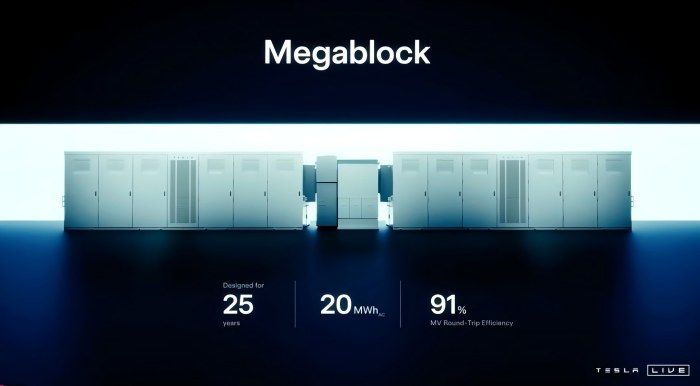
Figure 6 Tesla megablock system (composed of 4 megapack 3 units)
Chinese players are rising strongly, leveraging technological innovation and cost advantages. Sungrow's PowerTitan 3.0 Plus system increases single-cabinet capacity to 12.5 megawatt-hours, leading in metrics like energy density and cycle life. CATL not only supplies battery cells but has also launched its "Tianheng" energy storage system (6.25MWh), which continuously breaks through in capacity, forming a complex dynamic with Tesla of being both a supplier and a competitor. These behemoths are being deployed globally to replace traditional thermal power plants and stabilize regional grids. For example, Tesla's system has helped Oahu, Hawaii, shut down its last coal-fired power plant.
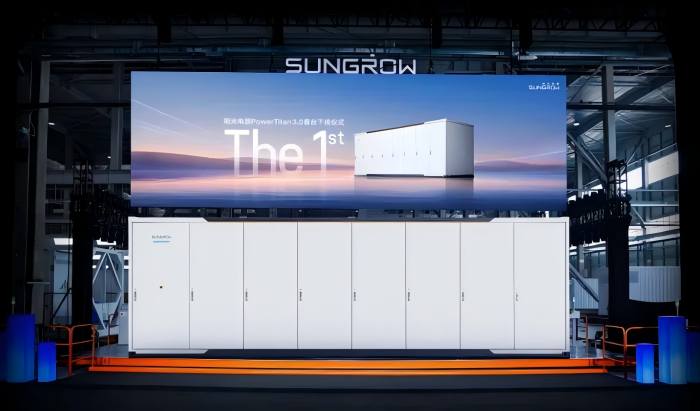
Figure 7 Sungrow PowerTitan 3.0 system
At the level of regional energy integration and trading, batteries play an even more intelligent role. The 60 MW/120 MWh smart energy storage project jointly developed by Croatia and Slovenia utilizes Tesla Megapacks. It serves not only for energy storage but also deeply participates in grid ancillary services, intraday power trading, and the electricity balancing market. The project aims to build a "virtual battery network" connecting renewable energy producers and consumers, supporting energy stability and independence across the entire Southeastern Europe region. This reveals the future of batteries: they are not merely energy storage devices, but highly intelligent nodes for energy asset management and trading.
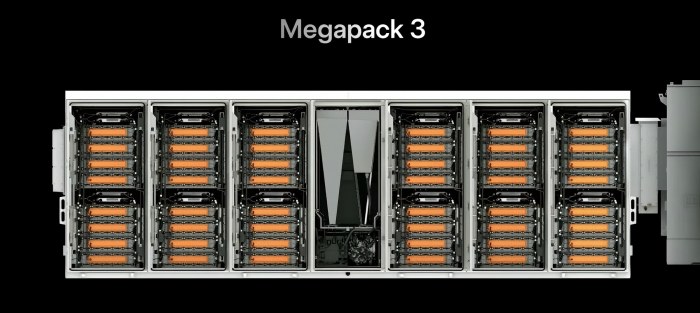
Figure 8 Tesla megapack 3
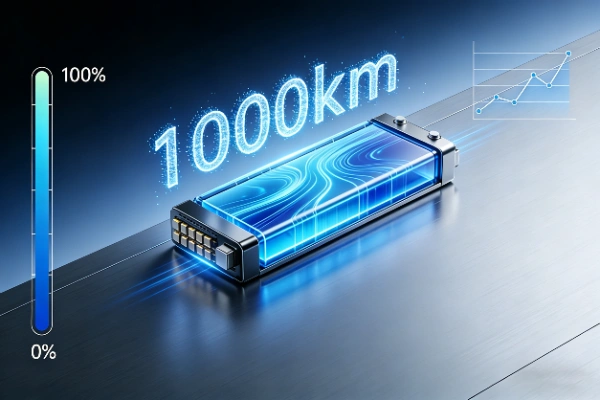
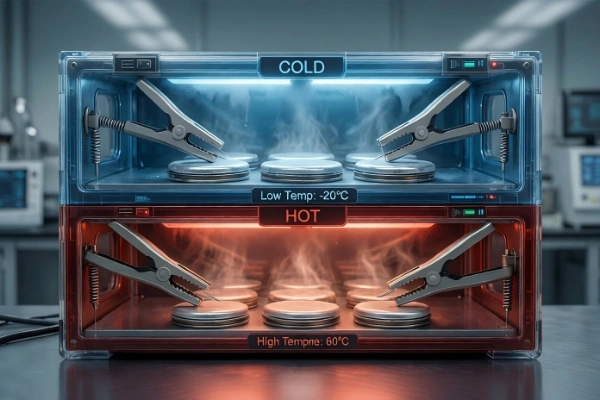
In terms of transportation-energy integration, retired batteries from electric vehicles are not an endpoint but rather the beginning of a "second life." Initiatives such as the "Battery Bank" developed by companies like BMW repurpose retired traction batteries for applications including home photovoltaic energy storage and backup power for 5G base stations, thereby unlocking their residual value. CATL's newly released "Shenxing Pro" long-life battery, designed for a lifespan of 12 years or 1 million kilometers, extends the service cycle of batteries in the vehicle-use phase from the outset. Simultaneously, its super-fast-charging version achieves a 20-minute rapid recharge in environments as cold as -20℃, addressing charging anxiety in cold regions and promoting the adoption of new energy vehicles across a wider range of climates.
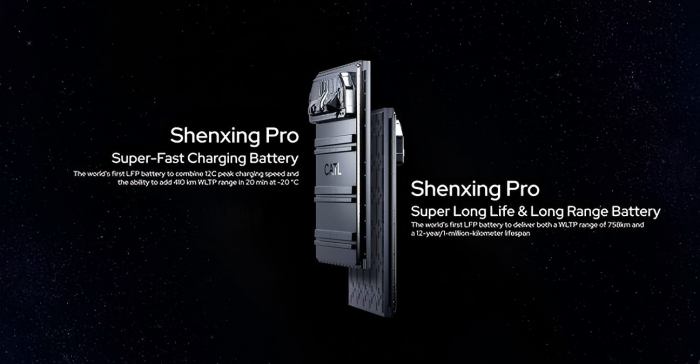
Figure 9 CATL Shenxing Pro long-life battery
Battery performance assurance: battery testing equipment
Behind every high-performance, high-safety battery lies a stringent and precise quality verification system. Battery testing instruments are precisely the performance certifiers and quality inspectors that ensure batteries transition from the laboratory to the market.
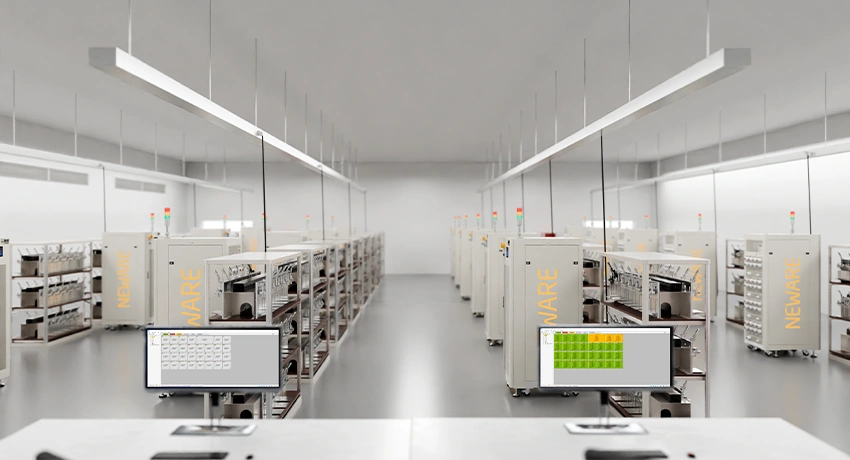
Figure 10 Battery testing laboratory
Currently, the core role of testing equipment is manifested in three levels:
Ensuring fundamental performance and consistency. Through high-precision charge-discharge tests and internal resistance tests, it verifies that a battery's capacity, energy, and lifespan meet design standards. It also screens and pairs tens of thousands of individual cells to guarantee consistency across modules and battery packs.
Fortifying the safety line. A series of abuse tests, including insulation withstand voltage, short circuit, and thermal runaway propagation tests, simulate extreme conditions. These tests proactively expose potential defects, ensuring the safety baseline of the battery throughout its entire lifecycle.
Enabling in-depth diagnostics and supporting R&D. Utilizing advanced technologies like Electrochemical Impedance Spectroscopy (EIS), it provides a non-destructive "insight" into the internal health status and aging mechanisms of batteries. This supplies crucial data for developing superior battery materials and system designs.
The development of battery testing equipment is evolving toward the following key directions:
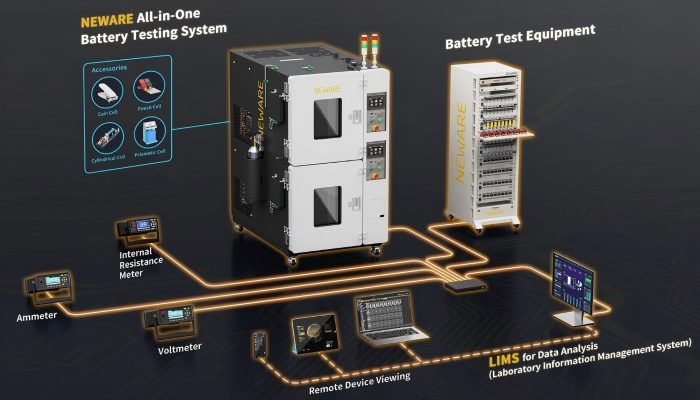
Figure 11 Battery testing equipment connected to smart systems and PCs
Higher reliability, faster speed, and intelligence: traditional charge-discharge tests can no longer meet the increasingly stringent requirements for batteries. The new generation of testers is capable of performing a variety of tests that can better explore battery performance and study underlying mechanisms, such as CV, EIS, GITT, and self-discharge tests. Simultaneously, the equipment is becoming more "intelligent," featuring built-in advanced algorithms that reduce reliance on the expertise of operators.
Future-oriented high-power and full-scenario testing capabilities: with the proliferation of 800V high-voltage platforms, ultra-fast charging, and even megawatt-level energy storage systems, testing equipment must address higher voltage, current, and power challenges. Leading manufacturers have introduced feedback-based charge-discharge test systems with efficiency exceeding 96% and power reaching the megawatt level to tackle the energy consumption and cost issues associated with high-power testing. Concurrently, testing needs to cover the full scale range, from miniature consumer electronics cells to automotive large-cylindrical cells (such as the 4680), and further to giant energy storage battery clusters.
Multi-physics integration and full lifecycle verification: the performance and safety of batteries result from the coupling of multiple factors such as electricity, heat, and mechanics. Future testing platforms will integrate high-precision electrical parameter measurement, thermal imaging (infrared camera), vibration, and stress-strain analysis to conduct synchronized multi-physics field testing. This enables more comprehensive performance evaluation and fault diagnosis. Furthermore, testing will span the "full lifecycle" of batteries—from research and development, production, and usage to recycling—to comply with the stringent traceability and sustainability requirements of emerging regulations like the EU's "Battery Passport."
Battery and its tester in future
Batteries will become increasingly vital in the future. As the core of clean energy systems, the advancement of battery technology is a crucial pathway to achieving the vision of zero-carbon development. To ensure the safety and reliability of batteries and to develop higher-performance batteries, various supporting facilities related to batteries are essential. Among them, battery testing instruments are critical equipment directly responsible for performance testing. Faster, more intelligent, and more integrated testing instruments will also become an important component of the future energy network.
Supplement: Some of the above materials are from the Internet. We are very sorry if there is any infringement! You can contact us for deletion!