The basic introduction of inductively coupled plasma mass spectrometry (ICP-MS)
Inductively coupled plasma mass spectrometry is an analytical technique that combines ICP technology with mass spectrometry. ICP-MS is an inorganic element and isotope analysis and testing technology developed in the 1980s. It combines the high-temperature ionization characteristics of inductively coupled plasma with the advantages of sensitive and rapid scanning of mass spectrometer with unique interface technology to form a high-sensitivity analysis technology. Since the advent of the first commercial instrument in 1984, this technology has been rapidly developed from the initial application in geological science research to widely used in materials, chemical industry, biology, medicine, metallurgy, petroleum, environment and other fields.
The principle of inductively coupled plasma mass spectrometry (ICP-MS)
ICP-MS can be regarded as an instrument for the combination of ICP and MS. The main principles of ICP-MS can be divided into the following three points (as shown in Figure 1) :
In ICP-MS, ICP acts as an ion source. It uses a high-frequency RF signal to strengthen the high-power on the inductor coil to form a high-temperature plasma inside the coil, and through the promotion of gas, it ensures the balance and continuous ionization of the plasma. The sample is sent to the atomizer by the peristaltic pump to form an aerosol, which is brought into the central area of the plasma torch by the carrier gas, and evaporation, decomposition, excitation and ionization occur. The high temperature plasma makes the elements in most samples ionize an electron to form a monovalent cation.
The ions in the plasma are effectively transmitted to the mass spectrometer through the interface of ICP-MS;.
Mass spectrometry is a mass screening and analyzer. By selecting ions with different mass-to-nucleus ratios (m/z), the intensity of a certain ion is detected, and then the intensity of a certain element is analyzed and calculated.
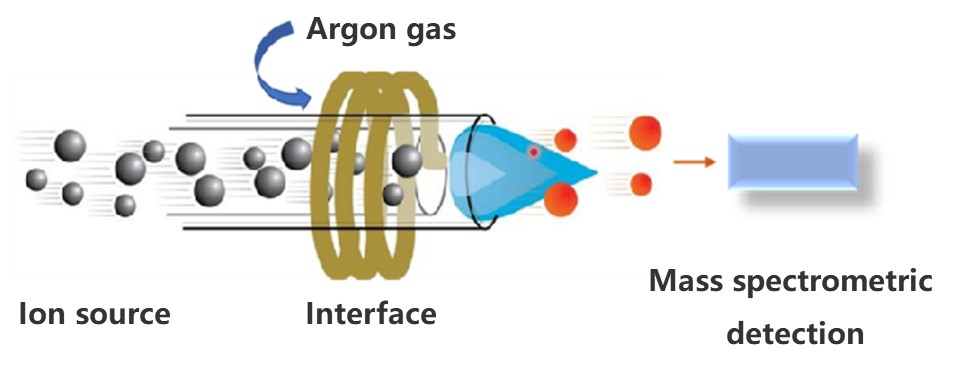
Figure-1-The-principle-diagram-of-ICP-MS
The instrument structure of inductively coupled plasma mass spectrometry (ICP-MS)
The instrument for ICP-MS test is called inductively coupled plasma mass spectrometer, and the standard ICP-MS instrument is mainly divided into three basic parts, namely ICP (sample introduction system, ion source), interface (sampling cone, interception cone) and mass spectrometer (ion focusing system, quadrupole filter, ion detector). The structure is shown in Figure 2.
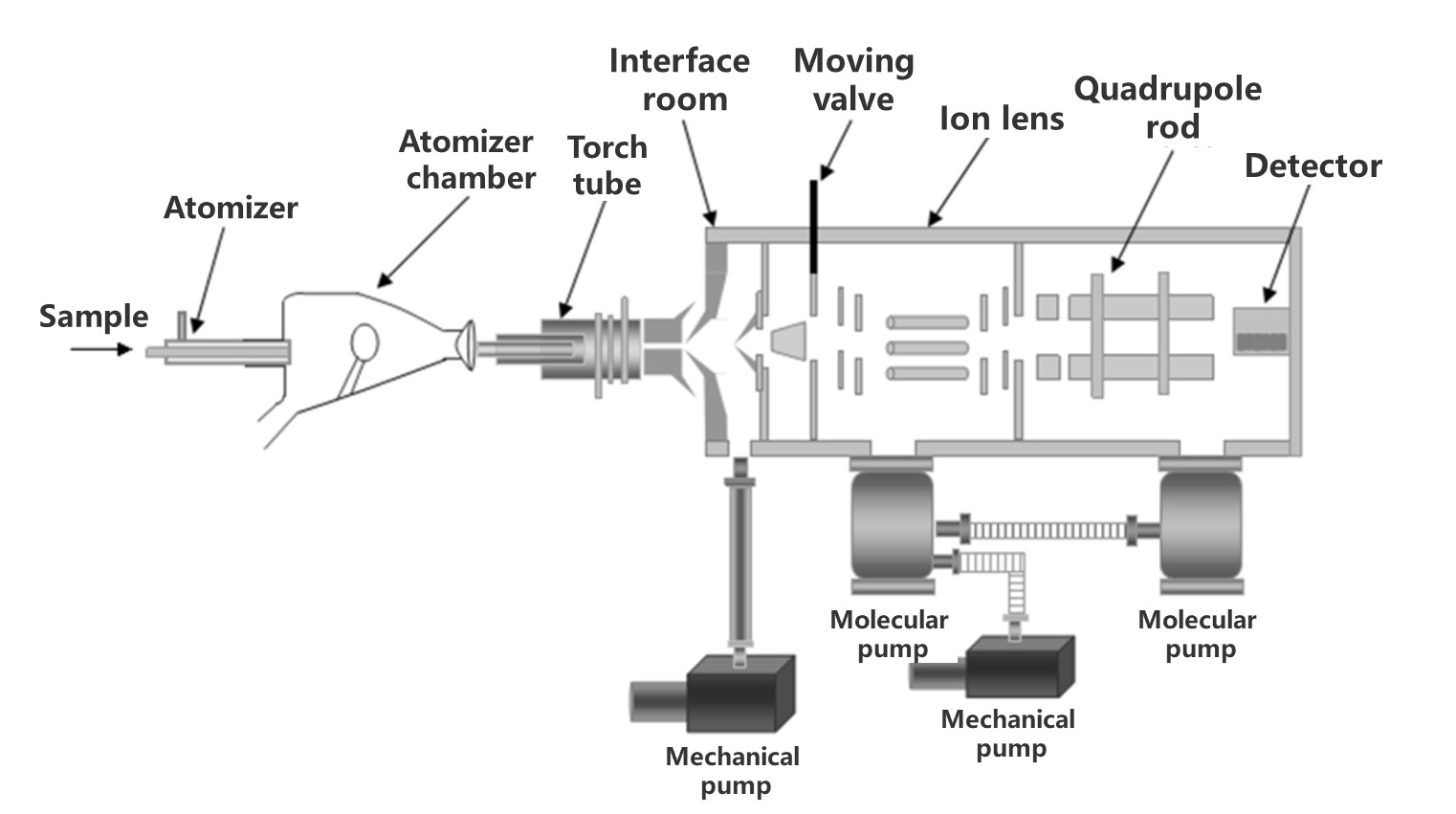
Figure-2-The-structure-of-inductively-coupled-plasma-mass-spectrometer
The characteristics of inductively coupled plasma mass spectrometry (ICP-MS)
ICP-MS has the following characteristics:
The test speed is fast, and the simultaneous determination of multiple elements can be completed, including isotope analysis, morphological analysis of metal elements in organic matter.
High sensitivity, low detection limit.
The spectral line is simple, the selectivity is good, and the interference is less than the spectral technology.
Measurable element surface width, up to more than 80 elements.
The dynamic linear range is wide, up to 7~9 orders of magnitude.
the preparation and introduction of samples are relatively simple compared with other mass spectrometry techniques.
The interference factors of inductively coupled plasma mass spectrometry (ICP-MS)
Although the ICP-MS spectrum is very simple, there are still many unavoidable interference factors, mainly the following:
Mass spectrometry interference: The interference of mass spectrometry (isobaric interference) in ICP-MS is predictable, and its number is less than 300. The mass spectrometer with a resolution of 0.8 amu cannot distinguish them, such as 58 Ni to 58 Fe, 40 Ar to 40 Ca.
Matrix acid interference: HCl, HClO4, H3PO4 and H2SO4 will cause considerable mass spectral interference.
Double-charged ion interference: The mass spectrometry interference caused by double-charged ions is half of the single-charged ion M/Z, such as 138 Ba2+ to 69 Ga+ or 208 Pb2+ to 104 Ru+.
Space charge effect.
Matrix effect.
Electronic interference.
The application of inductively coupled plasma mass spectrometry (ICP-MS)
Due to the advantages of fast scanning speed, high precision and wide detection range, the application of ICP-MS is more and more extensive. At present, the application of ICP-MS mainly involves the following aspects:
Monitoring and analysis of water environment
Monitoring and analysis of soil environment
The semiconductor industry material impurity analysis
Steel and non-ferrous metal analysis
Petrochemical analysis
Forensic public security analysis
Nuclear industry analysis
And more.
Next, two application cases of ICP-MS will be introduced.
Case 1: Determination of heavy metal elements in soil
ICP-MS plasma mass spectrometry was used to detect the contents of lead, chromium and mercury in soil at the same time. Microwave digestion method was used to correct mass spectrometry interference and non-mass spectrometry interference effectively.
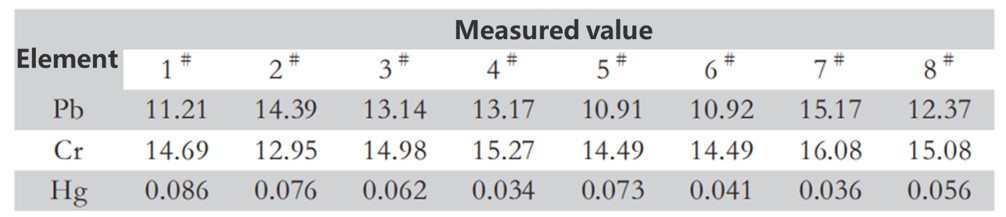
Figure-3-Determination-of-heavy-metal-elements-in-soil
Case 2: Determination of lithium loss in lithium-ion batteries
ICP-MS was mainly used to determine the loss of lithium in lithium-ion batteries, which was used to analyze its relationship with the capacity attenuation of lithium-ion batteries.

Figure-4-Determination-of-lithium-loss-in-lithium-ion-battery