Range anxiety and the challenge of charging speed
As the penetration rate of electric vehicles continues to rise, consumer concerns remain centered on two major pain points: driving range and charging speed. Although it has become common for CLTC range to exceed 600 km, "range anxiety" has not truly dissipated—range degradation in low winter temperatures, rapid power depletion during high-speed driving, and the predicament of queueing at service stations during holidays still constitute the final psychological barrier preventing fuel vehicle users from switching to electric vehicles.

Figure 1 electric vehicles charging at a highway service area
The bottleneck in charging speed is even more prominent. Currently, mainstream fast-charging models still require about 30 minutes to charge from 30% to 80%, far behind the 3-5 minutes needed to refuel a gasoline vehicle. Even as 800V high-voltage platforms gradually become more common, the coverage density of charging networks and power limitations at charging stations still keep the vision of "charging as fast as refueling" at the conceptual stage.
However, in March 2026, the launch of a new vehicle completely transformed this landscape. The Denza Z9GT pure electric version, with a CLTC range of 1,036 km, has become the mass-produced model with the longest pure electric range globally. Even more remarkably, it not only "goes far" but also "charges fast"—with the support of the second-generation Blade Battery and megawatt flash charging technology, electric vehicle replenishment has officially entered the "single-digit minute era."
In-Depth analysis of the Denza Z9GT
The Denza Z9GT boasts multiple leading performance features. The following sections will analyze these features, providing further insight into BYD's advanced technologies.
The secret behind 1,036 km: How was it achieved?
The Denza Z9GT Flash Charging Flagship version features a single-motor (370 kW) rear-wheel drive configuration, equipped with a 122.5 kWh battery pack, achieving an impressive CLTC pure electric range of 1,036 km. Behind this figure lies a dual breakthrough in material systems and structural design achieved by BYD's second-generation Blade Battery. A simple calculation of energy consumption: with a 122.5 kWh battery delivering 1,036 km of range, the average energy consumption per 100 km is only 11.8 kWh. This is a remarkably impressive figure, especially considering that the Z9GT weighs over 2.7 tons.

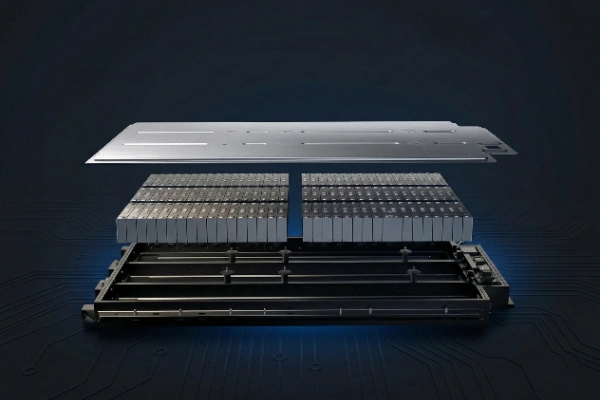
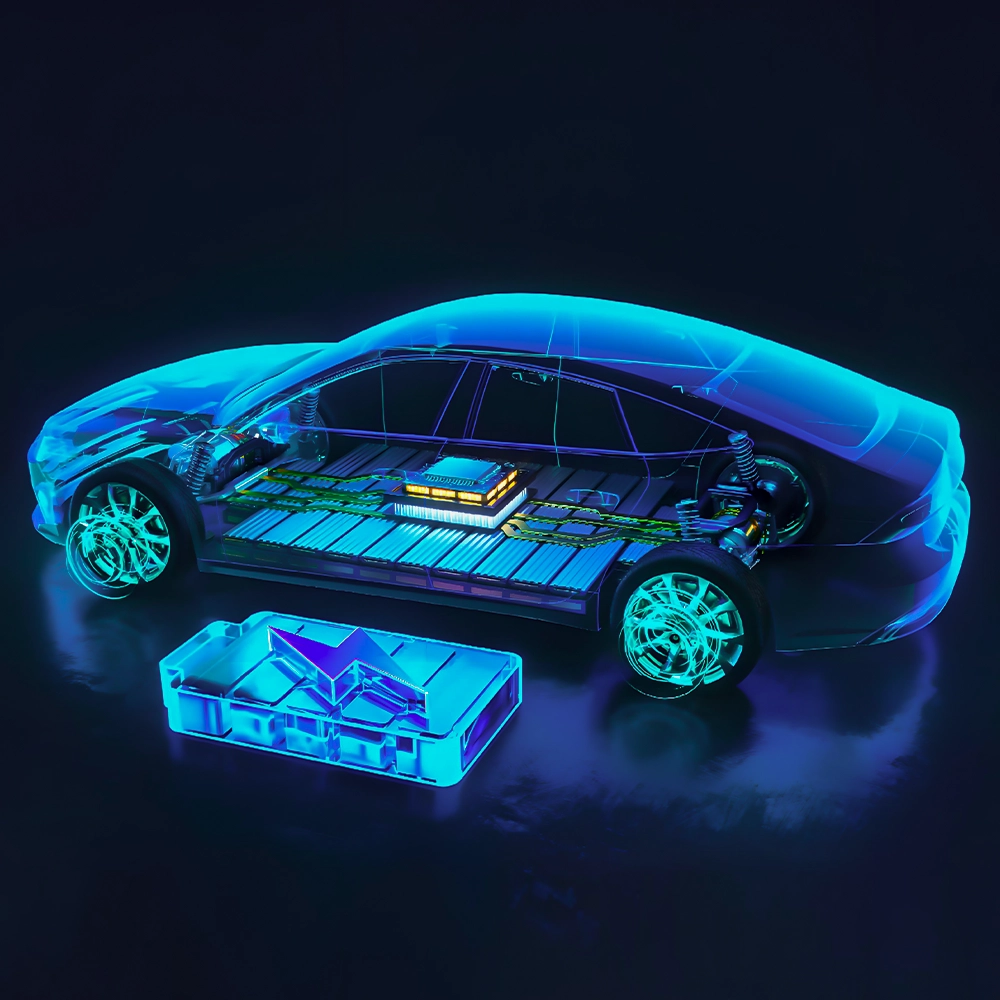
Figure 2 BYD Blade battery structure
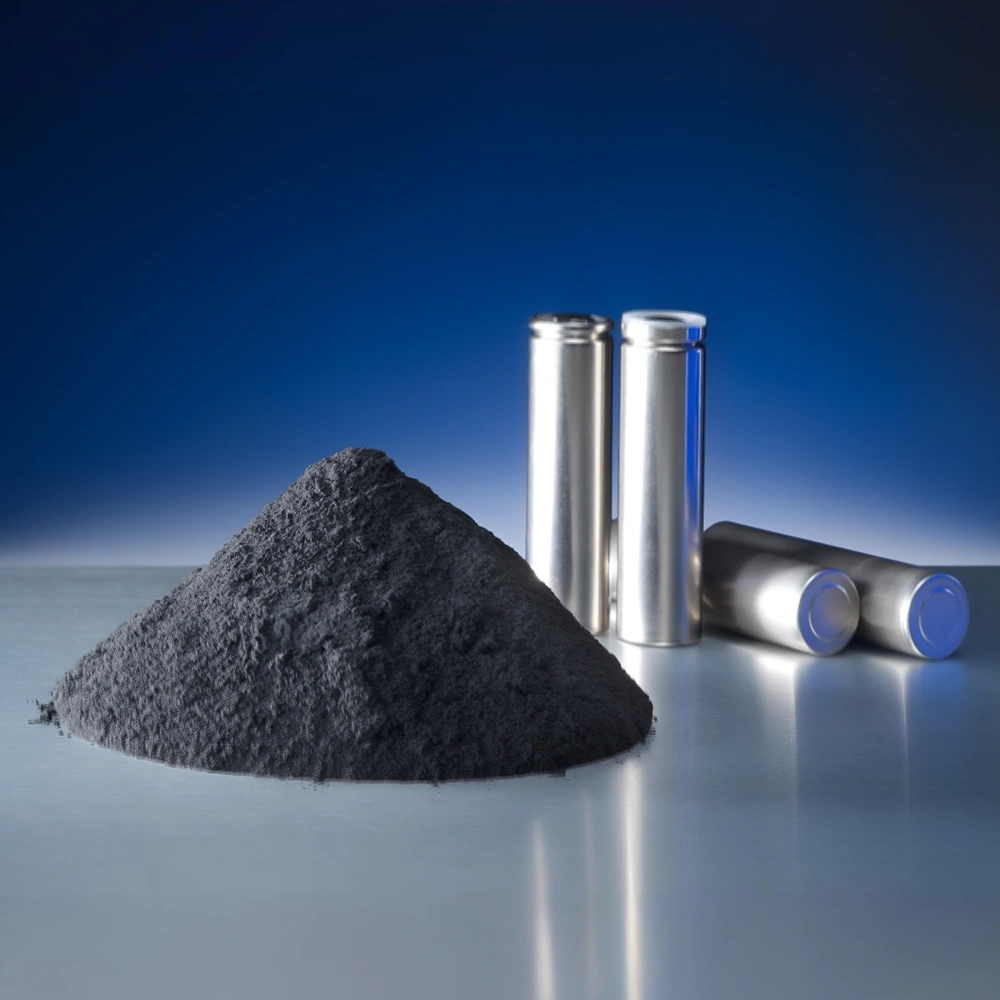
Compared to the previous generation, the second-generation Blade Battery achieves further improvements in energy density. The new material system of Lithium Magnesium Iron Phosphate (LMFP) maintains the intrinsic safety characteristics of the lithium iron phosphate technology pathway. More importantly, the battery pack's system integration efficiency has been continuously optimized, enabling the Z9GT to surpass the 1,000 km range threshold without excessive stacking of battery cells. This means that users can transition from "charging twice a week" to "charging just once a week," while truly eliminating range anxiety for interprovincial long-distance travel—on highways from Beijing to Shanghai, only a single recharge is needed midway to complete the journey.
Charging speed: The "flash charging" experience enabled by the Second-Generation Blade battery
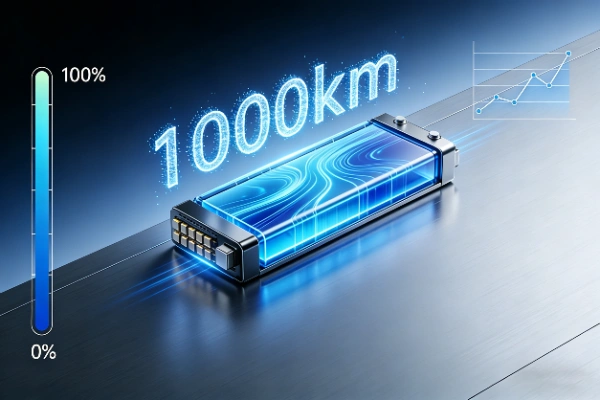
If long range solves the problem of "how far you can go," then flash charging technology completely rewrites the experience of "how long you have to wait." Real-world test data released at BYD's second-generation Blade Battery launch event shows that under normal temperature conditions, charging from 10% to 70% takes only 5 minutes, and from 10% to 97% takes just 9 minutes. What does this mean? In the time it takes to drink a cup of coffee, the battery can be restored from nearly empty to almost full. A simple calculation of average charging power further illustrates this: with a 122.5 kWh battery, the charge from 10% to 70% represents approximately 60% of total capacity, or 73.5 kWh. Over 5 minutes, the average charging power is 73.5 × 3600 ÷ 300 = 882 kW. For the 10% to 97% charge, representing 87% of total capacity, the 9-minute average charging power is approximately 122.5 × 0.87 × 3600 ÷ 540 = 710.5 kW. This average power level even exceeds the peak charging power of many electric vehicles.

Figure 3 BYD flash charging
Even more impressive is the low-temperature performance. In real-world tests conducted in Harbin at -20℃, charging from 20% to 97% took just 12 minutes. A Denza Z9GT equipped with the second-generation Blade Battery, frozen for 24 hours in a -30℃ low-temperature chamber, charged from 20% to 97% in under 12 minutes—only 3 minutes longer than in normal temperature conditions. Wang Chuanfu stated directly at the launch event: "The final 20 percent represents the most difficult segment to breakthrough in charging technology. BYD's second-generation Blade Battery is designed precisely to conquer this phase, allowing users to charge more energy in less time."
Usage scenario concept: Z9GT on the highway
Imagine this scenario: You are driving a Denza Z9GT from Beijing to Qingdao, a total journey of approximately 700 kilometers. You start with a full charge, and the displayed range shows 1,036 km—you don't even need to calculate whether you'll need to charge along the way. After driving for four hours, with 40% battery remaining, you pull into a service area to rest. You plug into a megawatt flash charging station, take a trip to the restroom, and buy a bottle of water—9 minutes later, you return to find the battery charged to 97%, with the range restored to around 1,000 km, more than enough to reach your destination and handle local commuting for several days.

Figure 4 electric vehicle high-speed (70 mph) range test
This is the transformation in travel that the Z9GT brings: range redundancy allows you to forget anxiety, while flash charging speed ensures that replenishment is no longer an "interruption point" in your journey.
The impact of Denza Z9GT on the electric vehicle market
Before the Z9GT, there were models claiming "1000km pure electric range," but most remained at the concept or limited production stage, ultimately failing to achieve mass production.
The NIO ET9, equipped with CATL's condensed matter battery, boasts a range of 1,200 km and is planned for large-scale delivery within 2026. The IM L6 semi-solid-state version exceeds 1,000 km in range and is scheduled for delivery in the second quarter of 2026. GAC's Hyptec solid-state version surpasses 1,000 km in range and will see small-batch installation this year. Dongfeng's Eπ semi-solid-state version offers 1,000 km of range and is set for mass production in September 2026.
However, these models are generally positioned in the premium segment, with prices mostly exceeding 400,000 RMB, and have limited production capacity. Earlier, the Lexus LF-ZC had announced plans for mass production of a 1,000 km range electric vehicle in 2026, but recently announced that the plan has been put on hold, with production delayed until mid-2027.

Figure 5 Denza Z9GT electric vehicle
Why has 1,000 km range been difficult to popularize? Industry analysis suggests that the core reasons lie in demand authenticity and cost control. Extended range inevitably requires larger battery packs, and the additional tens of kilowatt-hours of capacity come at a significant cost. In a market characterized by careful budgeting, automakers must weigh the marginal value of increased range against cost pressures.
The breakthrough of the Denza Z9GT lies in this: at a price of 299,800 RMB (43,620.90 dollar), it brings 1,000 km range into the mainstream 300,000 RMB market segment. With standard features including rear-wheel steering, Yunlin-A air suspension, and God's Eye 5.0 intelligent driving assistance, the Z9GT creates a generational advantage in product competitiveness at its price point. When "1,000 km range" is no longer an exclusive label for niche premium models but an accessible option for ordinary families, the entire market's criteria for evaluating range will be redefined.
The future heights of electric vehicles
The birth of the Z9GT reveals a clear trend: the technological competition in electric vehicles is shifting from "single-point breakthroughs" toward "system integration."
Exceeding 1,000 km of range, flash charging in 9 minutes, maintaining performance in extreme cold—achieving these metrics does not rely on the emergence of any single black technology, but rather results from the co-evolution of cell materials, battery structure, high-voltage platforms, and thermal management systems.
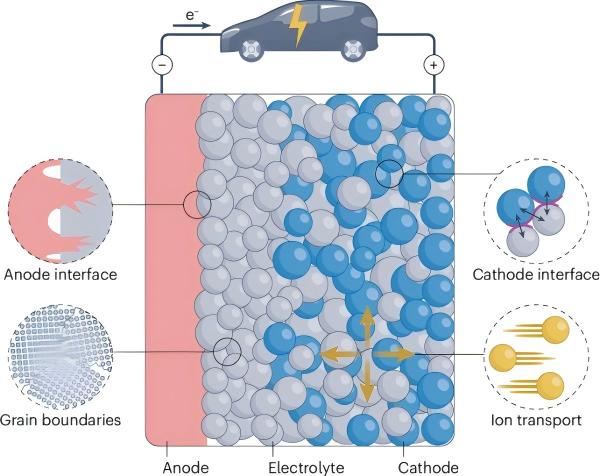
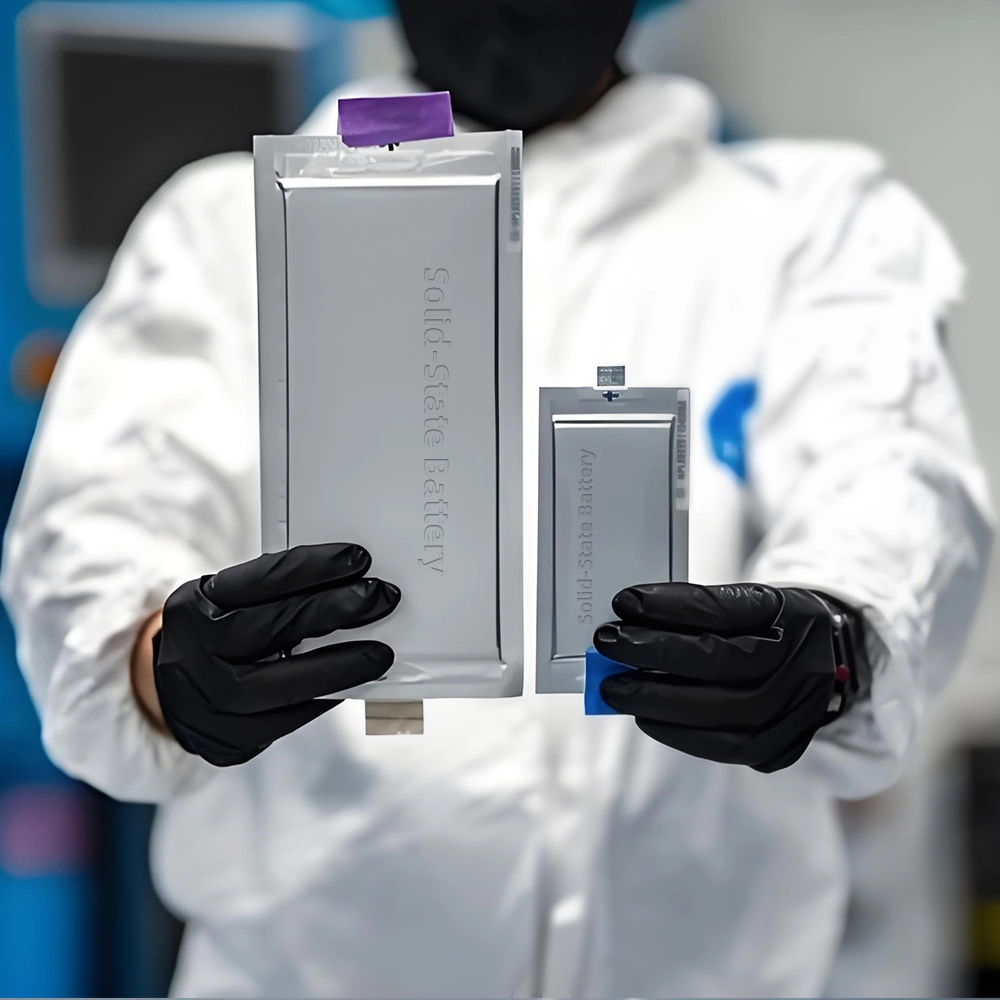
Figure 6 solid-state battery technology
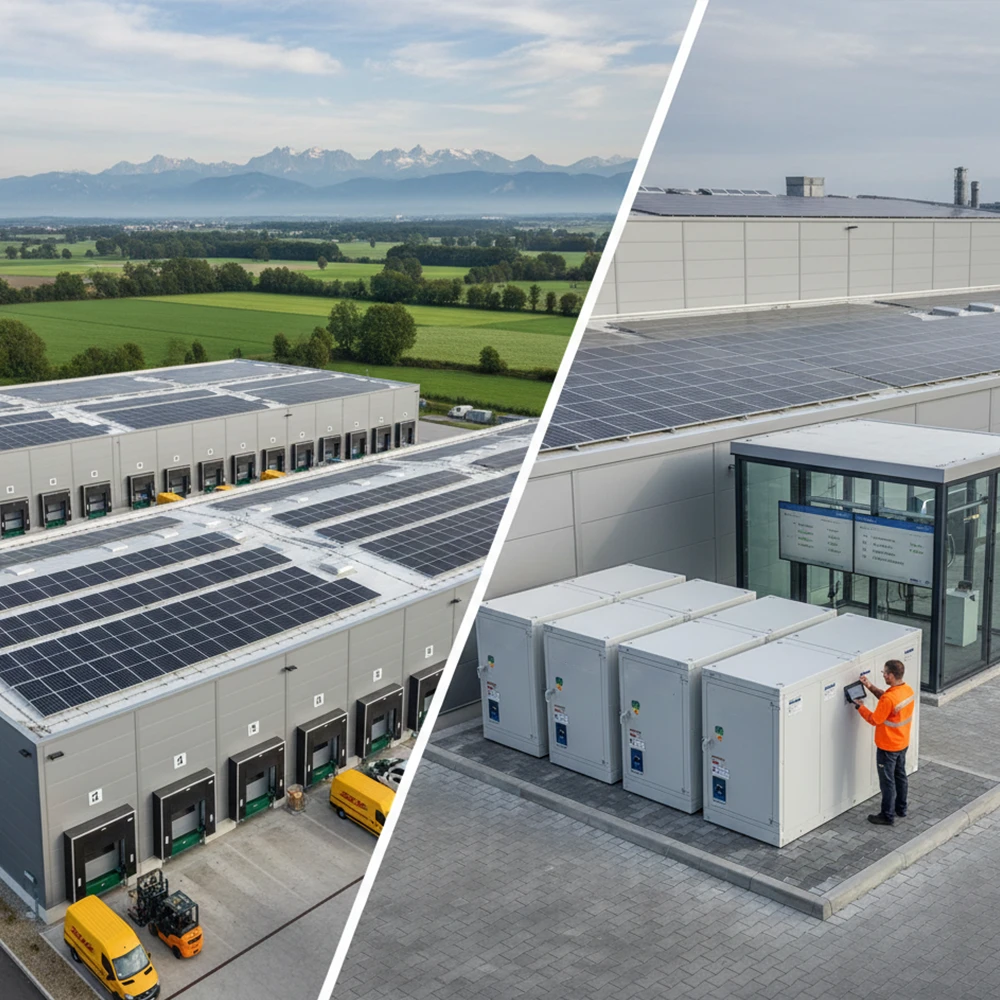
The approximately 5% increase in energy density of the second-generation Blade Battery may seem modest, yet it represents an optimal solution under the constraints of safety, cycle life, and cost control. Behind megawatt flash charging lies a coordinated deployment of charging stations, grid adaptation, and integrated energy storage and charging systems—BYD plans to build 20,000 flash charging stations by the end of 2026, including 2,000 highway flash charging stations. The energy storage systems equipped at these stations can significantly mitigate the impact of flash charging on the power grid: they slowly draw electricity from the grid when not actively charging vehicles, store it in the station's batteries, and then rapidly discharge through these batteries to replenish vehicles during charging sessions.
In the future, electric vehicles will continue to reach new heights. Solid-state batteries are accelerating their journey from laboratories to mass production lines: 2026 marks the year when semi-solid-state batteries begin mass adoption in vehicles, 2027 will see small-batch demonstration installations of all-solid-state batteries, and widespread adoption is expected around 2030. By then, energy density will exceed 500 Wh/kg, range will easily surpass 1,500 km, charging time will be further compressed to under 5 minutes, there will be no thermal runaway even when punctured, and capacity retention at -30℃ will exceed 85%—electric vehicles will truly become "all-weather, all-scenario, full-lifecycle" mobility tools.
The Denza Z9GT proves one thing: the endgame of electrification is not compromise, but transcendence. When range is no longer a source of anxiety, replenishment is no longer a waiting game, and winter is no longer a weakness, electric vehicles will have truly arrived at their destined height. And this is just the beginning.
Supplement: Some of the information presented above was obtained from the Internet. We are very sorry if there is any infringement! You can contact us for deletion!