#TheBatteryShow

5th World Conference on Solid Electrolytes for Advanced Applications: Garnets and Beyond
July 28-31, 2025
Stanford, CA
Organized by the Precourt Institute for Energy and the SLAC-Stanford Battery Center
This conference was initiated by Prof. Murugan Ramaswamy, and the first event took place at Pondicherry University, Puducherry, India in honor of Prof. Werner Weppner's 75th birthday with the objective to share and discuss cutting-edge research and to collectively establish near and long-term visions for research in the field of solid-state battery technology. Since then, this conference takes place every 2 years worldwide. After successful events in India, Japan, and Norway, this conference will now take place in Stanford, California. We expect around 200 delegates at this event.
Anolytes/Catholytes
Composite Cathodes
in situ Anode formation
Mechano-electrochemistry
Scale-up, benchmarking/protocol
CCD Measurement and Interpretation
Processing: Powders-to-parts-to-devices
Official website link: https://llzo5wc.sites.stanford.edu/
NEWARE
47690 Westinghouse Dr, Fremont, CA 94539


Technology
September 21, 2026
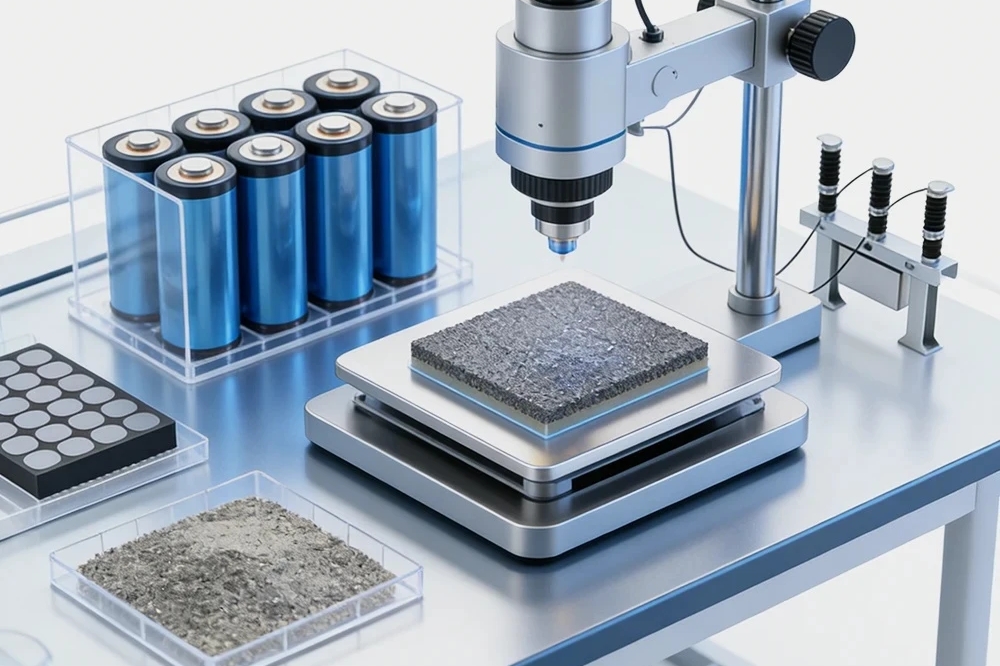
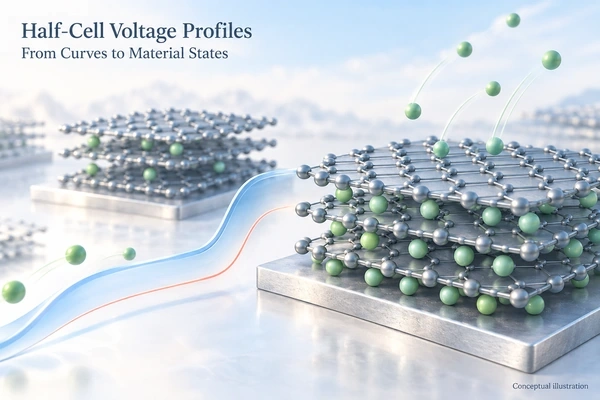

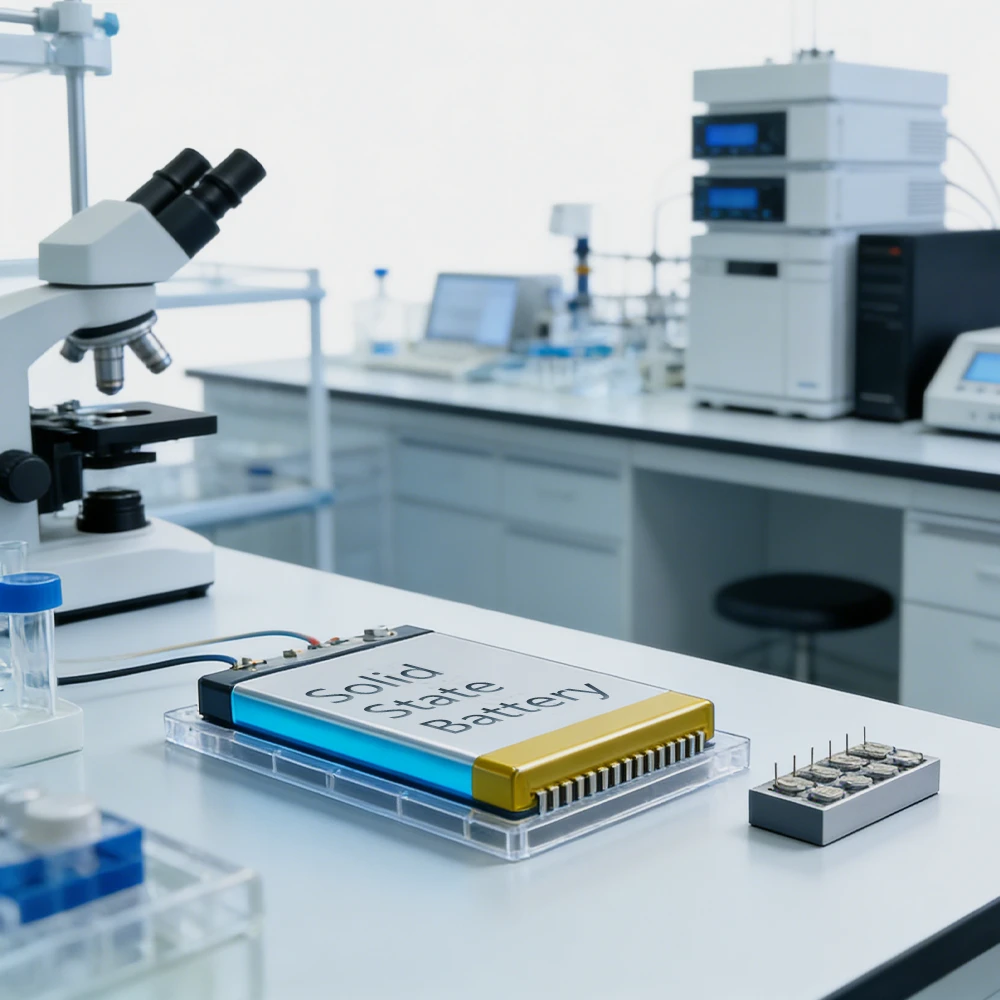
The lab focuses on solid-state battery research to overcome traditional lithium batteries' safety and energy density issues, supporting environmental sustainability. It develops innovative solid-state electrolytes, refines electrode materials, and investigates ion transfer and interface stability to revolutionize battery technology.
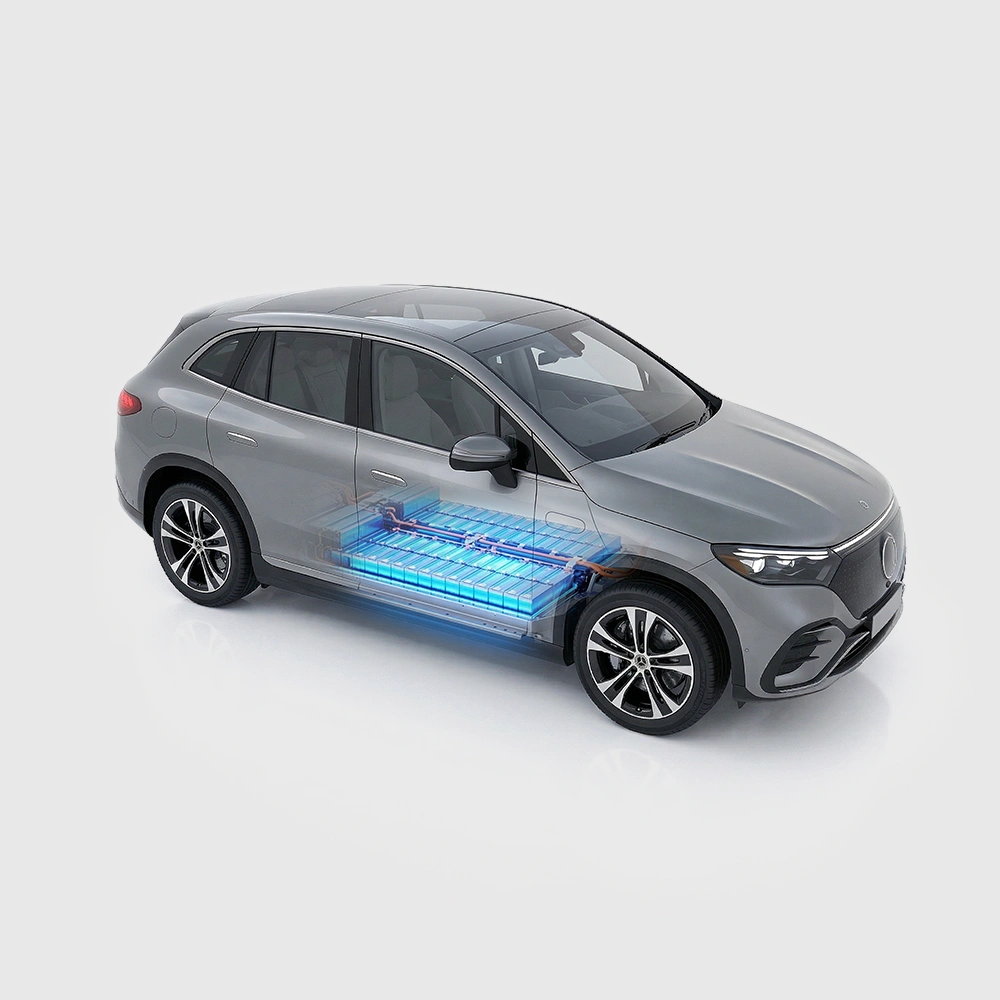
The electric vehicle battery industry is rapidly developing, focusing on technological innovation, market competition, and sustainability. Research hotspots include solid-state batteries, new types of electrolytes, BMS optimization, and recycling technologies. The environmental adaptability, safety, and economic viability of batteries are key research areas, and the industry is expected to undergo more innovation and transformation.
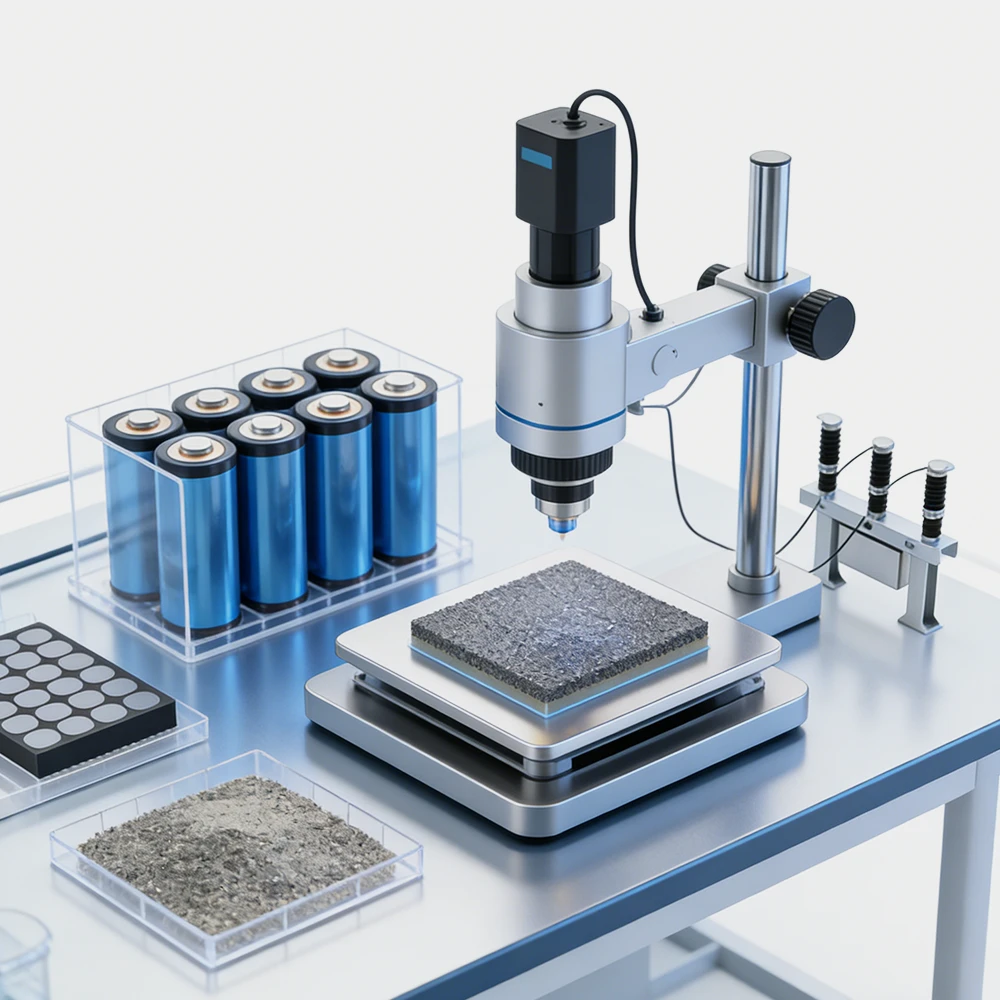
We specialize in battery preparation technology research, focusing on overcoming existing energy storage challenges by innovating in electrode materials, battery chemistry, and manufacturing processes to improve performance, enhance safety, and reduce costs. Sustainability and recycling technologies for batteries are also emphasized to mitigate environmental impacts and foster the growth of green energy.
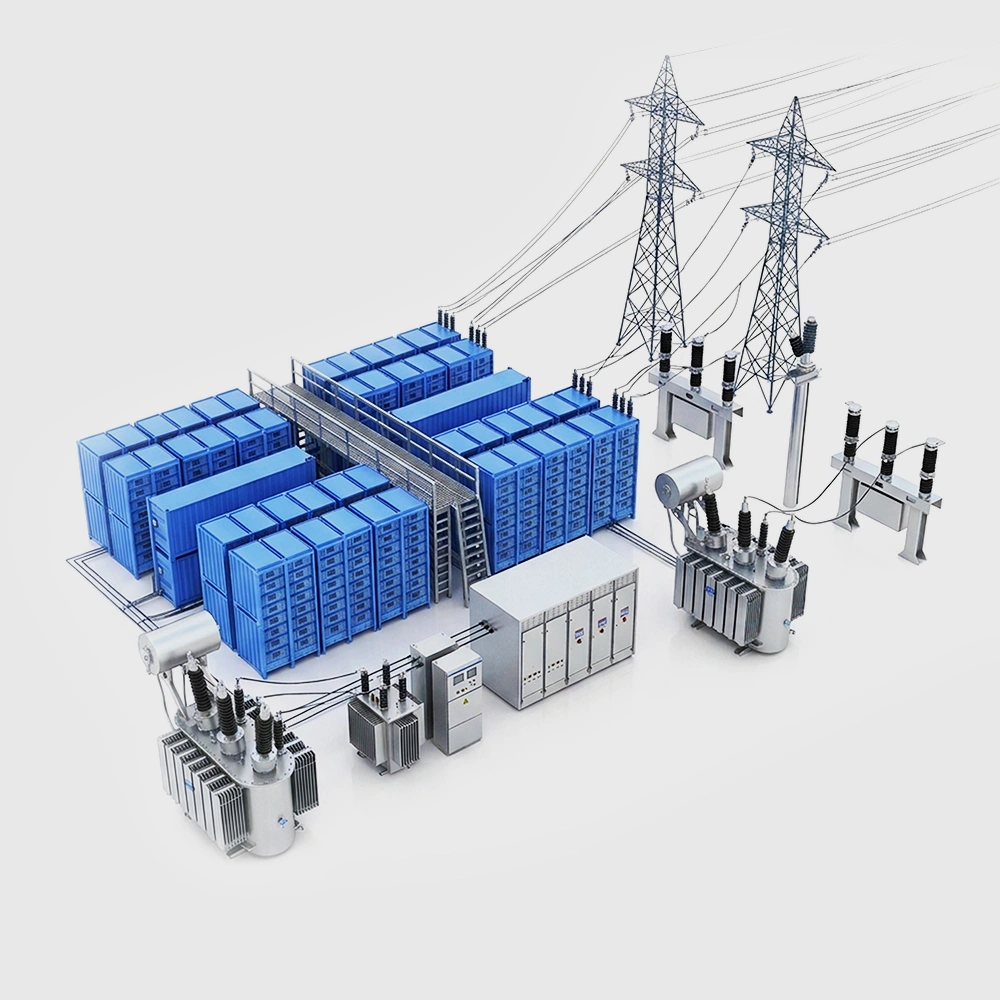
To power the energy transition, the storage industry is evolving towards large-scale, high-quality development, focusing on safety, efficiency, and lifecycle value over mere price competition.